Work Uniforms vs Branded Polos for Your Team
- September 22, 2026
- 2:50 am

A front-office team, a field crew, and a restaurant staff may all represent the same company, but they do not need the same apparel. The decision between work uniforms vs branded polos comes down to what employees do all day, what customers expect to see, and how much performance the garment needs to deliver.
For many businesses, the strongest program is not an either-or decision. Branded polos can create a polished, approachable look for customer-facing roles, while true work uniforms give crews the durability, visibility, and job-specific function they need. The right choice protects your brand image without asking employees to wear apparel that is poorly suited to the work.
Work Uniforms vs Branded Polos: The Core Difference
A work uniform is built around the demands of a specific role. Think industrial work shirts, mechanic shirts, high-visibility safetywear, durable work pants, coveralls, or weather-ready outerwear. These garments are selected because they can stand up to repeated wear, physical labor, jobsite conditions, staining, heat, or safety requirements.
A branded polo is primarily a professional presentation piece. It gives employees a coordinated, recognizable look without the formality of a button-down shirt or the heavier construction of traditional workwear. Polos work especially well for sales teams, office staff, hospitality employees, trade show crews, property management teams, and service professionals who move between customer interactions and light-duty work.
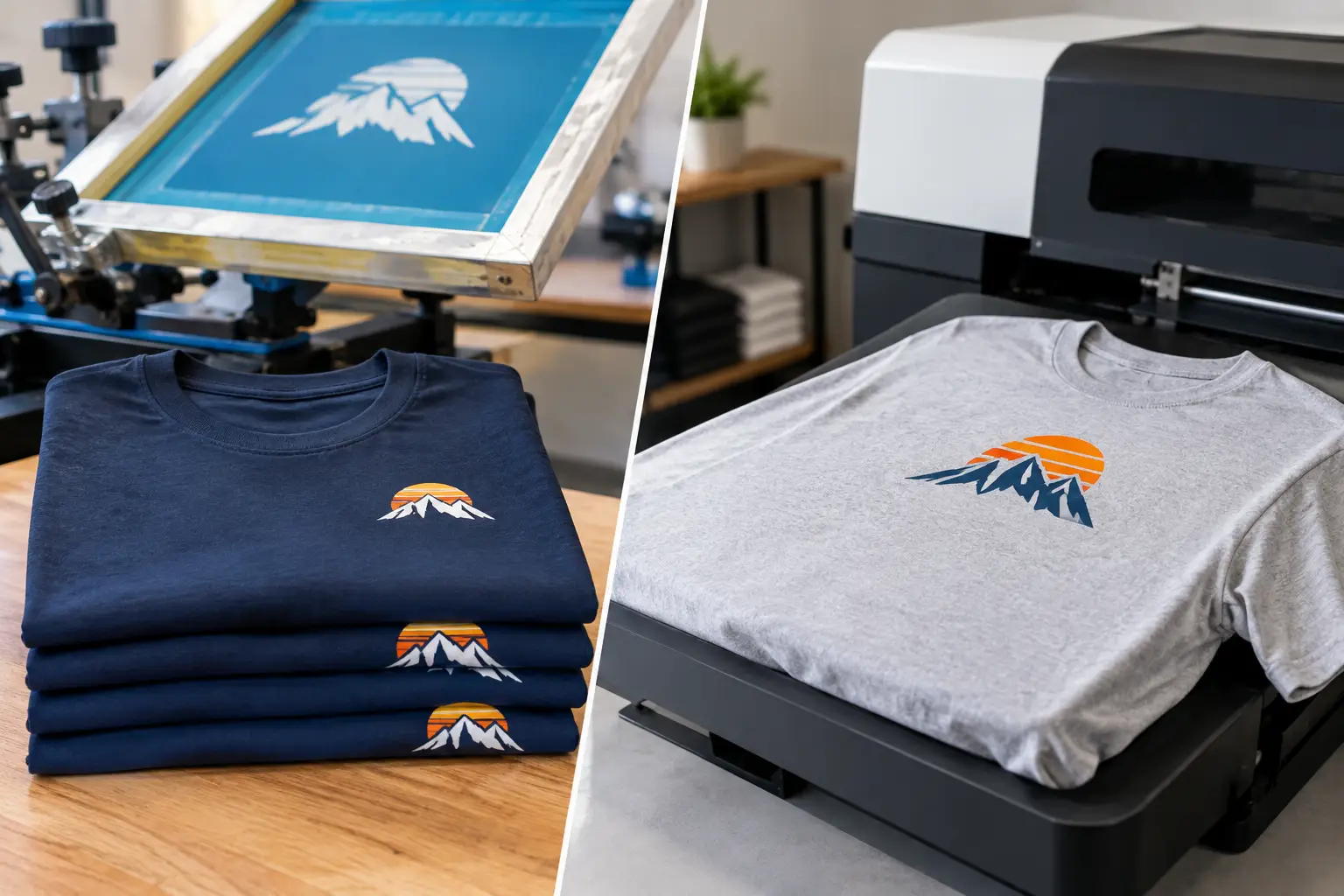
Both can carry a logo through embroidery or screen printing. The difference is not whether either option can promote your brand. It is whether the garment’s fabric, construction, fit, and features match the job.
When Work Uniforms Are the Better Investment
Work uniforms are often the clear choice when clothing is part of an employee’s protection, utility, or daily productivity. A warehouse team may need high-visibility shirts and durable layers. A construction crew may need heavyweight workwear that resists abrasion. Maintenance professionals may benefit from garments with chest pockets, reinforced seams, and fabrics designed for frequent laundering.
In these environments, choosing a standard polo just because it looks polished can create problems. Lightweight fabric may wear out quickly. The fit may restrict movement during physical work. Employees may need to add unbranded layers to stay warm, which weakens a consistent company appearance.
Work uniforms also make sense when customers expect to identify employees quickly. Technicians arriving at a home, delivery teams making frequent stops, and building services staff working across large properties all benefit from a clearly recognizable uniform. A consistent shirt color, logo placement, name personalization, and durable outerwear can make a team look prepared before the first conversation begins.
For safety-sensitive roles, start with job requirements rather than appearance. High-visibility colors, reflective details, flame-resistant materials, and other specialty features should be selected based on the work environment and applicable standards. Branding can then be added in a way that supports visibility and maintains a professional finish.
What to prioritize in a work uniform
Look first at fabric weight, durability, mobility, and care requirements. Cotton-rich work shirts may feel familiar and substantial, while performance blends can offer moisture management and easier care. Consider the climate, too. A crew in the Southwest has different needs from a team working through Midwest winters.
It also helps to think in layers. A short-sleeve work shirt may be the foundation, with a branded sweatshirt, vest, jacket, or insulated outerwear available for changing weather. This approach keeps the team on-brand throughout the year and gives employees apparel they will actually want to wear.
When Branded Polos Make More Sense
Branded polos strike a practical balance between comfort and credibility. They look more intentional than a basic T-shirt but remain easy to wear for a full shift. For organizations where employees regularly meet clients, walk a sales floor, attend events, or work in an office, a quality embroidered polo can present the brand clearly without feeling overly formal.
They are also a smart choice for companies that need a versatile program. A single polo style in several colors can distinguish departments, recognize managers, or create an event-ready team look. For example, a facilities company might outfit office coordinators in polished polos while reserving heavier work shirts for technicians in the field.
Fabric selection matters here as much as it does with workwear. Traditional pique polos provide a classic corporate appearance and hold their shape well. Moisture-wicking performance polos are a strong fit for warm environments, active teams, golf events, and employees who are on their feet all day. Premium options from recognized brands can elevate the look for leadership teams, client-facing staff, and employee recognition programs.
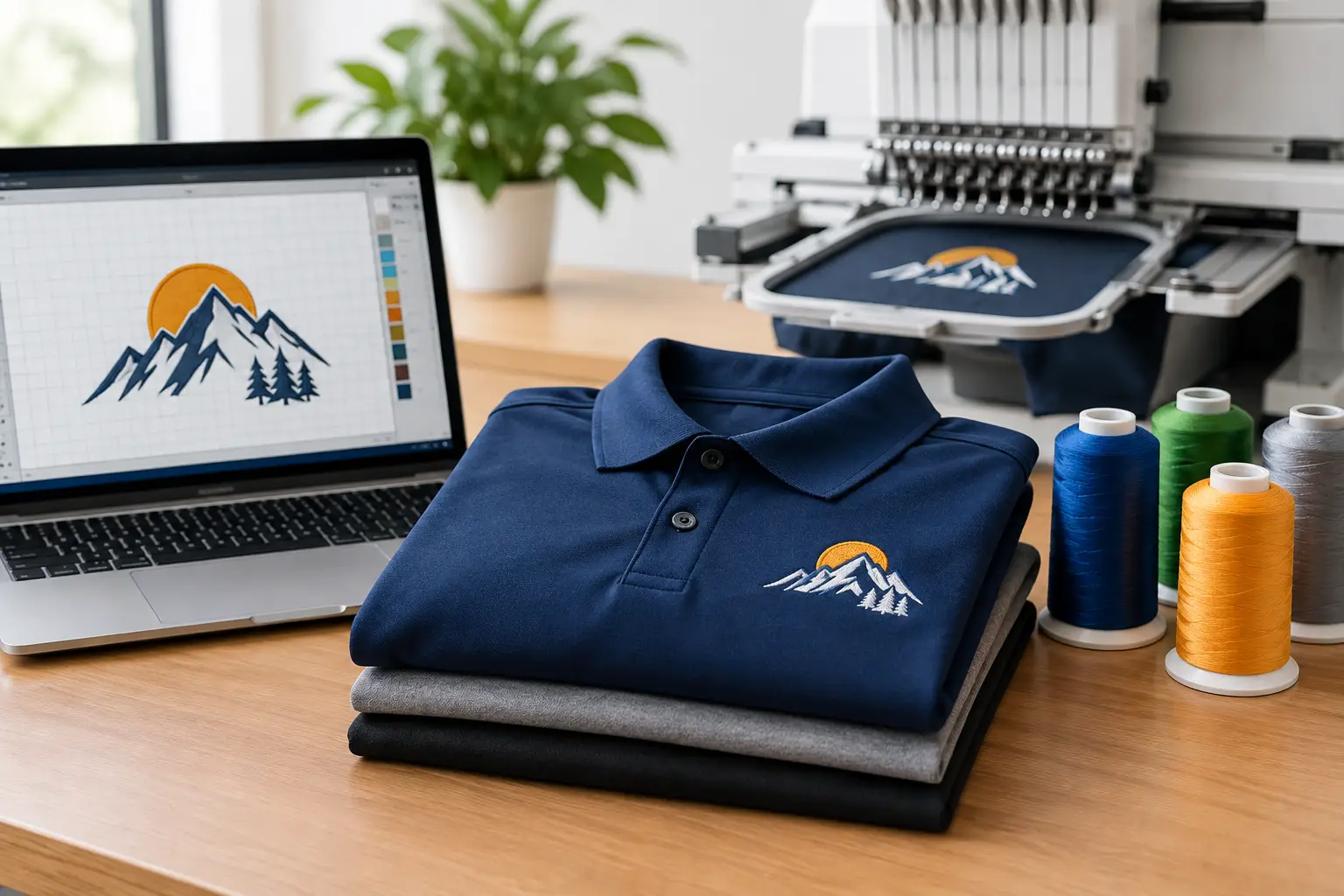
Embroidery is especially well suited to polos because it creates a clean, lasting logo application on the chest, sleeve, or collar. A properly digitized logo and appropriate thread colors help smaller details stay legible and give the finished garment a refined appearance.
Where polos can fall short
A polo is not automatically the most economical choice if turnover is high and garments face hard use. It may also be the wrong choice for jobs involving grease, dust, sharp edges, heavy lifting, or exposure to the elements. Replacing worn polos every few months can cost more than investing in purpose-built workwear from the start.
Fit can be another consideration. A polo program should offer a useful range of sizes and, when appropriate, men’s, women’s, and unisex options. Employees who are comfortable in their apparel are more likely to wear it correctly and represent the company well.
Build a Program Around Roles, Not One Garment
The most effective corporate apparel programs recognize that not every employee has the same day. Rather than forcing one shirt across the entire organization, create a coordinated system that reflects each role.
A home services business, for instance, may use embroidered performance polos for sales representatives, durable work shirts for installers, and branded jackets for everyone during colder months. The logo, color palette, and decoration placement connect the pieces, even though each department wears apparel designed for its actual work.
This approach can also improve inventory planning. Keep core items available for new hires and routine reorders, then use special items for seasonal promotions, recognition gifts, company events, or leadership apparel. A company apparel store can make this easier by organizing approved products by department, role, or budget level.
Compare the Total Cost, Not Just the Shirt Price
The lowest unit price is not always the best value. A less expensive shirt that shrinks, fades, or loses its shape quickly may need to be replaced sooner. A higher-quality garment may cost more initially but deliver better wear life and a more professional employee appearance.
Decoration should be included in the calculation. Complex logos, multiple print locations, personalization, and specialty fabrics can affect the production method and final cost. Embroidery offers durability and a premium look, while screen printing can be cost-effective for larger artwork and higher quantities. The best method depends on the garment, logo design, order size, and intended use.
Before placing a large order, confirm the garment color, logo size, placement, and thread or ink colors through a digital proof. This step helps prevent avoidable surprises and keeps every reorder consistent with the approved brand standard.
Questions to Ask Before You Order
Start with the workday. Will employees be seated in an office, meeting customers, loading equipment, working outdoors, or moving between all of those settings? Then consider how often the apparel will be washed, whether it must meet safety requirements, and whether employees need layers for seasonal conditions.
Next, decide what customers should see. A luxury property management firm may prioritize refined polos and lightweight outerwear. A plumbing contractor may need a combination of branded work shirts, safetywear, and durable jackets. Neither choice is better in every case. The right choice is the one that aligns the garment with the job and the brand promise.
Finally, plan for growth. Choose apparel that can be reordered reliably, and document approved colors, logo files, placement, and decoration specifications. LOGO USA helps businesses manage that process with in-house decoration, digital proofing, and product options suited to everyday uniforms as well as polished corporate apparel.
The apparel your team wears is a working part of your brand. Choose pieces that let employees do their jobs comfortably, show up professionally, and feel like they belong to a team built to do good work.
Popular Blogs
What File Formats Does Embroidery Accept?
October 12, 2026