Best Polos for Embroidery That Look Professional
- August 13, 2026
- 2:15 am
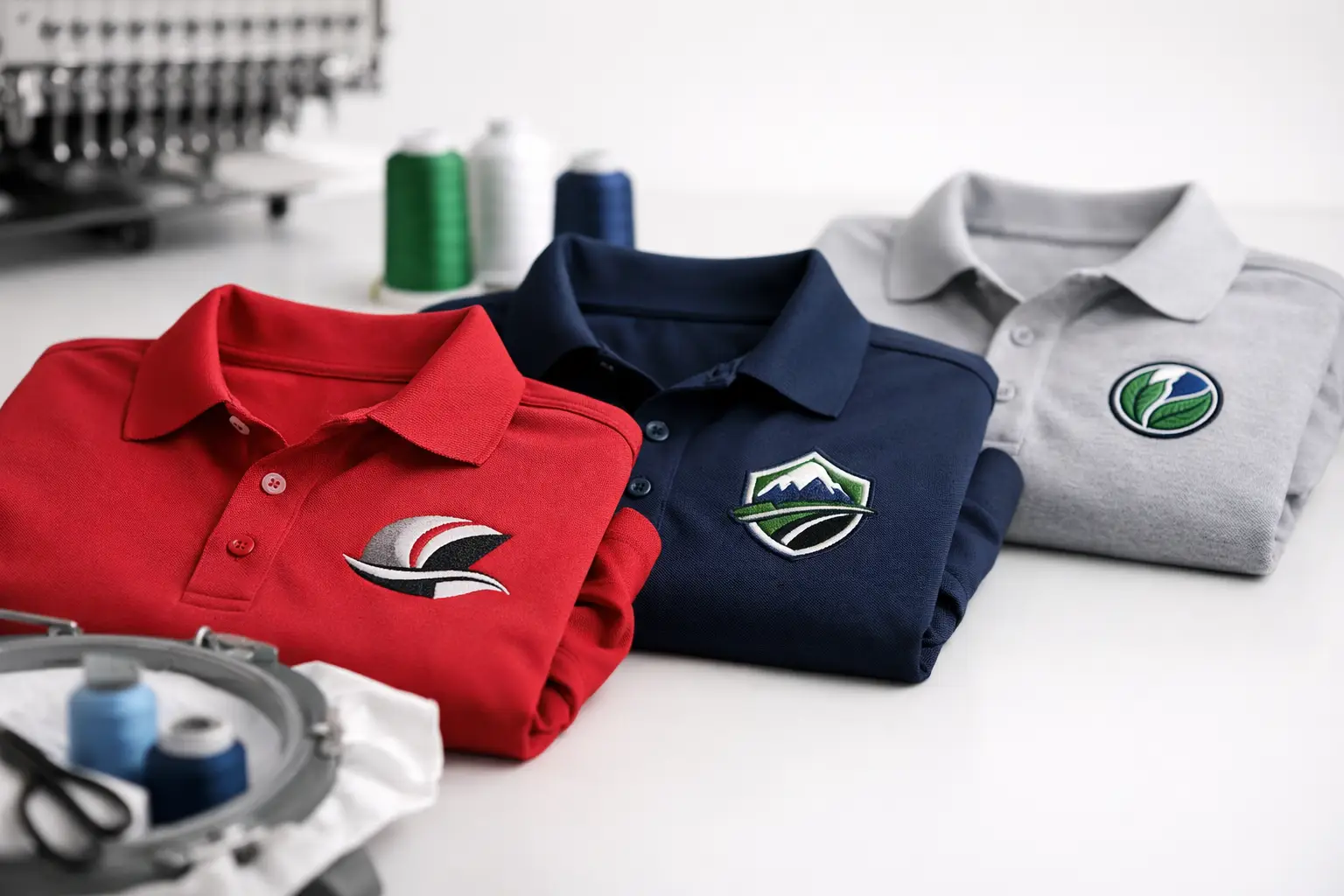
A polo can make a company logo look established and polished, or make it look small, puckered, and forgotten after a few washes. Choosing the best polos for embroidery is not only about picking a familiar brand or the lowest price. The fabric, knit, color, fit, and intended use all affect how well a stitched logo holds its shape and represents your business.
For employee uniforms, client-facing teams, golf outings, trade shows, and company apparel programs, the right polo creates a consistent professional impression. Start by matching the garment to the job, then choose a decoration approach that gives your logo the attention it deserves.
What Makes a Polo Good for Embroidery?
Embroidery adds texture, color, and lasting brand presence, but it also places tension on the fabric. A good embroidery polo needs enough structure to support the stitches without pulling, stretching, or showing the backing through the garment.
Midweight pique polos are a dependable choice for many organizations. Their textured knit has enough body for a left-chest logo and wears well through regular laundering. They are especially practical for office staff, hospitality teams, sales crews, and everyday uniforms.
Smoother performance polos can also produce a sharp result, particularly when employees work outdoors, travel frequently, or need moisture-wicking comfort. The trade-off is that lightweight, stretchy performance fabric may need more careful stabilization during embroidery. An experienced decorator adjusts the backing, hooping, and stitch density to protect the fabric and preserve the logo’s detail.
The logo itself matters, too. Fine lettering, tiny details, and large filled areas may need to be simplified or digitized differently for clean embroidery. A digital proof gives you the opportunity to review placement, thread colors, and overall scale before production begins.
Best Polos for Embroidery by Fabric Type
There is no single best fabric for every program. The best choice depends on who will wear the polo, how often it will be washed, and whether comfort, durability, or a premium appearance is the priority.
Cotton and cotton-rich pique polos
Cotton pique polos are a classic uniform choice. They feel substantial, offer a traditional collar and texture, and provide a stable surface for embroidered logos. Cotton-rich blends tend to be comfortable for indoor work, retail, food service, office settings, and event staff.
Pure cotton can shrink or fade more than blended options if it is not cared for properly. A cotton-poly blend often gives businesses a more practical balance of softness, durability, color retention, and easier maintenance. If your team needs a familiar, all-purpose uniform polo, this is usually a strong starting point.
Polyester performance polos
Performance polos are built for movement and heat. Moisture-wicking fabric helps employees stay more comfortable during golf events, field sales calls, outdoor promotions, facility work, and active team environments. Many styles also resist wrinkles and dry quickly, which makes them useful for travel and repeat wear.
For embroidery, choose a performance polo with enough weight and a smooth, stable knit. Very thin polyester can show puckering around a dense logo, especially on light colors. A quality garment and proper embroidery setup make the difference between a logo that lies flat and one that looks strained.
Stretch and premium-blend polos
Polos with spandex or stretch fibers offer a more modern fit and greater mobility. They are popular for executive apparel, customer-facing sales teams, hospitality, and branded corporate gifts. Premium brands often use refined textures, shaped collars, and tailored cuts that elevate a simple left-chest logo.
These polos are worth considering when presentation is central to the program. They may cost more than a basic uniform polo, but they can improve wear rates. A polo that employees genuinely like wearing is more likely to become a regular part of their wardrobe and a more visible extension of your brand.
Choosing the Right Weight and Knit
Fabric weight is easy to overlook until the shirts arrive. Lightweight polos are breathable and comfortable, but they can be less forgiving with embroidery. Heavier polos provide a more stable embroidery field and tend to hold their shape longer, though they may feel too warm for some work environments.
Pique knit remains a reliable option because its texture disguises minor stress from stitching while providing a traditional corporate look. Jersey-knit polos have a smoother, softer hand and can look more refined, but they may require more attention when decorating. Neither is automatically better. Choose pique for durable, familiar uniform performance and jersey when a softer, cleaner presentation fits the setting.
Best Polos for Embroidery Need the Right Fit
A well-embroidered polo still misses the mark if the fit is uncomfortable or inconsistent across the team. When outfitting a mixed workforce, look for a style family with men’s, women’s, and extended-size options. This supports a unified brand appearance without asking every employee to wear the same cut.
Traditional-fit polos work well for broad uniform programs because they offer room to move and are easy to size. Modern or athletic fits can create a sharper appearance for sales teams and customer-facing roles, but they may run narrower through the chest and shoulders. Ordering a range of sample sizes or reviewing garment measurements before placing a large order can prevent costly fit issues.
Also consider collar construction. A collar that curls after repeated washing can make even premium embroidery look less professional. Reinforced collars, quality plackets, and durable buttons are small garment details that employees and customers notice over time.
Color Choices That Keep Your Logo Clear
The logo should be readable from a reasonable distance, not lost against the shirt color. Navy, black, charcoal, and royal blue are popular because they look professional, hide everyday wear, and provide strong contrast for light thread colors. White, gray, and light blue polos can create a crisp corporate appearance, although they may need more frequent laundering in hands-on roles.
Before finalizing colors, look at your logo rather than relying on a standard company palette. A dark logo may disappear on navy. White thread can look clean on black but may need a contrasting border or adjusted elements if the design includes very fine detail. Embroidery specialists can recommend thread changes that preserve brand recognition while improving legibility on the selected garment.
For larger programs, limiting the assortment to two or three approved polo colors can simplify reorders, keep team presentation consistent, and reduce decision fatigue for managers.
Logo Placement and Size Matter as Much as the Polo
The left chest is the standard for a reason. It is visible, professional, and well suited to most business logos. A typical embroidered left-chest design is usually kept compact enough to avoid weighing down the fabric or overwhelming the garment.
Sleeve embroidery can add value for event sponsors, departments, or secondary branding, but it works best as a simple addition rather than a crowded collection of marks. Back-neck embroidery offers a subtle premium detail for retail-inspired apparel or executive gifts. For everyday uniforms, restraint usually creates the strongest result.
If your logo has a long horizontal shape, ask whether it should be stacked, simplified, or placed differently. Forcing a wide logo into a small left-chest area can make the lettering too small to stitch clearly. Good digitizing is not just converting artwork to stitches. It is adapting the design so it performs on the garment.
Build a Polo Program That Is Easy to Reorder
The best polos for embroidery are also the ones your organization can order again with confidence. Choose dependable styles with reliable availability, document approved thread colors and logo placement, and keep the same decorated artwork on file. This matters when you add new hires, replace worn uniforms, or prepare for a recurring event.
For multi-location businesses or growing teams, a managed company apparel store can reduce administrative work and keep approved products under control. Instead of collecting sizes and orders through spreadsheets, employees or managers can order from a curated selection that already reflects your brand standards.
At LOGO USA, in-house embroidery, artwork support, and digital proofing help businesses move from garment selection to a finished branded polo with clear production oversight. That support is especially useful when a program includes different sizes, departments, or logo variations.
A polished polo is not a one-time purchase. It is a piece of your company’s daily presentation. Select a garment your team will be comfortable wearing, give the logo room to read clearly, and build the consistency that makes each reorder just as professional as the first.
Popular Blogs
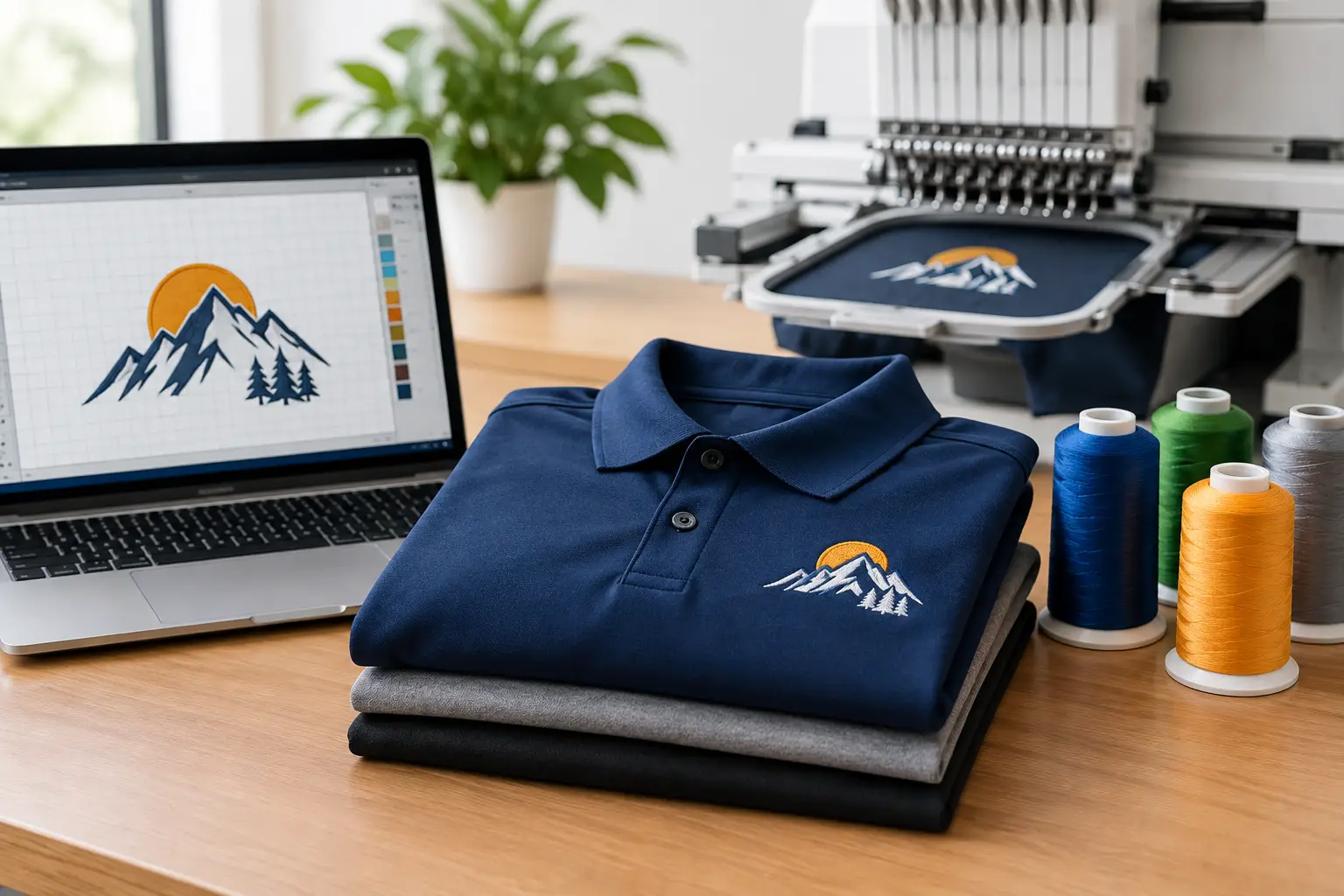
What File Formats Does Embroidery Accept?
October 12, 2026