
Best Branded Jackets for Crews: A Buying Guide
- August 9, 2026
- 3:00 am
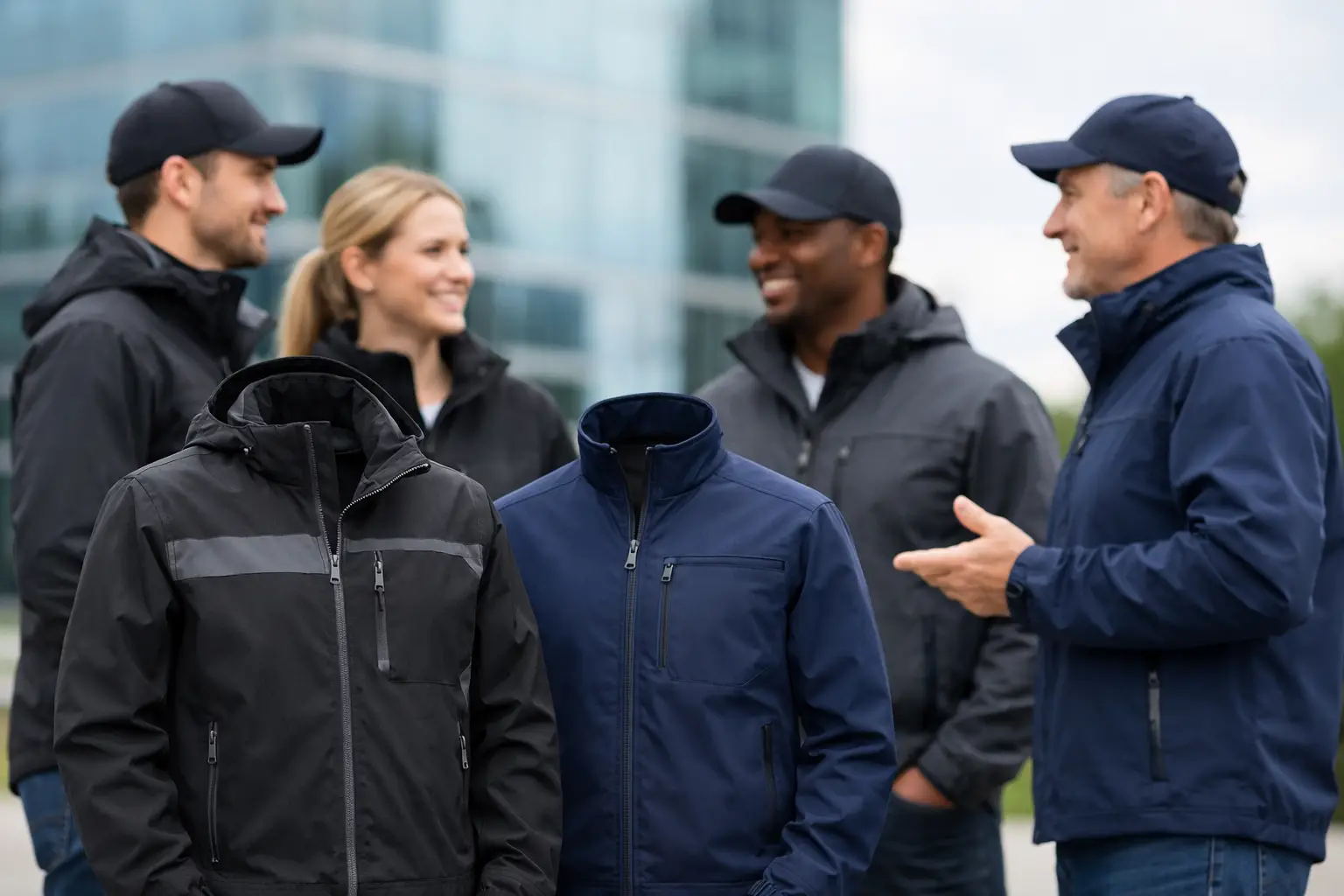
A crew jacket has to do more than carry a logo. It needs to look right at a customer site, hold up through real work, fit a range of body types, and give employees a reason to wear it after the shift ends. The best branded jackets for crews balance all four. When the garment and decoration are chosen well, your team looks coordinated without feeling uniformed in the wrong way.
For business buyers, the decision is rarely about finding the lowest unit price. A jacket that pills after a season, restricts movement, or makes embroidery look crowded costs more in replacement orders and missed brand impressions. The stronger approach is to match the jacket to the job, climate, logo treatment, and expected wear cycle before placing an order.
Start With How and Where Your Crew Works
The right outerwear category depends on whether your crew is customer-facing, outdoors all day, moving between job sites, or traveling to events. A property management team in the Midwest has different needs than a brewery delivery crew in Arizona or a corporate event staff working in convention centers.
For active field teams, prioritize movement, durability, and practical weather protection. Soft shells, work jackets, and insulated layers are often stronger choices than lightweight promotional windbreakers. Customer-facing hospitality, sales, and office teams may benefit from cleaner silhouettes such as fleece jackets, quilted vests, or polished soft shells that layer easily over polos and button-downs.
Climate matters, but so does the pace of work. A heavily insulated jacket is excellent for a winter road crew and frustrating for technicians climbing ladders or loading equipment. In mixed conditions, a water-resistant soft shell or midweight fleece can provide more usable comfort across the year. For organizations with crews in several regions, consider a core jacket program with climate-specific options rather than forcing one style on everyone.
Think in Layers, Not Just Jackets
Layering gives crews flexibility and helps protect your investment. A branded performance tee or polo under a fleece creates a polished look indoors. Add a soft shell for wind and light rain, and employees can adjust without losing the company identity.
This approach is especially useful for organizations that need uniforms across changing seasons. It also makes reorders simpler because each item has a clear role in the apparel program. The jacket becomes the outer layer of a consistent system, not a one-off giveaway.
The Best Branded Jackets for Crews by Job Type
There is no universal winner. The best branded jackets for crews are the ones that perform in the environment where your people actually work.
Soft Shell Jackets for Mobile, Customer-Facing Teams
Soft shells are a dependable choice for sales staff, service technicians, property teams, installers, and event crews. They typically offer wind resistance, light water protection, stretch, and a professional appearance that works in front of customers. Many styles also have zippered pockets, adjustable cuffs, and a smooth exterior that presents an embroidered logo cleanly.
The trade-off is warmth. A soft shell is not usually enough for extended exposure to freezing temperatures without a base layer or insulation. It is a versatile three-season choice, not a replacement for a serious winter coat.
Fleece Jackets for Everyday Company Wear
Fleece remains one of the most practical branded layers for office teams, healthcare support staff, warehouse personnel, schools, nonprofits, and trade show groups. It is comfortable, approachable, and easy to layer. A quality fleece with a well-placed embroidered logo can feel like a genuine employee benefit rather than mandatory workwear.
Choose the weight carefully. Lightweight fleece works well indoors and in mild weather, while midweight fleece adds warmth for outdoor breaks and travel. Very plush fleece can be comfortable, but it may be less suitable for dirty or abrasive work environments. The texture can also affect fine logo details, so simpler embroidery often produces the cleanest result.
Work Jackets for Demanding Environments
For construction, utilities, transportation, landscaping, maintenance, and industrial crews, durable work jackets earn their place. Brands such as Carhartt are recognized for rugged fabrics, dependable construction, and styles designed around movement and jobsite use. Duck canvas, insulated workwear, and heavyweight outerwear can stand up to demanding conditions while putting your brand in front of customers and partners.
These jackets may cost more upfront and can require a larger embroidery area or a patch-style solution for heavier fabrics. That is usually a worthwhile trade when the garment will be worn repeatedly for years. A durable jacket that remains part of an employee’s regular work rotation delivers better long-term value than a lower-cost item that stays in a locker.
Insulated and Quilted Jackets for Cold Weather
When crews spend meaningful time outdoors in cold conditions, insulation should be a requirement, not an upgrade. Quilted jackets, insulated work coats, and puffer-style outerwear provide warmth without asking employees to bring their own mismatched layers. They are particularly effective for delivery teams, outdoor operations, field service, winter events, and facilities crews.
Pay attention to bulk. Heavily insulated styles can make a large chest design feel awkward and may limit mobility for physically active roles. A smaller left-chest logo, sleeve embroidery, or a branded patch is often more balanced than trying to reproduce a full, detailed design across a thick jacket.
High-Visibility Outerwear for Safety-Focused Crews
Safetywear is a separate decision category. If visibility requirements apply to your worksite, select compliant garments first and add branding second. Reflective striping, fluorescent colors, and placement rules should never be compromised for decoration.
A knowledgeable decorator can advise on logo positioning that respects reflective material and preserves the garment’s function. For road crews, warehouse yards, airport operations, and construction environments, the right safety jacket reinforces both your brand standards and your commitment to the people wearing it.
Choose Decoration That Fits the Jacket
Embroidery is the preferred finish for many crew jackets because it looks permanent, polished, and professional. It is especially effective on soft shells, fleece, work jackets, and insulated outerwear. A left-chest logo is the classic choice because it remains visible when employees are speaking with customers, wearing a badge, or carrying equipment.
Still, embroidery is not the answer to every design. Fine type, tiny taglines, photographic effects, and large blocks of color may lose clarity when converted to thread. In those cases, simplify the artwork, remove small text, or choose a decoration method better suited to the garment. Screen printing can work well on certain lightweight jackets, while patches can be an excellent option for rugged fabrics and designs that need crisp detail.
Before production, request a digital proof and review it with practical questions in mind. Is the logo readable from a few feet away? Does the thread color contrast with the jacket color? Is the design positioned away from zippers, pockets, seams, and reflective trim? A proof is the time to refine the result, not after a full crew order is complete.
Fit, Sizing, and Color Drive Adoption
A jacket program only works when employees want to wear the product. Offer a practical range of sizes and, when appropriate, companion men’s and women’s fits. This is not about creating unnecessary complexity. It is about reducing returns, improving comfort, and making sure every employee can represent the brand confidently.
Color should support both your logo and the realities of the job. Black, charcoal, navy, and gray are versatile and hide daily wear well. Brighter brand colors make a stronger visual statement but may show dirt more quickly. If your logo is dark, avoid pairing it with a dark jacket unless a contrasting thread treatment will keep it visible. Tone-on-tone embroidery can look premium for executive or hospitality use, but it is less effective when immediate logo recognition is the goal.
For larger programs, order samples or conduct a small wear test before committing to a broad rollout. Have a few employees try the jacket while driving, lifting, walking, or working at a counter. Their feedback can reveal issues that a product photo cannot: sleeve length, pocket access, collar comfort, warmth, and ease of movement.
Plan for Reorders Before the First Order
Crew apparel is rarely a one-time purchase. New hires, seasonal staff, replacements, and additional locations all create future demand. Choosing a recognized core style with a stable color offering makes it easier to maintain consistency over time.
Keep a record of the garment style, color, logo thread colors, placement, and approved artwork. A dependable production partner should make that information easy to retrieve when it is time to reorder. At LOGO USA, in-house embroidery, digitizing, digital proofing, and US-based production help keep branded jacket programs organized from the first approval through future orders.
Also consider how jackets will be issued. Some businesses provide one standard jacket to every employee. Others create a points-based company store or allow managers to order by role. The right method depends on your workforce, budget, and turnover, but the garment standards should remain consistent.
A crew jacket is a visible promise of quality. Choose one that can handle the work, carry your logo with precision, and make the person wearing it feel prepared for the day ahead.
Popular Blogs
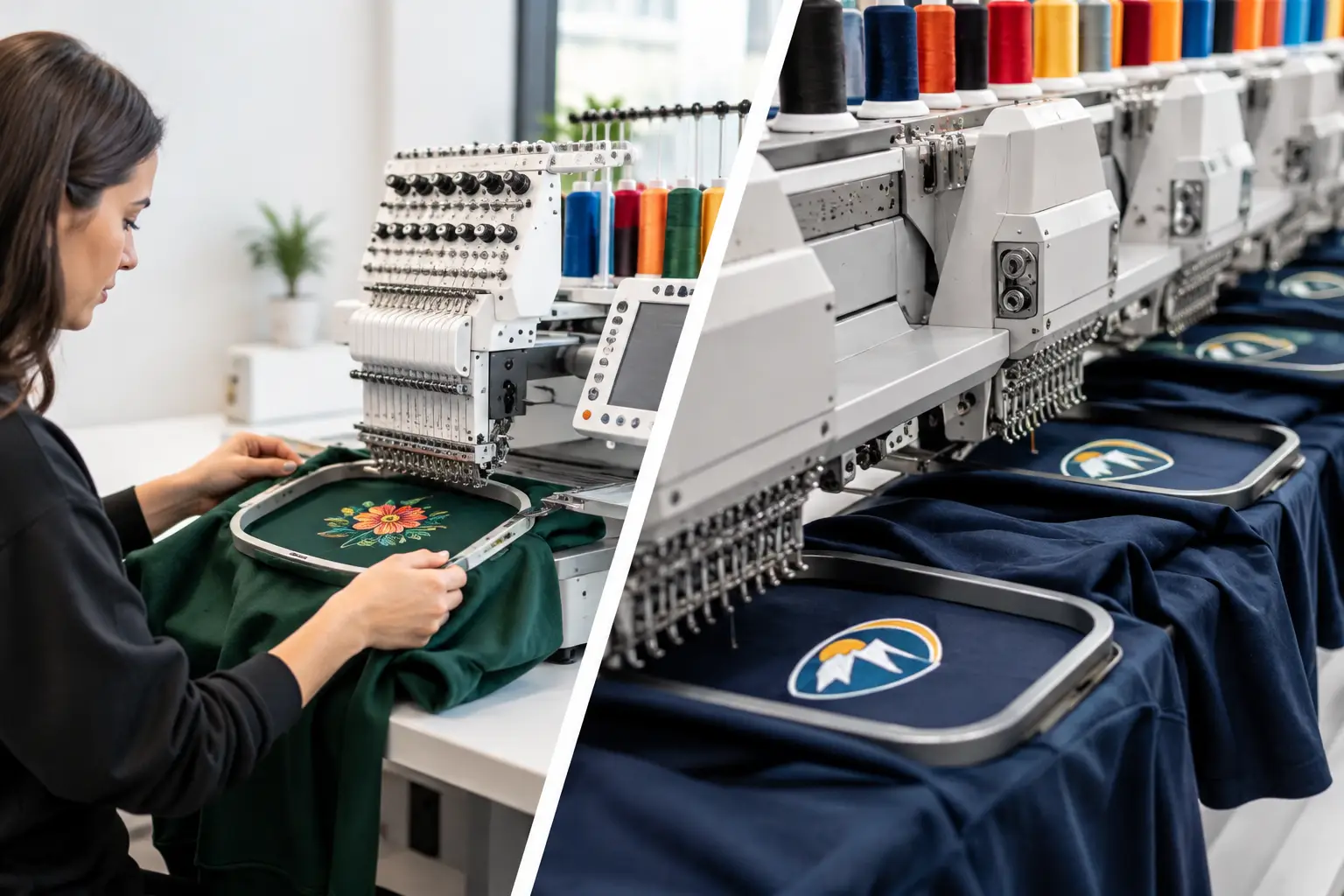
Should You Choose In House or Outsourced Embroidery?
October 4, 2026