

Best Polos for Field Staff and Mobile Teams
- October 6, 2026
- 2:44 am
A field employee’s polo has to work harder than an office uniform. It may spend the morning in a customer’s driveway, the afternoon in a warehouse, and the end of the day in a company vehicle. The best polos for field staff keep employees comfortable through changing conditions while presenting a clean, consistent brand image at every stop.
That means the lowest-priced polo is not always the most cost-effective choice. A shirt that fades quickly, snags easily, or holds sweat can make a polished team look unprepared. The right program starts with the realities of the job: climate, movement, customer contact, safety needs, and how often the garment will be washed.
Start With the Conditions Your Team Faces
Before choosing a color or adding a logo, consider where staff members actually work. A property management team making indoor and outdoor rounds needs something different from a field sales team moving between client meetings. HVAC technicians, installers, delivery crews, healthcare representatives, and event staff each have their own demands.
Hot, humid climates usually call for lightweight performance fabric with moisture-wicking properties. It helps pull perspiration away from the skin so employees feel drier during active work. In dry, sunny regions, breathable fabric and reliable UPF protection can be more valuable than a heavier shirt with a premium feel.
For employees who work in warehouses, equipment rooms, or on job sites, snag resistance deserves close attention. Exposed metal, tools, Velcro, and rough surfaces can quickly damage standard pique knits. A snag-resistant performance polo may cost more at the start, but it often helps uniforms stay presentable longer.
Customer-facing field teams often benefit from a slightly more structured style. A collar that holds its shape, a clean placket, and a fabric with enough weight to drape well create a sharper appearance without making the shirt feel formal. This is especially useful for technicians and representatives who enter homes, offices, or retail locations.
Choose the Right Polo Fabric
Fabric affects comfort, durability, logo appearance, and replacement costs. There is no single best choice for every team, but most field uniform programs fall into three practical categories.
Performance polyester for active work
Polyester performance polos are a strong choice for crews who work outdoors, travel frequently, or move throughout the day. They are typically lightweight, quick-drying, colorfast, and easy to care for. Many styles include moisture management and snag-resistant construction, making them a smart fit for service, logistics, facilities, and maintenance teams.
The trade-off is texture. Some performance fabrics can feel less traditional than cotton or cotton-blend piques. Choose a quality style with a smooth hand and professional drape, particularly if employees regularly meet customers face-to-face. Dark colors also tend to hide minor job-site marks better than light shades.
Cotton-rich pique for a classic uniform look
Cotton and cotton-rich pique polos offer the familiar texture many employees prefer. They are breathable, comfortable, and well suited to sales teams, property staff, hospitality personnel, and organizations that want a classic corporate look.
However, cotton absorbs moisture and can take longer to dry. It may also show perspiration more readily in high heat and require more attention to prevent shrinkage or wrinkling. For lower-activity roles or moderate climates, that trade-off can be worth it for the polished appearance and soft feel.
Blends for balanced everyday wear
Cotton-polyester blends sit between the two. They provide more structure and natural softness than a fully synthetic shirt while improving wrinkle resistance, durability, and drying time over 100% cotton. For a mixed team with some indoor work, customer visits, and light outdoor activity, a blend is often the most versatile option.
The Best Polos for Field Staff Need a Job-Ready Fit
Fit influences whether employees will actually wear the uniform confidently. A shirt that pulls across the shoulders restricts movement. One that is too long or loose can look untidy and catch on equipment. The goal is a practical, professional fit that accommodates a broad range of body types.
Offer a full size range and, when possible, more than one fit option. Men’s, women’s, and unisex sizing should be reviewed carefully because size labels vary by brand. Request a sizing chart early and encourage staff to measure a favorite shirt rather than guess. A small amount of planning prevents costly exchanges and delayed rollouts.
Pay attention to sleeve length and side vents as well. Sleeves should allow arm movement without riding up, while side vents can improve comfort when bending, reaching, or getting in and out of vehicles. For employees who tuck in their shirts, select a style with enough body length to stay put through a full shift.
Build Durability Into the Uniform Program
A field polo should still look good after repeat washing. Look for reinforced seams, dependable collar construction, quality buttons, and fabric engineered to resist pilling, fading, and snags. These details are easy to overlook in a product photo, yet they have a direct effect on how long the uniform represents your company well.
Color selection matters, too. Navy, charcoal, black, and deep blue are reliable choices for hardworking teams because they maintain a consistent appearance and pair easily with work pants. Brighter colors can support brand recognition or visibility, but consider how they will look after frequent laundering and exposure to dust, grease, or sunscreen.
If safety is part of the job, start with the required visibility standard rather than treating color as a branding decision. A standard bright polo is not automatically compliant safetywear. Field staff working near traffic, machinery, or active construction areas may need dedicated high-visibility apparel and reflective elements based on their work environment.
Plan the Logo Around the Garment
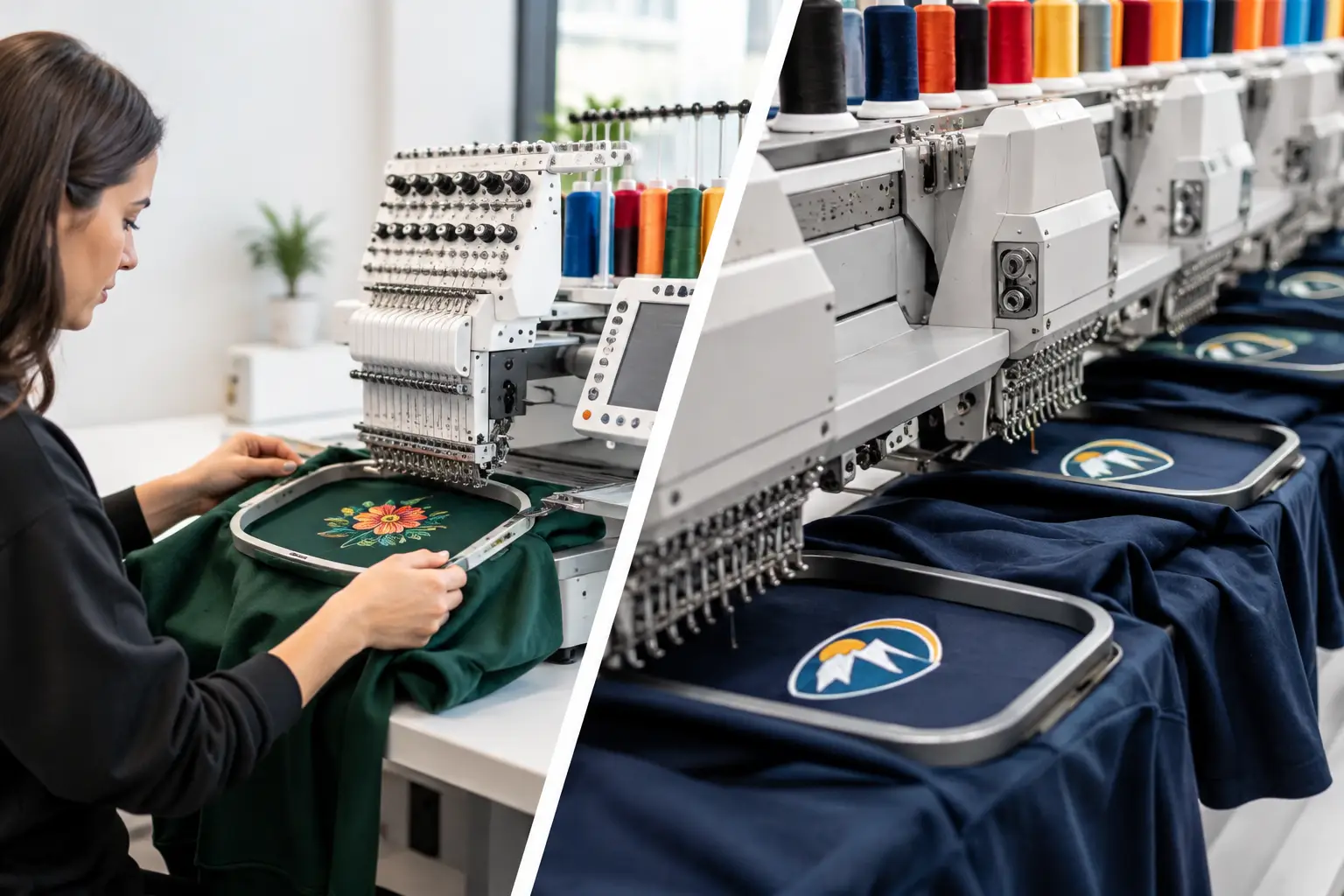
A great polo can lose its impact if the decoration is undersized, poorly placed, or mismatched to the fabric. Embroidery remains a popular choice for left-chest logos because it creates a dimensional, long-lasting finish with a professional uniform appearance. It works especially well for company names, simple marks, and established corporate branding.
For detailed artwork, small lettering, or large back graphics, screen printing may offer a cleaner result. Some performance fabrics also benefit from decoration methods selected specifically for their stretch, weight, and texture. The best approach depends on the logo itself as much as the shirt.
Keep the design easy to recognize from a normal conversation distance. A logo that looks sharp on a computer screen may not read clearly when reduced to a small left-chest placement. Supplying usable artwork and reviewing a digital proof before production helps protect brand consistency across every size and reorder.
Order for the Full Life of the Program
Uniform purchases are rarely one-time events. New hires arrive, seasons change, and high-wear roles need replacements. Select a polo line with dependable availability so future orders can match the original program as closely as possible. This is particularly important for organizations with multiple locations or recurring hiring needs.
It is also wise to order a modest range of spare sizes with the initial run. Having a few extras on hand gives managers a fast answer when someone starts unexpectedly or needs a replacement before the next scheduled order. For larger teams, an organized company apparel store can simplify approved styles, logo placement, budget controls, and reordering.
A reliable decoration partner should help you evaluate garment options, prepare artwork, confirm logo placement, and provide a proof before production begins. With in-house embroidery, digitizing, screen printing, and USA-based production, LOGO USA helps businesses move from polo selection to a finished, consistent uniform program with clear accountability.
A Practical Buying Checklist
When comparing polos, make the decision against the work rather than the catalog description. Confirm that the shirt meets your team’s needs for:
- Moisture management and breathability for active or hot-weather roles
- Snag, fade, and wrinkle resistance for frequent field use
- A professional fit with sizes that work across the entire team
- Appropriate sun protection or required safety features
- Decoration compatibility for your logo and planned placement
- Repeat availability for new hires and replacement orders
The right field polo should make employees feel equipped, not overdressed or uncomfortable. Choose a garment that holds its color, carries your logo with pride, and performs through the workday, and every customer interaction becomes another chance to reinforce confidence in your brand.
Popular Blogs
Should You Choose In House or Outsourced Embroidery?
October 4, 2026