How to Order Company Uniforms Right
- May 1, 2026
- 1:18 am
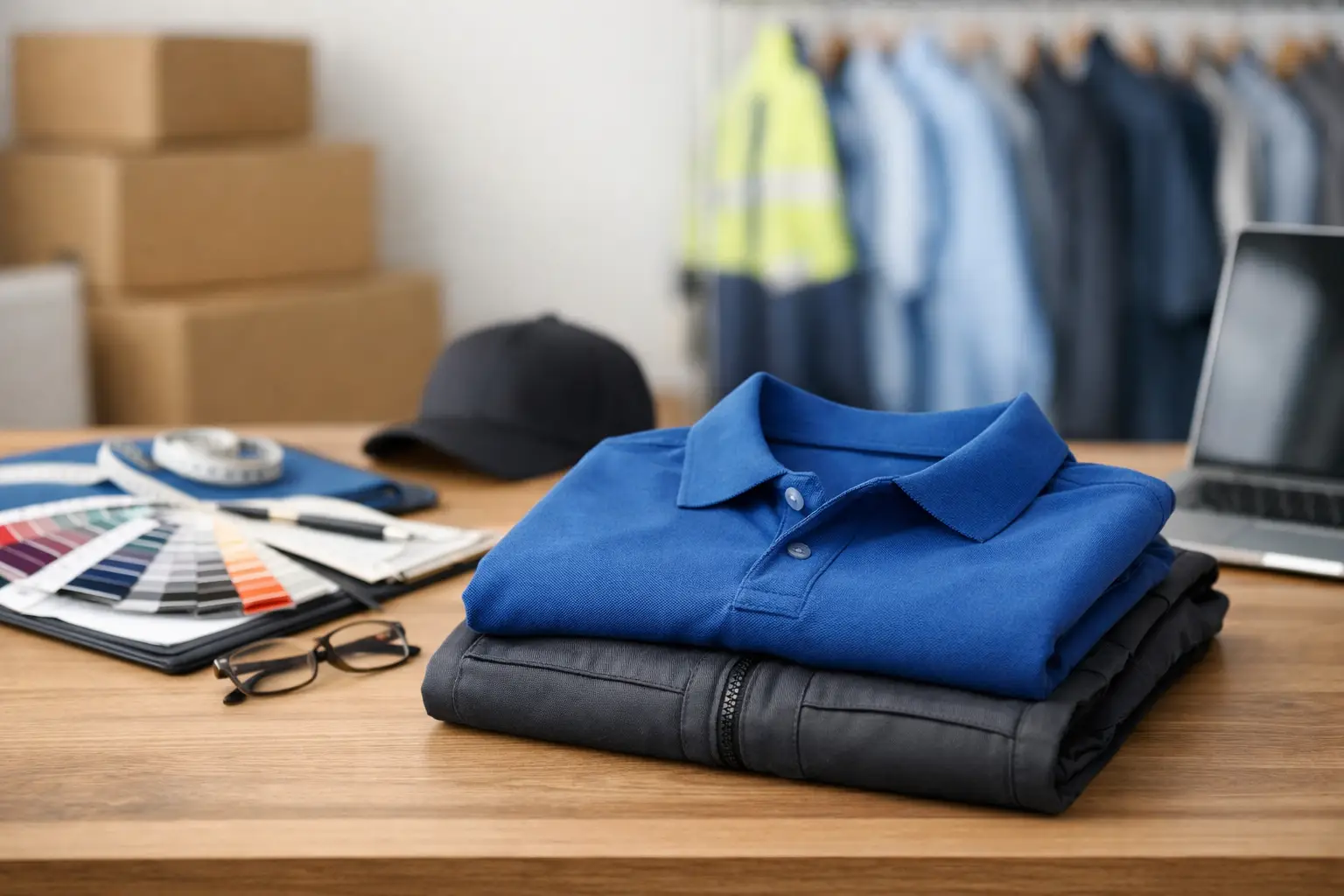
A uniform order usually looks simple until the real questions start. Who needs men’s, women’s, tall, or extended sizes? Will the logo stitch cleanly on polos and jackets? Do you need the same look across office staff, field teams, and event crews? If you are figuring out how to order company uniforms, the fastest way to get it right is to treat it like a branding and operations decision, not just an apparel purchase.
The best uniform programs balance appearance, durability, comfort, and repeatability. That matters whether you are outfitting a small front desk team or building a larger apparel program across multiple departments. A polished uniform strengthens brand perception, helps employees look consistent, and removes guesswork from daily dress expectations. But good results depend on making a few decisions in the right order.
How to order company uniforms without costly mistakes
Start with the job, not the garment. A sales team meeting clients indoors needs something different than a warehouse crew working in changing temperatures. If your team is active, outerwear, moisture-wicking polos, work shirts, and caps may all belong in the same program. If your staff is customer-facing in an office or hospitality setting, softer polos, button-downs, sweaters, and lightweight layers may be the better fit.
This is where many buyers overspend or end up with low adoption. They choose one item because it looks good in a product photo, then discover it does not work across roles, climates, or body types. A better approach is to define where the uniforms will be worn, how often they will be washed, and what kind of impression they need to create. Professional, rugged, premium, approachable – each of those points to different brands, fabrics, and decoration methods.
Once the use case is clear, decide whether you need one uniform standard or a coordinated collection. One standard works well for smaller teams and simple reorder cycles. A coordinated collection is often better for growing companies because it allows variation without losing consistency. For example, your office team may wear embroidered polos, your field staff may need durable workwear, and supervisors may add branded outerwear. The colors, logo placement, and overall presentation stay aligned even if the garments differ.
Choose apparel that fits your brand and your workday
Brand fit is not just about logo colors. It is about whether the garment quality matches how you want your company to be perceived. A premium service brand usually benefits from better fabric, cleaner silhouettes, and more refined decoration. A labor-intensive environment may need tougher materials, higher visibility options, and workwear brands known for durability.
This is also the point where recognized apparel brands can help. Established names in polos, outerwear, caps, and workwear usually offer better consistency across sizing, fabric performance, and reorder availability. That matters more than many buyers expect. If you plan to reorder every quarter or add new hires throughout the year, continuity becomes a real operational advantage.
Comfort deserves more attention than it usually gets. Employees are much more likely to wear uniforms correctly and consistently when the garments feel good for a full shift. Fabric weight, stretch, breathability, and layering options all affect adoption. If a shirt is too stiff, too hot, or too boxy, it may still look good on day one and then disappear into lockers and desk drawers by week two.
Sizing is where planning pays off
Uniform orders often go wrong at the sizing stage, not the branding stage. If you are ordering for a mixed team, plan for men’s, women’s, tall, and extended sizes from the beginning. Do not assume one unisex style will satisfy everyone. It may simplify ordering on paper, but it can create a poor fit in practice.
If your team is small, collecting sizes individually is manageable and worth the effort. If your team is larger, organize the order by department and assign one internal point of contact to confirm names, sizes, and quantities. That extra step reduces costly exchanges and prevents delays before production even starts.
Pick the right decoration method
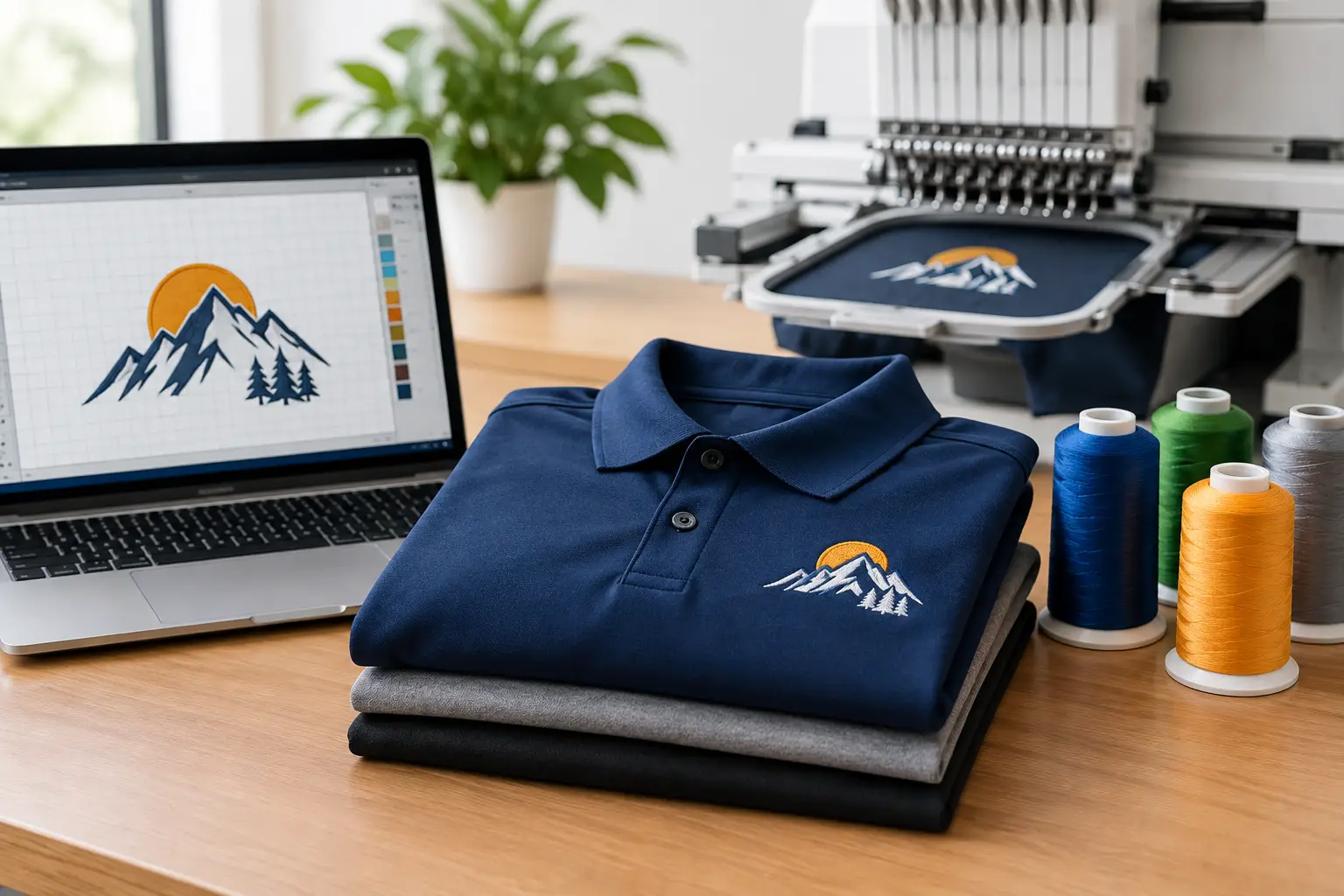
For most company uniforms, embroidery is the standard choice because it delivers a polished, durable finish. It works especially well on polos, jackets, caps, work shirts, and outerwear where a professional, long-term look matters. Embroidery adds texture and presence, but it does have limits. Very small text, tight gradients, and highly detailed artwork may need adjustment before they stitch cleanly.
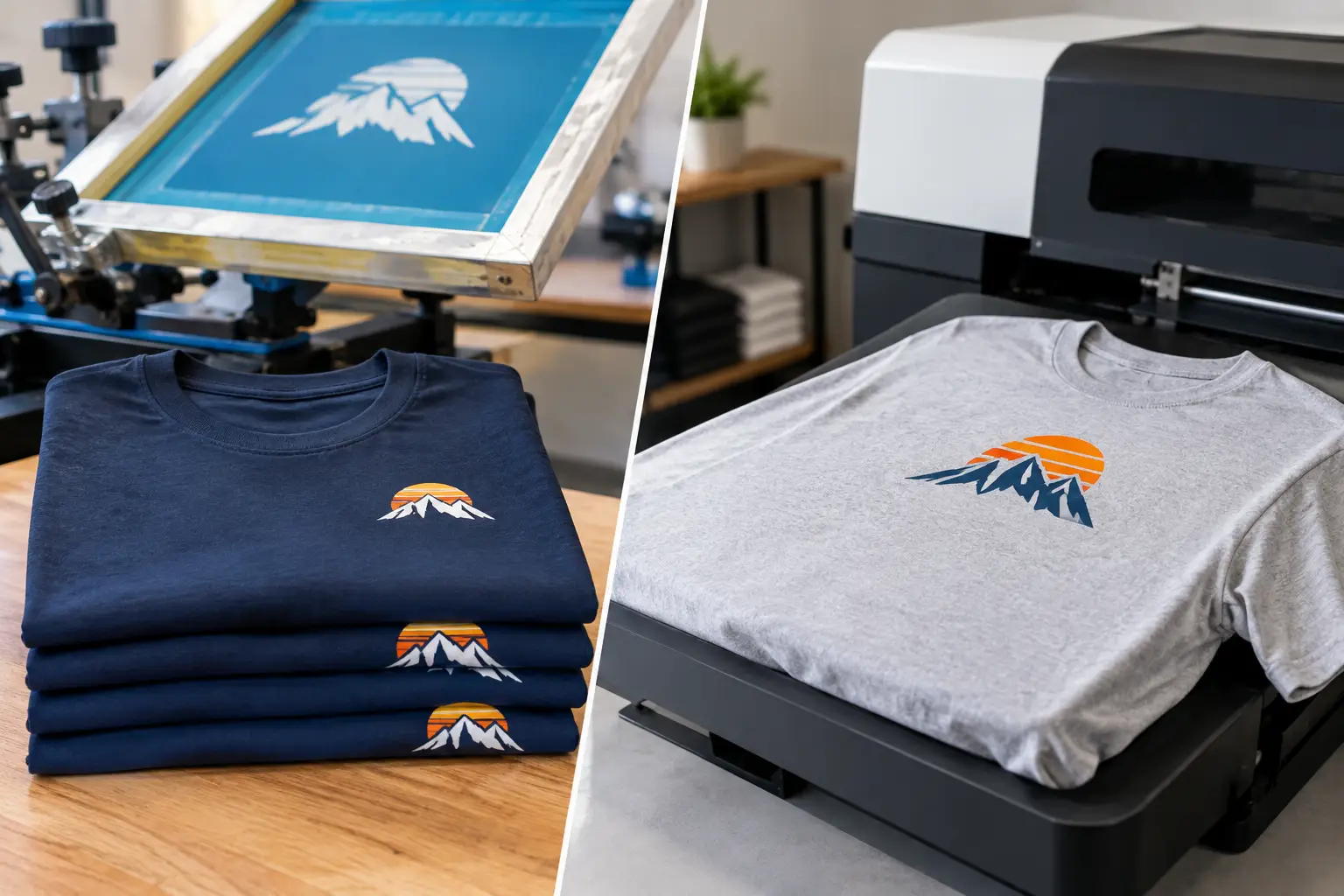
Screen printing is often a better fit for t-shirts, event apparel, and larger logo placements. It can be more economical for bigger runs and works well when the design is bold and straightforward. The trade-off is that it creates a different visual effect than embroidery. If your goal is a corporate uniform look, embroidery usually communicates a more finished presentation.
Artwork quality matters here. A supplier with in-house digitizing, proofing, and production oversight can catch issues before they become expensive mistakes. That includes logo placement, stitch count, thread color matching, and design readability across different garment types. A logo that looks great on a fleece jacket may need a slightly different treatment on a cap or lightweight polo.
Approve the proof carefully
Digital proofing speeds up the process, but it should still be reviewed with care. Check placement, size, thread or ink colors, and garment color combinations. If your company has brand standards, compare the proof to them before approval. This is the moment to fix details, not after the order is in production.
Build the order around budget and reorder needs
A good uniform order is not just about the first shipment. It should also support reorders, new hires, seasonal updates, and occasional replacement pieces. That is why the cheapest product is often not the best value. If it wears out quickly, fits poorly, or disappears from inventory, you may end up rebuilding the program sooner than expected.
A smarter budgeting approach is to separate must-have items from optional layers. Your core uniform may be two polos and one outerwear piece, while caps, fleece, and tees become add-ons based on role or season. This gives you flexibility without weakening the uniform standard.
Think through quantity planning as well. Ordering too tightly can create problems if you onboard new employees next month or need extras for trade shows and customer-facing events. Ordering too broadly can tie up budget in the wrong sizes or styles. The right balance depends on turnover, seasonality, and whether your business has recurring hiring cycles.
For companies with ongoing uniform needs, a more structured apparel program can make future ordering much easier. Instead of rebuilding every order from scratch, you standardize approved products, logo treatments, and colorways so reorders stay fast and consistent.
Turnaround time matters more than most buyers expect
Uniform timing affects more than delivery dates. It impacts onboarding, events, branch launches, and team readiness. If you need apparel for a launch, conference, safety rollout, or new location opening, build in enough time for product selection, art preparation, proof approval, and production.
Fast production is valuable, but speed without quality control creates problems. You want a partner that can move quickly while still managing decoration in-house and keeping visibility on the process. That level of production control usually means fewer surprises and more consistent results across repeat orders.
If your order includes multiple garment types, specialty brands, or several departments, expect a little more coordination. That is normal. The key is to finalize artwork, quantities, and sizes early so the production timeline stays on track.
Work with a supplier that can scale with you
If you are learning how to order company uniforms for the first time, it helps to think beyond this immediate order. The best supplier is not just someone who can decorate a shirt. It is a production partner that can help you choose the right apparel, prepare your logo correctly, maintain quality standards, and support repeat orders as your team grows.
That becomes especially important when different departments need different garments but still need one cohesive look. Reliable proofing, in-house embroidery or printing, dependable turnaround, and strong product knowledge all help protect your brand. For many business buyers, that support is what turns uniform ordering from a recurring headache into a manageable system. LOGO USA is built around that model, with USA-based production, premium decoration, and practical support for both straightforward orders and larger branded apparel programs.
The right uniform order should feel organized from the start and polished the moment your team puts it on. When you choose with the workday, the brand, and the reorder cycle in mind, company uniforms stop being one more task to manage and start doing what they should – making your business look ready.
Popular Blogs
What File Formats Does Embroidery Accept?
October 12, 2026