

Corporate Apparel Sizing That Gets Ordered Right
- October 2, 2026
- 2:52 am
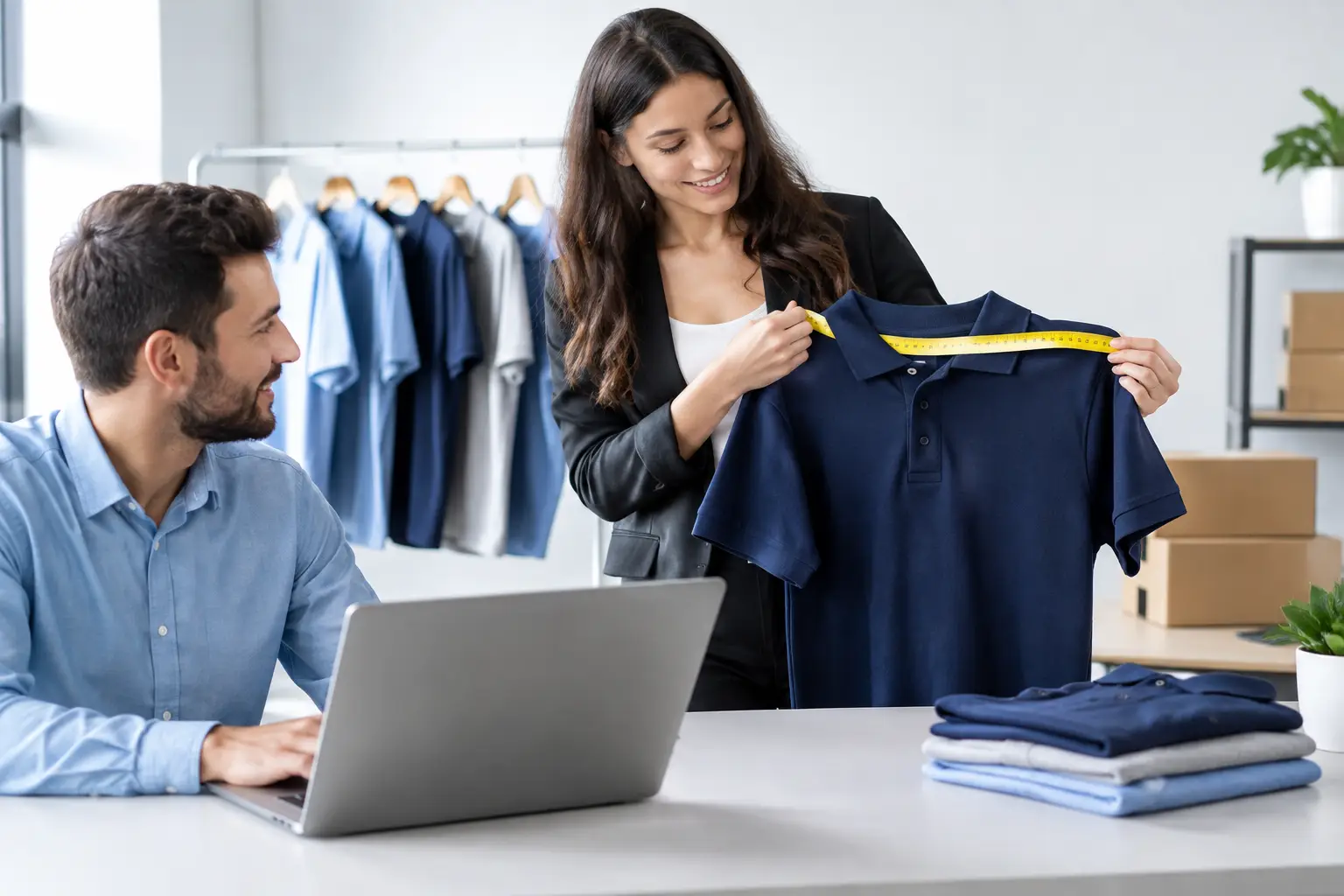
A polished uniform program can lose its impact quickly when polos pull across the shoulders, jackets cannot close over work layers, or employees receive shirts that feel nothing like the size they wear at home. Corporate apparel sizing is not a small ordering detail. It affects employee comfort, day-to-day wear rates, reorder costs, and the professional consistency your brand is meant to create.
The goal is not to find one shirt that fits everyone. It is to build an ordering process that gives each person a credible fit choice while keeping the program easy to manage. That takes the right garments, clear size information, and a little planning before decoration begins.
Why corporate apparel sizing deserves more attention
Branded apparel is a working part of your company image. Employees wear it at customer sites, trade shows, retail counters, warehouses, and team events. When it fits well, it feels like a benefit rather than a requirement. People are more likely to wear it regularly, which gives your logo more consistent visibility.
Poor fit creates the opposite result. Staff may avoid the garment, request exchanges, or wear it only when required. For an office administrator, HR manager, or procurement team, those individual fit problems can become an operational headache after a large order has already been decorated.
Sizing also varies more than many buyers expect. A medium in a relaxed-fit work shirt is not the same as a medium in a performance polo. A unisex hoodie may fit differently from a women’s-cut fleece, even when both are from the same apparel brand. Fabric weight, stretch, intended use, and garment construction all shape the final fit.
That is why a reliable sizing process should begin before a logo is placed on a garment. Decoration makes apparel distinctly yours, but it also makes exchanges more limited. A thoughtful size plan protects your budget and helps your team receive apparel they will actually want to wear.
Start with the job, not the size chart
Before selecting sizes, decide what the garment needs to do. A customer-facing polo for a showroom team has different fit requirements than a heavyweight sweatshirt for a construction crew or a packable jacket for an outdoor event staff.
Consider the work environment first. Employees in active roles may prefer performance fabrics with stretch and room through the shoulders. Teams working in cooler conditions need outerwear sized to fit over layers. Office staff may favor a more tailored silhouette, while field teams may need durable workwear with a relaxed cut that supports movement.
Season matters, too. A lightweight quarter-zip intended for spring events can be selected closer to a standard fit. A winter jacket should account for base layers, fleece, or a hoodie underneath. Asking someone to size up without considering the garment itself can create a loose, unprofessional appearance, so use the garment’s measurement chart as the starting point.
Brand selection plays a role as well. Recognized apparel brands often have consistent construction, but each collection can have its own fit profile. A fashion-forward polo may run trimmer than a traditional uniform polo. A workwear jacket may be roomier by design. Product descriptions and garment measurements should guide the choice rather than assumptions based on a label size alone.
Build a corporate apparel sizing plan before ordering
The most effective process combines employee input with clear internal direction. Start by choosing the specific garment or a small, approved group of garments. Sending a broad catalog to employees usually produces inconsistent selections, budget surprises, and more work for the person managing the order.
Once garments are selected, provide the corresponding size chart and explain how to use it. Chest, waist, sleeve, and body-length measurements are more dependable than asking employees what size they normally wear. Encourage people to measure a favorite garment that fits well, laid flat, then compare those measurements to the product chart. This approach is especially useful for employees who are between sizes or who have had fit issues with uniforms in the past.
For larger programs, create one size collection form with the employee name, selected garment, preferred size, and any fit notes. A simple note such as “needs room for layering” or “prefers a longer length” gives the order manager useful context before production. It is much easier to resolve a question during the approval stage than after decorated apparel has shipped.
If your program includes both men’s and women’s styles, label the options clearly. Do not assume employees will understand whether a garment is unisex, men’s, women’s, fitted, classic, or relaxed. Clear naming prevents accidental selections and supports a more inclusive apparel program.
Use samples when the order is high-stakes
A sample is often worth the extra planning when ordering for a new uniform launch, a leadership group, a customer-facing team, or a large workforce. It allows decision-makers to check fabric, color, fit, logo placement, and overall appearance before the full quantity is produced.
Samples are particularly valuable when a team is choosing between a performance fabric and a cotton blend, comparing outerwear options, or introducing a new brand. One garment can look excellent in a digital image but feel too lightweight, too fitted, or too short when worn. A physical review gives your team a more confident final decision.
For recurring programs, keep notes from each order. If a particular polo is consistently praised for its fit, make it a preferred option. If a jacket results in frequent size changes, consider a different cut for the next season. Over time, these records turn corporate apparel sizing from a recurring challenge into a predictable system.
Know the fit differences that drive exchanges
Several common fit issues appear repeatedly in branded apparel orders. Understanding them helps you ask better questions before selecting products.
Unisex garments are often a practical choice for event shirts and casual team wear because they simplify ordering. However, they may feel broad through the body or long through the sleeves for some wearers. Offering a women’s companion style can improve comfort and presentation when the garment will be worn regularly.
Performance apparel may have a closer, more athletic profile than traditional cotton apparel. Stretch can improve mobility, but it does not always mean the wearer should size down. Review the cut and measurements, especially for polos, quarter-zips, and moisture-wicking shirts intended for professional use.
Outerwear requires the most context. A jacket worn as a final layer should allow room for the clothing beneath it. The right size depends on whether employees will wear it over a T-shirt, a button-down, or a sweatshirt. For this reason, outerwear programs benefit from samples or fit sessions more than most categories.
Workwear is often cut for durability and movement, not a tailored appearance. That can be exactly right for crews who bend, reach, lift, or work outdoors. The trade-off is that a roomier garment may not suit a more formal front-office setting. Matching the cut to the role is more effective than trying to make one style serve every department.
Make size collection easy for employees
Employees are more likely to provide accurate information when the request is simple and deadline-driven. Give them the final garment choices, the relevant size chart, and a clear date to submit their selections. Avoid asking them to choose from too many colors, cuts, and brands unless those choices are necessary to the program.
It also helps to state the intended fit. Tell employees whether the garment is meant to be a relaxed work layer, a standard professional polo, or a closer-fitting performance piece. That one piece of context can prevent people from ordering based only on the size printed on a shirt they own.
For on-site teams, a scheduled fitting session can be the most dependable method. Bring approved sample sizes, let employees try them on over the clothing they normally wear to work, and record selections immediately. This is especially useful for jackets, safetywear, and uniforms that employees will wear through long shifts.
Remote teams need a different approach. Share measurement instructions and allow a brief window for questions before finalizing the order. If the budget permits, send samples to regional managers or offer a limited sample set for new hires. The right process depends on headcount, geography, and how often employees will wear the apparel.
Avoid the sizing shortcuts that cost more later
Ordering only the most common sizes may seem efficient, but it can leave employees without a workable fit and force a second decorated order. The same is true of relying on last year’s size list without confirming changes. Employees change roles, preferences, and fit needs, while product availability and styles can change as well.
Another mistake is treating size charts as optional. Garment measurements are the most useful information available before an order is produced. Make them part of the approval process, particularly when buying a new style or ordering for a large group.
Finally, do not wait until artwork approval to raise fit questions. Logo size and placement, thread or ink colors, and garment quantities all matter, but fit is what determines whether the finished product becomes part of the daily uniform. Address sizing alongside product selection, not as an afterthought.
Partner with a team that understands the full order
A custom apparel provider should be able to help you balance appearance, durability, decoration method, and fit. At LOGO USA, that means pairing trusted apparel options with in-house customization and practical guidance before production begins. The best recommendation is not always the most expensive garment or the most popular style. It is the one that fits your workforce, work environment, brand standards, and reorder plan.
When you make the next apparel decision, start by asking how the garment will be worn and who needs to wear it. A few clear answers, a reliable size chart, and the right sample can turn a complicated group order into apparel your team is comfortable representing every day.
Popular Blogs
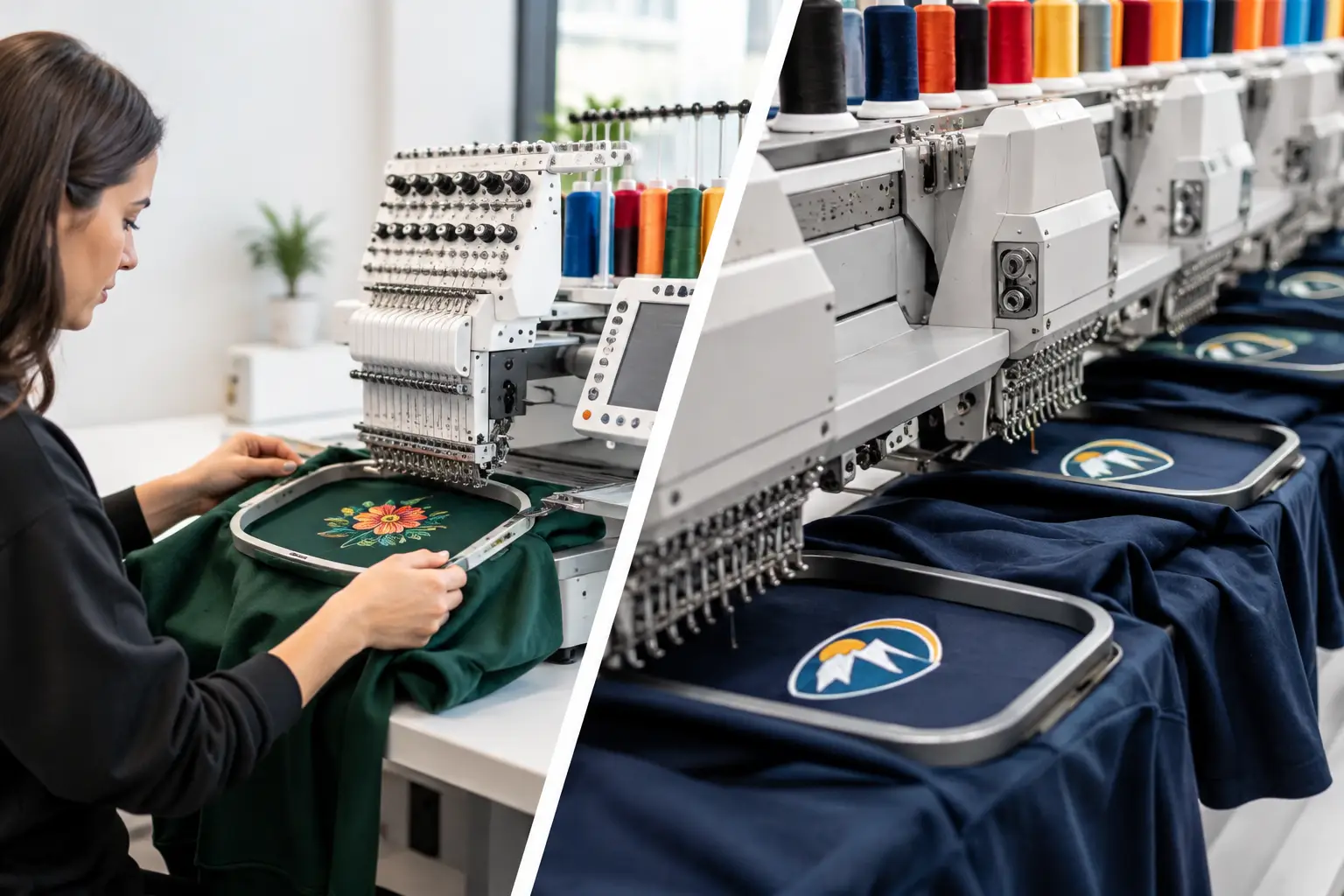
Should You Choose In House or Outsourced Embroidery?
October 4, 2026