Custom Uniforms vs Off the Shelf
- June 12, 2026
- 2:00 am
A uniform decision usually looks simple until the order is on the line. You need staff to look consistent, feel comfortable, and represent your brand well. That is where the real difference between custom uniforms vs off the shelf becomes clear. One option gets apparel in hand quickly. The other gives you more control over fit, presentation, and long-term brand consistency.
For business buyers, this is not just a style choice. It affects employee confidence, customer perception, reorder accuracy, and total program cost over time. If you are outfitting a front desk team, field crew, hospitality staff, or event team, the right choice depends on how visible your brand is and how often you need to reorder.
Custom uniforms vs off the shelf: what is the difference?
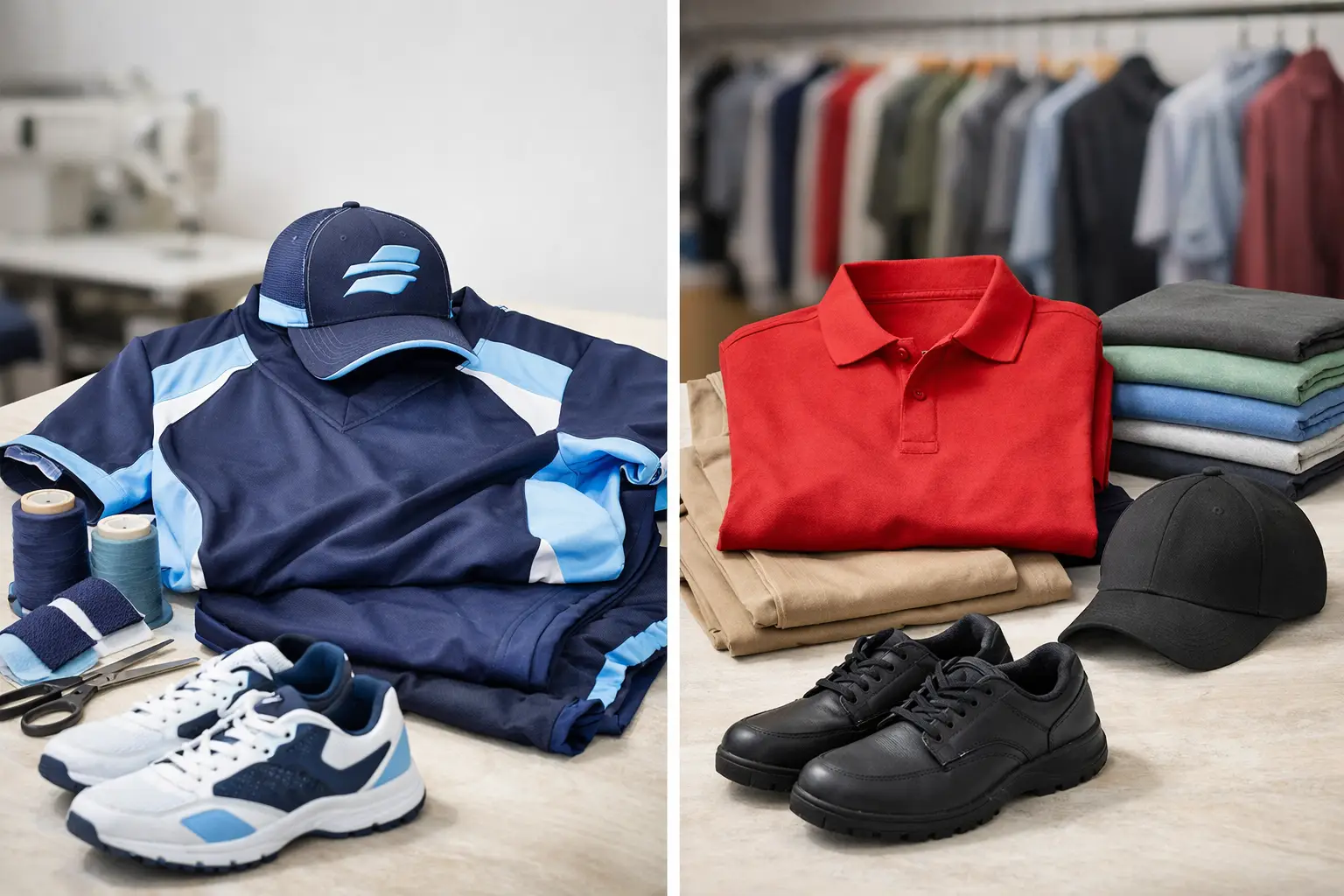
Off-the-shelf uniforms are pre-made garments sold in standard colors, fits, and sizes with little to no modification beyond basic logo application. They work well when speed and simplicity matter most. You choose an existing item, add embroidery or print if needed, and move forward.
Custom uniforms go further. In some cases, that means selecting premium retail or workwear brands and decorating them to match your identity with consistent logo placement, thread colors, and print methods. In more advanced programs, it can also mean building a coordinated apparel package across roles, departments, climates, or locations so every piece works together.
That distinction matters. Many buyers hear “custom” and assume it means expensive or complicated. In practice, custom often means controlled. You are not guessing whether one department ordered the right shade of blue polo or whether a reorder will match the previous run. You are building a repeatable standard.
Where off-the-shelf uniforms make sense
There is a reason off-the-shelf apparel remains a strong option. It is fast, accessible, and often cost-effective for straightforward needs. If your priority is getting a team dressed quickly for a short-term event, seasonal hiring push, or simple internal use, off-the-shelf can be the practical call.
It also works when brand presentation is important but not highly specialized. A clean polo, cap, or work shirt from a trusted brand with quality embroidery can still look polished and professional. For many small businesses, that is enough to create a unified appearance without adding unnecessary complexity.
Off-the-shelf programs are also easier when team counts change often. If you are onboarding frequently and need common sizes and styles available on demand, using proven stock garments can reduce friction. The key is selecting pieces that are reliable, comfortable, and appropriate for the work environment.
The trade-off is flexibility. You are working within what is currently available. If a style is discontinued, backordered, or offered in a limited color range, your options narrow quickly.
Why businesses choose custom uniform programs
Custom uniform programs are usually driven by consistency and brand standards. When your staff is customer-facing, working across multiple locations, or wearing uniforms daily, presentation becomes part of the experience you deliver.
A custom approach helps you standardize the details that customers notice and employees appreciate. That includes matching logo placement, selecting garments that hold up to repeat wear, and assigning the right apparel to the right job. A warehouse team may need durable workwear and safety colors, while your sales team needs polished polos or outerwear that align with a more refined brand image.
This is also where ordering becomes easier, not harder. Once approved styles, colors, decoration methods, and artwork are set, reorders tend to move faster and with fewer surprises. That level of control is especially valuable for operations teams, HR managers, and procurement leads who need dependable results from one order to the next.
For companies building an apparel program rather than placing a one-time order, customization often reduces headaches later.
Branding impact is not equal
A uniform does more than identify your staff. It signals whether your company is organized, established, and attentive to detail. That is why brand impact should be part of the custom uniforms vs off the shelf conversation.
Off-the-shelf apparel can absolutely support a professional image, especially when paired with clean decoration and strong garment selection. But it may not fully reflect your brand if the available styles, colors, or fits are close rather than right.
Custom programs give you more room to align apparel with how your business wants to be seen. That might mean choosing premium polos for account managers, rugged outerwear for service technicians, or coordinated layering pieces for teams working across seasons. The goal is not to overcomplicate the uniform. It is to make sure every piece supports the same standard.
That consistency becomes even more important at scale. The more locations, departments, or events you manage, the more valuable it is to have a uniform program that looks intentional instead of assembled one item at a time.
Fit, comfort, and job performance
Uniforms that look good in a catalog do not always perform well on the job. Employees notice when shirts run small, outerwear feels bulky, or fabrics do not hold up through long shifts and repeated washing.
Off-the-shelf options can work well here if you choose dependable brands with proven sizing and fabric performance. But the range is fixed. If your team includes different body types, job functions, or climate demands, one standard item may not serve everyone equally well.
A custom program gives you more flexibility to build around real working conditions. You can offer multiple approved styles within the same branded system, such as moisture-wicking polos for active roles, soft shell jackets for outdoor teams, and button-downs for office-facing staff. Employees still look unified, but the apparel fits the work.
That matters more than many buyers expect. Comfortable uniforms are worn correctly, cared for better, and accepted more readily by employees. Poor fit and fabric choices tend to create complaints, replacement requests, and inconsistent wear.
Cost is more than the unit price
The lowest piece price does not always lead to the lowest total cost. Off-the-shelf garments often win on upfront affordability, especially for smaller orders or simple applications. If budget is tight and the need is immediate, that can be the right move.
But long-term cost should include durability, reorder consistency, and administrative time. If a low-cost shirt fades quickly, shrinks unevenly, or needs frequent replacement, the savings disappear. The same is true when buyers have to re-source styles every few months because inventory changes.
Custom programs may carry a higher initial investment, especially when building out approved selections and finalizing artwork standards. Still, they can create better value over time by reducing errors, maintaining appearance, and simplifying repeat ordering.
For many organizations, the smartest choice is not fully one or the other. It is a structured mix. Use off-the-shelf basics where they make sense, then apply custom branding and coordinated selections where visibility and performance matter most.
How to choose the right path for your team
Start with the job, not the garment. Think about who will wear the uniform, how often they will wear it, what conditions they work in, and how closely the uniform reflects your brand promise.
If the need is short-term, basic, or highly price-sensitive, off-the-shelf apparel may be the better fit. If the uniform is part of daily operations, customer trust, or multi-location brand consistency, a more custom approach usually pays off.
It also helps to think beyond the first order. Will you need reorders for new hires? Do multiple departments need different garments under one brand standard? Does your logo need to appear consistently across polos, caps, outerwear, and workwear? Those are signs that a managed customization process adds real value.
An experienced production partner can make that process much easier by guiding apparel selection, decoration method, artwork setup, and proofing before production begins. That is where companies like LOGO USA bring practical value – not just by decorating apparel, but by helping business buyers create a program that is polished, repeatable, and built to last.
The best uniform choice is the one that supports your people, protects your brand, and keeps ordering simple when the next request comes in. If you are deciding between speed and control, remember that the strongest apparel programs usually come from knowing exactly where each one matters most.
Popular Blogs
What File Formats Does Embroidery Accept?
October 12, 2026