USA Embroidery Turnaround Times Explained
- August 15, 2026
- 2:16 am
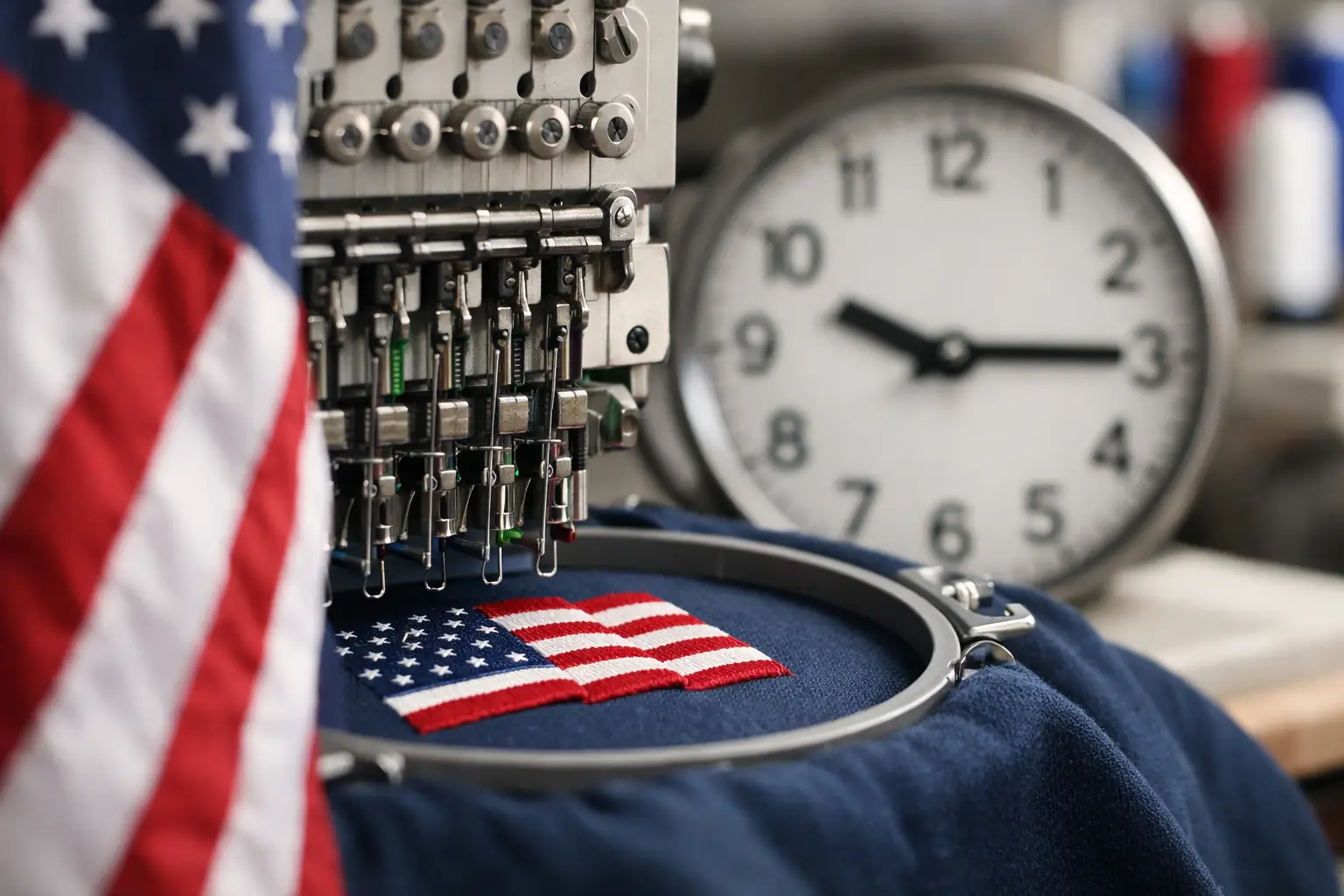
A new-hire uniform program cannot wait on an uncertain production schedule, and neither can an event with a fixed date. Understanding USA embroidery turnaround times helps your team place orders with the right expectations, protect launch dates, and receive polished branded apparel without last-minute compromises.
For most business apparel orders, the clock does not truly start when products are added to a cart. It starts once the artwork is approved and the final order details are confirmed. At LOGO USA, standard production is typically 7-10 business days after art approval, with USA-based production that keeps the decoration process close, accountable, and easier to manage.
What Affects USA Embroidery Turnaround Times?
Embroidery is a detailed production process, not a simple logo transfer. Each item must be hooped, stitched, inspected, trimmed, and prepared for shipment. A dependable timeline reflects the work required to make every polo, cap, jacket, or uniform piece look consistent.
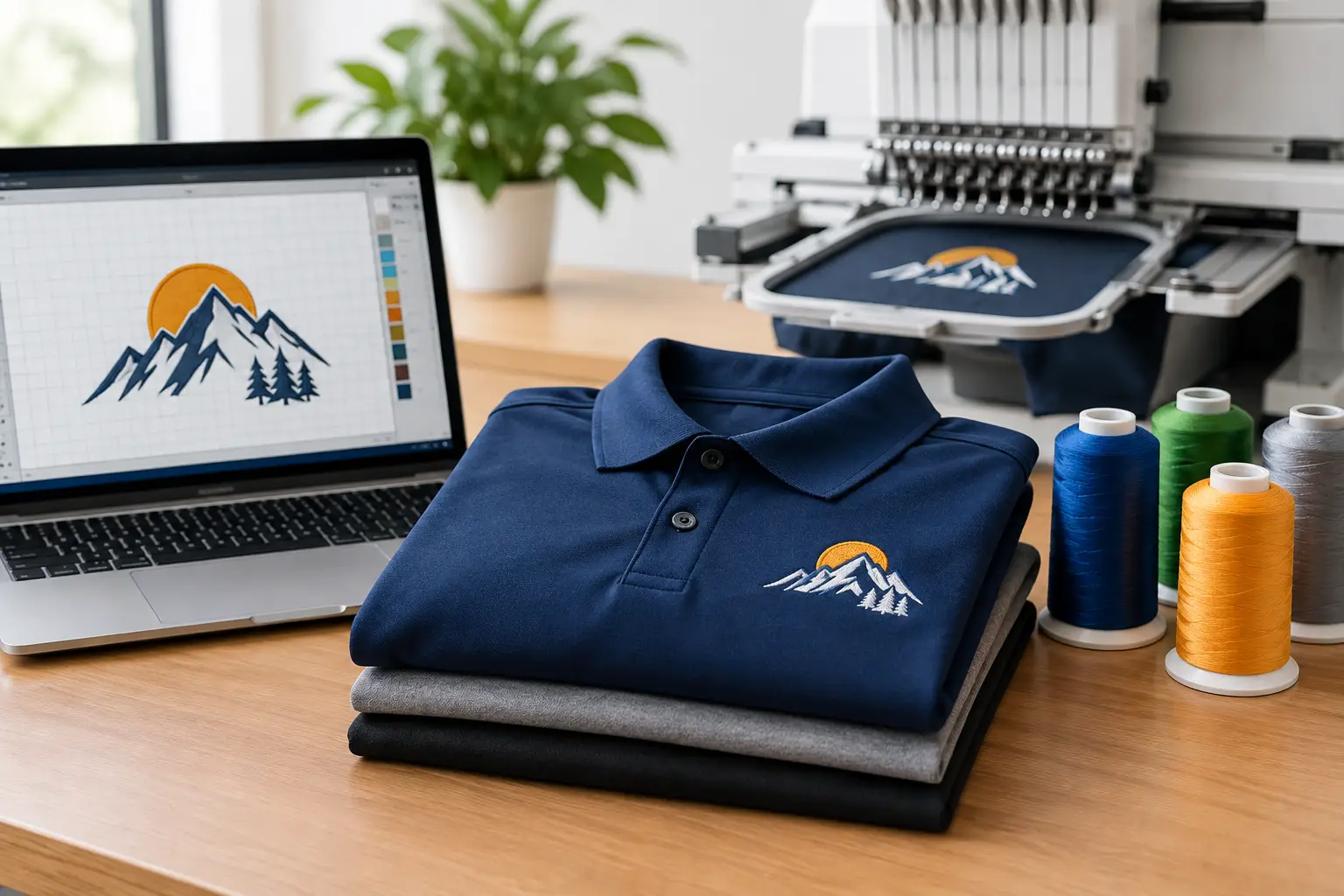
The biggest variable is often the logo itself. Before embroidery can begin, artwork needs to be digitized. Digitizing converts a logo into a stitch file that tells the embroidery equipment where to place every stitch, which thread colors to use, and how the design should run. Clean vector art, such as an AI, EPS, or high-resolution PDF file, can make this stage more efficient. A low-resolution image, a complex illustration, or unclear lettering may require additional review and adjustment.
Proof approval is equally important. A digital proof gives your team the opportunity to verify logo placement, size, thread colors, spelling, and garment details before production begins. This protects the final result, but it also means delayed feedback can move the production window. Assigning one decision-maker to approve the proof is a practical way to keep an order moving.
Order size and product selection also influence timing. A small run of embroidered polos may move differently than a multi-location uniform program with several garment styles, sizes, colors, and logo placements. Specialty outerwear, structured caps, safetywear, and premium brands may require more careful handling or have different inventory availability than standard tees and polos.
The Production Timeline Begins After Approval
It is easy to count turnaround from the day an order is submitted. In practice, a more accurate schedule includes three phases: order setup, art approval, and production. If inventory is available and the artwork is ready, these early steps can be efficient. If a logo needs to be recreated, garment choices need to change, or several stakeholders need to approve the proof, the front end of the order can take longer than expected.
This is why “rush” should not mean skipping quality controls. Producing a logo without a confirmed proof can create a much bigger problem than waiting an extra day for approval. The best embroidery partners balance speed with checks that protect your brand.
How to Plan for Faster Embroidery Production
The most reliable way to shorten the overall ordering cycle is to prepare before the deadline becomes urgent. Begin by working backward from the date the apparel must be in employees’ hands, not the date it needs to ship. Add time for delivery, internal distribution, event setup, and a reasonable buffer for changes.
Share your best available logo files at the beginning. If you have brand standards for approved colors, minimum logo sizes, or placement rules, provide those as well. This reduces avoidable questions during digitizing and proofing. For recurring company uniforms, keep approved artwork and placement specifications on file so reorders can be handled with greater consistency.
Product availability deserves early attention. A popular jacket, a seasonal color, or a specific size range can sell through quickly. Choosing an alternate garment in advance can prevent a stock issue from holding up the entire order. For a large team order, it may also be worth considering whether a single garment style can meet the needs of most recipients. Fewer style variations generally make production and distribution easier to manage.
When the order includes multiple departments or locations, collect the size breakdowns before artwork approval whenever possible. Late changes can affect inventory, decoration counts, and packing requirements. For employee programs that need individual names, titles, or locations embroidered, submit a clearly organized spreadsheet and allow additional time. Personalization adds real value, but every unique line item requires additional setup and verification.
Choose Decoration That Fits the Garment and Goal
Embroidery is an excellent choice for polos, hats, outerwear, workwear, bags, and uniforms where a dimensional, durable finish supports a professional appearance. It is especially well suited to left-chest logos and cap fronts. However, the right method depends on the design and garment.
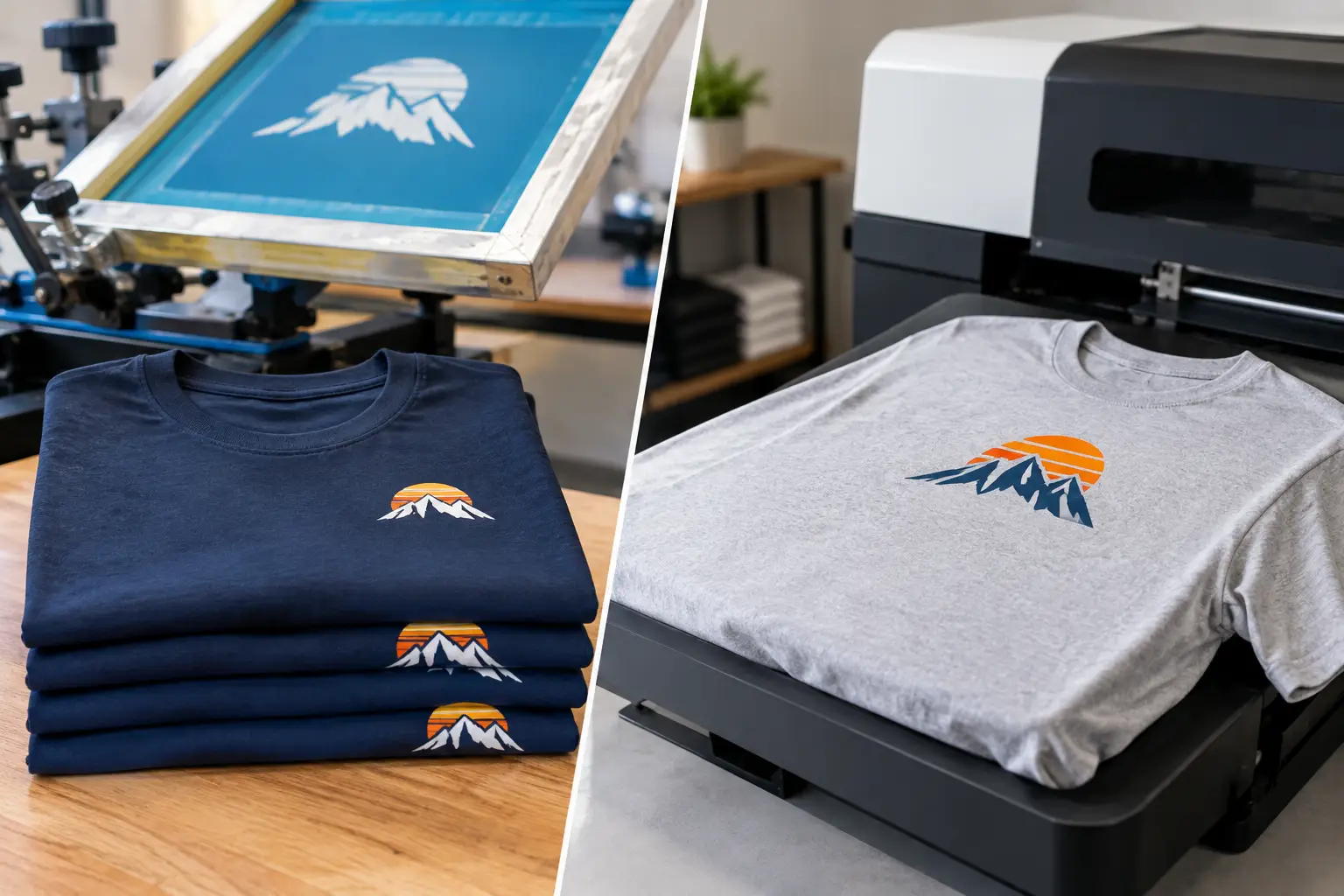
Very large artwork, fine gradients, photographic images, and oversized designs may be better suited to screen printing or another decoration method. A good production partner will help you choose the approach that delivers the clearest result without forcing a design into a process that does not fit. That recommendation can also save time by avoiding revisions after the order is already underway.
Common Timing Scenarios for Business Orders
A straightforward reorder is usually the easiest scenario to plan. When the same logo, garment, placement, and thread colors have already been approved, the production team can focus on confirming inventory and completing the run. This is one reason many organizations standardize core uniform pieces for their teams.
A first-time corporate order needs a little more lead time. The logo may need digitizing, garment selections may need review, and a proof must be approved. That extra attention is worthwhile because it establishes the standard for future orders. Once the details are documented, repeat programs become much simpler to manage.
Event apparel requires the most disciplined calendar. Trade shows, fundraisers, company retreats, and seasonal promotions all have fixed dates, which means there is less room for inventory changes or approval delays. Place the order early enough to accommodate proofing and shipping, especially when the event falls near a holiday or during a high-demand season.
Large or complex programs benefit from a production conversation before ordering. This includes employee stores, national rollouts, multi-brand assortments, and orders requiring individual packaging. The goal is not to make the process complicated. It is to identify the details that affect execution early, when there is time to make smart choices.
Questions to Ask Before You Place an Embroidery Order
A reliable supplier should give clear answers about when production begins, how proofs are handled, whether digitizing is required, and what happens if a chosen item is out of stock. Ask whether the stated turnaround refers to business days, whether it starts after art approval, and how shipping time is handled.
It is also useful to ask about quality control. Embroidered apparel represents your company in front of customers, candidates, and employees. Thread coverage, logo placement, garment handling, and color consistency all matter. Fast service is valuable, but only when the finished apparel still looks like it belongs to your brand.
For recurring orders, ask how approved logos and specifications are retained. A dependable program should make it easier to reorder a familiar polo or add a new employee without re-explaining every production detail. That consistency is especially valuable for organizations with multiple managers placing orders over time.
Build Time Into Your Brand Program
The best turnaround time is the one you can count on. A 7-10 business day production window after art approval gives businesses a clear planning standard, while careful digitizing, proofing, and in-house embroidery protect the quality of the final piece.
If your apparel has a hard deadline, start with the delivery date, provide complete artwork and sizing information, and approve the proof promptly. That approach gives your production partner the room to do what matters most: create branded apparel your people will be proud to wear.
Popular Blogs
What File Formats Does Embroidery Accept?
October 12, 2026