Custom Logo Polos for a Sharp Brand Image
- May 7, 2026
- 1:57 am
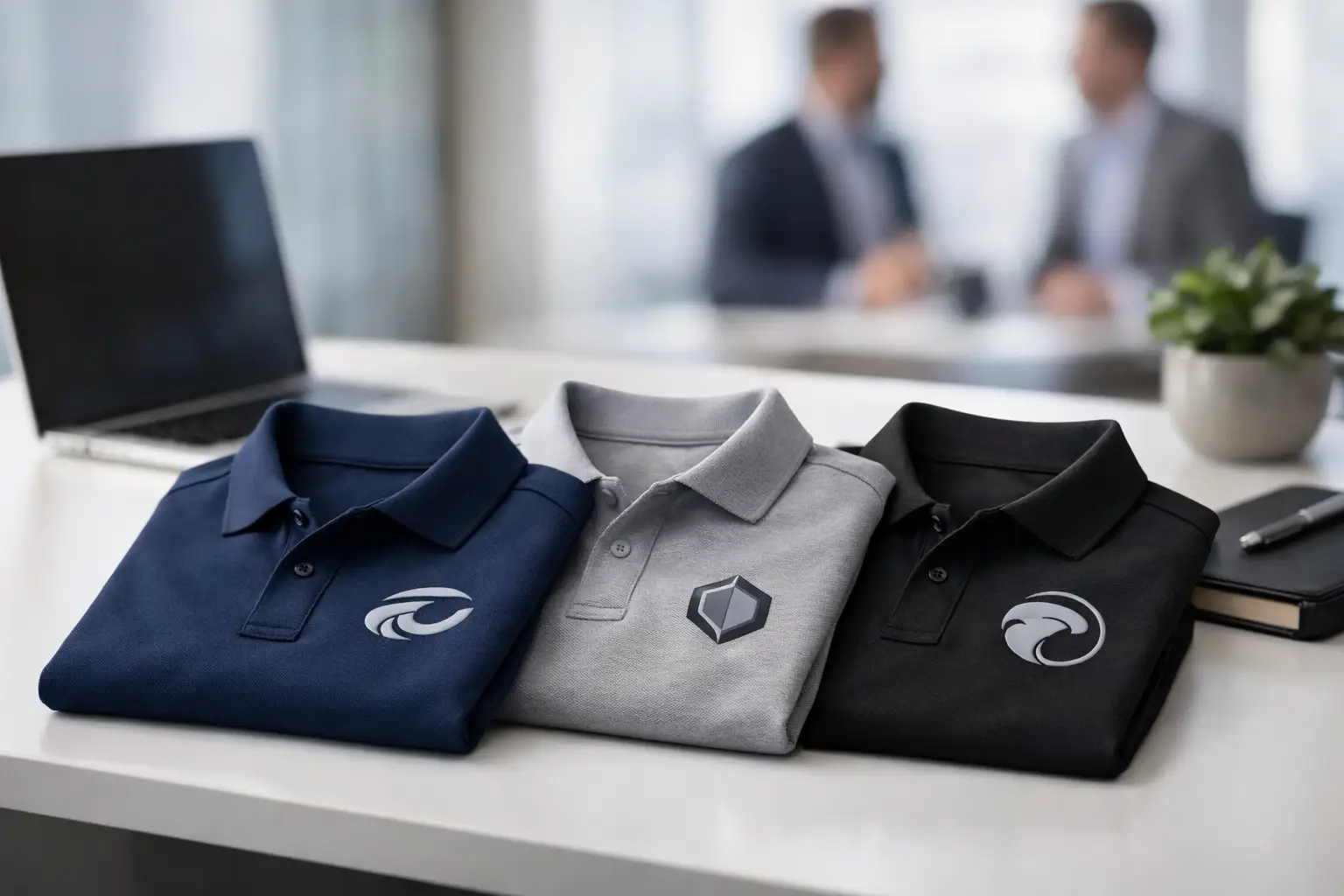
A wrinkled event tee can make your team look thrown together. A well-made polo with clean embroidery does the opposite. Custom logo polos help employees, sales teams, and event staff look professional without feeling overdressed, which is exactly why they remain one of the most reliable choices in branded apparel.
For business buyers, polos sit in a useful middle ground. They are more polished than a basic t-shirt, more comfortable than traditional office wear, and versatile enough for trade shows, field visits, client meetings, front desk roles, and everyday staff uniforms. That flexibility matters when you need one apparel program to work across departments, locations, and seasons.
Why custom logo polos work so well for business use
The biggest advantage is consistency. When your team wears matching polos with a well-placed logo, your brand shows up the same way across every customer touchpoint. That can strengthen trust in subtle but important ways. A clean uniform tells customers your business is organized, established, and accountable.
Polos also offer practical value beyond appearance. They tend to photograph well at events, they layer easily under jackets or outerwear, and they work across a wide range of body types and job functions. For companies trying to simplify ordering, that matters. You are not choosing a fashion statement. You are choosing a dependable branded garment that people will actually wear.
There is also a durability factor. A quality polo made from performance fabric, cotton blend, or pique knit can hold its shape and color through repeated washing better than many low-cost promotional garments. If your team wears branded apparel every week, replacement cycles and long-term presentation become part of the purchasing decision.
Choosing the right custom logo polos
Not every polo is right for every use case. The best choice depends on where it will be worn, how often it will be washed, and what impression your brand needs to make.
Start with the job the polo needs to do
If the shirts are for office staff, client-facing sales teams, or conference use, a refined style with a smoother finish often makes sense. These polos look cleaner with embroidery and pair well with slacks or khakis. If the shirts are for warehouse supervisors, field technicians, hospitality teams, or event crews, moisture-wicking performance fabrics may be a better fit because they handle heat, movement, and repeated wear more effectively.
This is where many buyers get stuck. They shop by price first and only later realize the fabric, fit, or finish does not match the work environment. A lower-cost shirt can still be the right choice, but only if it supports the actual use. For a staff uniform program, comfort and durability often matter more than saving a few dollars upfront.
Fabric affects both appearance and wearability
Pique polos have a classic textured look and tend to feel familiar and dependable. Jersey polos are smoother and can appear slightly more modern. Performance polos are popular because they resist moisture and often hold up well in active settings. Cotton-rich options can feel soft and substantial, while polyester blends usually offer easier care and better color retention.
There is always a trade-off. Cotton can feel premium but may wrinkle more easily. Performance fabrics are practical but can vary in hand feel depending on the brand and fabric weight. The best answer depends on whether your priority is comfort, polish, easy maintenance, or long wear.
Fit matters more than many buyers expect
A strong logo cannot fix a poor fit. If a polo is too boxy, too short, or too clingy, employees may avoid wearing it. That affects the success of the entire program. Offering both men’s and women’s companion styles, extended sizing, and trusted brand options usually leads to better adoption across teams.
For large orders, it is worth thinking through who will wear the shirts day to day. A leadership team may prefer a more elevated brand. A mixed operations staff may need a straightforward cut with easy sizing. The goal is not to make everyone wear the exact same shirt at all costs. The goal is to create a consistent branded look that people can wear comfortably and confidently.
Embroidery is usually the best decoration for polos
For most businesses, embroidery is the first choice on polos because it looks refined, lasts well, and suits the garment structure. A left-chest embroidered logo is the standard for a reason. It is clean, readable, and appropriate in almost every business setting.
That said, logo setup still matters. Fine details, tiny text, and complex gradients may need adjustment before they embroider well. A logo often has to be digitized so the stitching captures the design cleanly without becoming bulky or distorted. This step can make the difference between a polished result and a logo that looks crowded or uneven.
Placement should also match the purpose of the shirt. Left chest is the safest option for everyday business wear. Sleeve embroidery can add a premium touch for corporate programs or sponsor apparel. Larger placements may work for certain promotional uses, but on polos, subtle branding usually delivers the most professional look.
Brand selection changes the outcome
When buyers compare custom logo polos, the blank garment brand makes a real difference. Recognized names in corporate apparel and retail-inspired performance wear often deliver better consistency in fabric, color, fit, and finish. That can be especially important if you are outfitting managers, sales teams, or customer-facing staff where appearance reflects directly on your business.
More premium brands can raise the per-piece cost, but they may also improve wear rates and employee satisfaction. A shirt that feels better and fits better is more likely to be worn often. For giveaway events or short-term promotions, a value-focused option may be the smarter move. For ongoing uniforms or executive apparel, paying for stronger construction and better styling usually makes sense.
This is where an experienced production partner adds value. Product selection is not just about showing a catalog. It is about matching the garment to the program, the budget, and the brand standard you need to maintain.
What to expect from the ordering process
A smooth ordering experience matters just as much as the shirt itself, especially for business buyers managing deadlines or multiple stakeholders.
Artwork and proofing
Most orders begin with logo review and decoration setup. If your logo needs cleanup, resizing, or digitizing for embroidery, that should happen before production starts. A digital proof gives you a clear picture of placement, thread color, and scale so there are fewer surprises later.
Production timelines
Turnaround time can vary based on product availability, order size, and art approval. For many companies, speed matters because apparel is often tied to onboarding, events, seasonal staffing, or sales meetings. Reliable production scheduling is not a luxury. It is part of keeping operations on track.
Reorders and program consistency
The first order is only part of the story. If you plan to reorder for new hires, branch locations, or recurring events, consistency becomes critical. That means using the same approved logo files, the same garment specifications when available, and the same decoration standards so each run matches the last one as closely as possible.
This is one reason many companies work with a long-term apparel partner instead of placing isolated one-off orders. It simplifies repeat business and helps protect brand consistency over time.
When custom logo polos make the most sense
Polos are especially effective when you need branded apparel that can move between formal and practical settings. They are a strong fit for front office staff, hospitality teams, property management, healthcare administration, construction supervision, retail managers, trade show teams, golf events, school staff, and service businesses that want a uniform look without going too casual.
They are also useful when different departments need a shared brand presentation. A polo can work for a receptionist, an account manager, and a field rep in a way that many other garments cannot. Add outerwear, caps, or workwear around it, and you have the foundation of a broader branded apparel program.
For companies building that kind of program, the details matter. Reliable decoration, brand-name garment options, digital proofing, and dependable production timelines all support a result that feels finished and easy to manage. That is where a supplier with in-house control and business apparel experience can make ordering much simpler.
At LOGO USA, that process is built around quality execution, responsive support, and USA-based production standards that help business buyers order with confidence.
A good polo does more than carry your logo. It gives your team a consistent, professional look they can wear comfortably, and that makes every branded impression a little stronger.
Popular Blogs
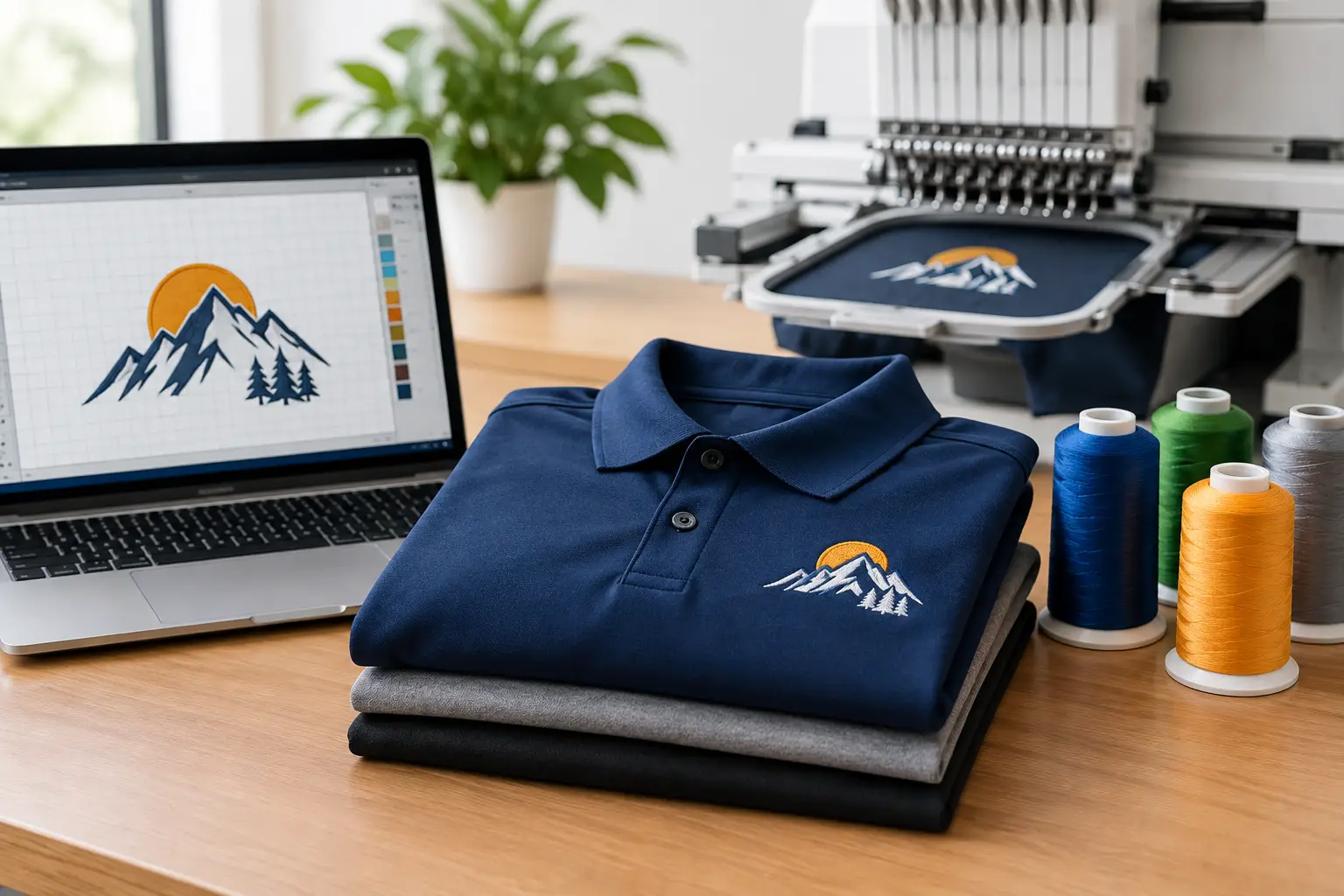
What File Formats Does Embroidery Accept?
October 12, 2026