Company Apparel Store Setup That Works
- April 23, 2026
- 1:18 am

A company apparel store setup usually starts with good intentions and quickly runs into real-world problems. Sizes get missed. Brand colors drift. One department wants premium outerwear, another needs budget-friendly tees, and someone always asks if the logo can be moved half an inch. The difference between a store that creates repeat orders and one that creates extra admin work comes down to how the program is built from the start.
For most businesses, the goal is not just to sell branded apparel internally. It is to create a dependable system for uniforms, team gear, onboarding kits, event apparel, recognition programs, or location-based ordering without turning every request into a custom project. A well-planned store should protect brand standards, make ordering simple, and give buyers confidence that the final product will look polished every time.
What a strong company apparel store setup needs
The best stores are designed around operational needs first and product selection second. That may sound backwards, but it is what keeps the program sustainable. If your organization has multiple teams, locations, or ordering permissions, those details will shape the store more than any single garment choice.
Start by deciding who the store is for. A single-office business ordering polos and caps for staff has very different needs than a national company outfitting field teams, office staff, recruiters, and event crews. In one case, a smaller catalog with tight brand control usually works best. In the other, you may need product segmentation by role, budget, climate, or department.
You also need to define how ordering will happen. Some companies want employees to purchase approved items directly. Others need manager approval, department billing, or a store that opens only during set order windows. There is no single right model. The right setup is the one that fits your internal process without creating confusion.
Build the store around use cases, not just products
One of the most common mistakes in company apparel store setup is adding too many options too early. More products can seem helpful, but they often slow down ordering and create inconsistency. If buyers are choosing from dozens of similar polos, fleece styles, and caps, decision fatigue sets in fast.
A better approach is to organize the store around how the apparel will actually be used. That could mean separating daily uniform essentials from event apparel, premium executive wear, outerwear, safety gear, or new-hire kits. When buyers can find the right items by purpose, order accuracy improves and the store feels easier to manage.
This is also where product quality matters. Company apparel is part of your brand presentation. If the garment feels cheap, shrinks badly, or loses its shape after a few washes, that reflects on the business wearing it. Trusted brands and decoration methods matter because they reduce complaints and help employees feel comfortable wearing the apparel beyond day one.
Match garment choices to the job
Not every team should wear the same product line. Sales staff may need polished polos, quarter-zips, and branded bags. Warehouse or field teams may need durable workwear, outerwear, and high-visibility options. Event teams often need lightweight, budget-conscious pieces that still look consistent in photos.
That does not mean your store should feel fragmented. It means your catalog should be curated. A focused assortment with clear logic is easier to approve, easier to reorder, and easier for employees to trust.
Protect brand consistency from the beginning
An apparel store is not just an ordering tool. It is a brand control tool. That matters more as organizations grow.
Logo placement, thread colors, print size, approved artwork, and garment color combinations should all be decided before the store launches. If those standards are left loose, every reorder becomes a review cycle. That slows down fulfillment and increases the risk of inconsistent results.
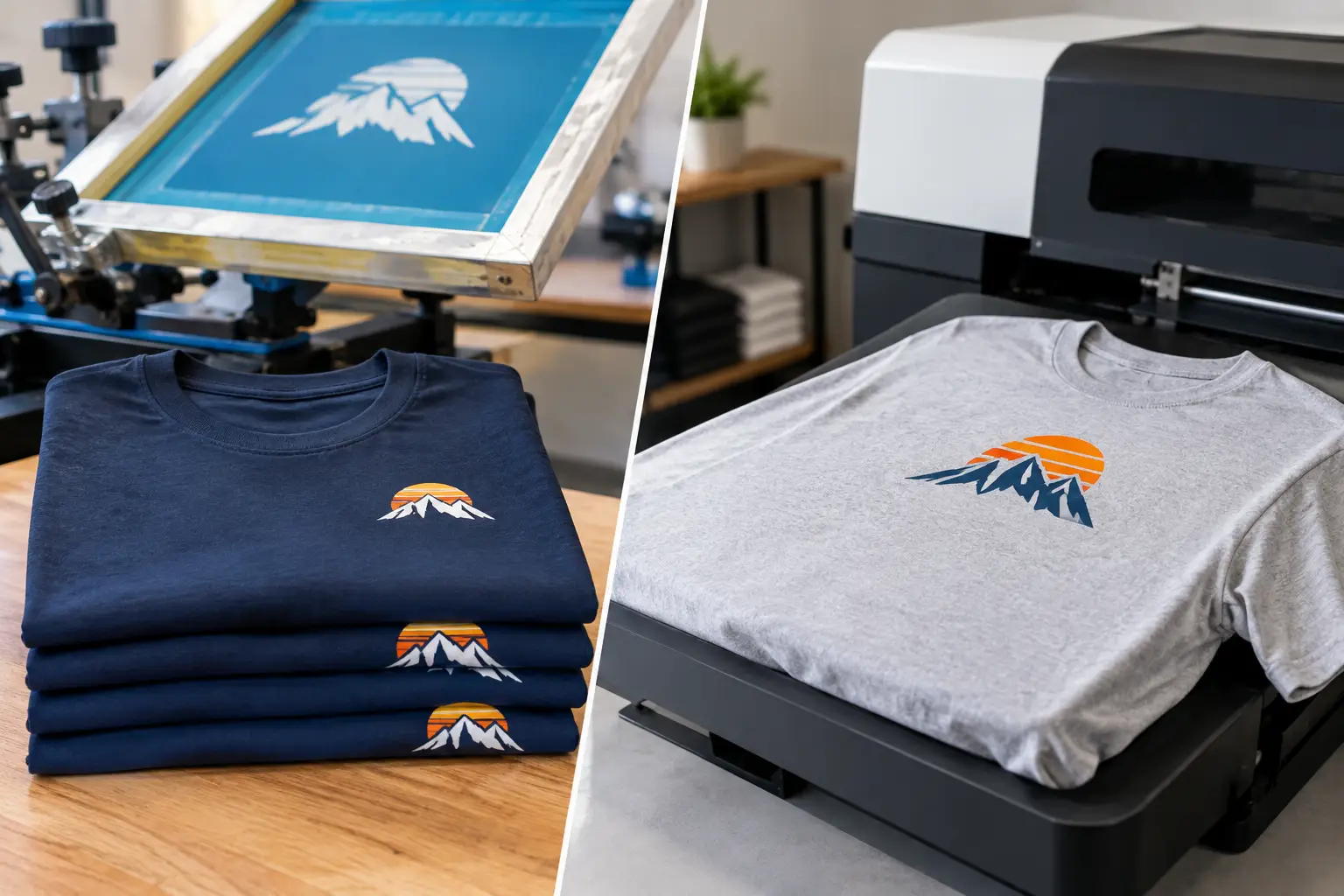
In-house decoration and digital proofing help here because they create tighter quality control. When embroidery, screen printing, and art prep are handled by an experienced production team, issues can be caught before they affect the finished order. That is especially important for corporate logos, where small changes in stitch density, scale, or placement can change the overall look.
Keep artwork approval simple
Approval should be clear, not endless. Most businesses do best with one approved logo package for the store, with limited variations by garment category. For example, a full chest embroidery version, a left-chest version, and a print-ready version may be enough for most programs.
If you allow every department to request its own art treatment, the store stops being a system and turns back into custom order management. That may work for a short campaign, but it is harder to maintain over time.
Make ordering easy for real buyers
The people using a company store are not always apparel experts. Often they are office managers, HR teams, marketing coordinators, operations leaders, or branch managers who simply need the order done correctly and on time. The store should support that reality.
Product pages need clear descriptions, straightforward sizing information, and decoration details that answer practical questions before they become service calls. Buyers want to know if an item is suitable for office wear, outdoor use, layering, or high-frequency washing. They also want to know what the finished logo treatment will look like.
Simplicity matters just as much as selection. If the checkout process is confusing, if products are duplicated without explanation, or if billing rules are unclear, adoption drops. Employees will bypass the store, and internal teams end up managing orders manually again.
Plan for reorder speed and long-term maintenance
A store launch gets attention. Reorders are where the real value shows up.
A strong company apparel store setup should make repeat ordering faster, not just possible. That means choosing stable core products where possible, keeping decoration specs documented, and working with a production partner that can move quickly after art approval. For businesses with ongoing needs, consistency across reorders is a major part of the service, not a nice extra.
It is also worth planning for product changes. Some apparel styles will eventually be updated or discontinued. A good store program has backup options ready so you can maintain the look and function of the original assortment without starting over from scratch.
Know when to keep the assortment tight
If your business is still testing adoption, start smaller. Launch with the items people are most likely to order – polos, tees, caps, sweatshirts, and one or two outerwear options – then expand based on actual demand. That keeps the program easier to manage and gives you cleaner purchasing data.
Larger assortments make sense when there is a clear operational reason for them, such as multiple roles, climate differences, or employee choice programs. Without that reason, bigger catalogs tend to create friction.
Choose a production partner, not just a platform
Software matters, but fulfillment matters more. A store can look polished on screen and still fail if production quality is inconsistent, turnaround drifts, or communication breaks down when issues come up.
That is why many business buyers place more value on decoration expertise, responsive service, and domestic production control than on flashy store features alone. When the apparel is being used to represent your brand, craftsmanship and accountability are part of the setup decision.
An experienced partner can help with garment selection, logo application method, proofing, and category planning before the first item goes live. That guidance saves time because it prevents common errors early, especially for buyers managing uniforms, events, or multi-location programs. For companies that need premium embroidered and screen-printed apparel with dependable turnaround, that support can make the difference between a store that gets used and one that gets ignored. That is where a supplier like LOGO USA fits best – as a long-term production partner, not just a vendor filling orders.
When a company store makes the most sense
Not every business needs a full store right away. If you place one or two bulk orders per year for a single team, a standard custom order process may be more efficient. But once ordering becomes recurring, decentralized, or role-specific, a store starts to pay for itself in saved time and better consistency.
It is especially useful for companies managing onboarding apparel, employee purchase programs, branch-level ordering, recruiting events, recognition items, and uniforms that need regular replenishment. In those cases, the store becomes a working part of operations.
The smartest approach is to build only what you need now, with enough structure to grow later. If your store makes ordering easier, protects your brand, and delivers apparel people are proud to wear, it is doing exactly what it should.
Popular Blogs
What File Formats Does Embroidery Accept?
October 12, 2026