Best Branded Apparel for Employees
- May 17, 2026
- 2:15 am
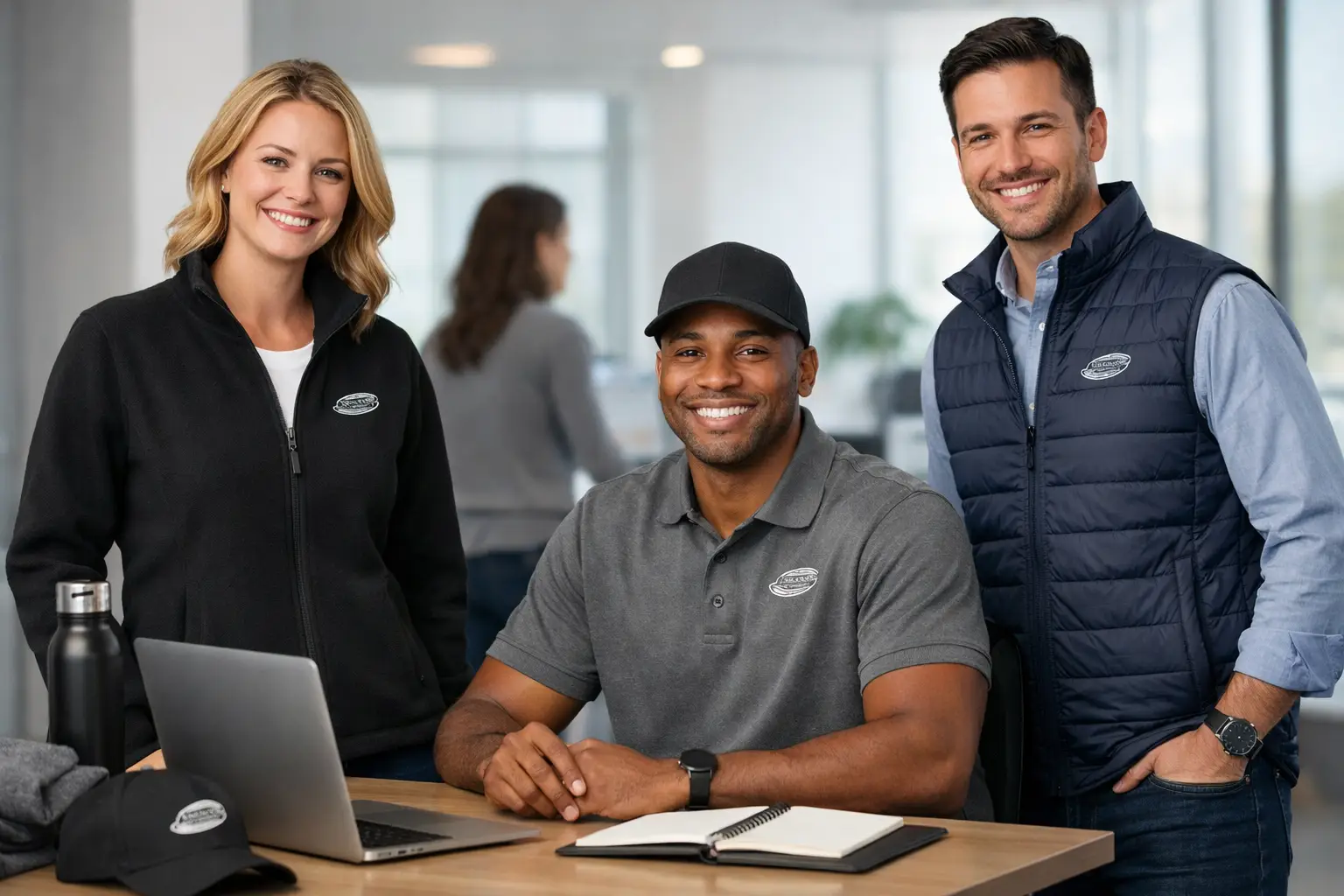
When a new hire puts on your company polo for the first time, they are not just getting dressed for work. They are stepping into your brand. That is why choosing the best branded apparel for employees deserves more thought than simply picking a shirt and adding a logo.
The right apparel helps employees look polished, feel comfortable, and represent your business with confidence. It also makes life easier for the people ordering it. A well-planned apparel program reduces reorders, minimizes sizing issues, and keeps branding consistent across departments, locations, and events.
What makes the best branded apparel for employees?
The answer depends on how your team works. A front desk staff, a warehouse crew, a sales team, and an outdoor service team all need different things from branded clothing. The best choice is not always the most expensive item or the trendiest brand. It is the apparel that fits the job, wears well over time, and presents your company the way you want to be seen.
Start with three basics: function, appearance, and consistency. Function means the garment matches the employee’s day-to-day environment. Appearance means it supports a professional, polished look. Consistency means the logo, colors, and decoration method stay aligned across every order.
That balance matters. A soft retail-style tee may feel great for a trade show, but it may not hold up like a work shirt for daily field use. A premium quarter-zip may impress leadership teams and client-facing staff, but it may not be the most practical choice for a physically demanding role. Good branded apparel programs account for those trade-offs from the start.
The top apparel categories to consider
Polos for everyday professionalism
For many businesses, polos are still the best all-around option for employee apparel. They strike the right balance between casual comfort and professional presentation, which makes them a strong fit for office teams, customer service staff, hospitality employees, sales reps, and trade show crews.
Performance polos are especially useful when employees move between indoor and outdoor settings or spend long hours on the job. Moisture-wicking fabrics, snag-resistant construction, and easy-care finishes help the apparel look better longer. Embroidery is often the best decoration choice here because it delivers a clean, durable, elevated finish that holds its shape through repeated wear.
If your team needs a more upscale look, branded polos from recognized names can raise the perceived value of the uniform without making the process more complicated. The key is choosing styles that are comfortable enough to be worn willingly, not just because they are required.
T-shirts for casual teams and events
Not every workplace calls for a collared shirt. Branded t-shirts work well for casual offices, company volunteer days, internal events, startup teams, and promotional campaigns. They are also one of the easiest ways to outfit large groups on a budget.
The trade-off is that quality matters more than many buyers expect. Lightweight, low-cost tees can work for one-day events, but for employee use, they often lose shape, fade faster, or feel too thin after a few washes. A better-grade cotton or cotton-blend shirt tends to create a stronger impression and a longer usable life.
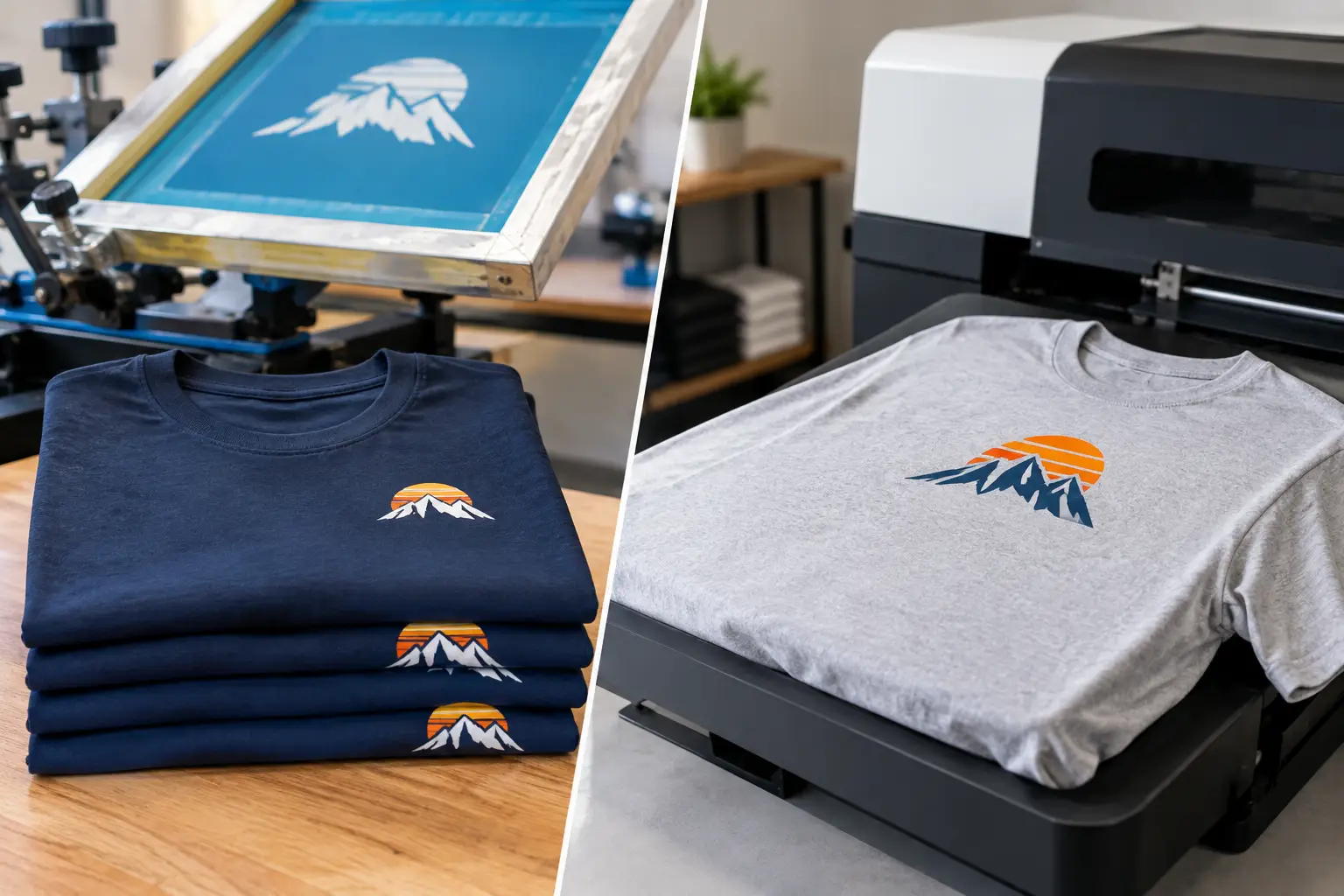
Screen printing is often a smart fit for t-shirts, especially when you want a larger graphic or need quantity pricing for a team rollout. For a more understated branded look, a left-chest print or small logo can keep the shirt professional rather than overly promotional.
Outerwear that gets real use
If your team works outdoors, travels frequently, or moves between job sites, branded outerwear can deliver some of the highest long-term value. Employees tend to keep and wear quality jackets, vests, and quarter-zips far beyond a single season, which means your brand stays visible longer.
This is one category where premium brands can make a noticeable difference. Better construction, stronger fabric performance, and more modern styling all affect whether the garment becomes a favorite or sits in a closet. Soft shells, fleece jackets, and lightweight insulated layers are especially popular because they work across a wide range of climates and roles.
Embroidery is usually the preferred decoration method for outerwear because it provides a refined, permanent look. Placement matters, though. A clean left-chest logo often looks more professional than oversized decoration, especially for client-facing teams.
Workwear and uniforms for durability
For industrial, service, transportation, and skilled trade environments, the best branded apparel for employees often comes down to durability. Work shirts, utility jackets, high-visibility gear, and uniforms need to handle regular wear without losing their professional appearance.
This is where fabric weight, reinforced construction, and brand reputation matter. Employees who work in active roles notice quickly whether apparel was chosen for real performance or just appearance. Durable workwear supports safety, comfort, and morale because it shows that the company understands the demands of the job.
For these programs, consistency is especially important. Reorders should match previous orders in color, logo placement, and garment style as closely as possible. That helps maintain a uniform look across shifts and locations.
Caps and layering pieces
Caps, sweatshirts, and quarter-zips are often the supporting pieces that complete a branded apparel program. They may not replace core uniforms, but they add flexibility and give employees options across seasons and work settings.
Caps are especially useful for field teams, outdoor staff, and event crews. Sweatshirts and pullovers help bridge the gap between casual comfort and brand presentation. They also tend to have strong employee acceptance because they are practical, wearable, and easy to size.
How to choose the right decoration method
A great garment can still fall short if the decoration method is wrong. In most employee apparel programs, embroidery and screen printing are the main choices, and each has a clear role.
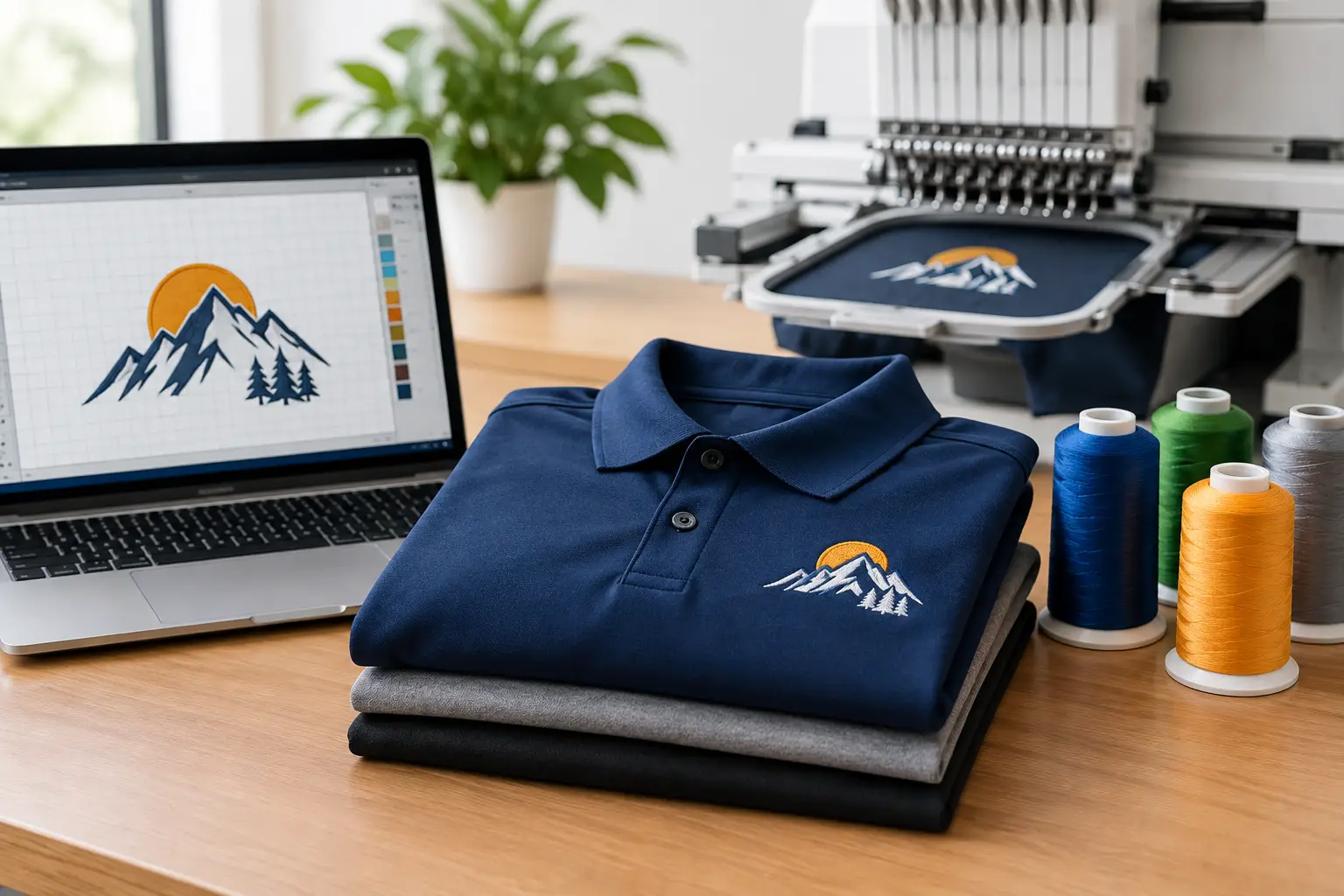
Embroidery works best when you want a polished, premium look. It is ideal for polos, outerwear, caps, work shirts, and uniforms where durability and presentation are priorities. It gives logos dimension and permanence, which is why it is often preferred for professional business apparel.
Screen printing is better suited to t-shirts, sweatshirts, and larger graphics. It is cost-effective for bigger runs and allows more visual impact when the design calls for it. The choice is not about which method is better overall. It is about which one fits the garment, the logo, and the way the apparel will be used.
Common buying mistakes to avoid
One of the most common mistakes is choosing based on unit price alone. Lower upfront cost can lead to more replacements, inconsistent employee adoption, and a weaker brand impression. The better approach is to think in terms of wear life and presentation over time.
Another issue is ignoring sizing strategy. If you are ordering for a mixed team, offering inclusive size ranges and dependable fit options matters. Apparel that looks good in a sample can still create problems if the size curve does not match your workforce.
Logo placement is another area where less is often more. A clean, well-positioned logo generally looks more professional than excessive branding. Employees are also more likely to wear apparel regularly when it feels polished rather than promotional.
Finally, avoid building the entire program around one garment. Most teams benefit from a small, practical mix such as a polo for daily wear, a tee for events or casual days, and an outerwear piece for colder conditions. That creates flexibility without adding unnecessary complexity.
Building a branded apparel program that lasts
The strongest employee apparel programs are easy to repeat. That means selecting proven garments, standardizing decoration, and working with a production partner that can maintain quality from one order to the next. Speed matters, but so does control. Consistent embroidery, accurate digital proofing, and dependable turnaround all help prevent the headaches that come from rushed or fragmented ordering.
This is especially important for businesses managing multiple departments, recurring onboarding, seasonal hiring, or location-based ordering. A program should support growth, not create extra admin work every time someone needs a reorder.
For that reason, many buyers do better with a curated selection than an overwhelming catalog. A smaller set of approved styles often leads to cleaner branding, easier budget planning, and better employee adoption. When customization is handled with care and production stays accountable, the finished apparel reflects that quality.
A well-made branded garment does more than display a logo. It helps employees show up looking prepared, connected, and proud of where they work. If you choose apparel with the job, the wearer, and the long-term brand picture in mind, the right pieces will keep working long after the order is delivered.
Popular Blogs
What File Formats Does Embroidery Accept?
October 12, 2026