Employee Apparel Store Example That Works
- May 15, 2026
- 1:54 am
If your office manager is collecting sweatshirt sizes in a spreadsheet, your HR team is answering one-off uniform requests, and every new hire seems to need a different logo item, you already know why an employee apparel store example matters. A well-built store takes a messy, repeat-heavy process and turns it into a controlled, professional system your team can actually use.
For most companies, branded apparel starts small. A few polos for sales, outerwear for field staff, maybe caps for a trade show. Then the requests multiply. Different departments want different products, employees need replacements, and leadership wants the brand to look consistent across every location. That is the point where a company usually stops thinking about shirts and starts thinking about program management.
What an employee apparel store example should actually show
A strong employee apparel store example is not just a page full of products with a logo slapped on them. It should show how the program works in real business conditions. That means clear product choices, approved decoration methods, consistent logo placement, simple ordering, and a process for reorders that does not require starting from scratch every time.
The best stores are built around control without creating friction. Employees need enough choice to feel like they are getting apparel they will wear. The company needs enough structure to protect its brand standards, budget, and purchasing workflow. If either side is ignored, the store becomes hard to maintain.
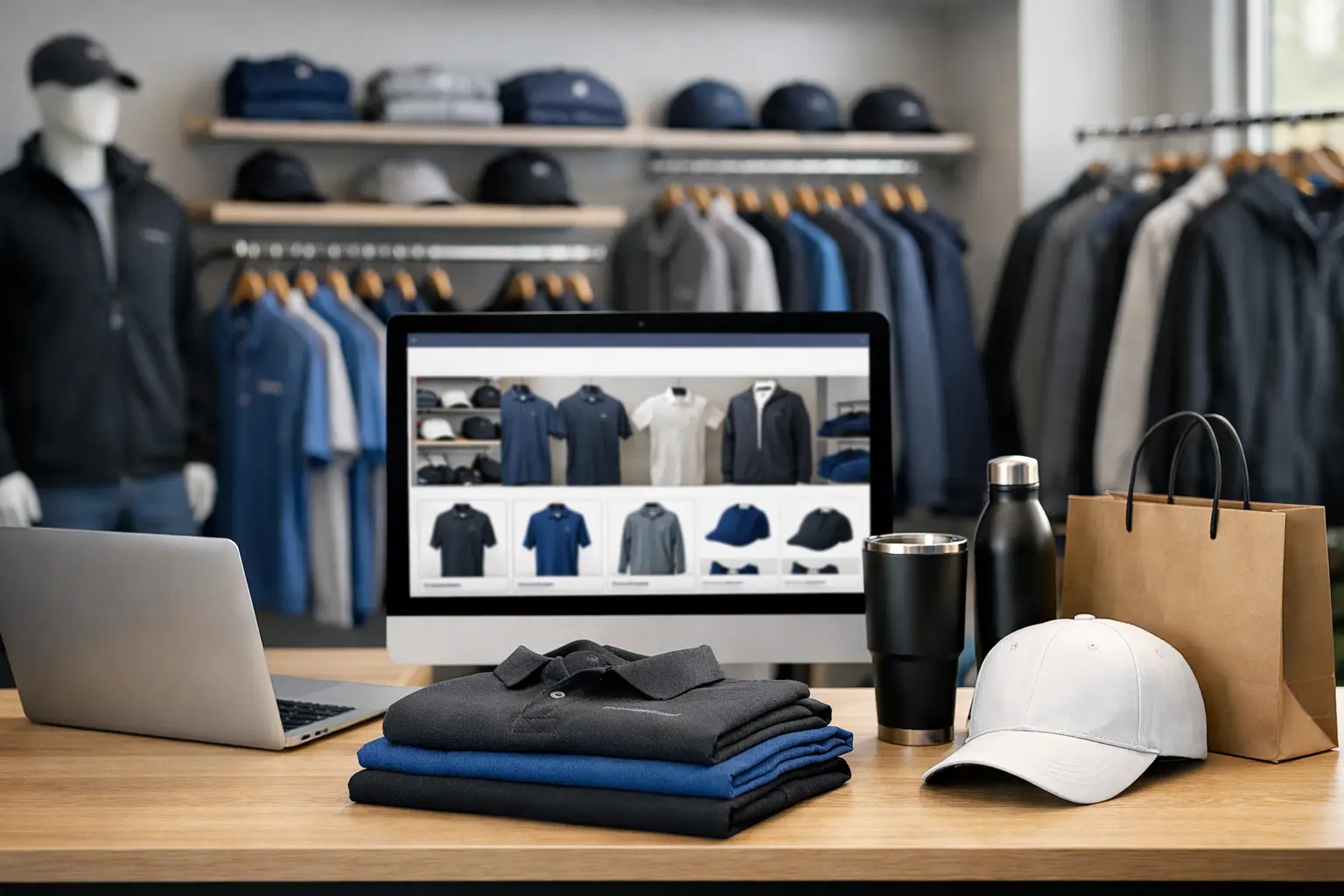
A practical example would include a tight product assortment rather than an endless catalog. Think embroidered polos for office staff, durable work shirts for operations teams, branded outerwear for managers, and a few optional items like quarter-zips or caps. That mix covers real business needs without overwhelming the buyer or the employee.
A practical employee apparel store example
Picture a multi-location company with 150 employees. It has office staff, customer-facing sales reps, warehouse team members, and regional managers. Before launching a store, apparel orders were handled by email. Sizes were missed, product styles changed too often, and logos looked inconsistent across garments. Reordering was slow because every order required fresh approvals.
The company creates an online employee store with a focused product lineup. Office staff can choose from two approved polo styles, a button-down shirt, and a lightweight jacket. Warehouse employees have access to durable workwear and safety-minded outerwear. Sales reps can order polished branded layers for travel and events. Managers can select premium pieces from recognized retail-inspired brands that still fit the company’s decoration standards.
Each item is pre-approved with the correct logo, thread colors, print size, and placement. Employees can order within their assigned collection, and the company can decide whether purchases are employee-paid, company-funded, or partially subsidized through a seasonal allowance. New hires no longer wait for someone to manually source apparel. Reorders happen from the same approved store, which keeps the look consistent and cuts down admin time.
That is what makes the example work. It solves operational problems, not just merchandising ones.
Why these stores succeed or fail
An employee apparel program usually succeeds when the store is built around real use cases. It usually fails when it is treated like a generic swag page.
Too much choice is one common problem. A company may think a larger catalog gives employees more flexibility, but an oversized store often creates confusion, slows approvals, and leads to uneven branding. On the other hand, too little choice can backfire if the available garments do not fit job roles, climate, or wear preferences. A field technician and an office receptionist should not be forced into the same apparel strategy.
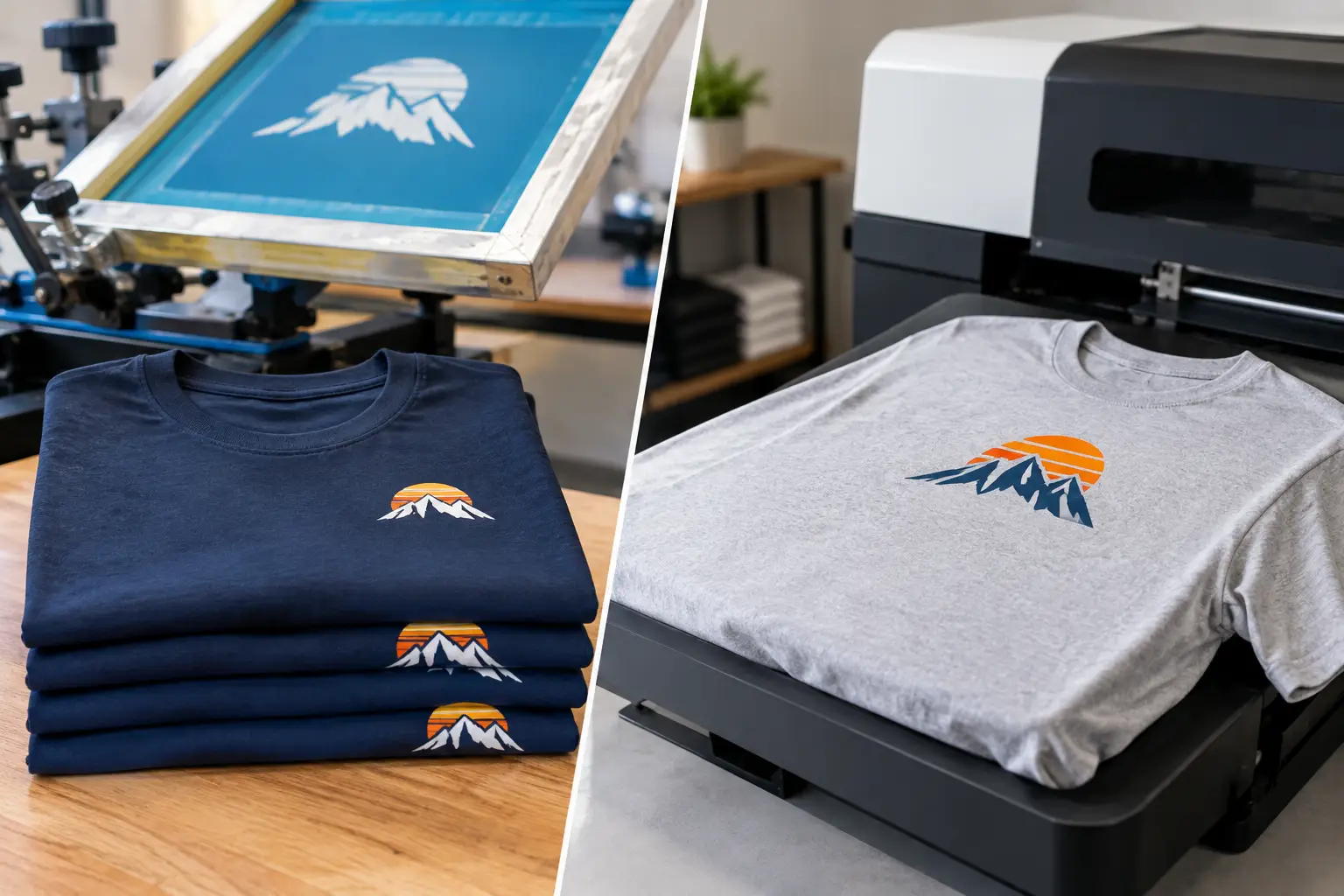
The other issue is decoration quality. A store can look organized online and still disappoint if the final product does not hold up. For employee apparel, the decoration method matters. Embroidery gives polos, outerwear, and caps a polished, durable finish. Screen printing may be the better fit for high-volume t-shirts or event wear. The right store example accounts for both appearance and wear conditions.
The core elements of a good store setup
A well-run employee store starts with product selection. The goal is not to offer everything. The goal is to offer the right things. Durable polos, quality fleece, reliable tees, outerwear, caps, bags, and uniforms tend to form the foundation. From there, the mix should reflect the work environment, your budget, and how formal your brand presentation needs to be.
Brand control comes next. Approved artwork, consistent sizing of the logo, and standardized decoration placements save time and prevent brand drift. This is especially important for growing companies with multiple departments or locations. When every item is decorated under the same production standards, the result looks intentional.
Then there is the ordering experience. Employees should be able to find their products quickly, choose sizes confidently, and place an order without extra back-and-forth. Administrators should be able to manage budgets, collections, and approvals without chasing details across email threads. A good store makes both sides of the transaction easier.
Matching the store to the way your company buys
Not every business needs the same kind of employee store. That is where many examples fall short. They show the front-end products but not the purchasing model behind them.
Some companies want open ordering, where employees buy branded gear whenever they want. Others need a controlled program tied to onboarding, anniversaries, seasonal uniform refreshes, or safetywear replacement cycles. Some organizations issue credits. Others limit products by department. Enterprise buyers may need location-based assortments or manager-level oversight.
There is no single perfect model. It depends on how often you order, who approves purchases, and how much consistency matters across teams. If your apparel program supports uniforms or customer-facing roles, tighter controls usually make sense. If the store is more about culture and optional branded wear, a wider mix may work.
What buyers should ask before launching a store
Before building out a program, it helps to answer a few practical questions. Which products will employees actually wear? Which garments represent your brand well? What needs embroidery, and what makes more sense for print? Will the store support onboarding, annual allowances, event apparel, or all three?
You also need to think about replenishment. Employee apparel is rarely a one-time project. Sizes change, team members come and go, and seasonal needs shift. A store should be set up for repeatability. That means approved art, dependable production timelines, and a decoration partner that can maintain quality across reorders.
For many business buyers, this is where working with an experienced supplier matters most. A polished online store is only as good as the production behind it. If embroidery is inconsistent, garments arrive late, or proofs are unclear, the convenience disappears fast. Companies want a store that is easy to use, but they also need confidence that every finished piece will reflect well on the brand.
Why quality and turnaround matter more than novelty
A lot of employee stores get distracted by trendy products. There is nothing wrong with adding a few premium or seasonal options, but the foundation should be dependable apparel people will wear repeatedly. Good polos, well-made outerwear, durable work shirts, and comfortable fleece usually outperform novelty items over time because they support daily use.
Turnaround matters too. A store only helps if it keeps up with the pace of your business. New hires need apparel on time. Event teams need branded gear before the event, not after it. Managers reordering uniforms do not want to re-explain logo specs every quarter. USA-based production control, clear proofing, and consistent execution make a major difference in keeping programs on track.
That is why many companies choose a full-service partner rather than piecing together products, art setup, and decoration from different vendors. When product sourcing, digitizing, embroidery, screen printing, and proof approval are handled under one roof, there are fewer handoff points and fewer chances for mistakes.
The best example is the one your team will keep using
The strongest employee apparel store example is not necessarily the biggest or flashiest. It is the one that fits the way your company operates, gives employees good options, and protects the quality of your brand every time an order goes through.
For some businesses, that means a simple store with five core uniform pieces. For others, it means a broader branded apparel program with department-based collections, premium brands, and recurring reorder cycles. Either way, the goal stays the same: make ordering easier, keep branding consistent, and deliver apparel your team is proud to wear.
If your current process still depends on scattered emails, one-off approvals, and too many repeated decisions, that is usually the clearest sign that a store is no longer optional. It is the next practical step toward a more organized, polished apparel program.
Popular Blogs
What File Formats Does Embroidery Accept?
October 12, 2026