What Is Apparel Digitizing?
- June 6, 2026
- 3:57 am
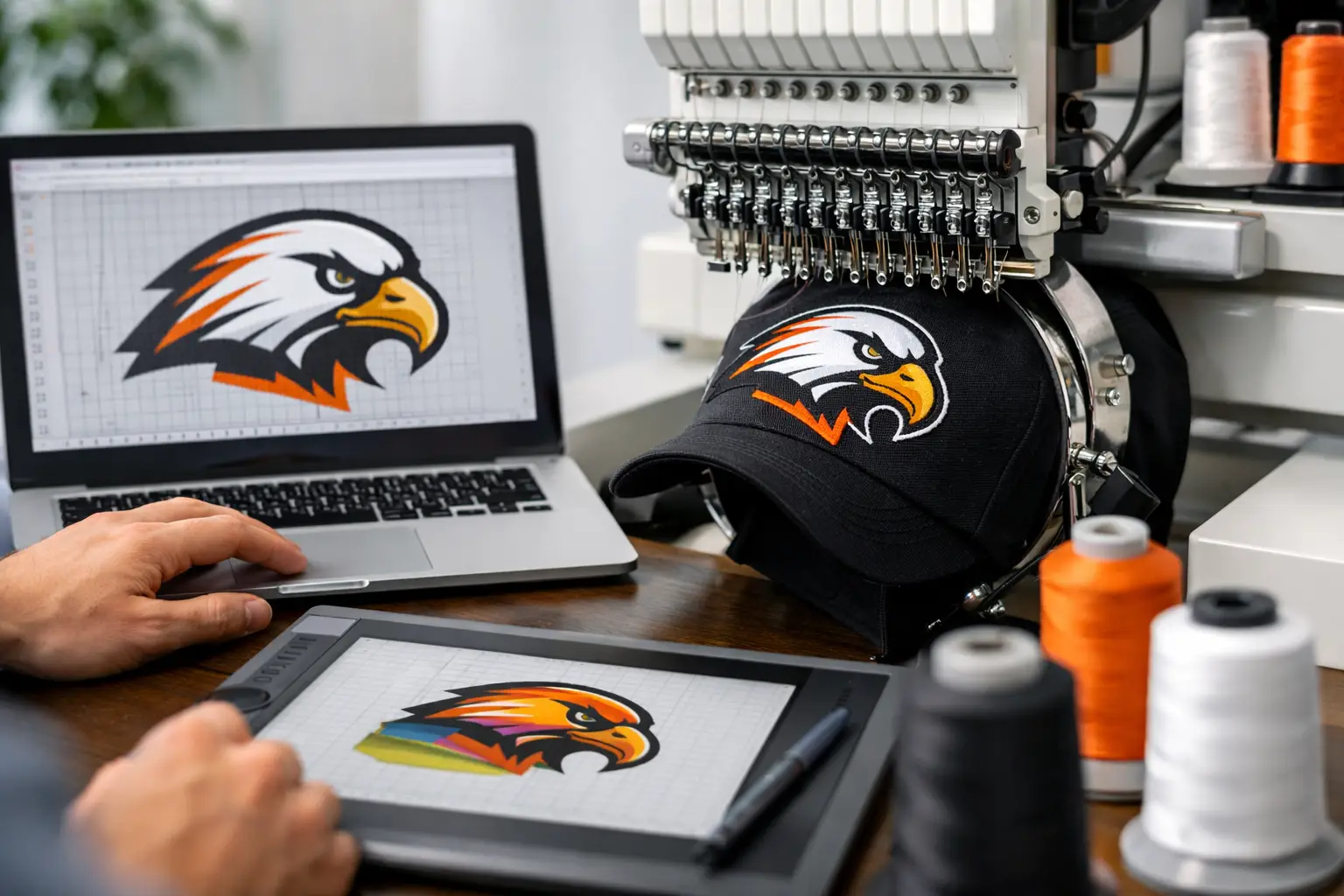
A clean logo on a polo or cap does not start at the embroidery machine. It starts with a file built specifically for thread, fabric, and stitch direction. If you have ever asked what is apparel digitizing, the short answer is this: it is the process of converting artwork into a stitch file that an embroidery machine can read and sew accurately.
That simple definition matters because embroidery is not a direct print of your logo. Thread behaves differently than ink. Fabrics stretch, pile, shift, and absorb stitches in different ways. A well-digitized logo helps your brand look polished across uniforms, outerwear, hats, and promotional apparel. A poorly digitized file can lead to gaps, puckering, distortion, and inconsistent results from one item to the next.
What Is Apparel Digitizing in Embroidery?
Apparel digitizing is the technical setup behind embroidered decoration. A digitizer takes your logo, text, or design and maps out how it should be stitched. That includes stitch type, stitch angle, density, sequencing, underlay, pull compensation, and start and stop points.
In other words, digitizing is not just converting a JPG into another file format. It is production planning. The digitizer decides how the artwork should be rebuilt in thread so it holds its shape on actual apparel.
This is why two embroidery vendors can produce very different results from the same logo. The quality of the digitizing often determines whether the finished piece looks sharp and professional or rough and uneven.
Why Apparel Digitizing Matters for Business Branding
For business buyers, consistency is usually the real issue. You may need polos for office staff, caps for field teams, jackets for managers, and bags for event giveaways. The logo has to look like the same brand across all of them.
Good digitizing supports that consistency. It helps small lettering remain readable, borders stay clean, and fills lay smoothly. It also reduces production problems that can slow down orders or require reruns.
That has a direct business impact. Uniforms and branded apparel are often customer-facing. When the embroidery is crisp, your team looks more established. When the logo is distorted or uneven, it reflects on your brand whether you intended it to or not.
How the Digitizing Process Works
The process usually starts with your source art. Vector files such as AI, EPS, or high-quality PDF files are generally the most helpful because they show clean shapes and proportions. A digitizer reviews the design and decides how to translate it into embroidery.
That translation includes selecting stitch types for different areas. Satin stitches are often used for lettering and borders. Fill stitches work well for larger areas. Running stitches may be used for fine details or outlines. The digitizer also determines the direction of each stitch section, which affects both appearance and stability.
Then comes compensation for the fabric itself. Thread pulls as it sews, and fabric can push back or shift. A skilled digitizer adjusts for that in advance so circles stay round, columns hold their width, and the design keeps its intended shape.
The file is then tested, reviewed, and often refined. This step matters more than many buyers realize. A design that looks fine on a flat sample may behave differently on a structured cap, fleece jacket, or performance polo.
What a Digitizer Actually Adjusts
A lot of embroidery quality comes down to details the end customer never sees. Underlay is one of them. This is the foundation stitching placed underneath the visible top stitches. It helps stabilize the fabric and support the final shape of the design.
Density is another key factor. Too much density can make the logo stiff, bulky, or prone to puckering. Too little density can leave gaps where the fabric shows through. The right balance depends on the design and the garment.
Push and pull compensation also play a big role. Thread naturally shifts during embroidery. Without compensation, sharp corners can round off and narrow elements can become even thinner. A strong digitized file anticipates those changes.
Sequencing matters too. The order in which the machine stitches each section affects registration, trim visibility, and overall cleanliness. This is one reason digitizing is part technical skill and part production experience.
What Is Apparel Digitizing Not?
It is not graphic design, although design cleanups are sometimes needed before digitizing begins. It is not screen printing setup, and it is not an automatic one-click conversion that guarantees quality.
That point is worth stressing. There are software tools that can auto-generate stitch files, but automated output often misses the judgment calls that make embroidery look refined. For a basic shape, automation may get close. For logos with small text, layered elements, or brand-sensitive details, manual digitizing usually delivers a better result.
For business apparel, that difference shows up fast. Corporate branding tends to rely on clean execution, not just decoration for decoration’s sake.
Why the Same Logo May Need Different Files
One logo does not always mean one embroidery file. That surprises many first-time buyers.
A left-chest logo on a polo may require one setup. The same logo on a cap may need a different version because caps have seams, curvature, and a more rigid surface. A fleece jacket can require different underlay and density than a smooth woven shirt. If the logo is being resized significantly, it may need to be re-digitized rather than simply scaled.
This is normal. In apparel decoration, the best-looking result often comes from optimizing the file for the application instead of forcing one file to do every job.
Common Problems Caused by Poor Digitizing
When digitizing is rushed or handled without enough production experience, the finished embroidery can suffer in ways that are easy to spot. Small text may fill in. Edges may look jagged. Fabrics may pucker around the logo. Shapes can drift out of alignment, especially on caps or stretchy garments.
You might also see thread breaks, excessive trims, or logos that feel too heavy for the garment. These issues do not always come from the machine or the thread. Often, they begin in the file.
That is why experienced in-house digitizing is valuable. It connects file creation to actual production realities instead of treating digitizing like a separate administrative step.
What Businesses Should Provide Up Front
If you are ordering embroidered apparel, the best starting point is clean artwork and clear use details. A good vendor will want to know where the logo is being placed, how large it should be, what garment types are involved, and whether there are brand standards that need to be followed.
If your logo includes very fine detail, gradients, or small trademark text, expect some discussion about simplification. Not every printed design translates perfectly into thread. The goal is not to alter your brand unnecessarily. It is to preserve legibility and presentation in a medium with real physical limits.
That is a good example of where quality vendors add value. They do not just accept art files and press go. They help align the design with what embroidery can actually execute well.
How to Evaluate a Digitized Embroidery Program
For most business buyers, the easiest measure is consistency over time. Can your vendor reproduce the same logo cleanly on repeat orders? Does the design hold up across multiple garment styles? Are approvals clear before production starts?
You should also pay attention to stitch clarity, lettering, edge definition, and how the logo sits on the garment. Good embroidery should look intentional and balanced, not bulky or unstable. If a vendor offers digital proofing and has production oversight under one roof, that often improves accountability.
This is where a full-service partner has an advantage. When digitizing, proofing, and embroidery production work together, there are fewer handoff issues and better control over the final result.
What Is Apparel Digitizing Worth to Your Order?
Digitizing is a setup step, but it influences every decorated piece that follows. For a one-time order, that means your apparel looks more professional. For recurring programs, it means easier reorders, cleaner brand consistency, and less risk of quality drift.
It also affects speed. A properly built file can help production move more efficiently because the machine runs the design as intended. A weak file can create delays through edits, machine stoppages, or sample revisions.
If you are ordering for employees, events, sales teams, or long-term uniform programs, digitizing is not a minor technical detail. It is part of the craftsmanship behind the finished product.
At LOGO USA, that production mindset matters because business apparel is expected to do more than display a logo. It needs to represent your brand clearly, wear well, and arrive ready for real use.
The next time you review an embroidered sample, look past the thread color and placement. The real difference often starts in the file, where strong digitizing turns artwork into embroidery that looks sharp, wears well, and holds your brand to a higher standard.
Popular Blogs
What File Formats Does Embroidery Accept?
October 12, 2026