How to Order Embroidered Polos
- May 23, 2026
- 2:00 am
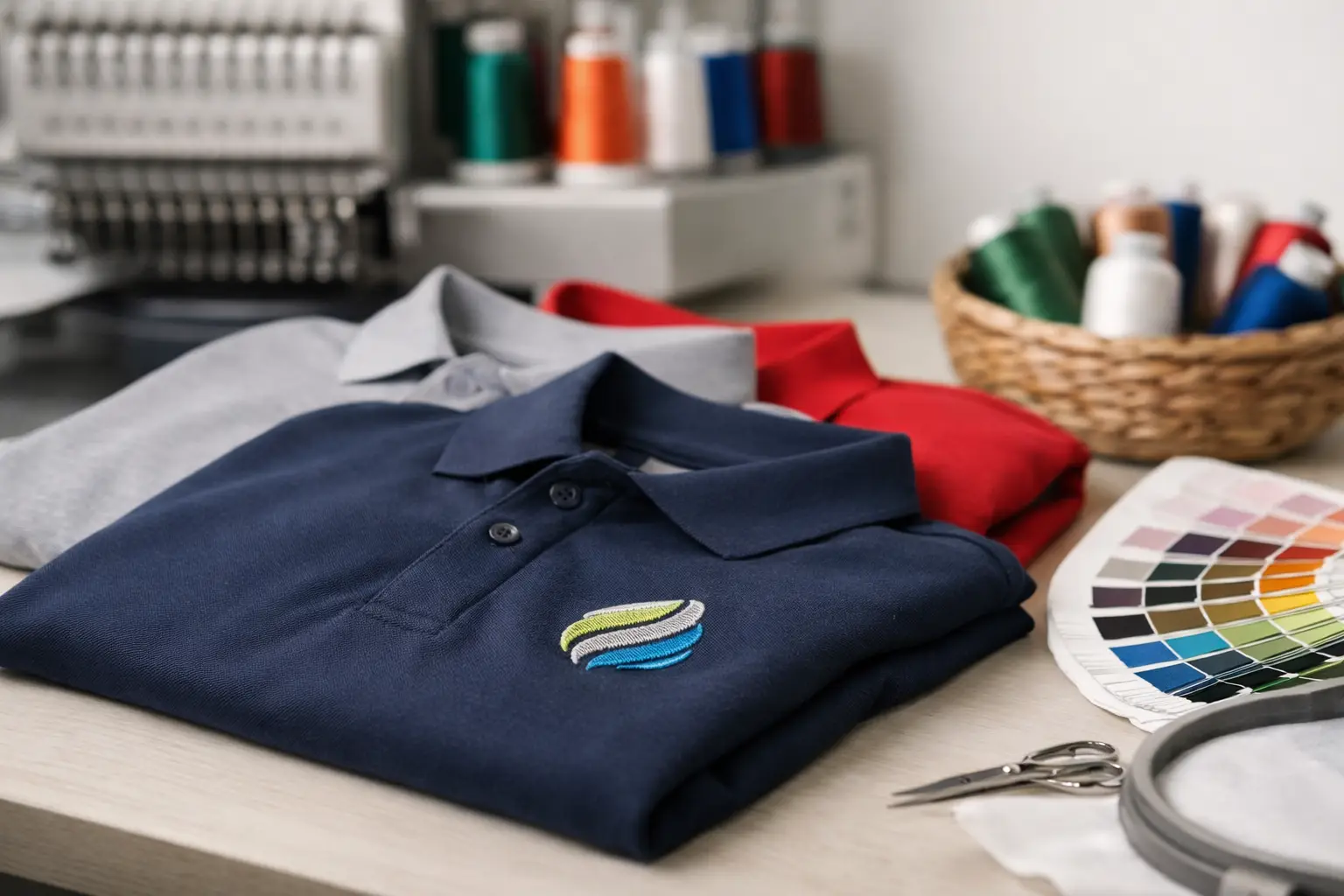
A rushed polo order usually looks rushed. The wrong shirt weight, a logo stitched too large, or a color choice that fights your brand can turn a simple uniform purchase into a costly redo. If you are figuring out how to order embroidered polos for staff, events, or a company apparel program, the goal is not just to get shirts decorated. It is to get polished, consistent apparel that represents your business well and holds up in daily wear.
For most business buyers, the best ordering process starts before you ever choose a color. You need to know who will wear the polos, where they will be used, and what kind of impression they need to create. A sales team at a trade show may need a more elevated performance polo, while warehouse supervisors might need durable work-ready styles that can handle frequent washing. The embroidery should support the use case, not work against it.
How to order embroidered polos the right way
The most efficient orders begin with three decisions: the purpose of the polos, the quantity you need, and the logo you plan to use. These three factors shape almost everything else, including garment selection, decoration size, price, and production timing.
Purpose matters because fabric and brand choice are rarely one-size-fits-all. If your employees wear polos every day, comfort, durability, and easy care usually matter more than trend-driven styling. If the order is for golf events, client meetings, or executive gifting, presentation may carry more weight. A smooth ordering experience comes from matching the product to the job.
Quantity matters because it affects both budget and flexibility. A smaller order may call for one versatile style that works across departments. A larger rollout may justify offering men’s and women’s fits, multiple colors, or premium brand options. Buyers managing growth should also think ahead. It is often smarter to choose a style with reliable availability for future reorders than to fall in love with a shirt that disappears next season.
Your logo matters because embroidery is not print. Fine lines, tiny lettering, and dense artwork do not always translate cleanly to thread. A logo that looks sharp on a website header may need adjustment before it is ready for stitching on a left chest. That is normal. Good embroidery starts with artwork that has been prepared for embroidery, not simply uploaded and stitched as-is.
Start with the right polo, not just the lowest price
One of the biggest mistakes buyers make is treating polos like interchangeable basics. They are not. Fabric, fit, brand reputation, and construction all affect how the finished product looks once your logo is added.
Cotton-rich polos offer a classic, substantial feel and often work well in office, hospitality, and general business settings. Performance polos are popular for active teams, warm climates, and jobs that involve movement throughout the day. Blends can offer a good middle ground, especially when wrinkle resistance and moisture management matter. There is no universal best option. It depends on how the garment will be worn and how polished you want it to look after repeated use.
Brand selection also plays a role in perception. Recognized names can elevate a program, especially for customer-facing teams or employee gifts. At the same time, a value-focused brand can be the smarter choice for large staff outfitting programs where consistency and budget control are top priorities. A dependable partner will help you weigh those trade-offs instead of pushing every order toward the same product tier.
Sizing deserves more attention than it usually gets. If the polos are for a mixed team, ask whether the style is available in men’s, women’s, tall, or extended sizes. A sharp logo will not save an order if the fit is off for half the group. Buyers handling larger employee orders should gather size information carefully and allow enough time for internal approval before production begins.
Prepare your logo for embroidery
Embroidery gives polos a premium, durable finish, but it has technical limits that should be respected. The cleaner your logo file and the simpler the design, the better the finished result tends to be.
In most cases, a left chest logo is the standard placement because it is professional, versatile, and cost-effective. That said, some programs call for sleeve embroidery, full chest decoration, or multiple logo placements. More decoration is not always better. For many business applications, restraint looks more polished.
Artwork quality matters at the start. High-resolution files or vector art help the digitizing process go more smoothly. If your logo includes very small text, gradients, or intricate details, expect some refinement. Elements may need to be enlarged, simplified, or rebalanced so the embroidery reads clearly on fabric. This is especially true on textured polos where thread definition can be affected by the garment surface.
Thread color should also be chosen with the shirt color in mind. A logo that looks excellent on white may lose contrast on navy, red, or heathered fabric. Experienced embroidery teams account for that before production, using digital proofing and stitch planning to protect logo clarity and brand consistency.
What information to have ready before you place the order
If you want the process to move quickly, gather your details before requesting pricing or approval. This includes your selected polo style, garment colors, estimated quantities by size, logo file, embroidery placement, and any deadline tied to an event or rollout.
This is also the time to think about internal stakeholders. A marketing team may care most about brand accuracy. Operations may care about durability and reorder simplicity. HR may care about inclusive sizing and onboarding needs. Procurement may focus on budget and lead time. The smoothest orders happen when these expectations are aligned early instead of corrected after proof approval.
If you are ordering for a branch network, multiple departments, or recurring hires, it helps to ask about long-term program support. A supplier that can handle one order can be useful. A supplier that can support repeatable branded apparel standards is often far more valuable.
Understand proofing, pricing, and turnaround
Once product and artwork are selected, the next step is usually proof review. This is where you confirm logo placement, size, thread colors, and overall presentation before production begins. Review proofs carefully. A fast approval is helpful, but a careless one can lock in preventable errors.
Pricing for embroidered polos is usually influenced by the garment itself, stitch count or logo complexity, order volume, and the number of decoration locations. Premium brands and specialty garments raise the base cost. More intricate logos can increase decoration cost. Larger orders often improve unit pricing, but only if the style and logo stay consistent.
Turnaround is another place where buyers should ask smart questions. Production time often starts after art approval, not when the quote is requested. If you have a hard event date, build in room for proofing, internal signoff, and shipping. A dependable production partner with in-house decoration can usually provide better visibility and control than a fragmented process spread across multiple vendors. That matters when timelines are tight and brand presentation is on the line.
How to order embroidered polos for repeat success
The first order should solve the immediate need, but it should also make the next order easier. That means documenting approved styles, thread colors, logo placements, and sizing patterns so future reorders are consistent.
This is especially useful for companies managing growth, multiple office locations, seasonal staffing, or ongoing uniform programs. Standardization reduces mistakes and saves time. It also protects the professional appearance of your brand across teams and locations.
For that reason, many business buyers prefer working with an experienced production partner rather than treating each order as a one-off transaction. A company like LOGO USA can support that process through product selection, logo setup, proofing, and USA-based production control, which is often the difference between a decent result and a polished one.
If you are deciding how to order embroidered polos, think beyond the cart total. The better question is whether the shirts will look right, wear well, and be easy to reorder when your team needs more. When those pieces are in place, the order does more than check a box – it strengthens how your brand shows up every day.
Popular Blogs
What File Formats Does Embroidery Accept?
October 12, 2026