A Practical Guide to Branded Company Stores
- May 21, 2026
- 2:03 am
When five departments are ordering branded polos, event tees, safety gear, and onboarding kits from five different places, the problems show up fast. Logos shift, colors vary, approvals get messy, and someone always ends up chasing reorders. A solid guide to branded company stores starts with one simple idea: centralize the process so your brand looks consistent and ordering gets easier.
For many businesses, a branded company store is not just an online catalog with a logo on it. It is an operational tool. It gives employees, managers, franchisees, field teams, or event coordinators one approved place to order branded apparel and merchandise without starting from scratch every time. When it is built well, it saves time, protects brand standards, and makes repeat ordering much more predictable.
What branded company stores actually do
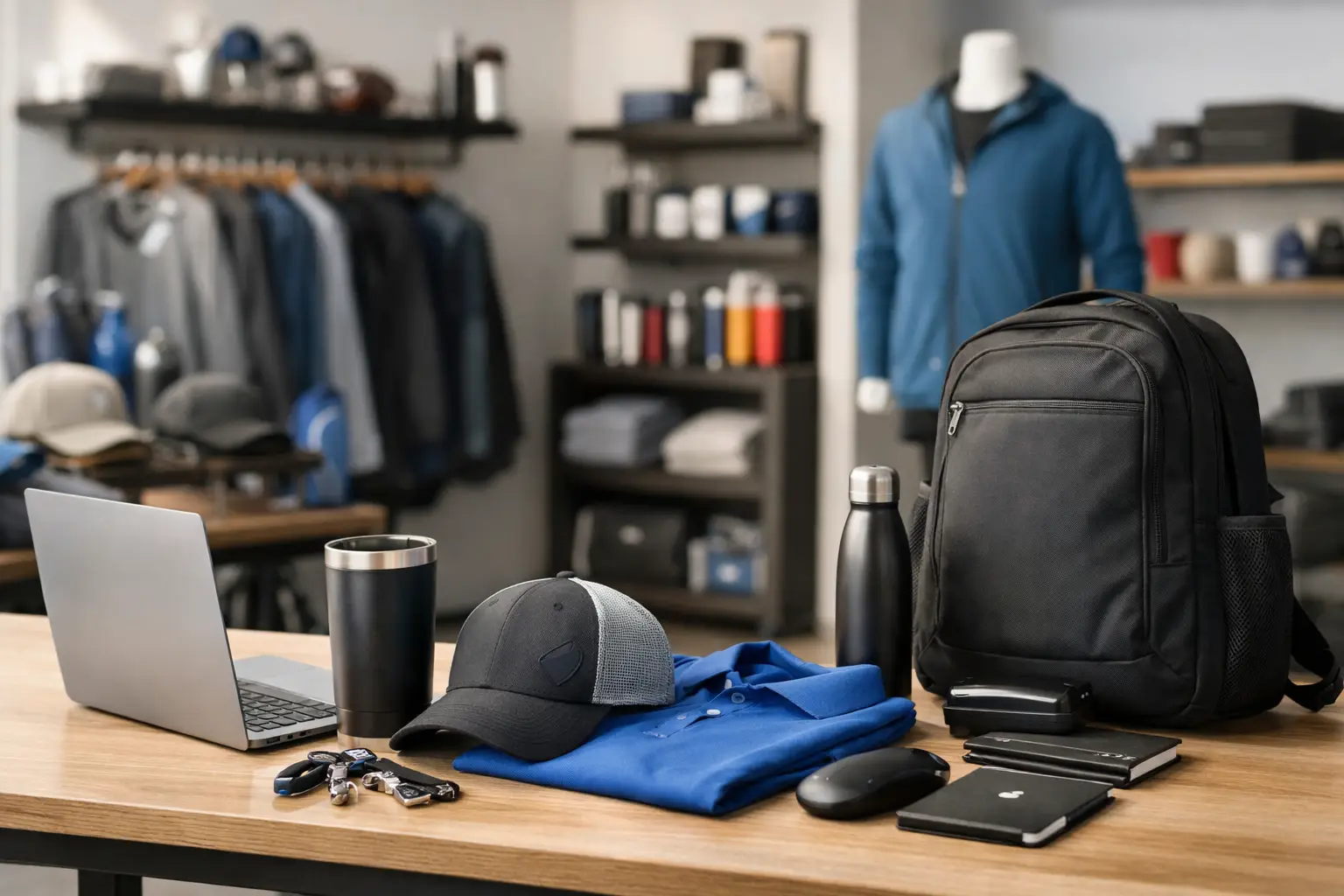
A branded company store is a private or public online storefront created for a specific organization. It typically includes approved garments, accessories, and promotional products decorated with that company’s logo or artwork. Instead of emailing back and forth for every order, buyers select from preapproved items, choose sizes or quantities, and place orders through one controlled system.
That sounds straightforward, but the value is in the control behind the storefront. Product assortments can be tailored by department, role, location, or budget. Decoration methods can be standardized. Artwork can be locked down so a logo used on a polo matches the logo used on outerwear or headwear. For businesses managing uniforms, recruiting events, sales teams, or multiple office locations, that consistency matters.
Company stores also reduce friction for routine needs. New hires need embroidered polos. The warehouse team needs safetywear. Marketing needs branded bags for a trade show. A field manager needs a fast reorder on caps. Without a store, each request becomes its own mini project. With a store, those requests become normal transactions.
Who benefits most from a branded company store
Not every business needs a fully developed store on day one. If you only place one apparel order each year, a standard group order may be enough. But once ordering becomes recurring, spread across teams, or tied to brand presentation, a store starts making sense.
Businesses with multiple locations are strong candidates because they often struggle with brand consistency and decentralized buying. HR and operations teams also benefit when they need a reliable source for onboarding apparel, employee uniforms, or recognition programs. Marketing departments gain more control over event merchandise and promotional products. Procurement teams appreciate having a cleaner process with fewer one-off vendor interactions.
This is especially useful for organizations that need both polish and practicality. A client-facing team may need premium branded polos or outerwear, while warehouse or service crews need durable workwear and safety gear. Housing those needs in one managed program keeps ordering simple without treating every team the same.
A guide to branded company stores: the features that matter most
The best company stores are not packed with features for the sake of features. They solve real business problems. That starts with approved product selection. Your storefront should include items that fit your workforce, your brand image, and your budget. A polished sales team may need premium polos and quarter-zips. An industrial crew may need rugged jackets, hi-vis apparel, and work shirts. A company store should reflect how your people actually work.
Decoration quality matters just as much as product selection. If embroidery looks sharp on one order and loose on the next, the store does not fix the real problem. The same goes for screen printing, logo placement, and color consistency. A branded company store only works when the production process behind it is dependable.
Approval structure is another major factor. Some businesses want open employee ordering with limited choices. Others need manager approval, department-based budgets, or location-specific access. There is no single right setup. It depends on whether your goal is employee convenience, brand governance, cost control, or all three.
Inventory strategy also deserves attention. Some stores are best run as on-demand decoration programs, where items are produced after an order is placed. Others work better with stocked inventory for fast fulfillment, especially when the same items are ordered repeatedly. On-demand offers flexibility and reduces overbuying. Stocked programs can improve speed for core products. The right choice depends on order volume, seasonality, and how standardized your apparel program is.
Common mistakes businesses make
One of the biggest mistakes is treating the store as a technology project instead of a branding and fulfillment program. The storefront matters, but the real success comes from the product curation, artwork control, decoration quality, and ordering process behind it.
Another common issue is offering too many choices. More products do not always create a better experience. They can create hesitation, off-brand selections, and uneven presentation across teams. Most successful stores start with a focused assortment of proven items and expand only when there is a clear business reason.
Some businesses also underestimate the importance of fit and wearability. A shirt that looks good in a mockup but performs poorly on the job will not get worn. That affects both employee satisfaction and brand visibility. The best stores are built around products people will actually use, not just products that look good in a screenshot.
Then there is turnaround time. A branded store is only as useful as its ability to deliver orders on schedule. If new hire kits arrive late or event apparel misses the date, convenience disappears quickly. Reliable production timelines and clear proofing processes are part of the store’s value, not a separate concern.
How to build a company store that works
Start with the use case, not the item count. Are you outfitting staff for daily wear, supporting recruiting and events, standardizing branch apparel, or giving employees a branded merchandise option? Your answer will shape product mix, approval flow, and fulfillment expectations.
Next, narrow the assortment. Choose dependable styles that align with the jobs people do and the image you want to project. This is where recognized brands and durable core products can make a difference. Premium outerwear may be right for leadership gifts or client-facing teams, while easy-care polos, tees, caps, and workwear may carry the everyday load.
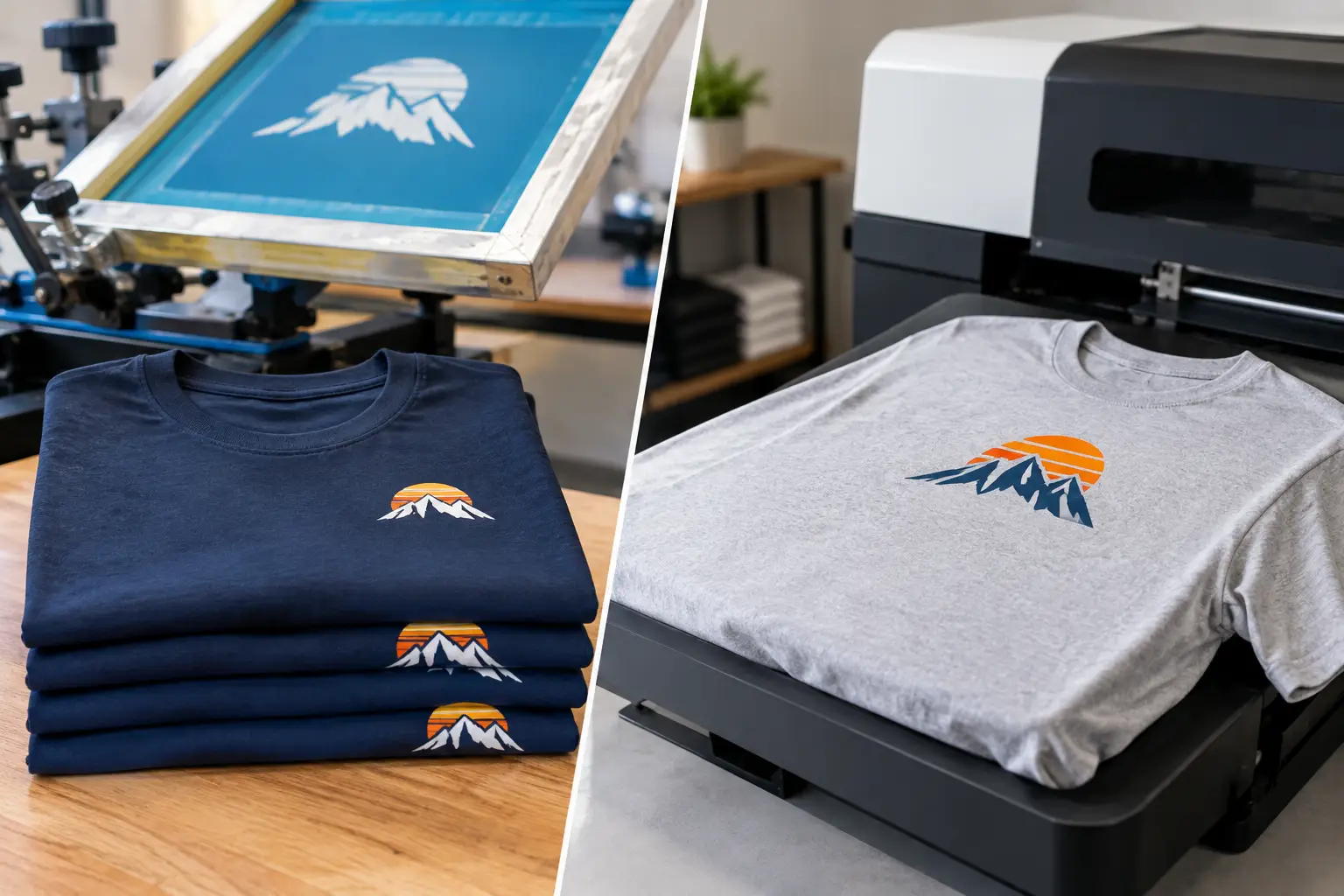
From there, lock in your artwork standards. Decide which logo version is approved, where it should be placed, and which decoration method is best for each product type. Embroidery often makes sense for polos, caps, and jackets where a polished, durable finish matters. Screen printing may be better for event tees or high-volume casual apparel. Good stores remove guesswork from those decisions.
It is also smart to define who can order what. A broad employee store and a manager-controlled uniform store can both be effective, but they serve different needs. If budgets matter, create rules early. If fast reordering matters most, keep the process simple.
Finally, work with a partner that controls production quality. Storefront convenience gets the attention, but in-house decoration, proofing accuracy, and dependable turnaround are what keep a program running. That is where experience matters. A company like LOGO USA, with USA-based production and long-term expertise in custom apparel programs, can support both the storefront and the craftsmanship behind it.
Measuring whether your store is doing its job
A branded company store should reduce admin time, improve consistency, and make ordering easier. If it is doing that, you will notice fewer custom quote requests, fewer logo errors, and fewer last-minute buying problems. Reorders should become simpler. Internal buyers should spend less time chasing approvals and tracking down approved products.
You should also look at adoption. Are employees and departments actually using the store, or are they finding workarounds? If they are bypassing it, the issue is usually one of three things: the product selection is off, the ordering rules are too restrictive, or fulfillment is not meeting expectations.
Brand presentation is another sign. When teams across locations show up in apparel that feels coordinated and professional, the store is doing more than processing transactions. It is supporting your company image in the real world.
When a branded company store is worth it
If your business is growing, hiring across locations, managing recurring events, or trying to bring order to scattered apparel buying, a store can quickly pay off in time saved and brand consistency gained. If your needs are occasional and simple, a standard order process may still be the better fit. It depends on frequency, complexity, and how important brand control is to your operation.
The best approach is to think beyond the storefront itself. A strong company store is really a managed branded apparel program with a better ordering experience. When the products are right, the decoration is consistent, and the fulfillment process is reliable, the store stops being another system to manage and starts becoming one less thing to worry about.
If your team is spending too much time coordinating apparel orders or fixing avoidable brand inconsistencies, that is usually the signal. The right company store does not add complexity. It puts structure around it, so your brand shows up the way it should every time.
Popular Blogs
What File Formats Does Embroidery Accept?
October 12, 2026