How to Launch an Apparel Store for Your Team
- August 5, 2026
- 4:12 am
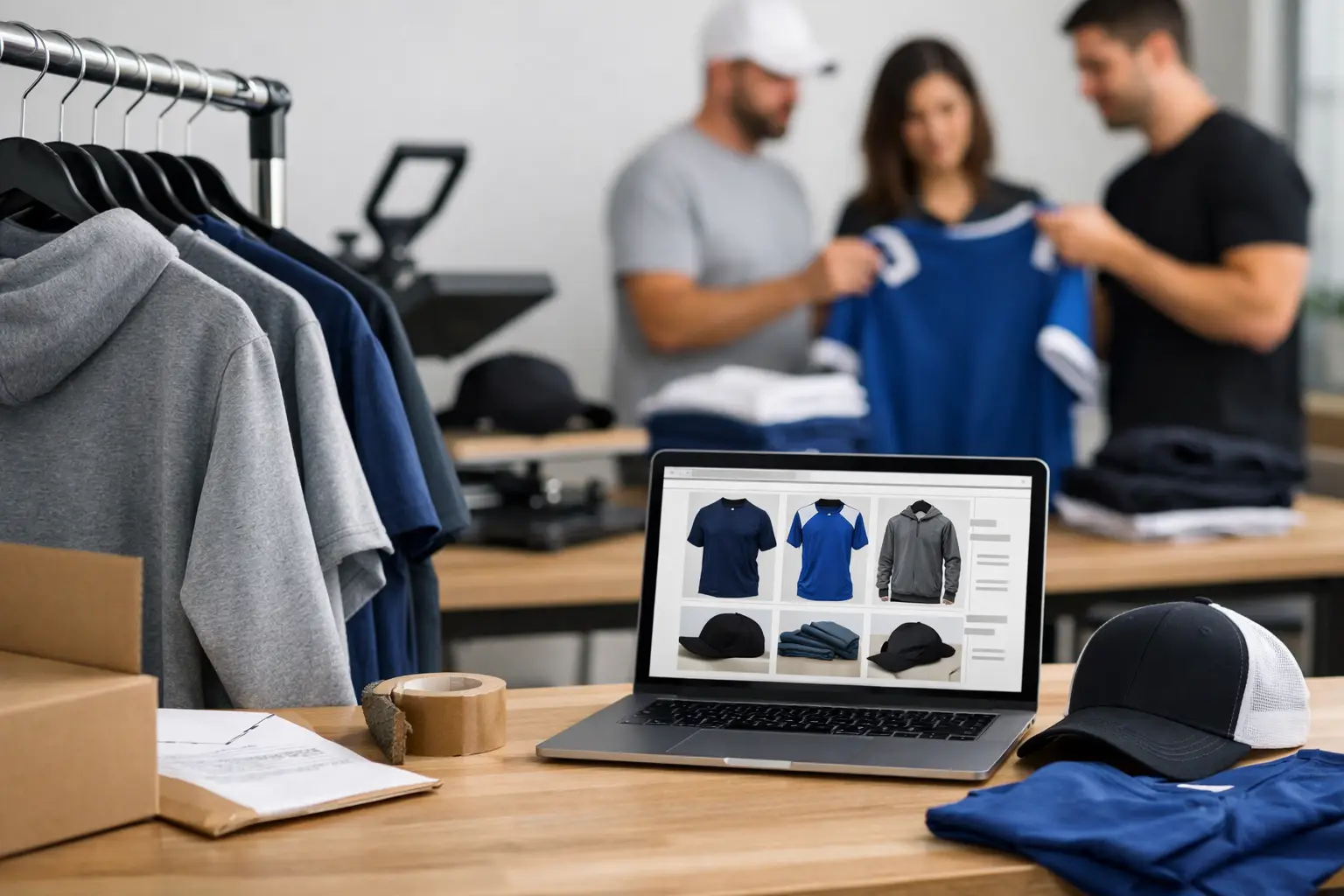
A new hire starts Monday, a field team needs jackets before the weather turns, and your event crew needs matching polos next week. If every request sends someone back to an old spreadsheet, a shared inbox, and a scramble for approved artwork, the process is working harder than it should. Learning how to launch an apparel store gives your organization one reliable place to order branded gear while keeping every logo, color, and garment choice on standard.
A company apparel store is not simply an online catalog with your logo added. It is an ordering program built around your workforce, brand requirements, budget, and production schedule. When it is planned well, employees get a simpler ordering experience and the people responsible for branding, HR, operations, or purchasing get better control.
Start With the Store’s Job to Be Done
Before choosing shirts, caps, or outerwear, decide what the store needs to accomplish. A store for a 40-person office may focus on employee onboarding and client-facing apparel. A multi-location service company may need durable workwear, safetywear, seasonal outerwear, and department-specific uniforms. An event-driven organization may need a fast way to distribute shirts and promotional items for recurring programs.
That purpose shapes every decision that follows. Ask who will place orders, who must approve them, whether employees will pay, whether the company will subsidize purchases, and whether products will ship to individual homes or one business location. These operational details matter as much as the apparel itself.
It also helps to identify the ordering patterns you expect. If your team reorders the same embroidered polos every quarter, prioritize proven items with dependable availability. If departments need different looks, create a controlled assortment rather than giving everyone access to every possible product. Choice is valuable, but too much choice can lead to inconsistent presentation and delayed decisions.
How to Launch an Apparel Store With Clear Brand Standards
The strongest apparel stores make approved choices easy. Start with the logo files your organization uses most often and confirm the approved logo versions, thread colors, print colors, placement rules, and minimum clear space. A logo that looks polished on a left-chest polo may not translate well to a small cap front or a jacket sleeve.
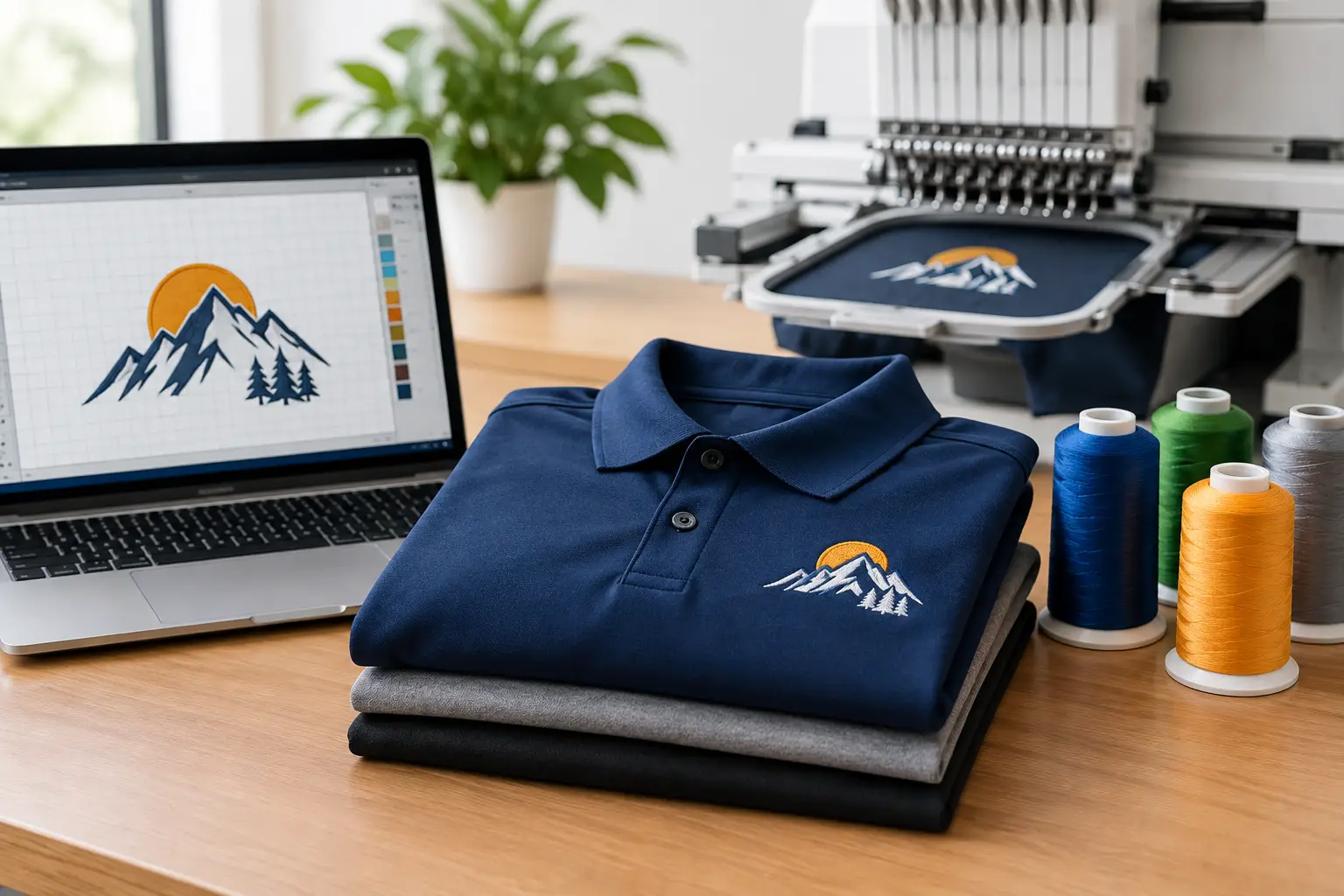
For embroidery, the artwork is converted into a digitized stitch file. That step determines how the logo will run on the garment and is central to a clean, durable result. Fine details, tiny text, color changes, and fabric type all affect the final appearance. A professional proofing process gives stakeholders a chance to review size, placement, and colors before production begins.
Keep your standards practical. Rather than requiring an exact color match across cotton tees, performance polos, fleece, and insulated jackets, specify the approved garment colors and decoration treatments for each category. Fabric texture and decoration method can change how color reads. A thoughtful standard protects the brand without creating expectations that production cannot reliably meet.
Your store should also establish a simple naming system. Employees should immediately understand which products are for everyday office wear, field uniforms, management, events, or outerwear. Clear product names and concise descriptions reduce ordering questions and help teams select the right item the first time.
Build an Assortment People Will Actually Wear
Apparel that sits in a closet does not build a brand. Your opening assortment should balance professional presentation, comfort, durability, and the conditions where people work. Start with core pieces that have broad appeal, then add specialty garments only where there is a clear need.
For many organizations, a dependable launch assortment includes polos for customer-facing roles, t-shirts for casual teams or events, sweatshirts for layering, caps for outdoor staff, and outerwear for colder conditions. Workwear and safetywear deserve their own approach because visibility, durability, and job requirements may outweigh style preferences.
Recognized apparel brands can help employees feel confident in what they receive, particularly when they know the fit and quality of names such as Carhartt, The North Face, OGIO, Port Authority, Richardson, or TravisMathew. Still, the right brand depends on the role. A premium quarter-zip may fit a sales team, while a hard-wearing hoodie or high-visibility shirt better serves a construction or delivery crew.
Sizing is another major consideration. Offer a complete size range and include fit guidance wherever possible. If your workforce has not ordered a particular garment before, consider a sample review or a small pilot order. The cost of confirming fit early is often far lower than handling returns, exchanges, and frustrated employees after a large rollout.
Set Ordering Rules Before Opening the Store
An apparel store should remove administrative work, not move it to a different place. Define purchasing rules before launch so employees know what they can order and managers know what they are approving.
For a company-paid program, decide whether each employee receives an annual allowance, a new-hire package, or access to designated products at no cost. For employee-paid stores, determine whether the company will offer a discount, cover decoration costs, or allow personal purchases from an approved collection. Hybrid models work well, too. For example, the company may provide two uniform shirts and let employees purchase additional layers or branded accessories.
Approval workflows should match the risk, not create unnecessary friction. A standard reorder of approved polos may not need manager review. A large department order, a new logo version, or an item outside the standard collection may require approval. Keep the process easy for routine orders and controlled for exceptions.
Also decide how shipping will work. Individual home shipping is convenient for remote teams and dispersed workforces. Bulk shipping to a company location can reduce costs and simplify distribution for a single office, event, or job site. Many programs need both options depending on the order type.
Choose a Production Partner That Can Support Growth
Your apparel store represents your company every time an employee wears a logo in public. Price matters, but dependable execution matters more when uniforms, event deadlines, or client-facing teams are involved. Look for a partner that can manage product selection, logo preparation, digital proofing, decoration, and reorders with clear accountability.
In-house embroidery and screen printing offer greater production control than a fragmented process that passes work among multiple vendors. Domestic production can also make communication, quality checks, and turnaround planning more straightforward. At LOGO USA, approved artwork moves through an in-house production process designed to deliver decorated apparel within 7-10 business days after art approval, helping businesses plan around real deadlines.
Ask prospective partners how they handle inventory changes, discontinued garments, rush needs, reorders, and quality concerns. No supplier can guarantee every product remains available forever, especially with seasonal apparel and high-demand colors. What separates a dependable program is a clear process for recommending comparable alternatives and protecting the look of your branded collection when changes occur.
Test the Experience Before the Full Rollout
Do not wait for the first company-wide order to discover unclear product descriptions, missing sizes, or an approval bottleneck. Run a pilot with a representative group from different departments, locations, and job roles. Ask them to place orders as they normally would and pay attention to where they hesitate.
Review the basics: Can users find the right collection quickly? Are logo placements clear? Do product descriptions explain fabric, fit, and intended use? Does the order confirmation provide the information your team needs? Pilot feedback often reveals small improvements that make the final launch feel organized and professional.
This is also the time to confirm your internal communication plan. Employees do not need a long announcement. They need to know what the store is for, who can use it, what the ordering rules are, where items ship, and who can answer questions. A short, direct launch message is more effective than a detailed policy that no one reads.
Keep the Store Useful After Launch
A store should evolve with your organization. Review order activity after the first few months to see which products earn repeat purchases, which sizes are frequently exchanged, and which categories are rarely used. Retire items that create confusion or poor value, then add products only when they solve a real need.
Seasonal updates are particularly useful. Lightweight performance apparel may be the priority in summer, while fleece, insulated vests, and jackets become more relevant in fall and winter. Event collections can be added for a campaign or conference, then removed after the deadline to keep the main store focused.
Most importantly, maintain the discipline that made the store valuable in the first place: approved artwork, purposeful product choices, clear rules, and dependable production. When branded apparel is easy to order and consistently well made, employees wear it with confidence, and every interaction becomes a more polished representation of your business.
Popular Blogs
What File Formats Does Embroidery Accept?
October 12, 2026