How to Choose Embroidered Company Shirts
- May 27, 2026
- 1:39 am
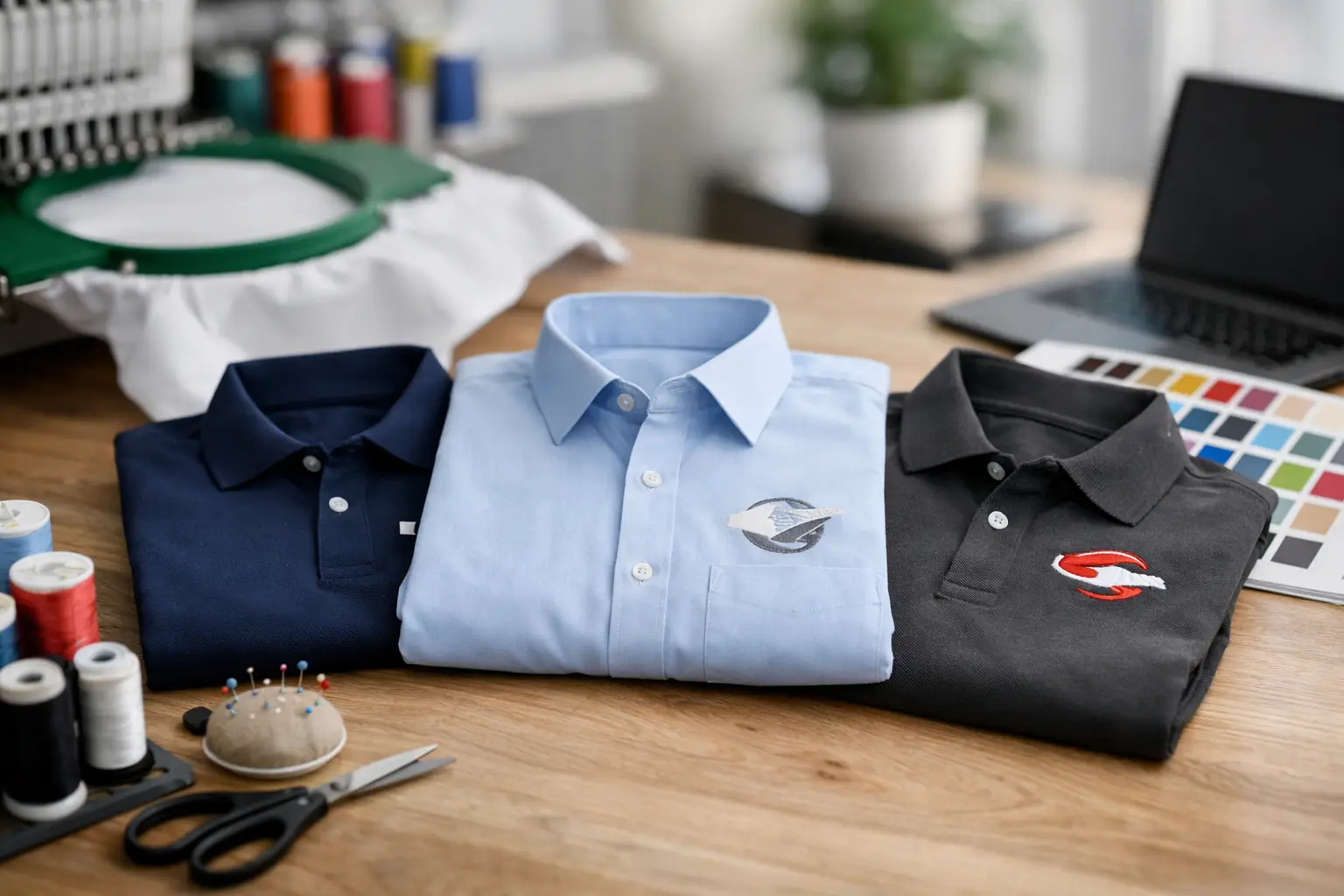
A company shirt has to do more than carry a logo. It has to look sharp in front of customers, feel comfortable through a full workday, and hold up after repeated washing. That is why embroidered company shirts remain a top choice for businesses that want a professional, durable branded look without overcomplicating the ordering process.
For many teams, embroidery hits the right balance between polish and practicality. A stitched logo adds texture, dimension, and permanence that printed decoration often cannot match on polos, button-downs, outerwear, and uniforms. The result is a finished piece that feels intentional, not temporary.
Why embroidered company shirts work so well
When employees wear branded apparel, they represent the business before they say a word. Clean, well-made embroidery helps communicate stability, attention to detail, and pride in presentation. That matters whether you are outfitting a front desk team, a sales crew at a trade show, a field service department, or managers across multiple locations.
Embroidery also performs well in real-world conditions. Stitching tends to hold its appearance over time, especially on apparel designed for corporate wear and uniform programs. If your team needs shirts for frequent use, that long-term durability can make embroidery a better value than cheaper-looking alternatives.
There is also a brand consistency advantage. Embroidered logos on quality shirts create a more uniform appearance across departments and job roles. That consistency becomes even more valuable when you are supporting hiring events, customer-facing staff, franchise locations, or recurring reorder programs.
What to look for in embroidered company shirts
The best shirt is not always the most expensive one. It is the one that matches how your team works, how your brand needs to show up, and how often the apparel will be worn.
Fabric matters more than most buyers expect
Fabric affects comfort, performance, and embroidery results. Cotton-rich polos feel familiar and soft, which works well for office staff, hospitality teams, and event wear. Polyester and performance blends are often a better fit for active jobs, warmer environments, or employees moving between indoor and outdoor settings.
Some fabrics show embroidery especially well because they provide a stable surface and maintain shape. Others can be lighter, stretchier, or more textured, which may require more thoughtful logo placement and backing. This is one reason product selection should never happen in isolation from decoration planning.
Shirt style should match the job
A classic polo is still the standard for many business buyers because it bridges professionalism and everyday wear. It works across offices, retail counters, service visits, golf events, and company outings. Button-down shirts can raise the presentation level for management, hospitality, or executive-facing settings, while work shirts and industrial styles are better for crews that need durability first.
Fit also plays a role in adoption. If the shirt looks too boxy, too lightweight, or too formal for the workplace, employees may wear it reluctantly. A polished brand program works better when the apparel is something people will actually choose to put on.
Logo size and placement change the look
Most businesses default to left chest embroidery for good reason. It is clean, recognizable, and professional across a wide range of garments. But that does not mean it is the only choice. Sleeve embroidery, hat coordination, or outerwear pairing can extend the branding system without making the look too busy.
The key is restraint. A heavily detailed logo may need to be simplified for embroidery, especially at smaller sizes. Fine lines, tiny text, and gradients do not always translate well into thread. Good digitizing and proofing help prevent surprises and protect brand integrity before production starts.
Choosing the right shirt brand for your team
Brand matters because it affects perceived value, wearability, and consistency. A premium polo from a recognized name can elevate a customer-facing team and leave a stronger impression at events. It can also improve employee satisfaction, which is not a small thing when apparel is part of daily wear.
That said, premium is not the answer for every program. If you are ordering for large crews, seasonal hiring, or budget-sensitive promotions, the smarter move may be a dependable mid-range shirt that still embroiders cleanly and wears well. The right decision depends on how long the apparel needs to last, how visible the team is, and how many units you need.
For many buyers, the sweet spot is a curated mix. Leadership may wear elevated polos or outerwear, while broader staff programs use cost-efficient styles that maintain a consistent brand look. This approach gives you control over budget without making the entire program feel uneven.
Embroidered company shirts for different business uses
Not every order has the same purpose, and that should shape your product choice.
For everyday employee uniforms, durability and reorder consistency usually matter most. You want shirts that will be available again, colors that stay aligned with your branding, and decoration that looks the same from batch to batch.
For events and trade shows, appearance tends to lead the decision. The shirt needs to look crisp for long hours on the floor, photograph well, and help attendees quickly identify your team. In those cases, a slightly more premium shirt often pays off.
For client gifts or executive apparel, the standard rises again. Recognized brands, refined fabrics, and clean embroidery create a stronger perceived value. If the goal is retention, appreciation, or partner visibility, the garment itself carries part of the message.
For field teams, comfort and function can outweigh a softer hand or fashion fit. Moisture-wicking performance polos, easy-care button-downs, and rugged work shirts often make more sense than lighter retail-style pieces.
The ordering process should be simple, not risky
Business buyers do not need more steps. They need a clear path from product selection to delivered apparel, with fewer chances for error along the way.
A strong embroidered apparel process starts with choosing garments that fit the use case, then confirming artwork, thread colors, logo size, and placement before production begins. Digital proofing is especially valuable here because it gives stakeholders a chance to approve the look before shirts are decorated.
Production control matters too. When embroidery and digitizing are handled in-house, quality tends to be more consistent and timelines easier to manage. That becomes even more important for larger orders, repeat programs, and multi-department approvals where mistakes create delays and added cost.
Buyers should also ask about turnaround time early. Fast service is helpful, but speed only matters when it is paired with accuracy. A dependable 7-10 business day production timeline after art approval is often more useful than a vague rush promise that puts quality at risk.
Common mistakes to avoid
One of the biggest mistakes is picking a shirt based on price alone. A low-cost garment that shrinks, snags, or loses shape can make the embroidery look worse over time, which undermines the whole purpose of branded apparel.
Another issue is forcing a complicated logo into a format that is too small. Embroidery has physical limits. If your logo includes tiny text or intricate design elements, adjustments may be needed to preserve clarity.
Sizing is another place where good programs go off track. If your order includes a wide employee group, offering inclusive size ranges and fits is not optional. It improves wear rates and reduces the friction that comes with distributing apparel people cannot comfortably use.
Lastly, do not treat your first order like a one-time project if you know reorders are likely. Think ahead about style continuity, approved thread colors, logo files, and internal ordering workflows. A little planning up front makes future orders much easier to manage.
Why quality embroidery supports the brand long term
A well-executed shirt order does more than check a uniform box. It creates a stronger visual standard for the business. Customers notice when teams look coordinated. Employees notice when the company invests in presentation and quality. Over time, those details shape how the brand is experienced in the field.
This is where craftsmanship matters. Clean stitching, balanced placement, dependable color matching, and consistent production all add up to apparel that feels credible. That is especially important for growing companies and established organizations that need brand standards to hold across locations, teams, and reorder cycles.
At LOGO USA, that focus on premium craftsmanship, in-house production, and dependable turnaround is what helps business buyers order with confidence. The goal is not just to decorate a shirt. It is to deliver apparel that works hard for your brand from the first wear to the fiftieth.
If you are choosing embroidered company shirts, start with the reality of how your team will use them. The right shirt should reflect your brand, fit the work, and hold its quality over time. When those pieces line up, branded apparel stops being a task and starts becoming an asset.
Popular Blogs
What File Formats Does Embroidery Accept?
October 12, 2026