
Employee Onboarding Merchandise Guide for Teams
- November 15, 2026
- 2:53 am
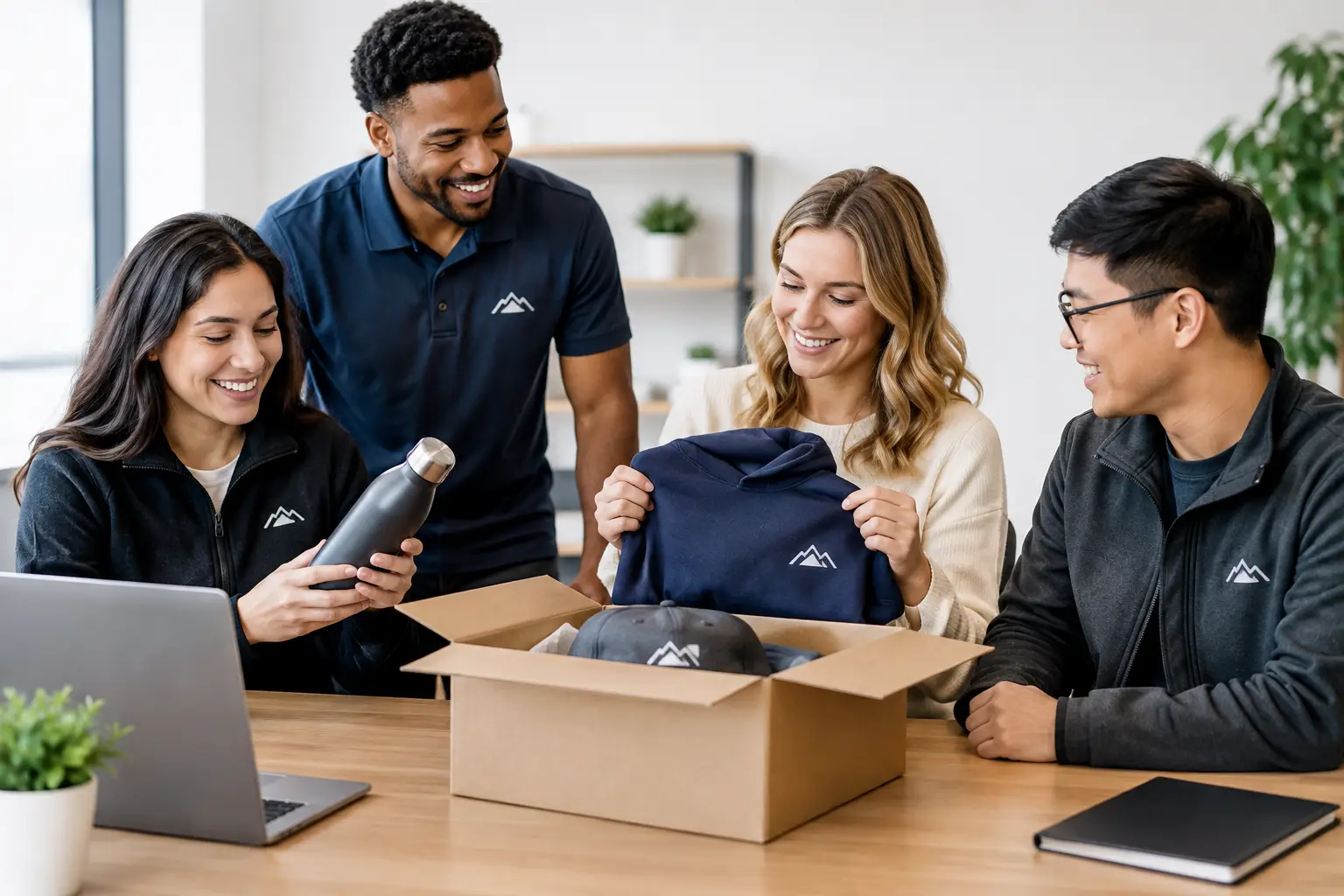
A new hire can tell a lot about an organization before their first meeting ends. Is their workstation ready? Does the team look organized? Is there a branded polo or jacket waiting in their size? A thoughtful employee onboarding merchandise guide helps HR, operations, and brand teams turn those first details into a professional, consistent welcome.
The best onboarding merchandise is not a collection of random giveaways. It is a practical extension of your company identity. Branded apparel and useful gear should help employees feel prepared for their role, connected to the team, and confident representing the business from day one.
Employee Onboarding Merchandise Guide: Start With the Job
One onboarding kit rarely works for every employee. A field technician, restaurant manager, office coordinator, sales representative, and warehouse associate have different day-to-day needs. Start by identifying where the employee works, what they wear, whether they meet customers, and how often they need to represent the company in public.
For customer-facing roles, polished branded apparel is usually the foundation. Embroidered polos, button-down shirts, quarter-zips, vests, and caps create a recognizable appearance without making employees feel over-uniformed. Choose pieces that fit the actual work environment. A lightweight polo may make sense for a property management team, while a durable work shirt or outerwear layer is better for construction, delivery, or facilities staff.
Office-based hires may need a more flexible kit. A quality polo or quarter-zip gives them an appropriate option for events, client visits, and casual office days. Pair it with a practical bag, notebook, or drinkware only if those items will be used regularly. Useful merchandise lasts longer and keeps your logo visible in the right settings.
Remote employees deserve the same level of consideration. A branded sweatshirt, cap, or performance tee can build connection when a new hire is not walking into a physical office. The key is to make the package feel intentional rather than generic.
Build Around a Reliable Apparel Foundation
Apparel carries more long-term value than many traditional promotional items because it becomes part of an employee’s regular rotation. It also gives your brand repeated exposure at job sites, trade shows, community events, and customer meetings.
A strong starting point is one core garment that aligns with your dress expectations. Embroidered polos remain a dependable choice for professional teams because they look polished, hold up well, and work across many industries. For more casual brands, a soft t-shirt or hoodie may be the better cultural fit. For teams working outdoors or in changing weather, branded outerwear can be one of the most appreciated onboarding investments.
Fabric, fit, and decoration method matter. Performance fabrics are a smart option for active roles, but some lightweight materials may not support every embroidery design well. Screen printing is often ideal for larger artwork on t-shirts and sweatshirts, while embroidery adds a premium, durable finish to polos, jackets, caps, and workwear. Your logo’s size, stitch detail, and placement should be reviewed before production so the finished garment looks clean and legible.
Recognized apparel brands can also strengthen perceived value. Employees notice the difference between a basic giveaway shirt and a comfortable, well-made garment they want to wear outside of work. That does not mean every kit needs premium outerwear. It means the product should match the importance of the role, the expected wear frequency, and your budget.
Choose Merchandise Employees Will Actually Keep
The most effective kits balance company visibility with personal usefulness. Instead of adding items simply to make a box feel full, select merchandise that supports an employee’s workday or lifestyle.
A new salesperson may benefit from a branded bag that carries samples, a notebook for client meetings, and an embroidered layer for travel. A new operations employee may get more value from a durable cap, insulated drinkware, and work-ready apparel. A corporate office kit might include a polished polo, quarter-zip, and desk-ready accessories.
Consider the employee experience after the first week. Will the item still be used? Does it fit the role? Does it reflect the standard you want customers to associate with your company? If the answer is no, it may be better to invest that budget in a higher-quality garment or a second apparel piece.
Avoid overloading a kit with low-value items that create clutter. More merchandise does not automatically create a better welcome. A smaller, well-selected package often feels more professional than a large box of products with no clear purpose.
Make Sizing and Ordering Easy to Manage
Sizing is one of the biggest operational details in any employee apparel program. A great branded jacket loses its impact if it does not fit. Build a simple sizing process into your onboarding workflow, ideally before the employee’s first day.
For smaller teams, HR or the hiring manager can collect size and color preferences as part of the preboarding checklist. For larger organizations, an employee apparel store can reduce administrative work by letting new hires select from approved products, colors, and logo placements. This approach is especially useful when multiple locations, departments, or job types require different merchandise packages.
Keep your core assortment focused. Offering too many garment choices can slow approvals, complicate inventory, and create inconsistent branding. A few proven styles in approved colors are easier to reorder and easier for employees to understand. It is also wise to keep notes on decoration specifications, including logo location, thread colors, print colors, and garment style numbers. Consistency matters as your team grows.
Plan for seasonal needs as well. A new employee who starts in January may need a branded fleece or jacket immediately, while a summer hire may be better served by moisture-wicking polos and caps. One year-round kit can work for some businesses, but field-based and geographically distributed teams often benefit from seasonal variations.
Protect Brand Standards Without Making Kits Feel Rigid
Every item in an onboarding package should look like it belongs to the same company. That means using approved logo files, consistent colors, and decoration placements that make sense for each product. A left-chest embroidered logo may be ideal for polos and jackets, while a larger screen-printed design may work best on the back of a t-shirt.
This is where a digital proof is valuable. Review the logo scale against the garment, check that fine details will reproduce clearly, and confirm spelling, color, and placement before production begins. Small errors become costly when apparel is ordered in volume or used across multiple locations.
At the same time, brand consistency does not require every employee to wear the exact same item. Give teams appropriate choices within a controlled selection. For example, a sales team might choose between a polo and a quarter-zip, while field crews select from approved work shirts, safetywear, and outerwear. The brand stays unified, but employees get products suited to their work.
Set a Timeline That Supports Day-One Readiness
Onboarding merchandise works best when it is ready before the employee arrives. Waiting until the second or third week can make the package feel like an afterthought, especially for uniforms or customer-facing apparel.
Work backward from the start date. Allow time for collecting sizes, selecting products, approving artwork, and producing decorated goods. If your program involves multiple items or individual employee names, build in additional coordination time. Standardizing the kit and using approved artwork can make repeat orders much faster.
For companies with ongoing hiring, it helps to establish a replenishment process rather than starting from scratch with every new employee. Keep your selected apparel styles documented, review discontinued products periodically, and set reorder points for common accessories or packaging materials. A dependable production partner can help maintain the same quality across first orders, reorders, and larger team rollouts.
Measure What Is Working
You do not need a complex survey to improve your onboarding merchandise program. Ask new hires which items they used most, whether the apparel fit as expected, and what they would change. Managers can also provide feedback on presentation, durability, and whether employees wear the items on the job.
Look for patterns. If employees consistently wear the quarter-zips but leave the branded tote bags at home, move more of the budget toward apparel. If field teams request additional caps or safetywear, adjust the standard kit by role. The right program improves over time because it responds to real employee needs rather than assumptions.
A well-planned onboarding package gives new employees something tangible: proof that your organization is prepared for them. With quality garments, useful merchandise, consistent decoration, and dependable production, that first-day welcome can set a standard employees will carry into every customer interaction. LOGO USA can help make that standard easier to maintain as your team grows.
Popular Blogs

Corporate Uniform Program Examples That Work
November 25, 2026