Corporate Uniform Program Examples That Work
- November 25, 2026
- 2:52 am
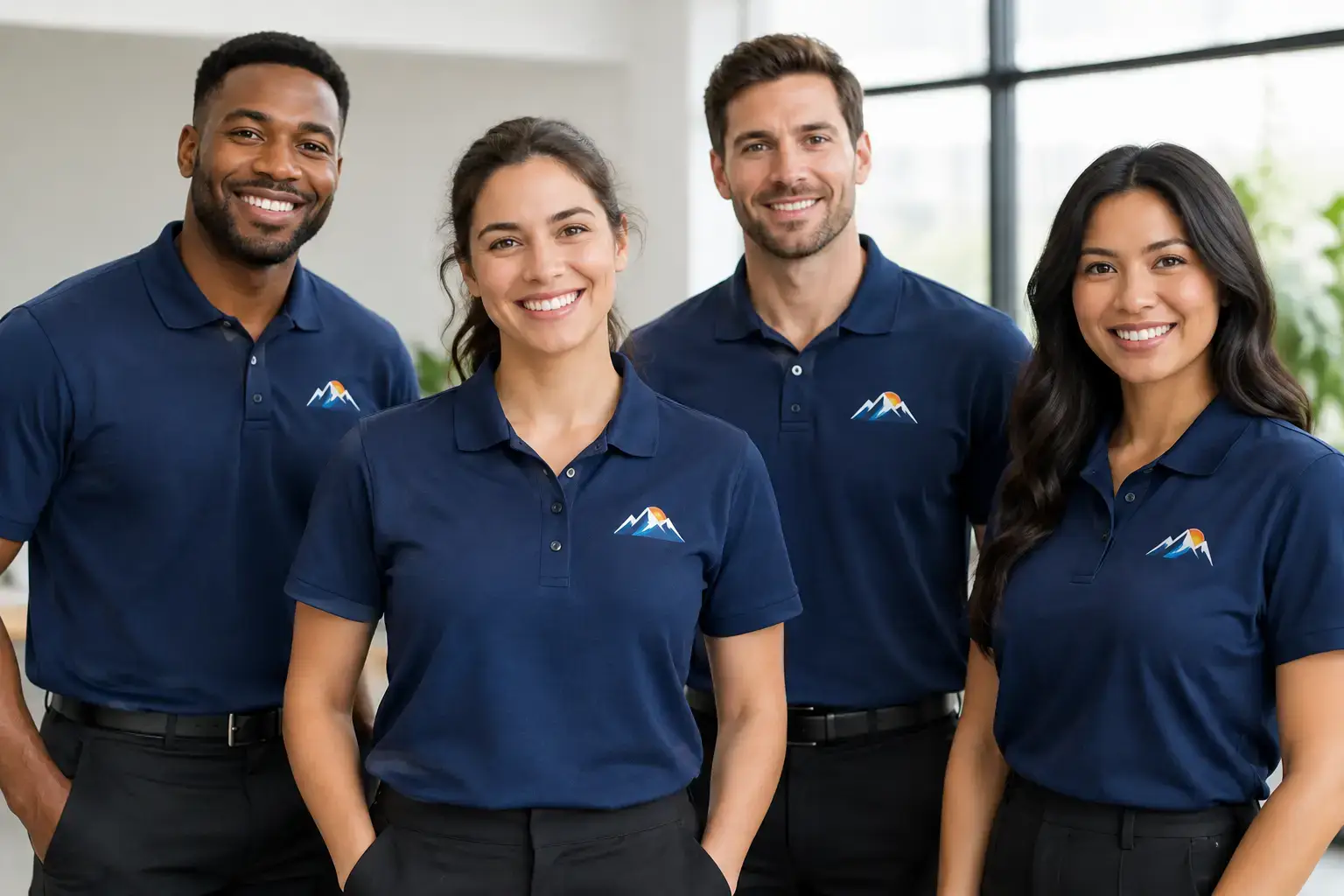
A uniform program is not just a bulk order of matching shirts. It is a working system for keeping employees recognizable, comfortable, and on-brand across every shift, season, and location. The best corporate uniform program examples account for the real conditions employees face, from a customer-facing lobby to a jobsite in bad weather, while making ordering and reordering easier for the people responsible.
For HR, operations, procurement, and brand teams, the goal is simple: create a consistent look without forcing every employee into the same garment. A well-built program gives teams practical choices, protects brand standards, and makes a professional first impression every time someone represents the company.
What Makes a Corporate Uniform Program Effective?
A strong program starts with roles, not apparel categories. A sales associate, warehouse supervisor, field technician, and executive host may all represent the same business, but they need different levels of durability, mobility, warmth, and formality. One logo treatment can unite them without giving everyone the exact same uniform.
Consistency matters, but so does adoption. If the fabric is uncomfortable, the fit is restrictive, or the garments do not match the work, employees will avoid wearing them. That creates the appearance problem the program was meant to solve. The most successful programs set a clear visual standard and offer approved options within that standard.
There is also a practical purchasing question: will employees receive an initial uniform allotment, order through a company apparel store, or submit requests through a manager? The right answer depends on team size, turnover, locations, and how often items need to be replaced. A 20-person local office can often work from a simple approved collection. A multi-location organization usually benefits from a controlled online store and defined purchasing rules.
Corporate Uniform Program Examples by Team Type
Office and Client-Facing Teams
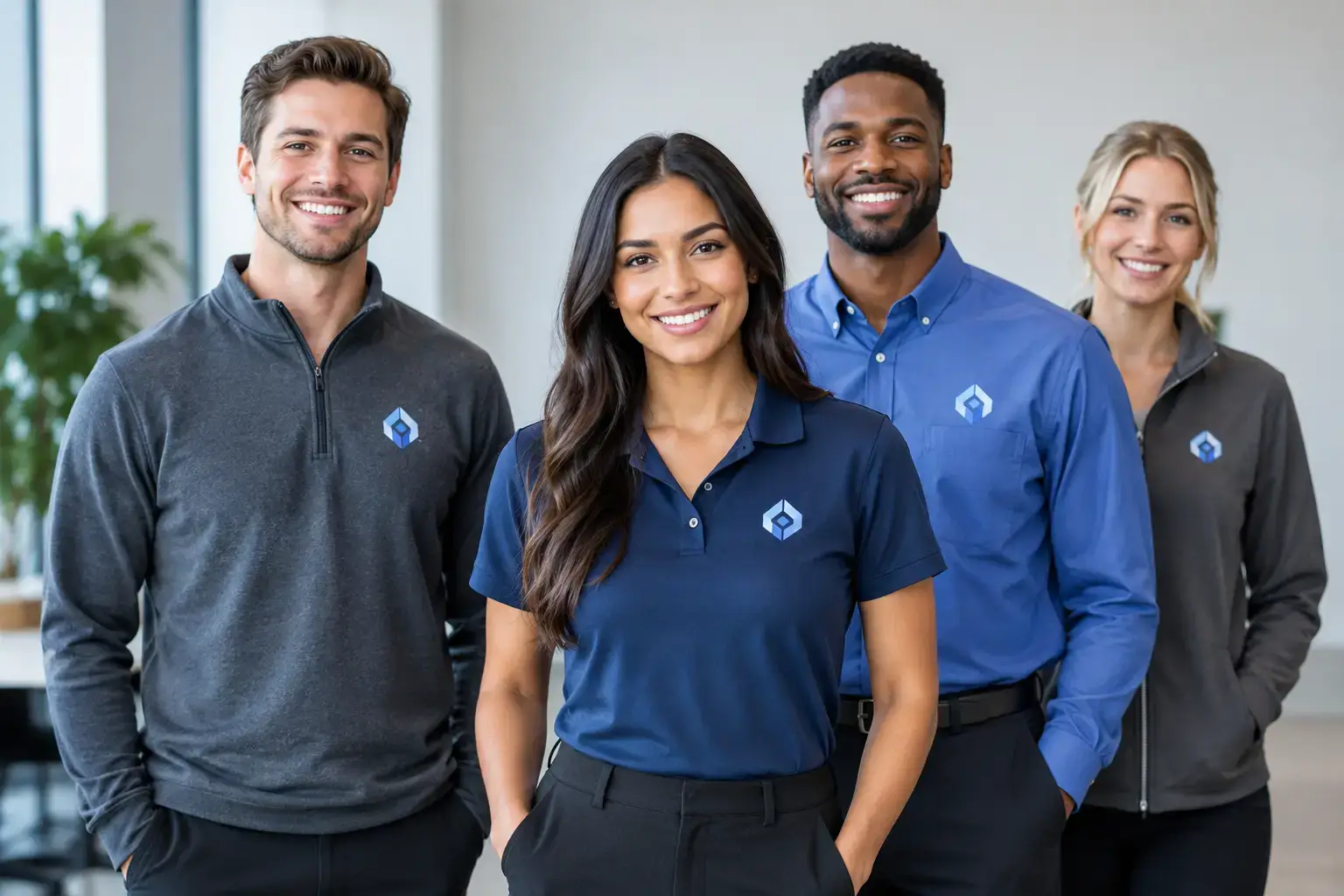
For professional services, financial offices, real estate groups, and corporate reception teams, a polished uniform program often centers on embroidered polos, woven shirts, quarter-zips, and lightweight jackets. The garments should look refined enough for client interaction without feeling overly formal for daily work.
A practical approach is to offer a core polo in two or three brand-approved colors, paired with an embroidered quarter-zip for cooler offices and travel days. Leaders and client-facing staff may receive a premium button-down or outerwear option, while administrative teams use the same logo size and placement for a unified appearance.
This model works especially well when the company wants brand visibility but does not want to require identical clothing every day. Keep the embroidery clean and proportional. A left-chest logo is usually the most versatile choice for professional apparel, while a large back print can feel out of place in more formal settings.
Retail and Hospitality Staff
Retail and hospitality uniforms need to make employees easy to identify while holding up through frequent washing and long shifts. Branded t-shirts, polos, aprons, caps, and layering pieces are common choices, but the combination should reflect the customer experience the business wants to create.
A boutique retail program may use dark embroidered polos and branded jackets for a tailored look. A casual restaurant or visitor attraction may choose soft, printed tees with caps and aprons. In each case, the visual system should tell customers who can help them without making staff feel like they are wearing promotional giveaways.
Color is a useful tool here. A recognizable brand color can be reserved for front-of-house staff, while managers wear a complementary polo or performance layer. This creates hierarchy without adding complicated job-title patches or entirely separate uniform collections.
Field Service and Trade Crews
Field teams need apparel that earns its place on the truck. HVAC technicians, installers, landscaping crews, electricians, property maintenance teams, and construction supervisors generally need durable workwear, dependable logo decoration, and layers that adapt to changing conditions.
A typical field-service program might include moisture-wicking work polos for warm weather, long-sleeve tees for sun coverage, hooded sweatshirts for cool mornings, and insulated jackets or vests for winter. Add durable caps for outdoor work and high-visibility safetywear when the job or environment requires it.
For these teams, garment quality is a brand decision. A faded shirt, peeling print, or lightweight jacket that fails after one season sends the wrong message before an employee says a word. Embroidery is often a reliable choice for polos, jackets, and structured workwear, while screen printing can be ideal for larger logo placements on t-shirts and sweatshirts.
It depends on the garment and logo detail. Fine-line logos, small lettering, and highly detailed artwork should be reviewed before production so the finished decoration stays clear and readable. A digital proof is the point to confirm thread colors, placement, scale, and spelling before the full order moves forward.
Warehouse, Delivery, and Operations Teams
Operations teams need clear identification and garments that allow movement. Performance polos, breathable tees, work shirts, caps, and weather-ready outerwear are usually more practical than traditional office apparel. If employees move between a warehouse, vehicle, and customer site, layers become essential.
One effective structure is a basic branded tee or polo for everyday work, plus an approved sweatshirt and jacket for seasonal conditions. Supervisors can wear a different shirt color or a higher-end polo to make leadership easy to identify. If safety requirements apply, select compliant high-visibility garments rather than trying to add branding to apparel that does not meet the job’s needs.
Delivery teams often benefit from a more customer-ready version of this program. A clean polo, branded cap, and durable outerwear give drivers a professional appearance at the doorstep while still supporting a physically active day.
Events, Brand Ambassadors, and Temporary Teams
Short-term programs have a different job: they must create instant recognition. Trade show crews, volunteer teams, product launch staff, and event personnel often need apparel that is easy to distribute, easy to size, and visually strong from a distance.
Printed t-shirts are often the right choice for large event groups because they are efficient for high quantities and can showcase a bolder design. For leadership, sales representatives, or booth staff, add embroidered polos or branded quarter-zips that feel more elevated. This two-tier approach keeps the event visually coordinated while distinguishing the people who are handling customer conversations.
Do not overlook the schedule. Event apparel should be approved and ordered with enough time for artwork review, sizing collection, production, and shipment. Rushed orders can limit garment availability and color options, particularly when the program includes multiple sizes or premium brands.
How to Build a Program Employees Will Actually Wear
Start by defining the non-negotiables: approved logo version, garment colors, logo placement, and roles that require specific apparel. Then build choices around those standards. Most organizations do not need dozens of items. They need a focused assortment that covers warm weather, cold weather, professional meetings, and physically demanding work.
A reliable starting collection may include:
- A core polo or work shirt for daily use
- A t-shirt option for active, casual, or promotional roles
- A sweatshirt, quarter-zip, or fleece for layering
- A jacket or vest for outdoor and seasonal conditions
- A cap, beanie, apron, or bag when the role calls for it
Fit deserves attention early. Offer a reasonable size range and consider both men’s and women’s garment options when appropriate. A uniform program that fits only part of the workforce will create unnecessary exchanges, inconsistent wear, and employee frustration.
Next, decide how replenishment will work. Some companies issue a fixed number of garments at onboarding and replace items annually. Others provide a seasonal allowance or let managers approve purchases through a company store. For recurring needs across departments or locations, a managed apparel store can reduce email back-and-forth, keep only approved items available, and make reorders much more consistent.
Protect Brand Standards Without Overcomplicating Ordering
The apparel itself is only half the program. The other half is control. Without clear rules, different departments may order different logo files, mismatched colors, or garments that do not reflect the brand. That becomes expensive to correct and difficult to manage as the company grows.
Document the approved collection, logo locations, decoration methods, and order process. Keep that guidance simple enough for office managers and department leaders to use without needing a brand meeting for every reorder. A good supplier should help confirm garment availability, recommend appropriate decoration, prepare artwork for production, and provide a proof before work begins.
LOGO USA supports this process with in-house embroidery, screen printing, graphic design support, and domestic production, helping businesses move from a single uniform order to an organized, repeatable program. The value is not just putting a logo on apparel. It is maintaining the same polished result when the first order becomes the fiftieth.
The right uniform program gives employees clothing they are comfortable wearing and gives customers a consistent reason to trust who is standing in front of them. Start with the work, choose garments that match it, and build an ordering process that keeps the standard intact.
Popular Blogs
Corporate Uniform Program Examples That Work
November 25, 2026