Corporate Apparel Trends 2026
- June 30, 2026
- 2:01 am
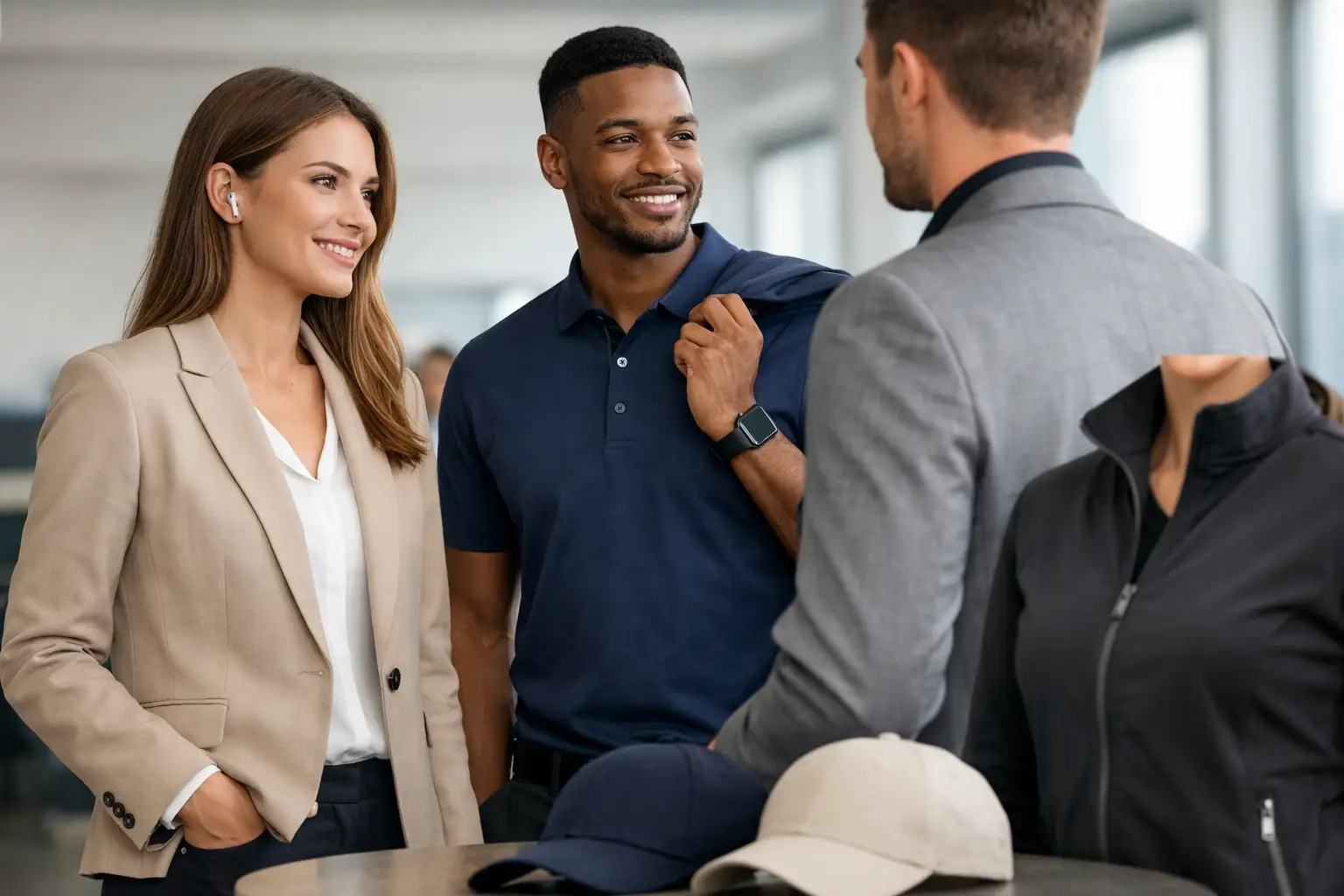
The companies getting the most value from branded apparel in 2026 will not be the ones ordering the cheapest polo in the catalog. They will be the ones choosing apparel that employees actually want to wear, managers can reorder without friction, and brands can present with confidence. That is the real shift behind corporate apparel trends 2026 – branded clothing is moving from giveaway territory into a more deliberate part of workforce presentation, recruiting, retention, and day-to-day brand consistency.
For business buyers, that changes the buying criteria. Price still matters, but so do fabric performance, fit across different body types, decoration quality, and how well a program holds up across multiple locations or repeat orders. Apparel now has to work harder. It has to look professional, last through repeated wear, and feel current without chasing short-lived fashion.
What corporate apparel trends 2026 really mean for buyers
The biggest change is not one single garment category. It is the expectation that branded apparel should perform like real wardrobe product, not just branded inventory. Employees compare company-issued apparel to what they already wear off the clock. If a quarter-zip feels stiff, a tee loses shape, or a logo placement looks dated, adoption drops fast.
That is why more buyers are leaning toward premium basics, elevated layering pieces, and better-known retail-inspired brands. A clean polo still has a place, especially in customer-facing roles, but the standard uniform package is broadening. Vests, lightweight outerwear, modern fleece, structured caps, and performance button-downs are all seeing more attention because they give teams options without weakening brand standards.
There is also a practical reason for this shift. Many businesses are hiring across office, field, warehouse, and hybrid environments at the same time. One apparel solution rarely fits every role. The stronger approach is a coordinated program with a clear brand look across multiple garment types.
Polished casual is replacing rigid uniform thinking
Dress codes have relaxed, but brand expectations have not. That tension is shaping one of the clearest corporate apparel trends 2026: polished casual is becoming the default for many industries.
For office teams, that often means soft polos, refined tees, lightweight pullovers, and jackets that work on video calls, in the office, and at events. For field teams, it means durable workwear and outerwear that still present a clean branded image. For trade shows and recruiting events, it means apparel that feels current enough to represent the company well without looking overly promotional.
The key is balance. A highly formal uniform can feel out of step in a flexible workplace, but apparel that is too casual can weaken brand credibility. Buyers are responding by building collections instead of single-item solutions. A polo for client visits, a fleece for daily wear, and a cap or tee for event use gives employees variety while keeping the brand presentation controlled.
Premium fabric performance is no longer optional
Buyers have spent years learning that low-cost apparel can become expensive quickly when it shrinks, fades, pills, or gets pushed to the back of the closet. In 2026, fabric performance is moving closer to the center of the decision.
Moisture-wicking polos, stretch layers, snag-resistant workwear, and fleece with a more substantial hand feel are all gaining ground because they solve real use-case problems. Comfort matters, but durability matters just as much. If you are outfitting employees for daily wear, the product has to hold shape and maintain decoration through repeated washing.
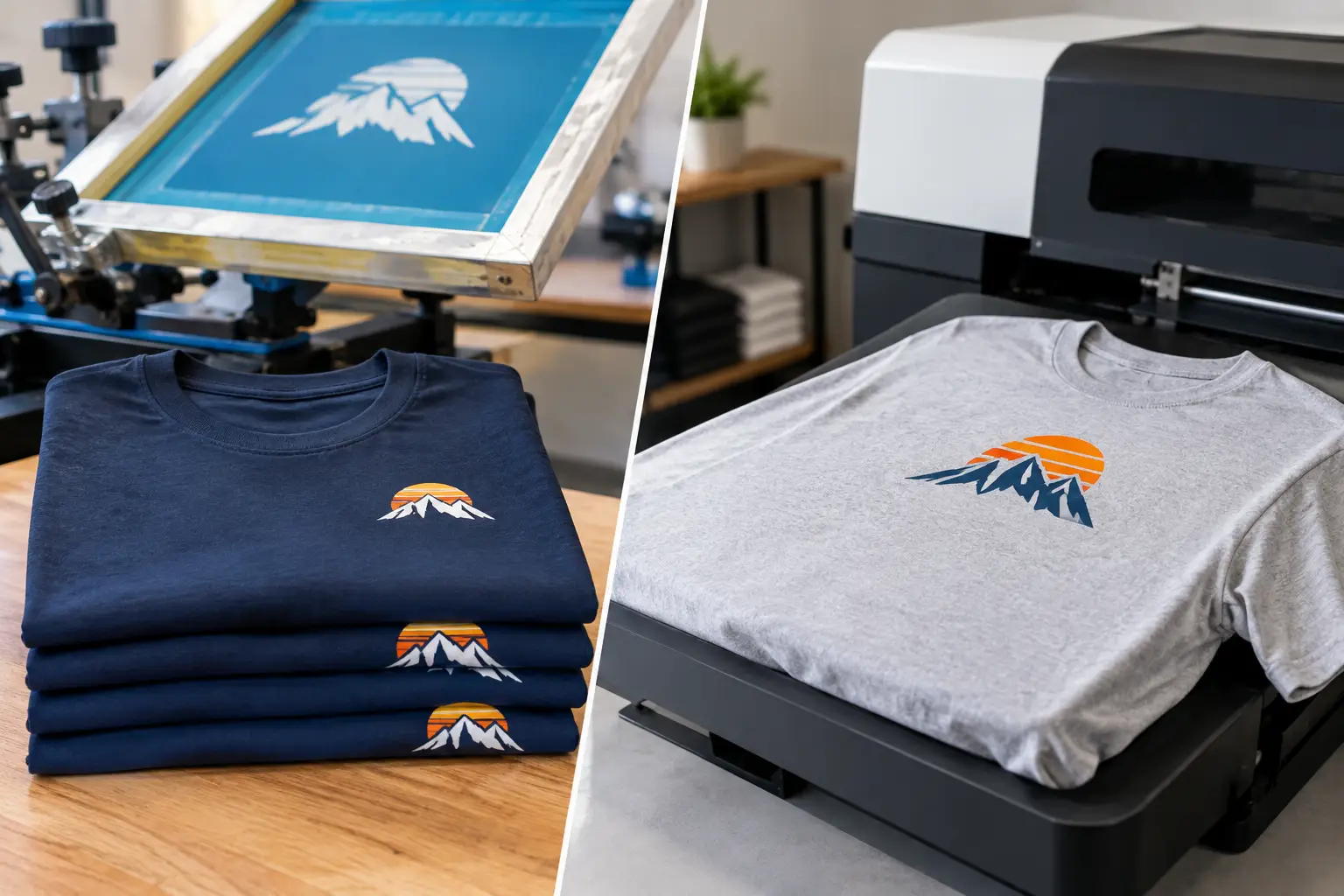
This is especially true for embroidery. A premium embroidered logo on a low-grade garment often highlights the weakness of the item rather than the strength of the brand. Better fabric, better structure, and more consistent sizing typically produce a better finished result. For screen printing, the same principle applies. Smooth surfaces, stable construction, and dependable garment quality create cleaner, more professional decoration.
There is a trade-off, of course. Better apparel usually raises the unit price. But when the garments get worn longer, reordered more often, and represent the company better, the total value often improves.
Corporate apparel trends 2026 are pushing versatile layering
If one category stands out in 2026, it is layering. Quarter-zips, lightweight jackets, vests, hooded performance layers, and fleece styles continue to grow because they work across seasons, roles, and settings.
For buyers, layering solves several problems at once. It gives teams a more modern look, helps manage temperature differences between office and field environments, and offers stronger perceived value than a basic tee alone. It also creates cleaner tiering inside an apparel program. A new employee might receive core basics, while managers, sales teams, or long-tenured staff receive elevated outerwear or premium branded pieces.
This trend also reflects how people actually dress. Employees want options they can wear over their own clothing without feeling over-uniformed. A well-decorated vest or quarter-zip often gets far more repeat wear than a rigid uniform shirt because it fits naturally into an existing wardrobe.
Decoration quality matters more as garments get better
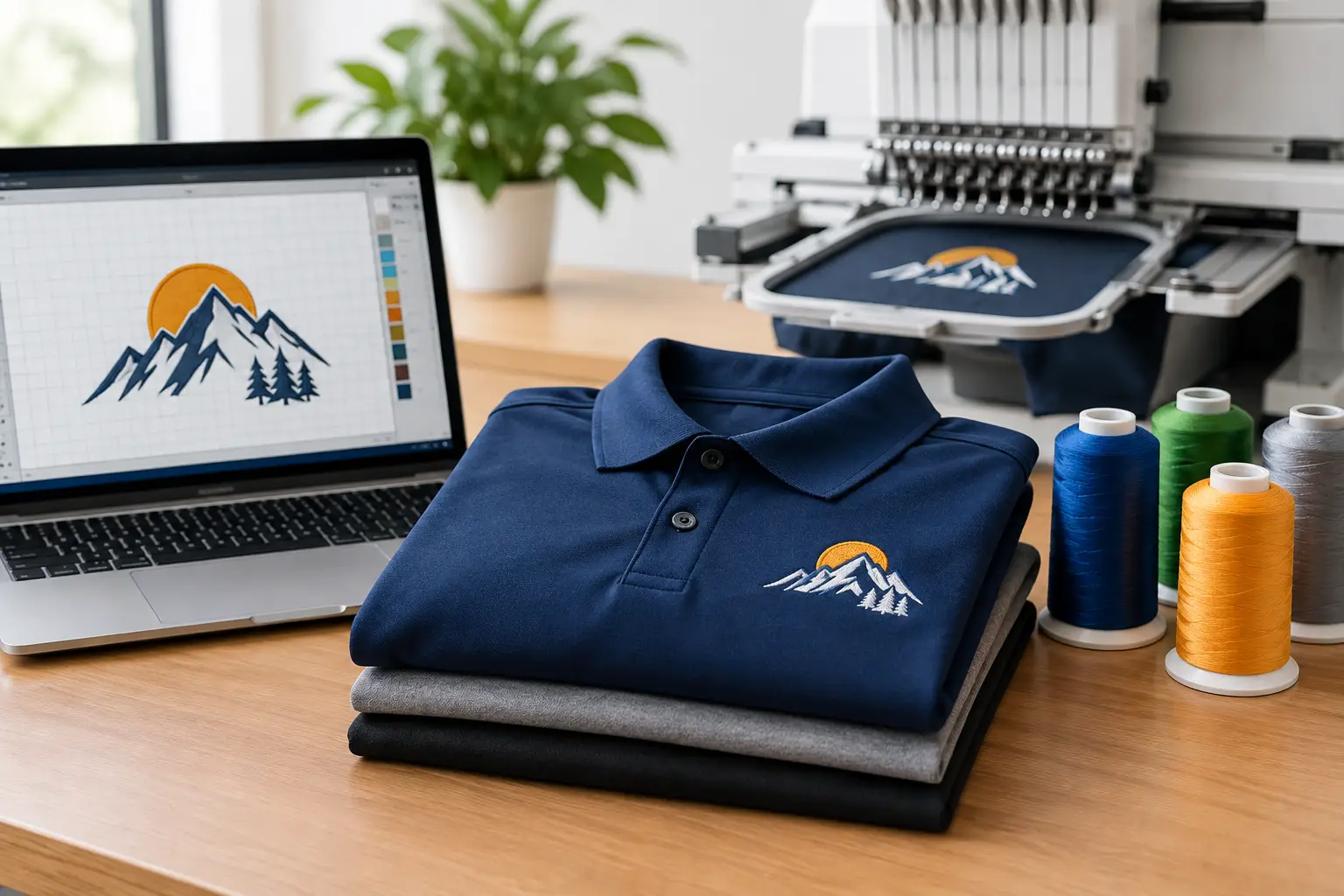
As apparel quality rises, decoration quality becomes more visible. That is one reason buyers are paying closer attention to embroidery execution, thread coverage, logo sizing, digitizing, and placement. A premium jacket with poor embroidery looks like a missed opportunity. A clean, balanced logo application makes the same garment feel intentional and high-end.
In 2026, the stronger programs are not always the ones with the largest logos. They are often the ones using decoration with more restraint. Left-chest embroidery remains a standard because it is versatile and professional, but there is growing interest in tonal decoration, subtle placements, and clean one-color applications that feel more wearable.
That does not mean bold branding is gone. Event apparel, team shirts, and promotional campaigns still benefit from larger prints and higher-visibility graphics. The point is that decoration should match the use case. Daily employee wear usually performs better when branding feels polished rather than loud.
Brand consistency across locations is a bigger priority
Many organizations are dealing with decentralized ordering, multiple departments, and repeated replenishment needs. That is making consistency one of the most practical trends in corporate apparel right now.
A successful program is not just about choosing the right products once. It is about maintaining logo accuracy, color consistency, and garment quality over time. This matters even more for companies with several branches, franchises, field teams, or seasonal hiring cycles. If one office receives a crisp embroidered polo and another gets a slightly different color, brand confidence takes a hit.
That is why buyers are increasingly favoring partners with in-house production control, digital proofing, and repeat-order discipline. Reliable execution is part of the product. Speed matters too, but speed without consistency creates headaches that procurement, HR, and marketing teams end up fixing later.
Sustainable thinking is showing up in practical ways
Sustainability remains part of the conversation, but in the corporate space it is becoming more pragmatic than promotional. Buyers are asking better questions: Will this garment last? Can employees wear it often? Does the style support long-term reorderability? Is the product versatile enough to reduce waste from low-use apparel?
That practical lens is important. A so-called eco-friendly shirt that wears out quickly or gets ignored by employees does not create much real value. On the other hand, durable apparel with broad wear appeal can support both budget efficiency and lower replacement volume.
For many companies, the right move in 2026 is not to rebuild the entire program around one claim. It is to choose better-made products, reduce one-time throwaway orders, and standardize garments that people actually keep wearing.
How buyers should respond in 2026
The best apparel programs are getting more intentional. Start with job function and wearing environment, then build outward. A customer-facing sales team may need elevated polos and outerwear, while operations teams may need rugged workwear or safety apparel with decoration that can handle heavy use. Event staff may need different pieces altogether.
Next, think in terms of a program instead of a single order. Core items should be easy to reorder and broad enough for most employees. Premium items can be added for leadership, recognition, recruiting, or seasonal use. When the assortment is structured well, ordering gets simpler and the brand looks more consistent.
Finally, pay attention to execution. Product selection, logo preparation, proofing, and production quality all shape the final result. This is where an experienced customization partner earns its value. LOGO USA sees this every day: when product quality and decoration quality are aligned, branded apparel does more than check a box. It becomes something employees wear with confidence and companies are proud to put their name on.
The strongest apparel choices in 2026 will be the ones that feel current, wear well, and make repeat ordering easier, because good branded apparel should keep working long after the first delivery arrives.
Popular Blogs
What File Formats Does Embroidery Accept?
October 12, 2026