Company Swag for Onboarding That Gets Used
- June 2, 2026
- 1:54 am

A new hire can tell a lot about your company before their first team meeting starts. If their welcome package feels rushed, inconsistent, or cheap, that impression sticks. Thoughtful company swag for onboarding does the opposite – it signals organization, pride, and attention to detail from day one.
For HR teams, office managers, and brand leaders, onboarding swag is not just a nice extra. It is part of how employees experience your brand internally. The right pieces help new hires feel included faster, show them what your company values, and give them useful gear they will actually keep. The wrong pieces become desk clutter or end up in a donation bin within a week.
Why company swag for onboarding matters
Onboarding has a practical job to do. It should help people get settled, understand expectations, and feel like they belong. Branded merchandise supports that process when it is chosen with purpose.
A well-built kit creates consistency across locations, teams, and hiring cycles. That matters for companies growing quickly or managing a distributed workforce. Instead of every office improvising a welcome experience, you create a repeatable standard that reflects the brand the same way every time.
It also helps reinforce professionalism. Premium apparel and branded essentials show that your company pays attention to quality. That may sound subtle, but employees notice. If you want team members to represent your business well, what you hand them on day one should reflect the same standard.
There is also a culture benefit. New hires often have a lag between accepting the offer and feeling fully part of the team. A branded polo, hoodie, cap, or bag can close that gap. People are more likely to feel connected when they can visibly identify with the company, especially at training sessions, field visits, trade shows, or team events.
What good onboarding swag actually looks like
The best onboarding kits are useful first and branded second. That does not mean the logo should disappear. It means the item itself has to earn a place in the employee’s routine.
Apparel is usually the strongest place to start because it combines function with visibility. A well-made polo works for office staff, customer-facing teams, sales reps, and event use. A quarter-zip or lightweight outerwear piece can make sense for companies with a more polished dress standard or teams that travel. T-shirts can work too, especially for casual cultures, recruiting events, or warehouse and operations environments, but fabric quality and print quality matter more here than buyers sometimes expect.
Bags are another strong option because they solve an immediate need. A backpack, tote, or laptop bag gives the employee something practical for training materials, work gear, or commuting. When the decoration is clean and the product quality is solid, these tend to stay in circulation longer than novelty items.
Headwear can work, but it depends on your workforce. For field crews, service teams, and outdoor operations, a branded cap may get regular use. For corporate office roles, it may be less relevant. The same goes for heavier workwear or safetywear. In some industries, these are essential onboarding pieces. In others, they are too role-specific for a standard new hire package.
What usually underperforms is generic promotional filler. Low-cost gadgets can seem attractive when budgets are tight, but they rarely create the impression companies are aiming for. If the goal is a polished welcome experience, fewer better items almost always outperform a larger pile of forgettable ones.
How to choose company swag for onboarding
Start with the employee’s first 30 days, not your merchandise catalog. Ask what they will actually wear, carry, or use as they begin the job. That shift in thinking usually leads to better choices.
For office-based teams, a common combination is a branded polo or quarter-zip paired with a bag and a few desk essentials. For remote hires, comfort matters more, so a soft hoodie, premium tee, or home-office-friendly item may make more sense. For field teams, durability should lead the decision. Workwear, outerwear, and caps from trusted brands can carry more value than lifestyle-focused items.
Budget matters, but so does cost per use. A cheap item that gets ignored is more expensive than a premium item used every week. That is why many companies are moving toward tighter, more intentional onboarding kits. They want stronger presentation, better retention, and less waste.
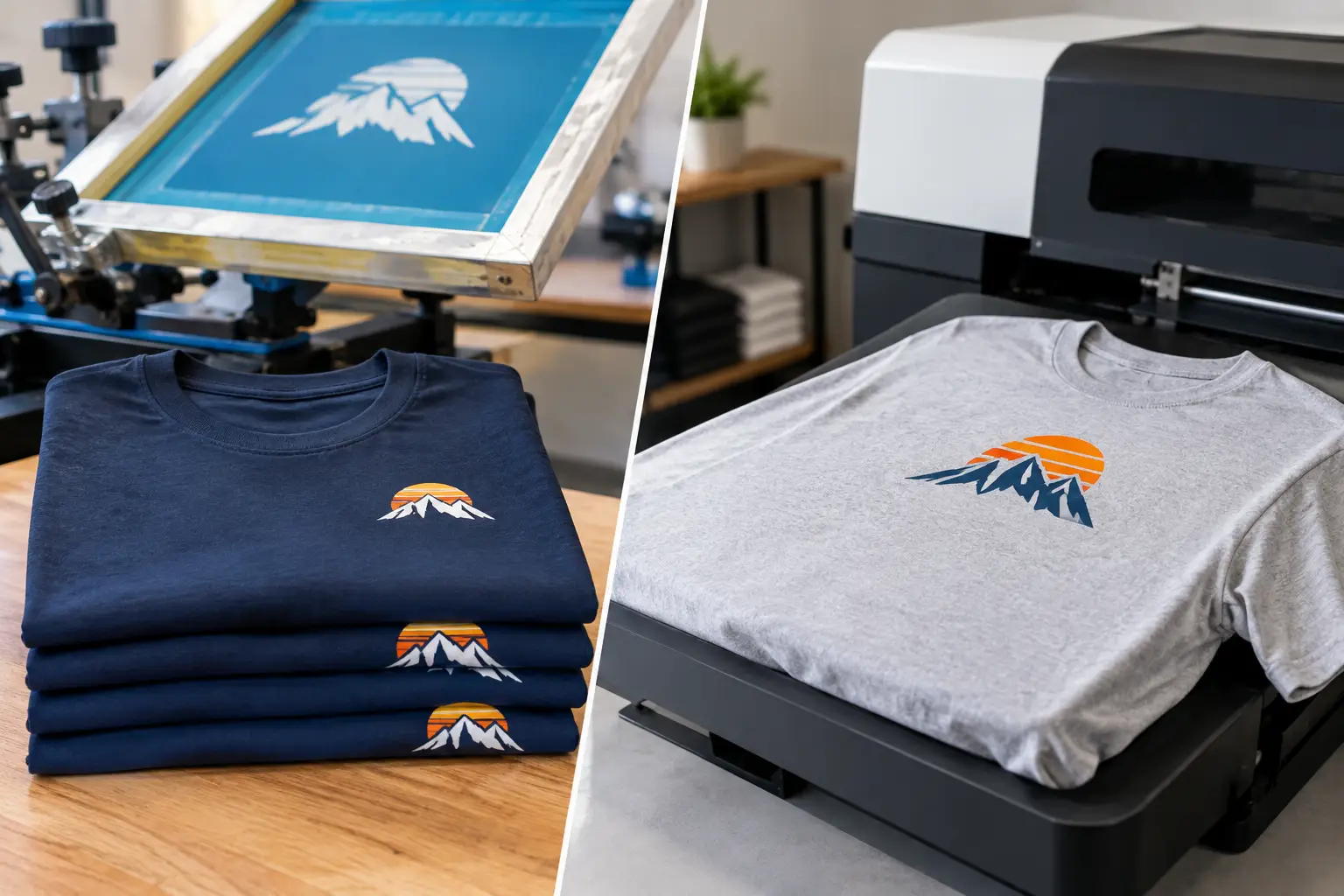
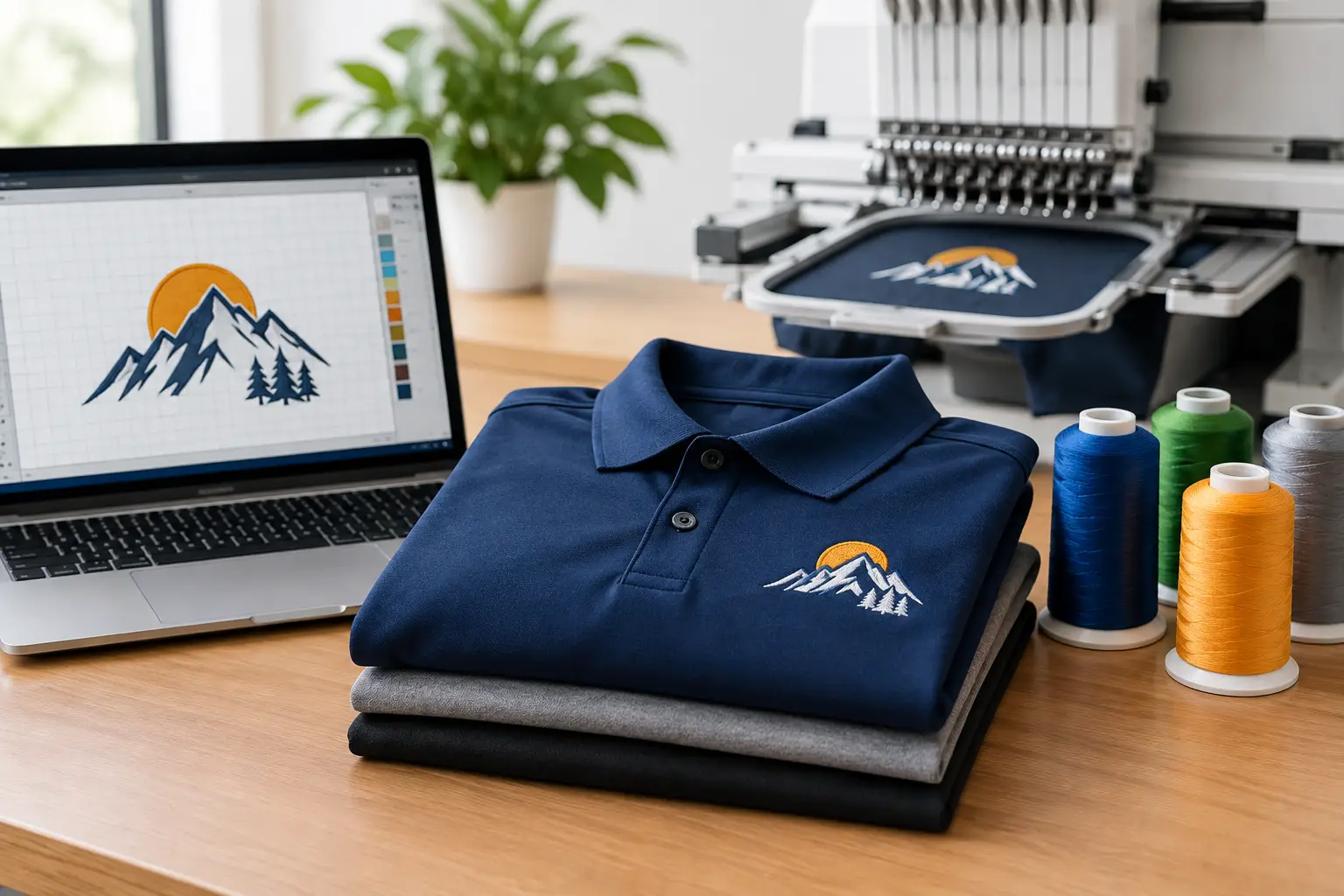
It is also worth thinking about logo treatment early. Not every item should carry a large, front-and-center imprint. Embroidery often gives polos, outerwear, hats, and bags a more durable, professional finish. Screen printing can be the right choice for tees and certain casual pieces, especially when you need a softer price point or bold graphic visibility. The best method depends on the garment, the logo, and the role the item will play.
Building an onboarding kit that feels consistent
Consistency is where many onboarding programs either become scalable or become a headache. If different departments order different products, use different logo files, or choose different decoration methods, the result can feel fragmented fast.
A more reliable approach is to define a core kit and then allow role-based variations where needed. For example, every new hire might receive one branded apparel item and one bag. Sales hires may get a polished polo. Warehouse or operations staff may get workwear or a heavier-duty layer. Leadership hires may receive a slightly upgraded version that still matches the broader brand system.
This model keeps the experience unified while allowing for practical differences. It also makes reordering easier. Once products, colors, logo placement, and decoration specs are established, future hires can be outfitted with far less back-and-forth.
Production control matters here more than many buyers realize. Consistent thread colors, print placement, garment quality, and proofing standards all affect how your brand shows up. Working with a supplier that handles decoration in-house and can maintain quality from order to reorder gives you a stronger shot at keeping every onboarding kit aligned.
Common mistakes to avoid
One of the biggest mistakes is choosing swag based on what is easy to buy rather than what makes sense for the role. A one-size-fits-all approach sounds efficient, but it can miss the mark if your workforce includes both office staff and field employees.
Another mistake is underestimating apparel quality. If the fit is poor or the fabric feels flimsy, employees will notice immediately. The same goes for decoration quality. A crooked print or uneven embroidery turns a welcome gift into a brand problem.
Timing is another common issue. Company swag for onboarding works best when it arrives at the right moment – on day one, before a start date for remote hires, or in time for orientation. Late delivery weakens the impact. That is why dependable production timelines are part of the decision, not just a nice bonus.
There is also the issue of overbranding. Strong branding is important, but employees are more likely to use apparel and accessories that look clean and wearable. A tasteful logo placement often goes farther than oversized graphics, especially for premium garments.
When premium brands make sense
Not every onboarding program needs top-tier branded apparel, but there are cases where it pays off. If your employees regularly meet customers, attend events, or represent your business in the field, premium pieces can reinforce a stronger professional image.
Recognized brands also tend to improve adoption. People are simply more likely to wear apparel they already trust for fit, comfort, and durability. That can be especially valuable for outerwear, polos, and bags, where product quality is easy to judge.
The trade-off is budget. For high-volume hiring, you may need a good-better-best approach rather than putting every employee in the same premium tier. That is a smart compromise, not a weakness. The key is to keep branding standards and decoration quality consistent across all levels.
Make onboarding swag easier to manage
The operational side matters just as much as product selection. If your team is constantly chasing sizes, re-sending art files, or rebuilding orders from scratch, the process will drag.
A cleaner system starts with approved products, approved logo files, and clear decoration standards. From there, you can create a repeatable ordering process that supports both small hires and larger onboarding waves. For growing companies, this is where an experienced production partner can make a real difference. LOGO USA supports this kind of branded apparel program with in-house decoration, digital proofing, and dependable production from a US-based facility, which helps reduce inconsistencies and keep orders moving.
The goal is not to make onboarding swag more complicated. It is to make it more useful, more brand-right, and easier to repeat. When the pieces are chosen well and delivered on time, they do more than welcome a new hire. They help your company show up with the kind of professionalism people remember.
Popular Blogs
What File Formats Does Embroidery Accept?
October 12, 2026