Branded Trade Show Apparel That Works Harder
- November 9, 2026
- 2:54 am
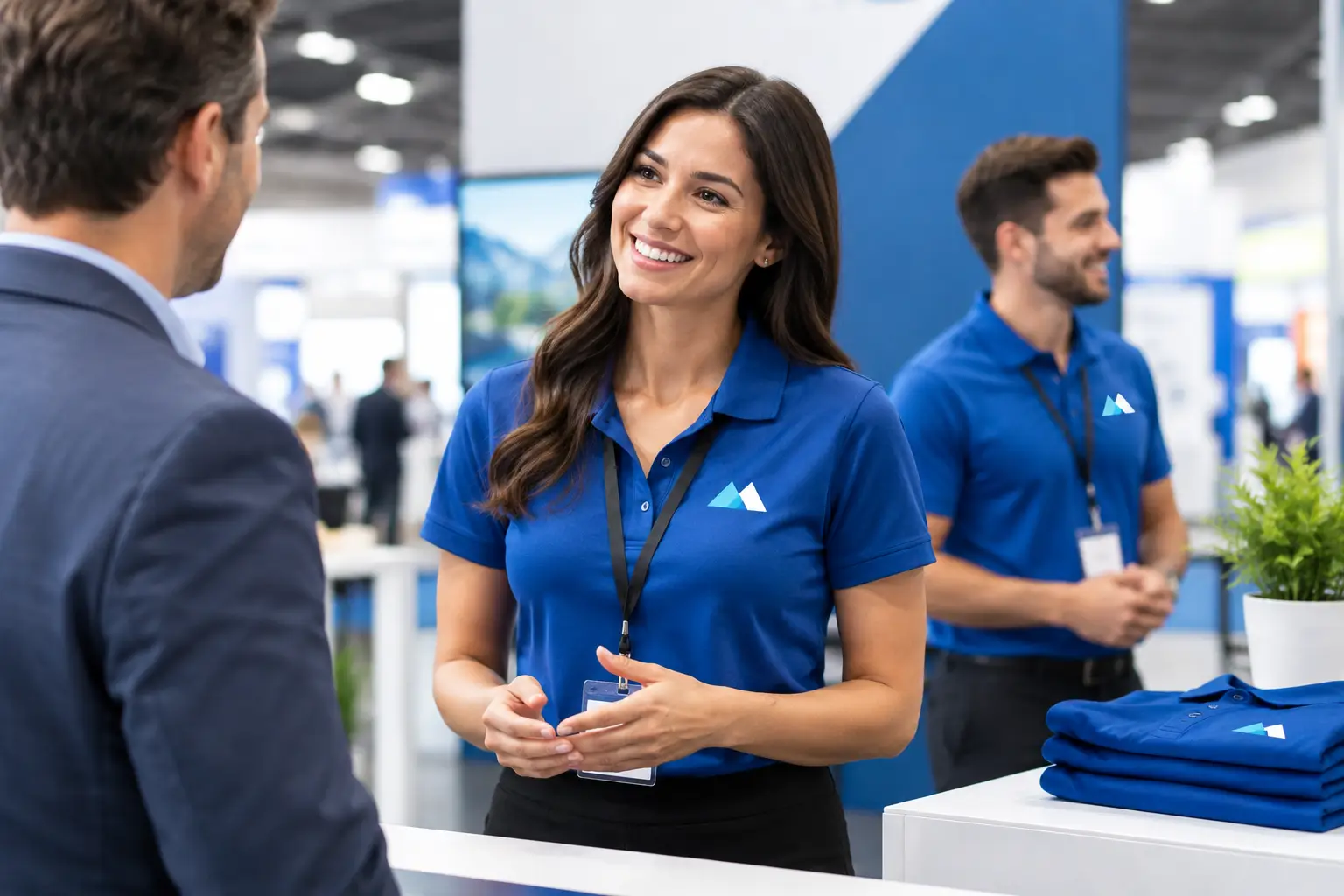
The exhibit hall opens, the aisle fills, and your team has seconds to make a credible first impression. Branded trade show apparel gives booth staff a unified, professional look while making it easier for attendees to identify who can answer a question, schedule a demo, or start a conversation. The right pieces do more than display a logo. They support your event strategy from setup through the last follow-up meeting.
For business buyers, the goal is not simply to put a logo on a shirt. It is to select apparel that fits the venue, reflects the brand, feels comfortable during long shifts, and arrives on time with decoration that looks sharp at close range. That calls for practical planning, quality garments, and a production partner that understands the difference between a giveaway shirt and an event uniform.
Why Branded Trade Show Apparel Matters
A trade show floor is crowded with displays, banners, samples, and competing messages. Your apparel brings a consistent visual signal into every interaction, including the conversations happening away from the booth. When team members wear coordinated polos, quarter-zips, caps, or outerwear, attendees can quickly recognize the people representing your company.
Consistency also strengthens internal confidence. A well-dressed team tends to show up looking prepared and aligned, especially when staff includes a mix of sales representatives, technical specialists, executives, and temporary event support. Rather than asking each person to interpret a dress code, you establish a clear standard that works for the whole group.
There is a practical benefit after the event, too. Quality branded apparel can remain useful for customer visits, regional meetings, recruiting events, company photos, and daily office wear. That makes a better garment a stronger investment than a one-time event item that ends up at the bottom of a drawer.
Choose Apparel for the Job, Not Just the Logo
The best garment depends on the event environment, your team’s role, and how formal your brand needs to appear. A polished golf polo is a reliable choice for many indoor business shows because it is professional without feeling overdressed. For a technology conference or a more casual brand, premium tees and lightweight layers may better match the audience.
Think about what your staff will actually be doing. Booth teams stand for hours, move equipment, greet visitors, and shift between warm exhibit halls and cooler loading areas. Breathable performance polos, stretch fabrics, and lightweight quarter-zips can make a noticeable difference by the middle of a long day. A garment that looks excellent at 9 a.m. but feels restrictive by noon will not serve your team well.
Outerwear deserves special consideration for outdoor events, construction and manufacturing shows, or conferences held during colder months. A branded soft shell, vest, or work jacket can create a premium presentation while giving employees useful protection between the hotel, parking lot, and venue. For hard-working event teams, trusted options from brands such as Carhartt, The North Face, OGIO, Port Authority, and TravisMathew offer distinct looks for different brand standards and work conditions.
Color matters as much as style. Black, navy, charcoal, and deep blue often look refined and help teams appear coordinated. Brighter colors can create stronger aisle visibility, but they need to align with your identity and logo palette. Before committing, consider the booth design, lighting, and background color. A dark logo on a dark garment may look understated, but it can disappear from a few feet away.
Build a Smart Trade Show Apparel Plan
Start by separating the apparel needs of each group. Booth staff may need a core uniform, while setup crews need durable workwear and executives may prefer a more elevated layer for meetings. These groups can share a color family and logo treatment without wearing identical garments.
A practical event kit often includes two shirts per booth employee when the show runs more than one day. This gives staff a clean option for day two and provides insurance against spills, travel delays, or unexpected weather. If your show schedule includes client dinners, media appearances, or presentations, adding a quarter-zip or polished outerwear piece gives key team members an appropriate layer without requiring a complete wardrobe change.
Ordering a few extra pieces is also wise. Staff changes happen, samples get lost in transit, and an attendee or strategic partner may be worth outfitting on the spot. Extras should include the most common sizes, but avoid overbuying highly specific styles unless you have a plan to use them after the event.
Sizing is one area where convenience can create unnecessary risk. Do not assume every apparel brand fits the same way. Collect sizes early, review garment measurements, and account for the fact that some employees prefer a relaxed fit while others want a more tailored profile. If the order is large or the apparel will become a recurring part of your event program, sample sizing can prevent costly last-minute adjustments.
Decoration Should Match the Garment and the Brand
Embroidery is a strong choice for polos, outerwear, hats, and bags. It creates a dimensional, durable finish that communicates quality, particularly when placed on the left chest or sleeve. A clean embroidered logo can look appropriate in a boardroom, on a sales floor, or at a trade show booth.
Screen printing is often the better option for event tees, bold graphics, large back prints, and designs with multiple colors. It is especially effective when the shirt itself is part of the visual campaign, such as a product launch, anniversary, or sponsored activation. The key is choosing artwork that can be read quickly. A detailed design may look impressive on a monitor but lose impact from across an aisle.
Placement should be deliberate. Left-chest logos are classic and professional. Full-back graphics can add visibility when staff are walking the floor, though they may be unnecessary for a formal industry event. Sleeve decoration can add a refined detail, but it should not compete with the main logo. If your team needs name personalization, reserve it for roles where relationship-building and accountability matter, such as account managers, trainers, or product specialists.
Before production, review the digital proof carefully. Check logo size, thread or ink colors, placement, spelling, and garment color. This approval step is where a dependable customization process protects the finished result. The proof should confirm exactly what your team expects to receive, not leave room for assumptions.
Plan Backward From the Show Date
Trade show deadlines are fixed, which makes early planning one of the easiest ways to protect quality. Work backward from the date your team must pack or ship apparel to the venue, not merely the show opening date. Allow time for garment selection, artwork review, proof approval, production, and delivery.
If you are coordinating a larger program, finalize the apparel plan before the booth build, printed collateral, and travel schedule become urgent. Apparel decisions affect more than uniforms. The colors and decoration style should support your exhibit graphics, sales materials, and on-site brand experience.
At LOGO USA, in-house embroidery, digitizing, and screen printing provide direct control over the customization process. After art approval, standard production can move quickly, often within 7-10 business days. Even with a fast turnaround available, earlier approvals give you more product options and more room to handle changes without compromising the event plan.
Avoid the Common Trade Show Apparel Mistakes
The most common mistake is treating event apparel as an afterthought. Rushing often leads to limited color choices, missed size information, weak decoration decisions, or a garment that does not match the level of your booth and brand.
Another mistake is choosing the lowest-cost shirt for a customer-facing team. Budget matters, particularly for large groups, but a thin, poorly fitting garment can undermine the professional appearance you worked hard to create. A better approach is to balance quantity and quality. Use premium polos or layers for booth staff, then reserve lower-cost tees for giveaways, volunteers, or high-volume promotions.
Finally, avoid putting too much information on the garment. Your website, tagline, product categories, and social handles do not all need to appear on a polo. Your logo should be clear, recognizable, and properly placed. Let your booth, sales materials, and conversations carry the rest of the message.
The strongest event apparel is the kind your team wants to wear again. Choose pieces that feel good, look professional, and represent your company with care, then keep them working long after the exhibit hall closes.
Popular Blogs
12 Employee Welcome Kit Ideas for New Hires
November 11, 2026