Branded Event Shirts for Companies That Perform
- July 14, 2026
- 4:42 am
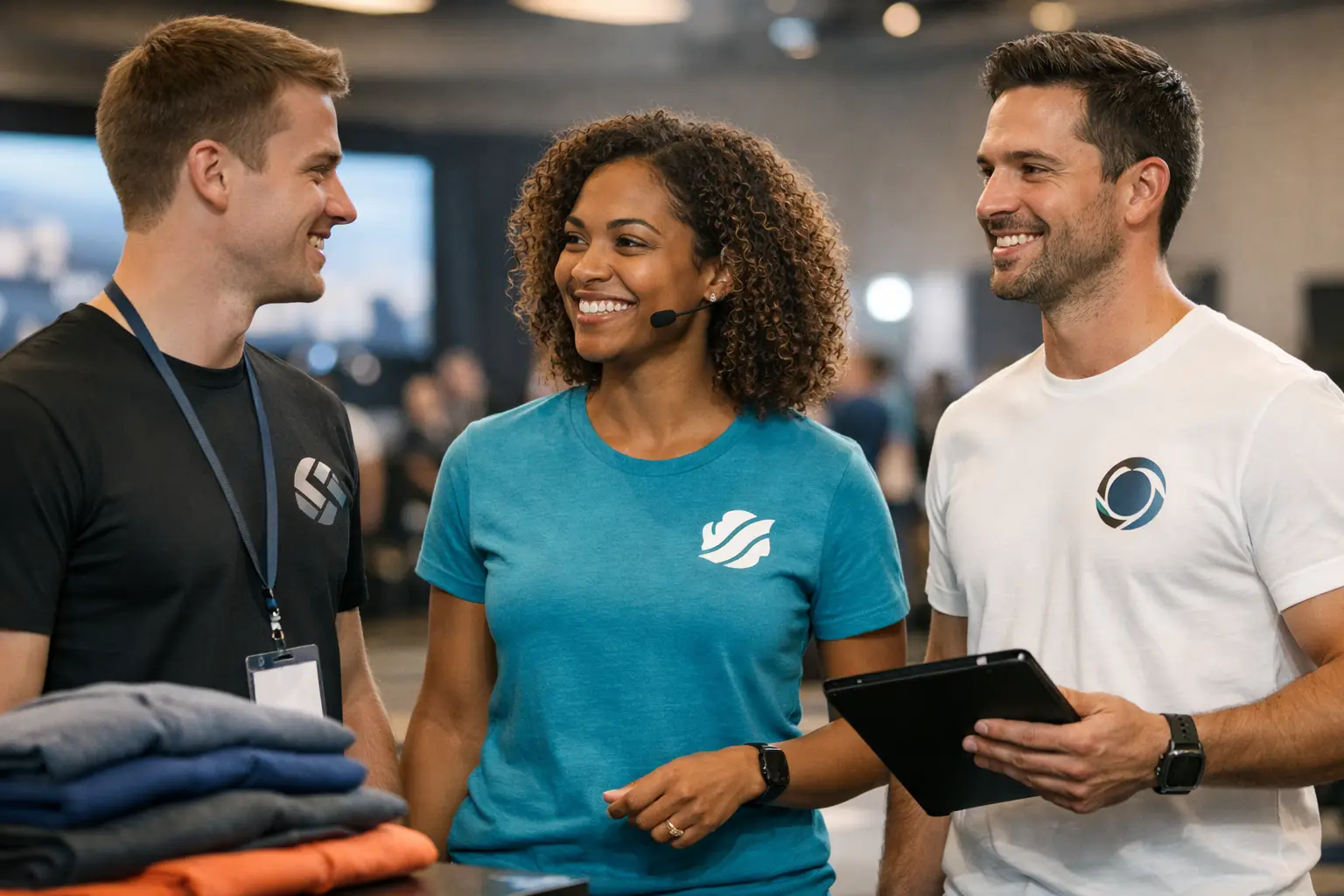
A crowded trade show floor gives people only a few seconds to recognize who is on your team. At a charity run, company picnic, product launch, or recruiting event, branded event shirts for companies make that recognition immediate. They put your logo in motion, give employees a coordinated look, and help your organization show up with the same level of polish it brings to its work.
The best event apparel does more than display a logo. It needs to suit the setting, feel good through a long day, reproduce your artwork cleanly, and arrive with enough time for every size and last-minute addition. A smart plan balances all of those details before production begins.
Start With the Event, Not the Shirt
A shirt that works for a customer-facing conference may not be the right choice for an outdoor volunteer day. The event environment should drive the apparel decision.
For trade shows, sales meetings, and executive events, embroidered polos, quarter-zips, or premium button-downs create a composed, professional appearance. These pieces are especially effective when staff will speak with customers, represent the company in photos, or wear the apparel again at future events. A left-chest embroidered logo is durable, refined, and easy to recognize at conversation distance.
For active events, such as 5Ks, field days, community cleanups, and outdoor festivals, lightweight performance T-shirts are often the better fit. Moisture-wicking fabric helps teams stay comfortable, while screen printing gives larger graphics and event-specific messaging room to stand out. If the event takes place outdoors after dark, consider high-visibility colors or reflective safetywear where appropriate.
Company celebrations and employee appreciation events leave more room for personality. A soft cotton-blend tee, fleece hoodie, trucker cap, or custom tote can reflect the culture of the occasion without looking overly formal. The question is not simply, “What is the cheapest shirt?” It is, “What will people be glad to wear while representing us?”
Choose Fabric and Fit People Will Actually Wear
Event shirts are most effective when they continue working after the event. When employees, clients, or participants wear them again, your brand receives additional visibility without another advertising expense. That makes comfort and construction worth considering.
Cotton T-shirts remain a dependable choice for casual indoor events, giveaways, and large group orders. They are familiar, easy to decorate, and available at a broad range of price points. Heavier-weight cotton generally feels more substantial, while ringspun cotton and cotton blends offer a softer hand feel for employee-facing events or premium giveaways.
Performance polyester is a practical choice for heat, activity, and extended wear. It dries quickly and keeps its shape well, but decoration methods and artwork need to be selected with the fabric in mind. Polyester can be more prone to dye migration on certain colors, especially with heat-applied designs, so an experienced decorator should confirm the right ink and production approach.
Fit deserves the same attention as fabric. A unisex shirt can simplify ordering, but a broader size range and multiple fit options may improve comfort across your team. Review size charts early, especially for larger orders. It is far easier to build a balanced size run before production than to solve shortages after shirts arrive.
Color Is a Branding Decision
A shirt color should support both your logo and the event setting. A dark logo may disappear on navy or charcoal fabric. A white logo can look sharp on a deep color, but may require an underbase when screen printed to keep it bright and consistent.
Think beyond the logo alone. Will the team be easy to spot in a busy convention hall? Does the color align with your brand standards? Will outdoor workers benefit from a brighter shade? A production partner can help evaluate contrast and provide a digital proof so the placement, thread or ink colors, and overall appearance are clear before decoration begins.
Select Decoration That Matches the Job
Embroidery and screen printing each bring distinct strengths to corporate event apparel. The right method depends on the garment, the logo, the quantity, and how the shirts will be used after the event.
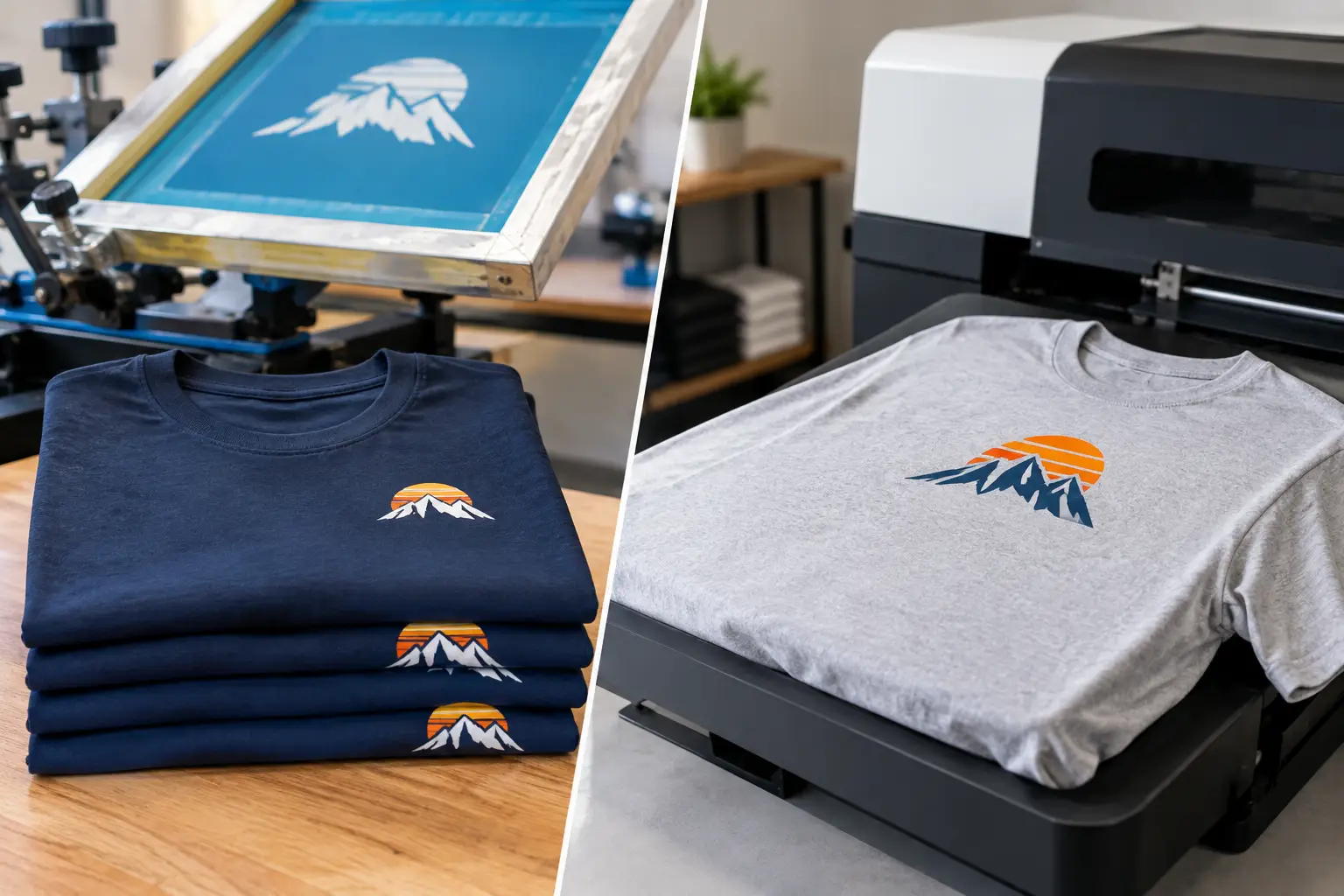
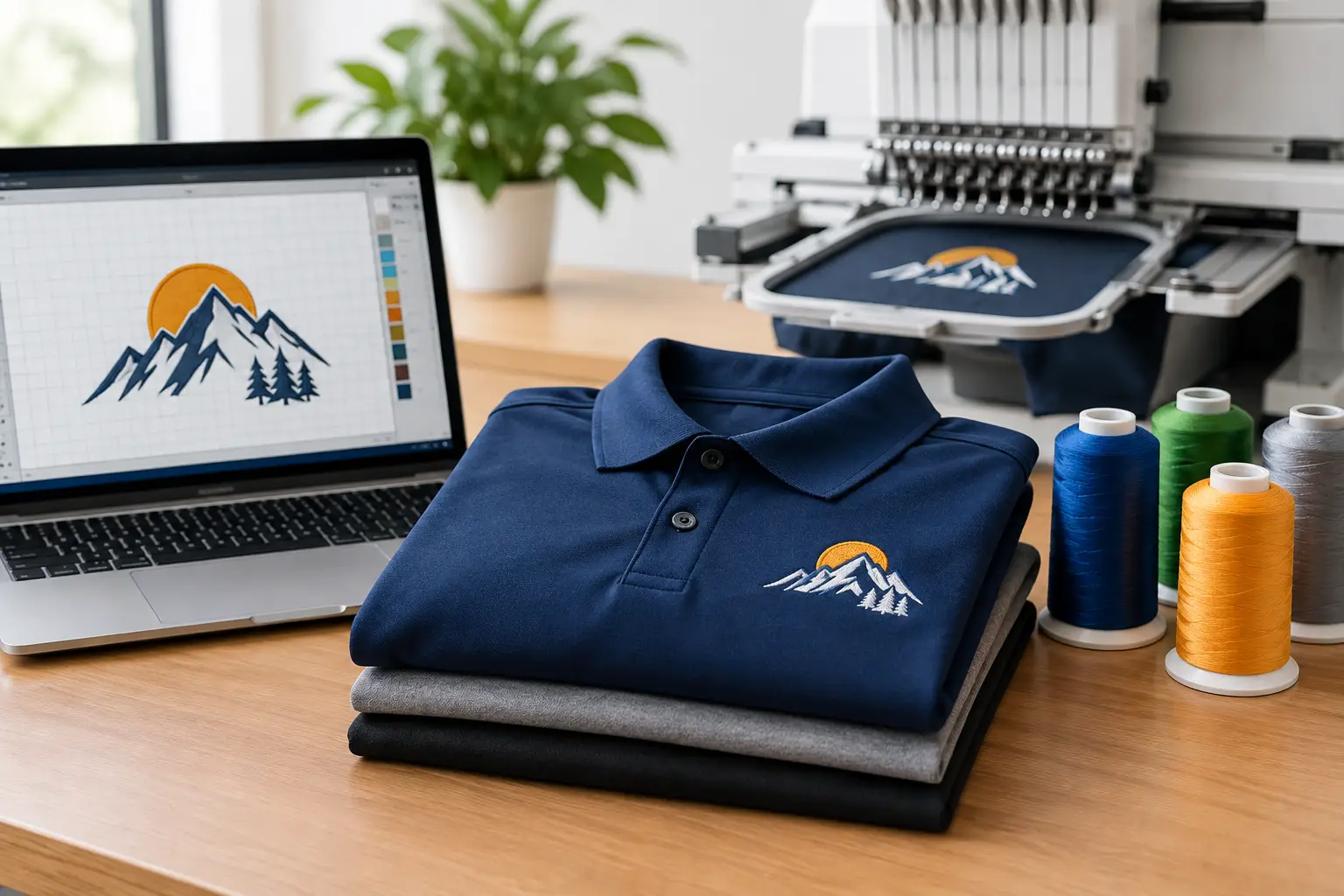
Embroidery is ideal for polos, outerwear, caps, workwear, and other garments where a premium, lasting finish matters. It adds texture and dimension to a logo and holds up well through repeat washing. Small left-chest designs are a natural match. Very detailed artwork, tiny text, or gradients may need to be simplified during digitizing so the final stitch-out remains clean and legible.
Screen printing works especially well for T-shirts, sweatshirts, and large graphics. It is a strong option for event names, sponsor lists, campaign messaging, and bold artwork across the back or front of a shirt. Screen printing becomes more cost-effective as quantities increase, particularly when the design uses a limited number of colors.
For smaller orders, individualized names, or full-color artwork, other decoration options may be worth discussing depending on the garment and design. The key is not forcing every project into one method. The shirt, logo, quantity, and deadline should guide the recommendation.
Build a Design That Reads at Event Distance
A strong corporate shirt is not a business card printed on fabric. Event attendees need to understand the brand quickly, often from several feet away.
Keep the front logo focused. A clean left-chest mark, a centered logo, or a small front icon can establish identity without overwhelming the garment. Use the back for larger event details, a campaign phrase, a website-free callout such as a department name, or sponsor recognition when needed. If multiple partners must be included, make sure the layout does not become a wall of unreadable logos.
Avoid placing critical details in areas that wrinkle, fold, or sit under lanyards. Fine lines and very small type can lose clarity, particularly on textured garments. A professional art review helps identify issues before they become costly production problems.
It also helps to consider how the team will look together. A coordinated shirt color and logo treatment creates a unified presence, even when employees wear different sizes or garment styles. For a more elevated approach, pair decorated polos for staff with branded T-shirts or caps for attendees and volunteers.
Plan Quantities, Sizes, and Timing With Room to Spare
Event apparel has a fixed deadline. A missed delivery date can turn a well-designed shirt into unused inventory, so production planning should begin as soon as the event date is confirmed.
Start with a firm headcount, then account for new hires, event staff, volunteers, and a reasonable number of extras. For internal events, collecting individual sizes is the most accurate approach. For public giveaways, use a size ratio based on your audience, but reserve some inventory for popular sizes. The exact mix depends on your group, so avoid relying on a generic size breakdown when you have better information available.
Artwork approval is another key milestone. Logo files, thread colors, print locations, and garment choices should be confirmed before production begins. Changes after approval can affect both timing and cost. LOGO USA provides digital proofs and produces decorated apparel in the United States, with typical production running 7-10 business days after art approval. Larger quantities, complex designs, and peak event seasons may require additional lead time.
Do Not Forget the Full Event Kit
Shirts often work best as part of a coordinated branded package. Caps can help staff stand out outdoors. Quarter-zips offer a polished layer for cool convention centers. Branded bags give attendees a useful way to carry materials, while safety vests and workwear support events involving operations crews or field teams.
This does not mean every event needs every item. A small customer breakfast may only call for embroidered polos. A multi-day outdoor event may benefit from T-shirts, caps, outerwear, and bags. Match the package to the practical needs of the people wearing it.
Make Reordering Easier Than the First Order
The most efficient event programs are built for repeat use. Save approved artwork, decoration locations, thread or ink colors, and garment selections so future orders stay consistent. This is especially helpful for annual conferences, recurring volunteer programs, regional sales meetings, and teams with multiple locations.
When apparel needs grow beyond a single event, a company apparel store can simplify access for employees and departments while protecting brand standards. Approved products, logo treatments, and sizing options are organized in one place, reducing the back-and-forth that often slows down decentralized ordering.
The right branded event shirt makes your people easier to find, your brand easier to remember, and your event feel more intentional. Choose apparel that fits the occasion, approve artwork early, and work with a production partner that treats every logo as a reflection of your business.
Popular Blogs
What File Formats Does Embroidery Accept?
October 12, 2026