Corporate Apparel Budget Planning That Works
- September 30, 2026
- 2:51 am

A branded polo that looks sharp on day one but fades after a few washes is not a bargain. Neither is a low per-piece price that leaves out setup, decoration, shipping, or the extra sizes your team actually needs. Effective corporate apparel budget planning starts with the full cost of presenting your brand well, not just the number shown beside a shirt.
For HR teams, office managers, procurement professionals, and business owners, the goal is simple: put employees in apparel they are proud to wear while maintaining predictable spend. The strongest plans balance quality, quantity, decoration method, and timing before an order reaches production.
Start Corporate Apparel Budget Planning With the Purpose
Not every apparel program should be budgeted the same way. A welcome kit for new hires, a field-service uniform program, a trade show giveaway, and executive outerwear all serve different jobs. Treating them as one generic apparel purchase often creates avoidable overspending or disappointing results.
Start by defining who will wear the items, how often they will be worn, and what impression they need to make. Customer-facing employees may need durable polos or workwear with clean embroidery. A one-day fundraiser may call for screen-printed T-shirts that prioritize reach and unit cost. A company anniversary gift may justify a higher-end quarter-zip or jacket.
This decision affects every later cost. For example, a premium embroidered polo may carry a higher upfront price than a basic printed tee, but it can be the better value when employees wear it weekly for a full year. On the other hand, premium apparel is usually unnecessary for a large event where most attendees will wear the shirt once.
Build the Budget Around Total Program Cost
The garment price is only one part of the purchase. A practical budget accounts for every cost required to deliver finished, wearable branded apparel. This is especially important when comparing quotes that appear similar at first glance.
Include these line items in your internal estimate:
- Blank apparel by style, color, and size
- Decoration costs for embroidery, screen printing, or other approved methods
- One-time art preparation, including embroidery digitizing when required
- Shipping, handling, and applicable taxes
- A contingency for size exchanges, late additions, or replacement pieces
For recurring programs, also consider the administrative cost of managing orders. If different locations, departments, or new hires place frequent small orders, the cheapest single order may not be the lowest-cost program over the year. Consolidated ordering windows, standardized approved styles, and a managed company apparel store can reduce repeated setup and coordination work.
A useful rule is to separate one-time launch costs from recurring costs. Logo digitizing, initial design support, and first-run samples may happen once. Garments, decoration, and shipping will recur with each order. Separating them gives leadership a clearer view of the first-year investment and the ongoing annual expense.
Choose Garment Tiers Before Choosing Individual Items
A common budgeting mistake is selecting garments one at a time without a standard. The result is a collection of colors, fits, and quality levels that do not look like one company program. It also makes reorders harder to manage.
Instead, set apparel tiers based on role and use. A practical program may include an everyday core tier for all employees, a durable field tier for operations staff, and a premium recognition tier for managers, client gifts, or service awards. Each tier can still support your brand colors and logo standards while meeting a different price point.
The right garment tier depends on wear frequency, workplace conditions, and audience expectations. Carhartt workwear may make sense for crews exposed to demanding conditions. A polished Port Authority polo can be a reliable choice for office and service teams. Recognized performance and lifestyle brands can be appropriate for leadership gifts or client-facing events where the garment itself reflects your company standards.
Be careful about buying the cheapest available option for a highly visible role. Thin fabric, inconsistent sizing, poor shape retention, or limited color availability can create a cost later in replacements and employee dissatisfaction. Budget-friendly does not have to mean disposable.
Protect Brand Consistency With a Short Approved List
Give employees enough choice to find a comfortable fit, but not so much that the program becomes difficult to control. In many cases, two or three approved tops, one outerwear option, and a small selection of headwear provide adequate flexibility.
Standardizing styles also makes it easier to reorder months later. Inventory changes happen across the apparel industry, so it is wise to identify comparable backup options during planning rather than scrambling when a favorite style is discontinued.
Match the Decoration Method to the Garment and Job
Decoration is where an ordinary garment becomes branded apparel, and it deserves a specific line in the budget. The decoration method should complement the artwork, garment fabric, order quantity, and expected lifespan.
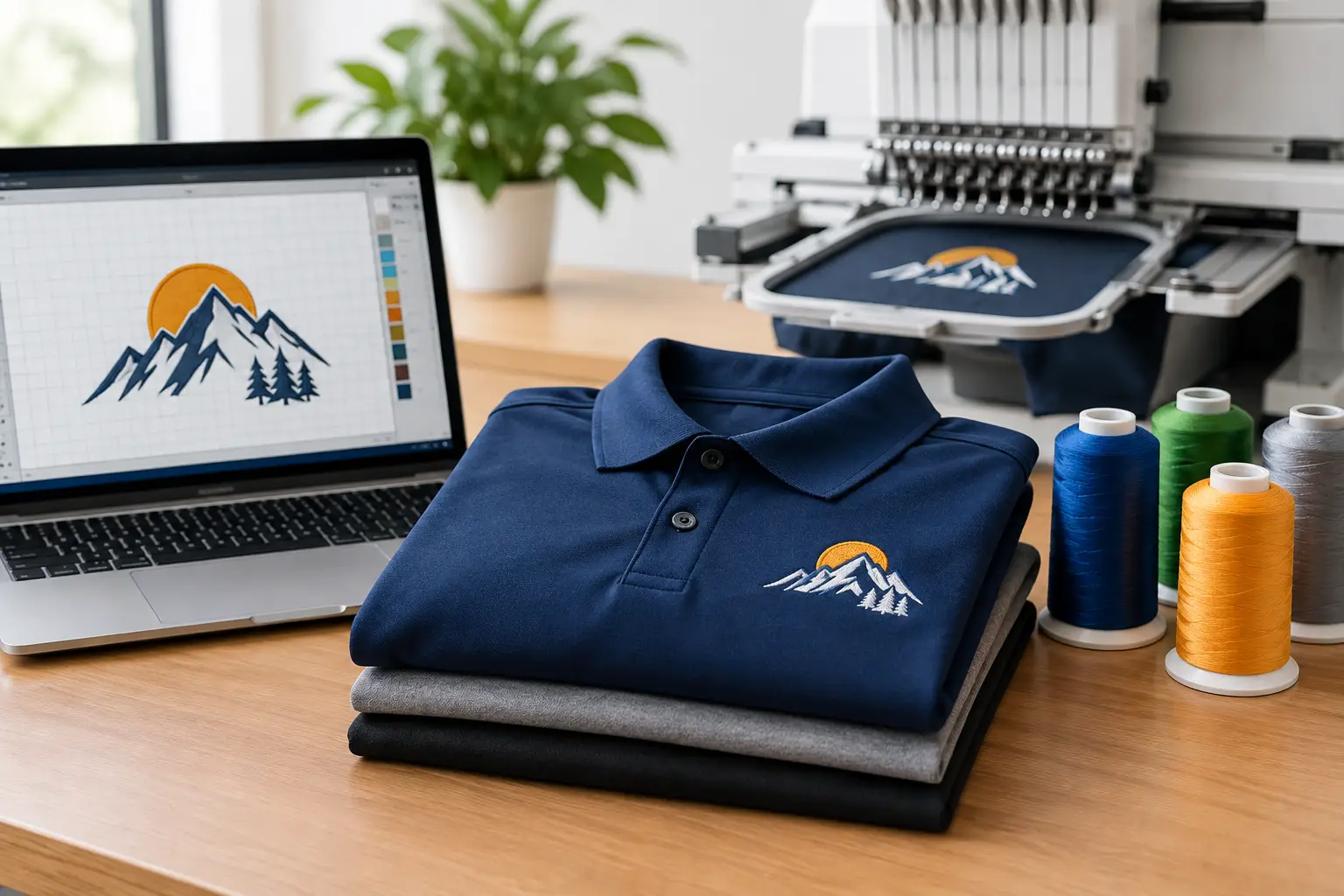
Embroidery creates a dimensional, polished finish that is especially well suited to polos, button-downs, caps, outerwear, and uniforms. It is a strong choice for logos with clear shapes and limited detail. Small, fine text or complex artwork may need adjustment so it remains readable when stitched.
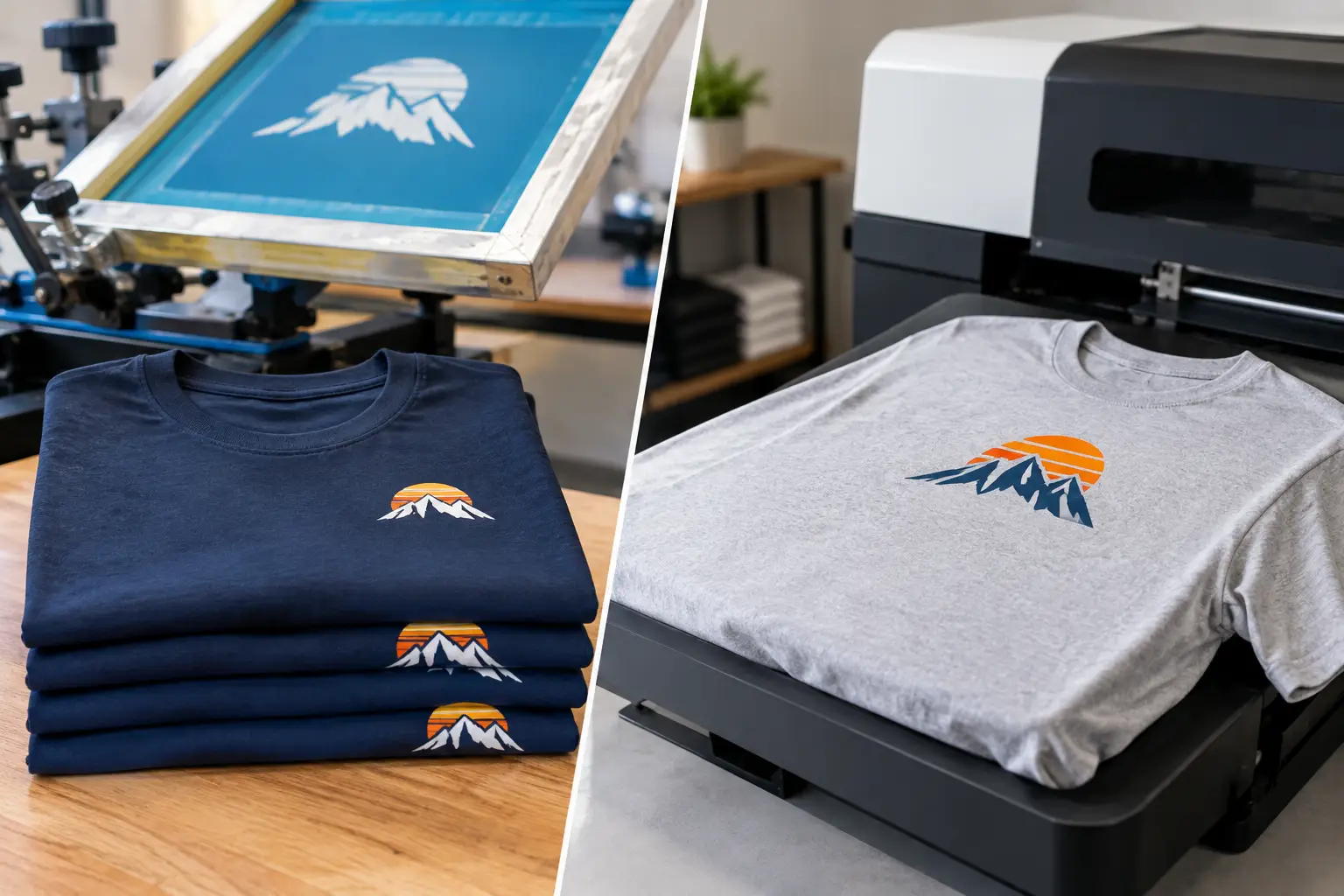
Screen printing is often a cost-effective route for larger quantities of T-shirts, sweatshirts, and event apparel. The number of ink colors, print locations, and order volume can influence price. A one-color logo in one location will typically budget differently than a multicolor design printed on the front and back.
The lowest decoration price is not always the best decision. Consider where the logo will be viewed, how the garment will be washed, and whether it needs to project a formal or casual look. Requesting a digital proof before production helps confirm logo size, placement, thread or ink colors, and artwork treatment before the budget becomes a finished order.
Forecast Quantities Without Guessing
Ordering exactly one item per person is rarely enough. Teams grow, sizes vary, garments get damaged, and a new employee may start two weeks after the order arrives. At the same time, excessive extras can tie up budget in sizes or styles that will not move.
Use your current employee roster as the starting point, then account for expected hiring, seasonal staff, and replacement needs. For a stable team, a modest reserve may be enough. For a rapidly growing organization or a program with frequent onboarding, plan a more intentional replenishment quantity.
Size data matters. If you have prior order history, use it instead of relying on a generic size curve. If you do not, ask employees for sizes before placing a large uniform order. This adds a short step upfront but helps prevent a surplus of less-requested sizes and a shortage of common ones.
For event orders, set a deadline for registrations and make the late-registration policy clear. A small overage is sensible, but the amount should reflect the event type. A local volunteer event may need more extras than an invitation-only leadership retreat.
Plan Around Production and Delivery Dates
A strong budget can still fail if the order arrives after the event, onboarding date, or seasonal kickoff. Timing affects cost because rush production or expedited shipping may add expenses that were never included in the original approval.
Work backward from the in-hand date, not the date you want to submit the order. Allow time for garment selection, logo preparation, digital proof review, revisions, art approval, production, and shipping. Once artwork is approved, LOGO USA typically produces decorated apparel from its US-based facility in 7-10 business days, but the planning window should also allow room for decision-making before production begins.
For annual programs, map key apparel moments on the calendar. New-hire kits, safety initiatives, sales meetings, trade shows, service anniversaries, and holiday recognition can often be anticipated. Combining predictable needs into a planned order can create better cost control than a series of last-minute purchases.
Create Approval Rules That Keep Spending Controlled
The best corporate apparel budget planning process gives teams clear boundaries without slowing down routine orders. Establish who can approve new garments, logo changes, purchases above a set amount, and rush requests. Then make the approved catalog, logo files, and decoration standards easy for authorized buyers to access.
This is especially valuable for multi-location organizations. Without clear rules, departments may order similar items in slightly different colors, use outdated artwork, or choose inconsistent logo placements. The individual orders may be small, but the brand inconsistency is visible.
Review the program after each major order. Compare the estimated total with the invoice, identify which styles were most popular, and note any sizing or decoration issues. That feedback makes the next order more accurate and helps you decide where premium quality genuinely earns its place.
The right apparel budget is not the one that produces the lowest initial quote. It is the one that gives your people comfortable, durable, on-brand gear and gives your organization confidence that the next order will be just as polished as the first.
Popular Blogs
What File Formats Does Embroidery Accept?
October 12, 2026