Best Workwear Brands for Branded Uniforms
- September 18, 2026
- 2:54 am

A field technician’s jacket, a warehouse team’s safety shirt, and a client-facing manager’s polo do not need to serve the same purpose. That is why choosing among the best workwear brands starts with the job your apparel must do, not simply the logo on the label. The right choice gives employees comfort through a full shift, presents your company professionally, and provides a dependable surface for embroidery or screen printing.
For business buyers, workwear is an operating decision as much as a branding decision. Fabric weight affects durability and comfort. Color selection affects reorder consistency. Placement, decoration method, and garment construction all affect how your logo looks after repeated wear and washing. A well-planned uniform program accounts for each of these details before an order reaches production.
What the Best Workwear Brands Have in Common
The strongest workwear brands are built around a clear use case. Some are designed for hard physical work, where abrasion resistance, warmth, and utility pockets matter most. Others are made for teams who need a professional, coordinated appearance while moving between the office, customer sites, and events. Neither approach is automatically better. It depends on your people and their environment.
For branded apparel, look for reliable sizing, consistent colors, durable fabrics, and styles that accept decoration cleanly. Thick duck canvas and heavy fleece are excellent for cold-weather crews, but dense or heavily seamed areas can limit embroidery placement. Lightweight performance polos are comfortable and polished, yet a large screen print may be more suitable than detailed embroidery on certain fabrics. A knowledgeable decorator can help match the garment, artwork, and application method before production begins.
Brand recognition also has value. Employees are more likely to wear a jacket or cap outside the workplace when it comes from a label they already trust. That extends the life of your investment while keeping your brand visible in a natural, credible way.
Best Workwear Brands for Different Teams
Carhartt for demanding jobs and lasting wear
Carhartt is often the first name business buyers consider for construction, field service, facilities, transportation, landscaping, and industrial crews. Its reputation is built on durable outerwear, work jackets, sweatshirts, caps, and shirts that hold up in demanding conditions. For cold-weather programs, insulated jackets and heavyweight layers can make a meaningful difference in employee comfort.
Carhartt is a practical choice when the garment needs to work as hard as the person wearing it. The trade-off is that heavyweight pieces may cost more than basic promotional apparel and are better suited to clean, strategic logo placement than oversized artwork. A left-chest embroidered logo or a structured cap design often creates a polished result without competing with the garment’s construction.
Port Authority for versatile company uniforms
Port Authority offers one of the broadest ranges for everyday corporate apparel programs. Its assortment includes polos, woven shirts, fleece, outerwear, bags, caps, and work-ready layers in colors that make it easier to build a unified look across departments. This flexibility is valuable for companies that need apparel for office staff, sales teams, support personnel, and event crews at the same time.
The brand is particularly useful when consistency matters across reorders. You can select coordinated garments for different job functions without making everyone wear the exact same item. For example, customer-facing staff may prefer performance polos and lightweight jackets, while operations personnel receive fleece layers or weather-resistant outerwear in the same company colors.
The North Face for premium outdoor-facing teams
The North Face brings a premium, recognized look to employee outerwear. It is a strong fit for leadership gifts, customer-facing field teams, corporate retreats, real estate groups, hospitality staff, and organizations that want an elevated jacket or vest for cooler conditions. A well-placed embroidered logo on premium outerwear can feel more like a valued employee benefit than a standard uniform requirement.
This is not always the right choice for every role or budget. The North Face works best when fewer, higher-value garments will be worn frequently and retained over time. If you are outfitting a large seasonal crew that needs basic layers, a more economical workwear line may provide better coverage. For executive teams and client-facing programs, however, the perceived quality can support the investment.
OGIO for mobile professionals and modern teams
OGIO is designed with movement, organization, and a more contemporary business-casual appearance in mind. Its polos, layering pieces, bags, and outerwear work well for sales teams, technology companies, service managers, event staff, and employees who travel between meetings and job sites.
The brand is especially effective when your uniform program needs to feel current without becoming overly casual. Pairing an embroidered OGIO polo with a matching backpack or messenger bag can create a coordinated onboarding kit or sales-team package. It also gives organizations a way to offer functional branded gear employees are likely to use beyond the workday.
Dickies for classic utility apparel
Dickies remains a practical option for trade-focused uniforms, automotive teams, maintenance departments, manufacturing, and service businesses. Its work shirts, pants, coveralls, and jackets carry a straightforward utility aesthetic that many crews recognize immediately. The look is clean, familiar, and built for active use.
When considering Dickies, think about whether pants and shirts need to be part of the same program. Branded upper layers are generally easier to manage, while pants require more attention to inseam sizing, inventory, and employee preferences. A Dickies work shirt with an embroidered name and company logo can deliver a classic uniform look without overcomplicating the rollout.
Red Kap for uniforms that need structure
Red Kap is another trusted name for industrial, automotive, maintenance, and service uniforms. It is a sensible choice when a consistent, traditional work-uniform appearance is the goal. Button-front work shirts and durable shop apparel can help distinguish technicians and service personnel in environments where professionalism and easy identification matter.
This category works particularly well with employee names, department identifiers, and simple chest logos. Keep artwork direct and readable. A work shirt is not a billboard, and a clear logo plus a name treatment often serves employees and customers better than a crowded design.
CornerStone for value-driven jobsite programs
CornerStone focuses on hardworking essentials, including safetywear, work shirts, jackets, and sweatshirts. It can be a smart solution for teams that need durable apparel at a price that supports larger headcounts, replacement orders, or seasonal staffing. For organizations balancing safety requirements with brand consistency, high-visibility options and practical layers can help keep the program cohesive.
Value does not have to mean generic. Select a consistent color family, standardize logo placement, and define which garments are assigned to each role. Those simple rules make a broad uniform program look intentional, even when employees wear different styles for different tasks.
TravisMathew for polished business-casual apparel
TravisMathew is well suited to golf events, client appreciation, leadership apparel, professional services, and organizations with a refined casual dress code. The brand’s polos and layering pieces offer a relaxed but premium presentation that works in client-facing settings. It is a natural fit for programs where comfort, style, and perceived quality carry equal weight.
Use TravisMathew selectively rather than forcing it into every department. It may be ideal for a sales incentive, executive outing, or customer event, while a more durable workwear brand handles daily field uniforms. Combining brands by function can create a better program than choosing one label for every employee.
Richardson for dependable branded headwear
Headwear deserves its own consideration because caps are often the most visible and most frequently worn piece of branded work apparel. Richardson is widely recognized for structured caps, mesh-back styles, and reliable fit options that suit field crews, trades, outdoor teams, and promotional programs.
A cap can carry an embroidered logo with strong visibility and relatively low complexity. To get the best result, simplify small details in your art and choose thread colors with enough contrast against the cap fabric. For many companies, a quality cap is also the easiest item to add to a reorder program or employee store.
How to Build a Workwear Program That Holds Up
Start by separating employees into real working environments: office and customer-facing staff, active indoor teams, outdoor crews, and leaders or event representatives. Then choose a core item for each group, such as a polo, work shirt, fleece, jacket, or cap. This approach gives employees apparel that makes sense for their day while preserving a consistent brand appearance.
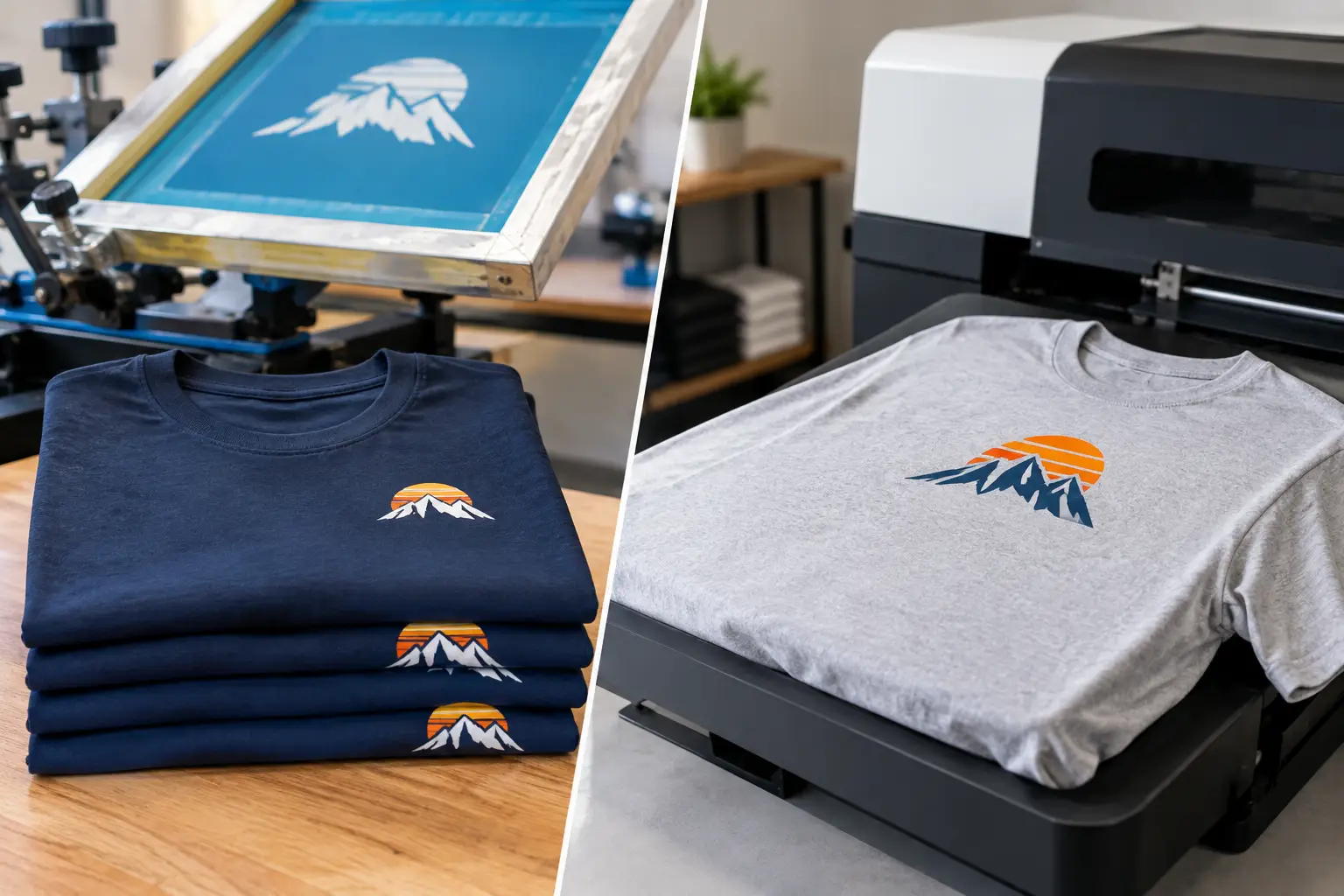
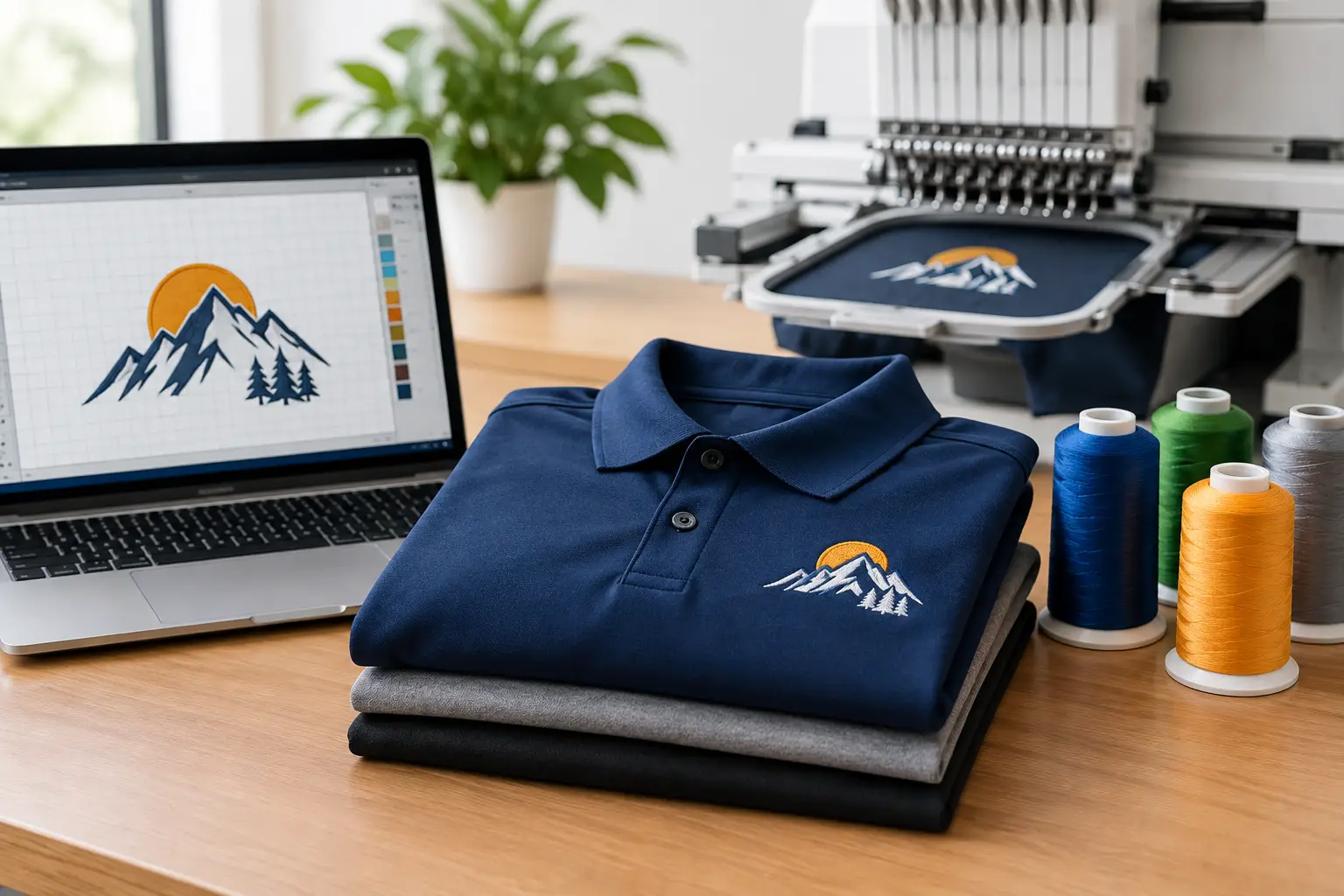
Next, establish decoration standards. Decide whether the primary logo belongs on the left chest, sleeve, back, or cap front, and use that placement consistently. Embroidery is a premium option for polos, jackets, caps, and woven shirts, while screen printing is often effective for t-shirts, sweatshirts, and bold back graphics. Digital proofing should confirm the size, placement, colors, and spelling before production begins.
Finally, plan for the second order before placing the first. Popular styles and colors, clear size records, and documented logo specifications make replenishment far easier. LOGO USA supports this process with in-house decoration and US-based production, helping businesses keep branded apparel programs organized from the first rollout through routine reorders.
The best workwear is the apparel employees reach for because it fits well, performs on the job, and makes them proud to represent the company. Choose brands around the work being done, keep your decoration clean and consistent, and your uniform program will continue to earn its place long after the first distribution day.
Popular Blogs
What File Formats Does Embroidery Accept?
October 12, 2026