How to Build Employee Merch Stores That Work
- August 1, 2026
- 2:03 am
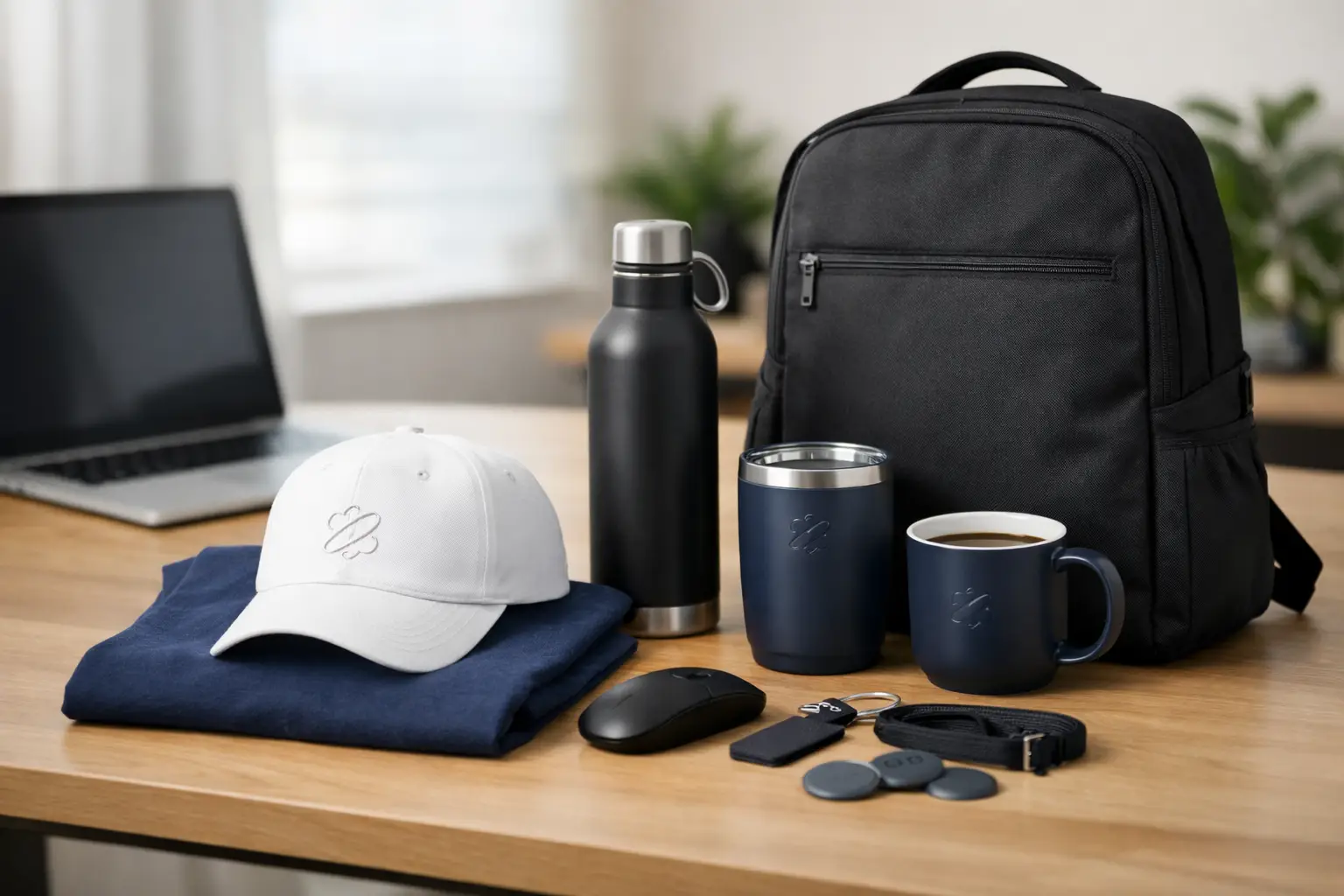
A new hire should not have to email three people to find out how to order a company polo. A field manager should not need a spreadsheet to replace a worn work jacket. Knowing how to build employee merch stores means creating one organized destination where your team can order approved branded apparel without creating more work for HR, operations, or purchasing.
The best stores do more than display products. They protect your brand standards, make ordering straightforward, and give employees apparel they will actually want to wear. The right setup depends on your workforce, budget, and how frequently you expect people to order, but a strong program starts with a clear operating plan.
Start With the Purpose of Your Employee Merch Store
Before selecting products, decide what the store is meant to accomplish. A uniform program for a service team has different requirements than a recognition store for an office-based company. When the purpose is unclear, stores often become crowded with too many products, inconsistent logo treatments, and apparel that does not match the job.
For a uniform or customer-facing team, prioritize polished essentials that hold up to regular wear. Embroidered polos, button-down shirts, outerwear, workwear, caps, and safetywear can create a consistent appearance across locations and roles. If your employees work outdoors, in warehouses, or on job sites, fabric performance, visibility, warmth, and durability deserve more weight than fashion-forward choices.
For culture, recruiting, and employee recognition, consider a smaller collection of higher-interest pieces. A soft t-shirt, premium hoodie, backpack, cap, or insulated outerwear can feel more like a benefit than a required uniform. These stores may also support company anniversaries, team milestones, sales awards, and seasonal gifting.
Write down the store’s primary job and who can order from it. Then determine whether the company will pay for items, provide an annual allowance, offer a discount, or have employees pay in full. That decision influences product pricing, approval rules, and the number of items you should offer.
How to Build Employee Merch Stores Around the Right Assortment
A useful store is curated, not overloaded. Employees should be able to find an appropriate item quickly, while brand managers should be confident every choice represents the company well. For most programs, begin with a core assortment of six to 12 products and expand only after you see real ordering patterns.
Start with the apparel categories your workforce uses most. A practical mix may include a polo, t-shirt, sweatshirt, lightweight layer, outerwear option, cap, and bag. Add role-specific products only where they solve a real need, such as high-visibility apparel for a field crew or durable jackets for installation teams.
Trusted apparel brands can improve adoption because employees recognize the fit, performance, and quality they expect. Carhartt workwear may make sense for a trade contractor, while OGIO bags, Port Authority layers, Richardson caps, or TravisMathew polos can fit a different workplace and budget. The goal is not to offer every brand. It is to select products that align with your team’s work environment and your company image.
Sizing is one of the biggest practical issues in an employee store. Include a broad, realistic size range and choose styles with dependable fit information. If possible, order sample sizes for departments with large teams or before launching a new uniform category. A product that looks sharp online but fits poorly creates returns, exchanges, and frustration.
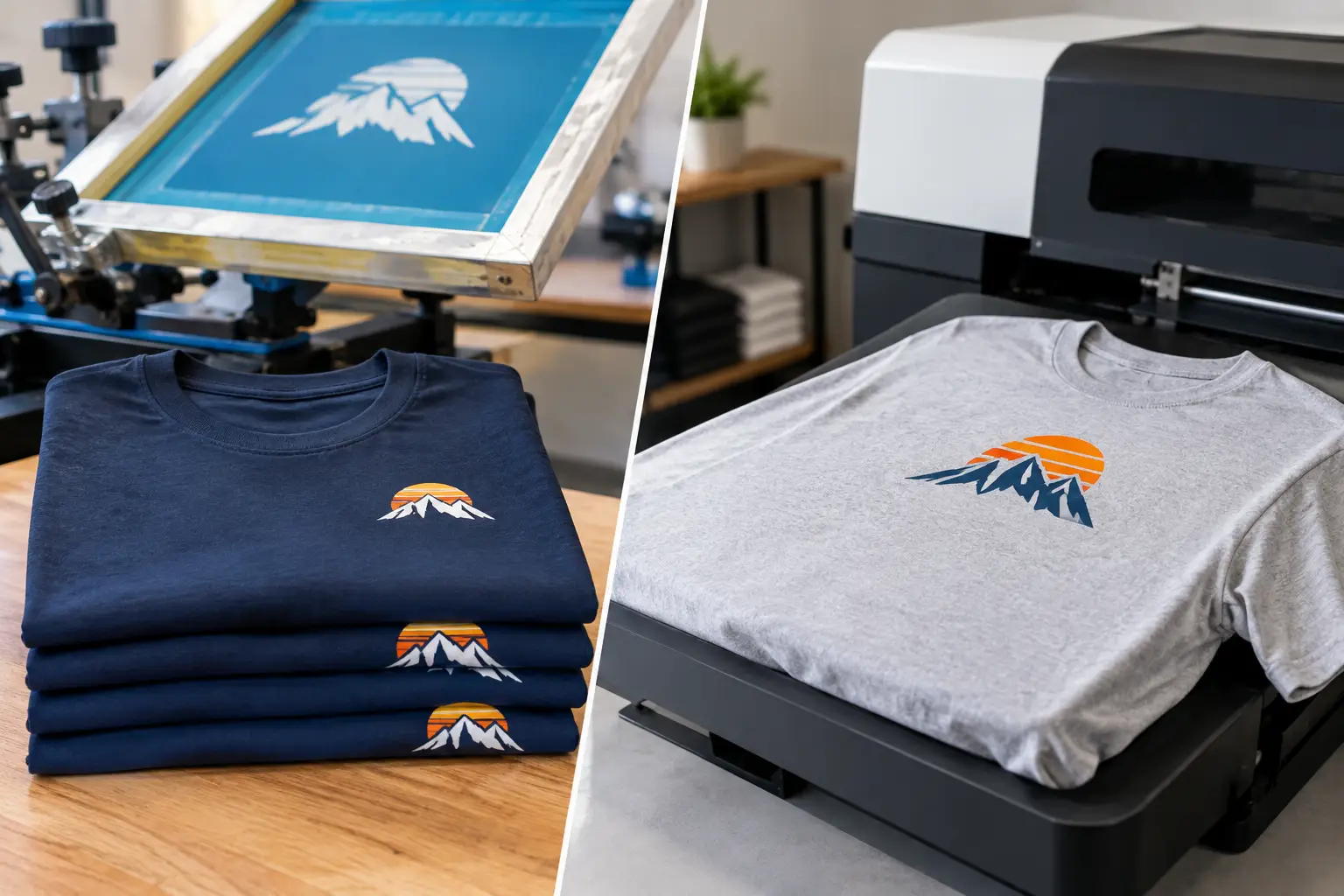
Decoration should be equally intentional. Embroidery is a strong choice for polos, outerwear, hats, and professional uniforms because it adds dimension and holds up well over time. Screen printing is often a better fit for event shirts, larger graphics, and high-volume t-shirt programs. Keep logo placement consistent across similar garments, but allow for material-specific adjustments when needed. A left-chest embroidered logo may be ideal on a polo, while a full-front print may be more effective on a team shirt.
Establish Brand, Pricing, and Approval Rules Early
An employee store works best when its rules are settled before the first order. Define which logo versions are approved, what thread or ink colors may be used, where artwork belongs on each garment type, and whether employees can add names, departments, or locations. These details prevent a store from slowly drifting away from your brand standards.
You should also decide whether all employees see the same catalog. Some companies need separate collections for office staff, managers, field crews, and leadership teams. Others require location-specific logo options or department budgets. Segmenting the store can make the experience more relevant, but too many separate collections can complicate administration. Use distinct groups only when access, apparel needs, or branding truly differ.
Pricing needs the same clarity. A company-paid welcome package is simple to manage when the approved items and quantities are defined. For ongoing ordering, an allowance or reimbursement policy can give employees flexibility while keeping spending predictable. If employees purchase items themselves, be transparent about prices, decoration, and any minimum-order conditions before checkout.
A dependable supplier should provide a digital proof before production so your team can confirm artwork, placement, colors, and spelling. This is especially valuable when launching a new store or introducing new apparel. Once the core products are approved, retain those specifications for future reorders. Consistency is easier to maintain when the approved art and decoration details are documented from the beginning.
Make Ordering Easy Without Giving Up Control
The ordering experience should be simple enough for a new employee to use without a training session. Organize products by category or role, use clear product names, and include details that help employees choose correctly: garment material, fit notes, available colors, decoration location, and size range.
Avoid presenting employees with five nearly identical polos or every possible color offered by a manufacturer. Too many choices slow decisions and can weaken visual consistency. A limited range of approved colors usually looks more professional and is easier to replenish.
For larger organizations, determine how orders will be approved and billed before launch. Some programs allow direct employee ordering up to a set allowance. Others route orders to a manager, cost center, or purchasing contact. There is no single right model. A small business may prefer direct ordering with a company discount, while an enterprise program may need department-level reporting and approval controls.
Also consider where orders will be delivered. Shipping directly to employees is convenient for remote teams and replacement orders. Bulk delivery to an office or job site can reduce freight costs and make onboarding kits easier to distribute. Many companies use both options depending on the order type.
Plan Production and Fulfillment for Real-World Demand
A store is only as reliable as the production process behind it. Ask how decorated apparel is produced, how artwork is prepared, what happens when an item is unavailable, and how reorders are handled. Domestic production can offer stronger communication and greater control over quality and turnaround, particularly for recurring company apparel needs.
At LOGO USA, embroidery, digitizing, screen printing, graphic support, and production are managed from a US-based facility, helping businesses keep the decoration process coordinated from proof through fulfillment. For approved artwork, standard production can move in 7-10 business days, which is useful for onboarding, events, and replenishment planning.
Inventory deserves attention as well. Some products are available year-round, while others are seasonal or can be affected by supplier stock levels. Build your core store around styles with reliable availability whenever possible. Have an approved substitute plan for key items such as polos, caps, and jackets so an out-of-stock product does not stall an employee’s order.
For programs with steady demand, review purchasing activity every quarter. You may find that one hoodie rarely sells while a particular polo is reordered every month. Use that information to refine the assortment, remove weak items, and add products that serve a demonstrated need.
Launch With a Clear Rollout Plan
A polished store still needs a good introduction. Tell employees why it exists, who can use it, what the company covers, and when they should order. If the store replaces an old uniform process, explain what has changed and where employees can get help with sizing or product questions.
Launch timing matters. A new store can support a company meeting, busy hiring period, seasonal uniform change, or brand refresh. For a large rollout, consider starting with a pilot group. Their feedback can reveal unclear product descriptions, missing sizes, delivery preferences, or approval issues before the program reaches the full organization.
Treat your store as an ongoing part of your brand program, not a one-time project. Begin with the apparel your people need most, keep the rules clear, and let actual employee use guide the next improvement.
Popular Blogs
What File Formats Does Embroidery Accept?
October 12, 2026