Screen Printing for Event Shirts That Work
- June 28, 2026
- 1:54 am
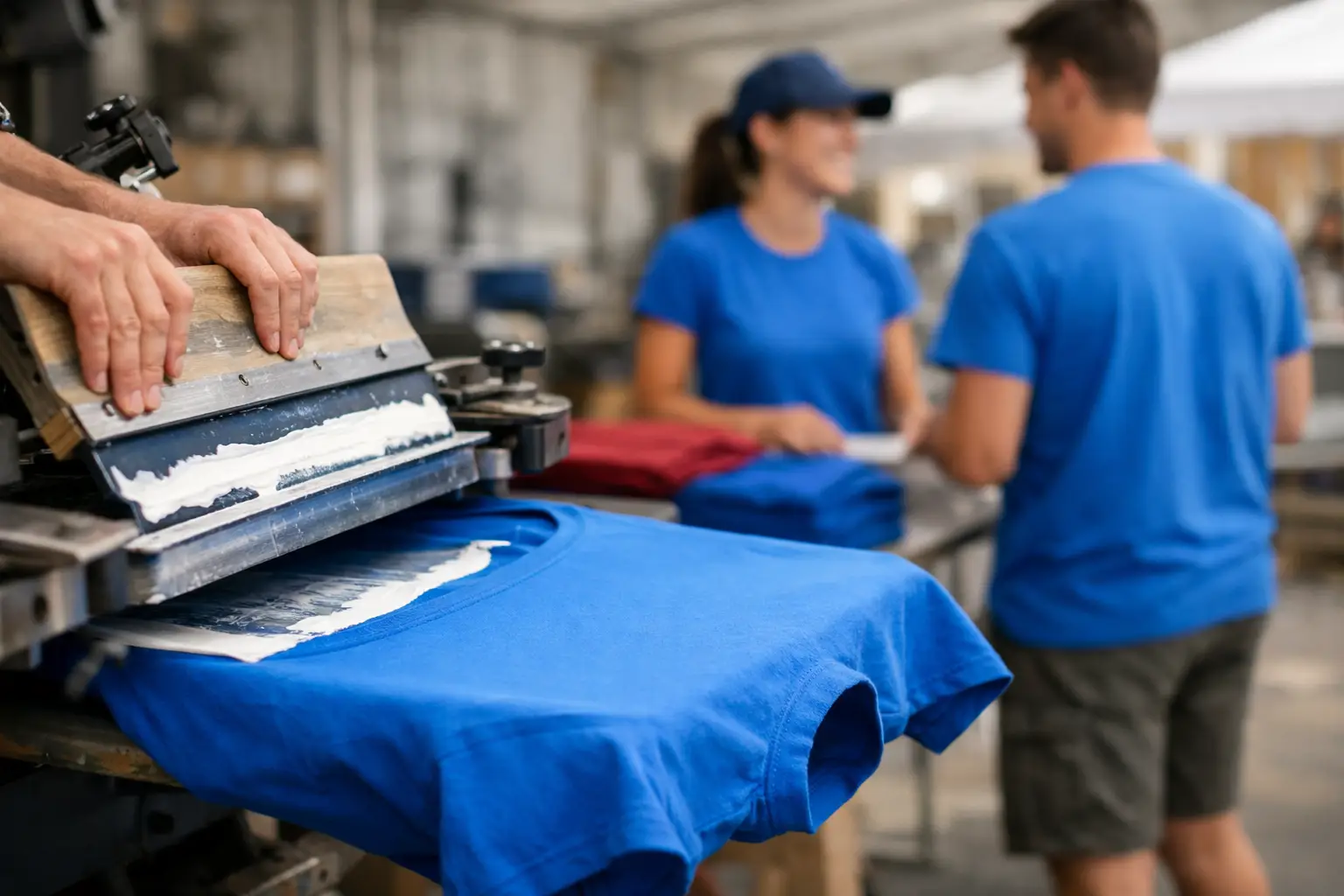
The shirts show up before your team does. At a trade show, company picnic, fundraiser, or recruiting event, people notice color, logo placement, and print quality long before they start a conversation. That is why screen printing for event shirts is not just a decoration method. It is a branding decision that affects visibility, consistency, and how professionally your organization is perceived.
For business buyers, the goal is usually straightforward. You need shirts that look polished, hold up through the event, fit the budget, and arrive on time. The challenge is that event apparel has to do several jobs at once. It needs to identify staff, support your brand, and still be comfortable enough for people to wear for a full day. When the printing is done well, those priorities work together. When it is rushed or poorly planned, every issue becomes visible at once.
Why screen printing for event shirts makes sense
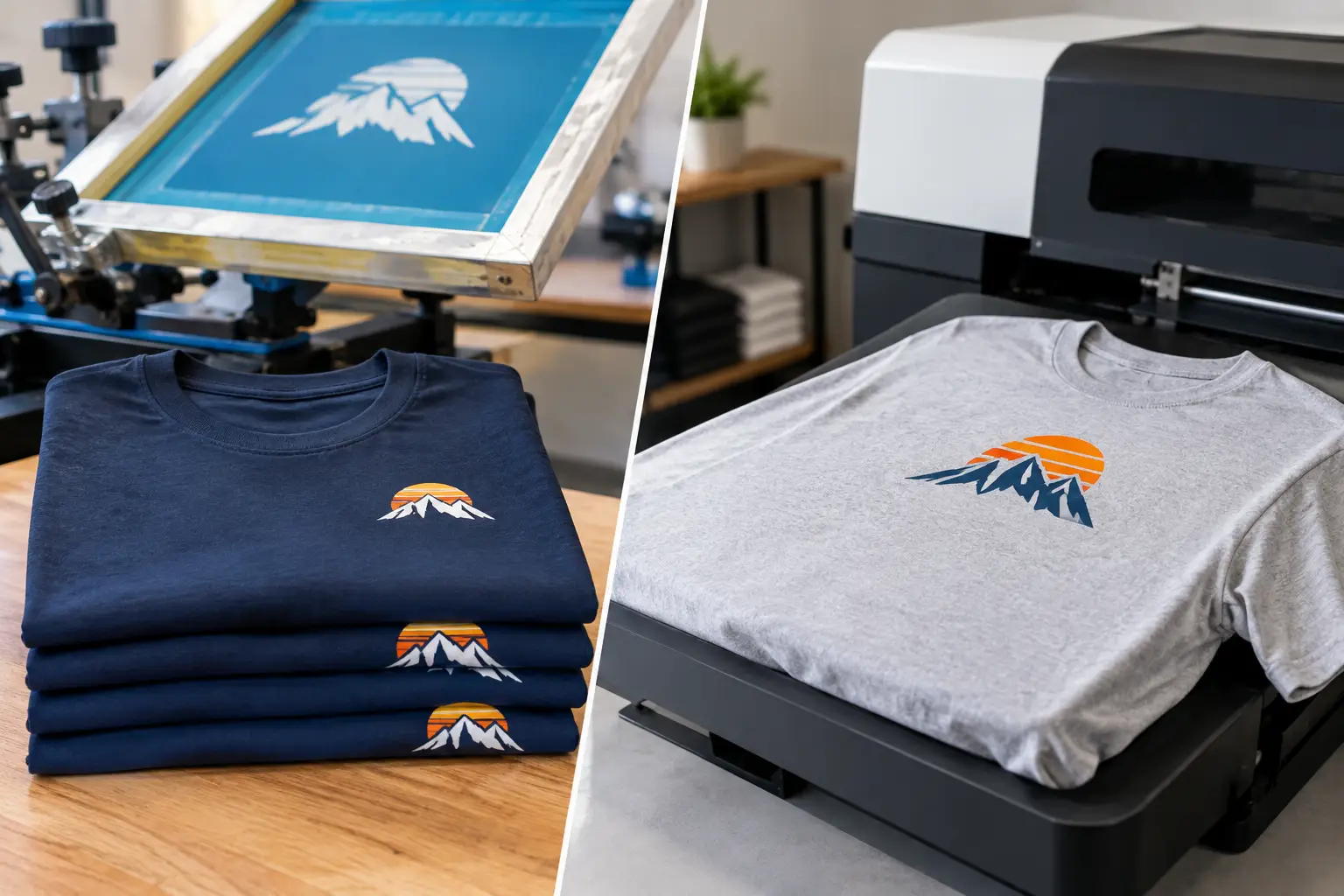
Screen printing remains one of the most dependable options for event apparel because it produces bold, consistent graphics at scale. If you are outfitting a team of 25, 250, or more, it is built for repeatability. The logo on the first shirt should match the logo on the last one, and that level of consistency matters when your staff is representing your company in public.
It also performs well on the shirt styles most organizations choose for events. Cotton tees, cotton blends, and many performance-friendly options can all support screen printing effectively, depending on the artwork and ink selection. For large logo treatments, sponsor graphics, back prints, and high-visibility event messaging, screen printing often gives you the strongest combination of visual impact and durability.
Cost is another practical reason. As quantities increase, screen printing becomes a more efficient decoration method than many alternatives. That makes it especially attractive for event planning, where volume is common and budgets are usually under pressure.
What makes an event shirt successful
A successful event shirt is not simply a shirt with a logo on it. It is apparel that serves the event’s purpose clearly. For a corporate volunteer day, that may mean easy team identification and a friendly, approachable look. For a product launch, it may mean cleaner brand presentation and elevated apparel that staff can wear beyond the event. For a fundraiser or community race, it may mean balancing sponsor recognition with a design people will actually keep.
That is where planning matters. Shirt color affects logo contrast. Print size affects readability from a distance. Garment quality affects whether the shirt feels disposable or brand-worthy. Even the choice between a left chest print and a full front graphic changes the impression your team makes.
There is always a trade-off. A low-cost basic tee may work well for a one-day giveaway, but it may not reflect the image you want for executive-facing events or customer interactions. A premium branded shirt can elevate perception, but it may require tighter control over artwork, sizing, and budget. The right choice depends on who will wear the shirt, how long they will wear it, and what the event is trying to accomplish.
Choosing the right shirt before printing starts
Most event shirt problems begin with the garment, not the press. Buyers often focus on the logo first, but the shirt itself sets the foundation for the final result.
Start with the audience. If the shirts are for staff working outdoors for several hours, lightweight moisture-wicking styles may make more sense than standard cotton. If the event is casual and community-focused, a soft cotton blend tee often works well because it feels familiar and easy to wear. If the shirts are intended for a polished corporate environment, stepping up to a better fabric and more refined fit may be worth it.
Color choice should support the artwork, not fight it. Dark shirts can make bright ink colors pop, but they may require an underbase and more production setup. Light shirts can simplify printing and reduce cost, but they may not deliver the same bold appearance. Brand standards matter here too. If your organization has strict logo colors, the garment color should help preserve that consistency.
Sizing is another area where event orders can go sideways. Business buyers are often ordering for mixed groups, and that means planning for a realistic size curve rather than guessing. If attendees are unknown, broad size coverage is safer than overloading on mediums and larges. A good order is not just a print order. It is inventory planning for the people who will actually wear the apparel.
Artwork decisions that improve screen printing for event shirts
Screen printing works best when the art is prepared for the process. That sounds obvious, but many event designs are created quickly and then expected to translate perfectly onto apparel. Clean artwork, limited colors, and strong contrast generally produce better results than overloaded graphics with tiny details.
Text should be readable at a glance. Sponsor names, event dates, and team identifiers need enough size and spacing to remain legible once printed on fabric. Fine lines and small decorative elements may look sharp on a screen proof, but they do not always hold the same visual strength on an actual shirt.
Color count also matters. More ink colors can create a more complex design, but they also affect setup and cost. For many event shirts, simpler is stronger. A one-color or two-color print can look more professional than a crowded multicolor layout if the branding is clear and well placed.
Placement deserves just as much attention as the graphic itself. Left chest prints are common for staff shirts and branded event apparel because they feel clean and professional. Full front prints create stronger visual impact and are useful when event recognition is the priority. Back prints are ideal for schedules, sponsor groups, or department labeling, but they should not make the shirt feel cluttered. Good event apparel looks intentional from every angle.
Turnaround, approvals, and why production control matters
Events do not leave much room for rework. If shirts arrive late or the proof was approved without careful review, the timeline rarely recovers. That is why dependable production matters as much as design.
A strong process starts with clear art approval. Buyers should know what the print will look like, where it will be placed, and which garment it will appear on before production begins. That reduces surprises and protects brand standards, especially for companies ordering across departments or for recurring programs.
Production timing should also be realistic. Rush promises can sound appealing, but event orders benefit from control more than speed alone. Screen printing involves setup, garment coordination, proofing, printing, and packing. If any part of that chain is loose, quality can suffer. Working with a decoration partner that manages production in-house gives buyers more visibility and accountability, which is especially valuable for business events with fixed dates.
At LOGO USA, that production control is part of the value. USA-based decoration, digital proofing, and a defined production window help business buyers place orders with more confidence, especially when consistency matters across teams, locations, or repeat events.
When screen printing is the right fit and when it depends
Screen printing is an excellent fit for most event shirts, but not every order should be approached the same way. If you need high quantities with the same design, it is often the most efficient and polished option. If the design is bold and graphic-driven, it usually performs exceptionally well.
If you need highly individualized names, variable data, or very small runs with multiple versions, another decoration method may be worth considering. The same is true if the garment is highly textured or the artwork is photographic and complex. Event apparel is rarely one-size-fits-all, and the best outcomes come from matching the decoration method to the actual use case rather than forcing every project into the same process.
That said, most business event orders are built around consistency, durability, and scale. That is where screen printing continues to stand out. It gives organizations a reliable way to present their brand clearly across a full team, whether the event is internal, customer-facing, promotional, or community-based.
Planning ahead for better results
The easiest event shirt orders usually start earlier than buyers think they need to. Early planning gives you better garment availability, more time to confirm sizing, and more room to refine artwork. It also helps avoid the common last-minute compromise of choosing whatever shirt is still in stock rather than the one that actually fits the brand and event.
If your organization runs recurring events, it is even smarter to treat event apparel as part of a broader branding program. Keeping approved logos, preferred garment styles, and standard print placements on file can simplify reorders and create a more consistent presentation over time. That is especially useful for companies managing trade shows, onboarding events, field teams, recruiting programs, and community outreach under one brand umbrella.
Event shirts may seem simple, but they carry a lot of responsibility. They represent your company in real time, in crowded spaces, under deadlines, and in front of customers, prospects, and employees. When the garment is chosen carefully and the print is executed with precision, the result does more than check a box. It gives your team something professional to stand behind.
Popular Blogs
What File Formats Does Embroidery Accept?
October 12, 2026