How to Choose a Business Apparel Store
- June 24, 2026
- 2:03 am
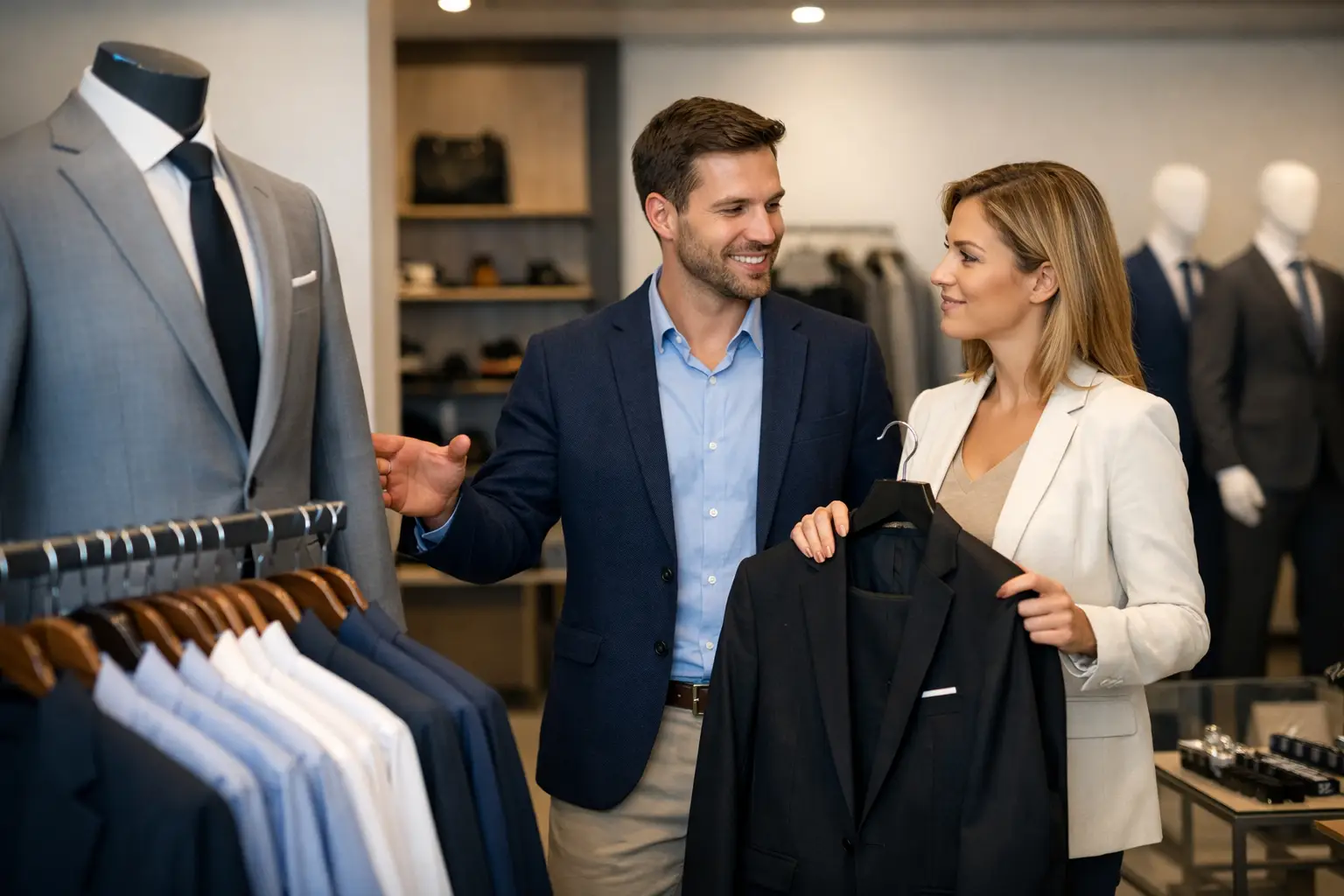
The first bad polo order usually looks fine in the box. The problems show up later – uneven embroidery, shrinking after one wash, colors that miss the brand standard, and sizing that leaves half the team uncomfortable. That is why choosing the right business apparel store matters more than most companies expect. You are not just buying shirts or jackets. You are choosing how your brand shows up in the field, at events, in customer meetings, and across your day-to-day operation.
For business buyers, the real question is not who sells apparel. Plenty of companies do. The question is who can deliver branded apparel with consistency, speed, and the kind of finish that makes employees look prepared and your company look established.
What a business apparel store should actually provide
A strong business apparel store does more than list products online. It should help you move from idea to finished apparel without unnecessary delays or guesswork. That means access to proven garment options, dependable decoration methods, clear proofing, and production processes that protect quality from the first order to the fiftieth reorder.
This is especially important when apparel serves more than one purpose. A company polo for office staff has different needs than outerwear for field crews, safetywear for compliance, or event shirts for a marketing team. The right supplier understands those differences and guides the order accordingly.
That level of support matters because business apparel is rarely a one-time purchase. Many organizations start with a small run for a department, then need reorders, expanded sizing, seasonal additions, or a larger company store program. If the supplier cannot maintain consistency, each follow-up order creates more work for your team.
Quality starts with product selection
Apparel quality is the first thing employees notice and one of the first things customers infer about your company. If garments feel flimsy, fit poorly, or wear out too fast, branding alone will not save the impression.
A reliable store should offer a broad mix of business-ready products such as polos, caps, sweatshirts, t-shirts, outerwear, bags, workwear, safetywear, and uniforms. Brand access matters too. Recognized names like Carhartt, The North Face, OGIO, Port Authority, Richardson, and TravisMathew can support different use cases, from rugged jobsite wear to polished office presentation.
Still, more options are not always better if the catalog is not organized around real business needs. Buyers should be able to compare garments based on durability, decoration compatibility, weather performance, price tier, and fit. A soft retail-style tee may work perfectly for a promo giveaway, while a snag-resistant polo makes more sense for daily employee wear. It depends on where the apparel will be used and how often it will be washed.
Decoration quality separates average from professional
The garment gets the first look. The decoration gets the second. If your logo is puckered, off-center, too small, too large, or poorly digitized, the final piece will feel cheap no matter how good the shirt is.
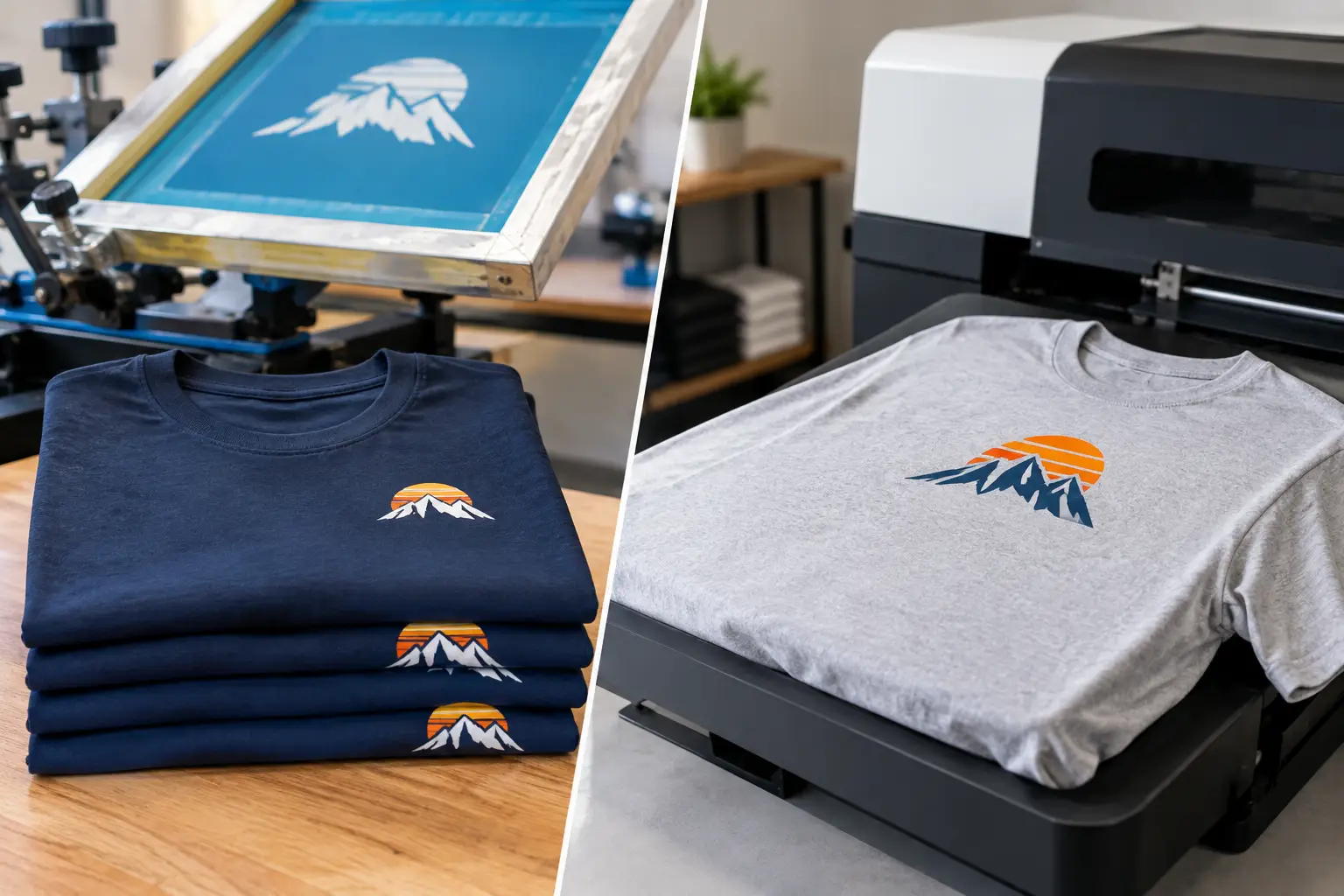
Embroidery remains one of the strongest choices for corporate apparel because it creates a polished, durable finish on polos, jackets, caps, and uniforms. Screen printing is often the better fit for larger graphics, event shirts, or higher-volume orders where bold visuals matter. Neither method is automatically better in every case. The right business apparel store should explain what works best for the fabric, logo detail, and intended use.
In-house decoration can make a major difference here. When production is controlled under one roof, there is usually better oversight on stitch quality, placement, thread color matching, print consistency, and final inspection. It can also reduce miscommunication between separate vendors. For buyers managing deadlines, that kind of production control is not a minor detail. It is risk reduction.
Speed matters, but accuracy matters more
Most business apparel orders are tied to a deadline. A trade show, onboarding date, grand opening, branch rollout, safety initiative, or seasonal push leaves little room for delay. Fast turnaround is valuable, but only if the order arrives correct.
That is why digital proofing and art review should be part of the process, not an afterthought. Before production begins, buyers should know how the logo will appear, where it will be placed, and whether any adjustments are needed for scale or detail. Good proofing protects the buyer from expensive surprises and protects the supplier from avoidable rework.
If a provider promises speed but skips over the approval process or provides vague production timelines, that is usually a warning sign. Reliable production is built on clear steps, responsive communication, and realistic timing. In many cases, a 7 to 10 business day production window after art approval is more valuable than an unrealistic rush promise that creates mistakes.
Why consistency matters for growing programs
A one-time order can survive a few imperfections. An ongoing apparel program cannot. Once multiple departments, locations, or recurring events are involved, consistency becomes the priority.
This is where a business apparel store needs to think like an operational partner, not just an online seller. The store should be able to support repeat orders with the same logo setup, matching thread colors, standardized placements, and approved garment selections. Without that structure, one office receives a clean branded quarter-zip while another gets a slightly different version that weakens the overall brand presentation.
For larger organizations, company apparel stores can simplify this process even further. Instead of manually managing every order, teams can work from approved products and branding standards in a controlled environment. That helps HR, operations, and marketing keep things aligned while reducing internal back-and-forth.
Service is part of the product
Business buyers do not just need apparel. They need answers. Which jacket works for warehouse staff? Will this fabric hold embroidery well? Can the logo be simplified for a cap? Is this shirt available in the full size run we need? Can we combine polished office apparel with rugged outerwear under one program?
A good supplier should be ready for those conversations. Strong service means helping buyers choose correctly the first time, especially when there are competing priorities around budget, appearance, durability, and delivery.
This is where experience shows. A company that has handled branded apparel programs for years is more likely to anticipate issues before they become problems. That could mean recommending a better fabric for repeated washing, adjusting logo placement on a pocketed garment, or steering a team toward a brand that better matches the setting.
At LOGO USA, that kind of support is built around in-house production, customization expertise, and a long track record of helping businesses order with confidence.
What buyers should look for before placing an order
The easiest way to evaluate a supplier is to look past the website and focus on execution. Can they support product selection based on your use case? Do they offer embroidery and screen printing with clear guidance on when to use each? Is there a proofing process? Are production timelines defined? Can they handle reorders without rebuilding the job from scratch?
It is also worth asking how they manage brand consistency over time. If your company grows, adds locations, or needs a mix of uniforms, promo shirts, and premium outerwear, the store should be prepared to scale with you. That matters just as much as price.
Cost always plays a role, but the cheapest unit price often becomes more expensive when the order has to be redone, replaced, or explained internally. Better apparel tends to wear longer, fit better, and represent the brand more effectively. Better production tends to reduce waste and headaches. For most business buyers, value comes from getting the order right and making the next order easier.
The best business apparel store makes ordering easier next time
The first order tells you whether a supplier can decorate apparel. The second order tells you whether they can support your business.
That is the real standard. A dependable business apparel store should help your team order faster, maintain brand standards, and avoid repeating the same setup conversations every time a department needs shirts, hats, jackets, or uniforms. When that process is handled well, branded apparel stops being a recurring hassle and starts becoming a dependable part of how your company presents itself.
Choose a partner that treats your logo like a brand asset, not just artwork on a garment. That decision pays off every time your team puts the apparel on.
Popular Blogs
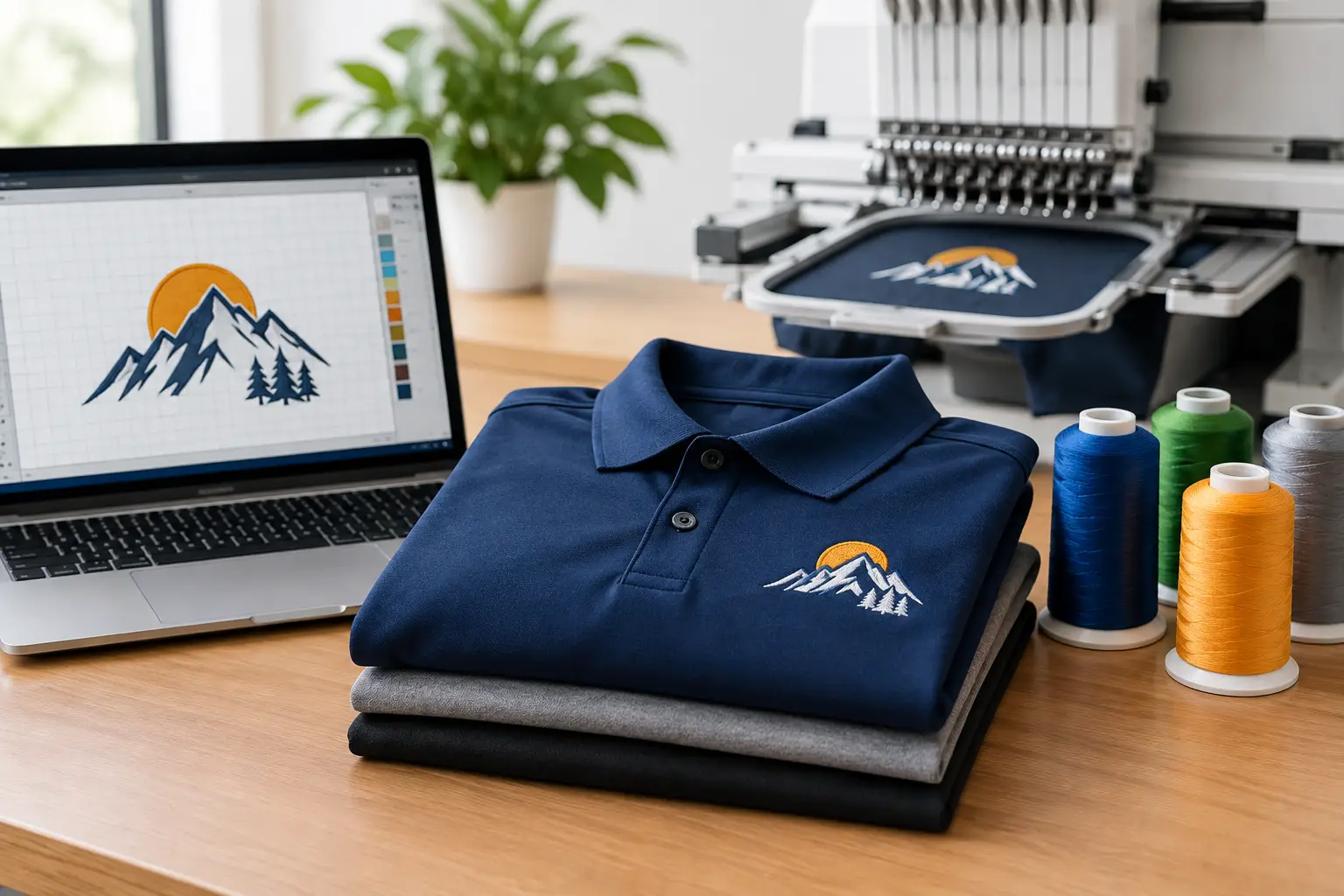
What File Formats Does Embroidery Accept?
October 12, 2026