Build a Custom Branded Safetywear Program
- June 22, 2026
- 2:12 am
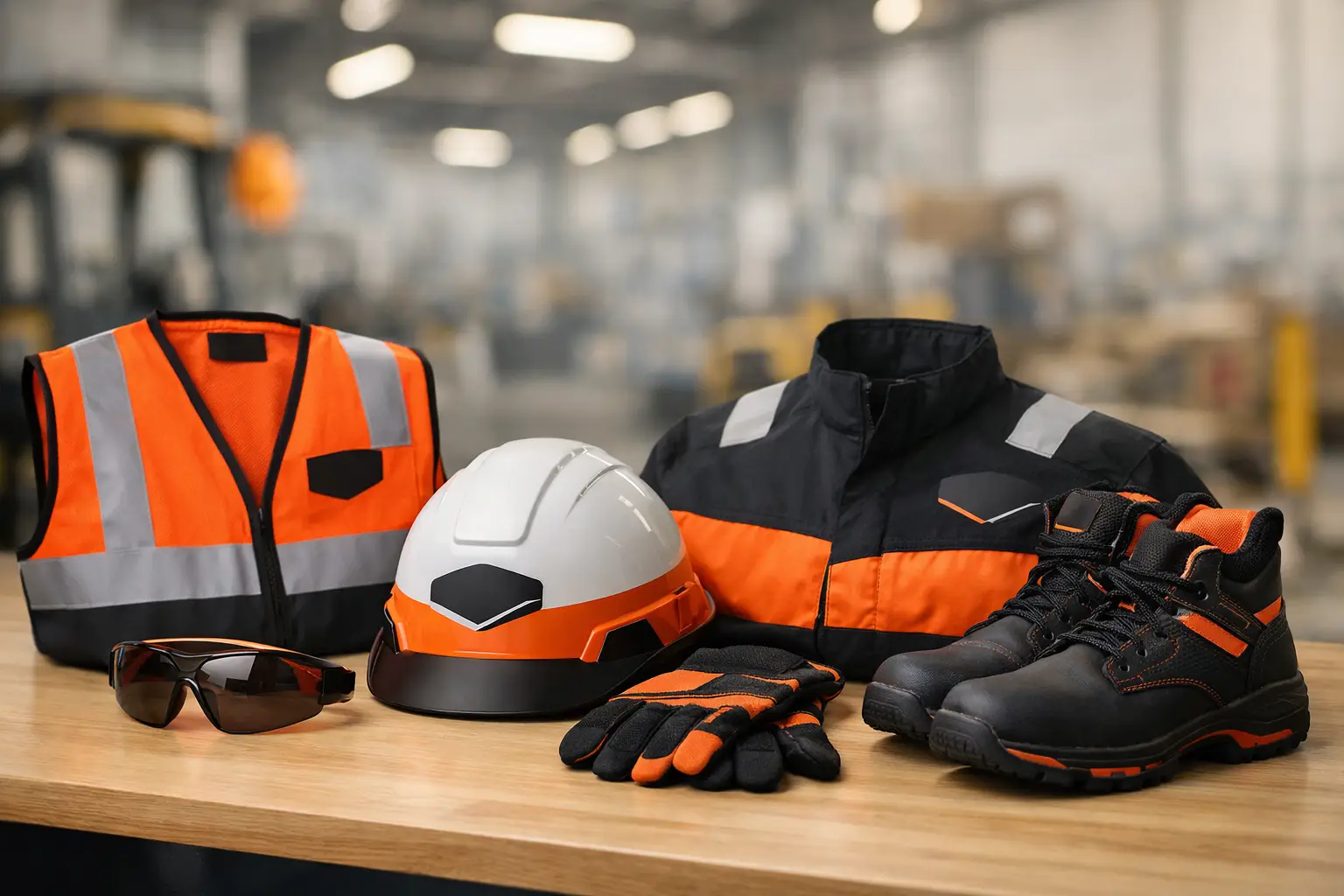
A reflective vest with the wrong logo placement can create more problems than it solves. If the decoration blocks visibility tape, fades after a few washes, or varies from one order to the next, your team ends up with gear that looks inconsistent and performs below standard. A custom branded safetywear program works best when safety, durability, and brand presentation are planned together from the start.
For companies managing field crews, warehouse teams, transportation staff, contractors, or plant employees, safetywear is not just another apparel category. It has to hold up on the job, meet visibility requirements, fit a range of roles, and still represent the company professionally. That is where a real program matters. Instead of ordering item by item and hoping everything matches, you create a repeatable system for selecting, decorating, approving, and reordering the right products.
What a custom branded safetywear program should accomplish
At a basic level, the program needs to keep employees visible and identifiable. In practice, it should do more than that. It should reduce ordering confusion, standardize logo use, support department-level needs, and make reorders faster.
A strong program usually starts with a clear product mix. One team may need high-visibility t-shirts for warm conditions, while another needs insulated outerwear for roadside or early morning work. Supervisors may need branded safety polos for customer-facing visits, while warehouse associates need sweatshirts and vests that layer well through changing temperatures. If every group orders on its own, brand consistency slips quickly.
The better approach is to define approved styles by role, environment, and season. That makes it easier to maintain a polished look without forcing every employee into the same garment. It also helps with budgeting, because buyers know which products are standard issue and which are optional upgrades.
Why one-off orders usually create problems
A lot of companies start with a quick order for an event, a new crew, or a temporary site. That can work in the short term, but repeated one-off purchases often lead to avoidable issues.
The first is inconsistency. Different people may order different brands, colors, decoration sizes, or logo files. The second is quality drift. If products are substituted without a plan, the fit, fabric weight, and wear life can change from order to order. The third is slower decision-making. Every reorder turns into a new approval cycle instead of a straightforward repeat.
There is also a practical trade-off with safetywear that buyers sometimes overlook. The cheapest option upfront is not always the most cost-effective over time. If shirts shrink too much, outerwear loses shape, or imprint quality breaks down early, replacement frequency goes up. In busy operations, that adds cost and creates more admin work than most teams expect.
How to structure a custom branded safetywear program
The most effective programs are built around a few operational decisions made early. Start with job conditions. Ask where the garments will be worn, how often they will be washed, what type of movement the job requires, and whether employees layer heavily in cold weather. A shirt that works for indoor distribution may not be the right choice for roadside crews or utility work.
Next, define the brand standards. This includes approved logo versions, decoration locations, thread or ink colors, and size relationships. On safetywear, placement matters more than it does on standard polos or caps. You want branding that is visible and professional without interfering with reflective striping, pockets, closures, or compliance features.
Then establish the product tiers. Many companies do well with a core collection that includes a high-visibility tee, a long sleeve option, a safety sweatshirt or hoodie, a vest, and one outerwear piece. From there, you can add role-specific items for supervisors, drivers, or specialized crews. This keeps the assortment focused while still giving teams what they actually need.
Finally, create an approval and reorder process that is easy to repeat. That is where a reliable production partner becomes valuable. When artwork, decoration specs, and approved garments are already on file, the entire process moves faster and with fewer surprises.
Choosing the right garments for the job
Not every high-visibility item belongs in the same program. Buyers often focus first on color and category, but the better decision comes from balancing wear environment, comfort, and longevity.
For hot conditions or active work, moisture-wicking performance tees can be the right fit. They are lighter, easier to wear all day, and often preferred by crews that move constantly. For cooler conditions, sweatshirts and hoodies offer warmth, but they need to maintain visibility and still allow room for the logo to read clearly. Outerwear adds another layer of complexity. Jackets need to look professional, hold up in rough conditions, and remain comfortable enough that employees will actually wear them.
Brand matters here too. Recognized workwear and corporate apparel brands tend to bring more consistent sizing, stronger construction, and better long-term satisfaction. That does not mean the most premium option is right for every order. It depends on how often the item will be worn and how hard it will be used. For daily fieldwear, spending more for durability usually makes sense. For short-term staffing or event support, a more economical option may be enough.
Decoration matters more on safetywear
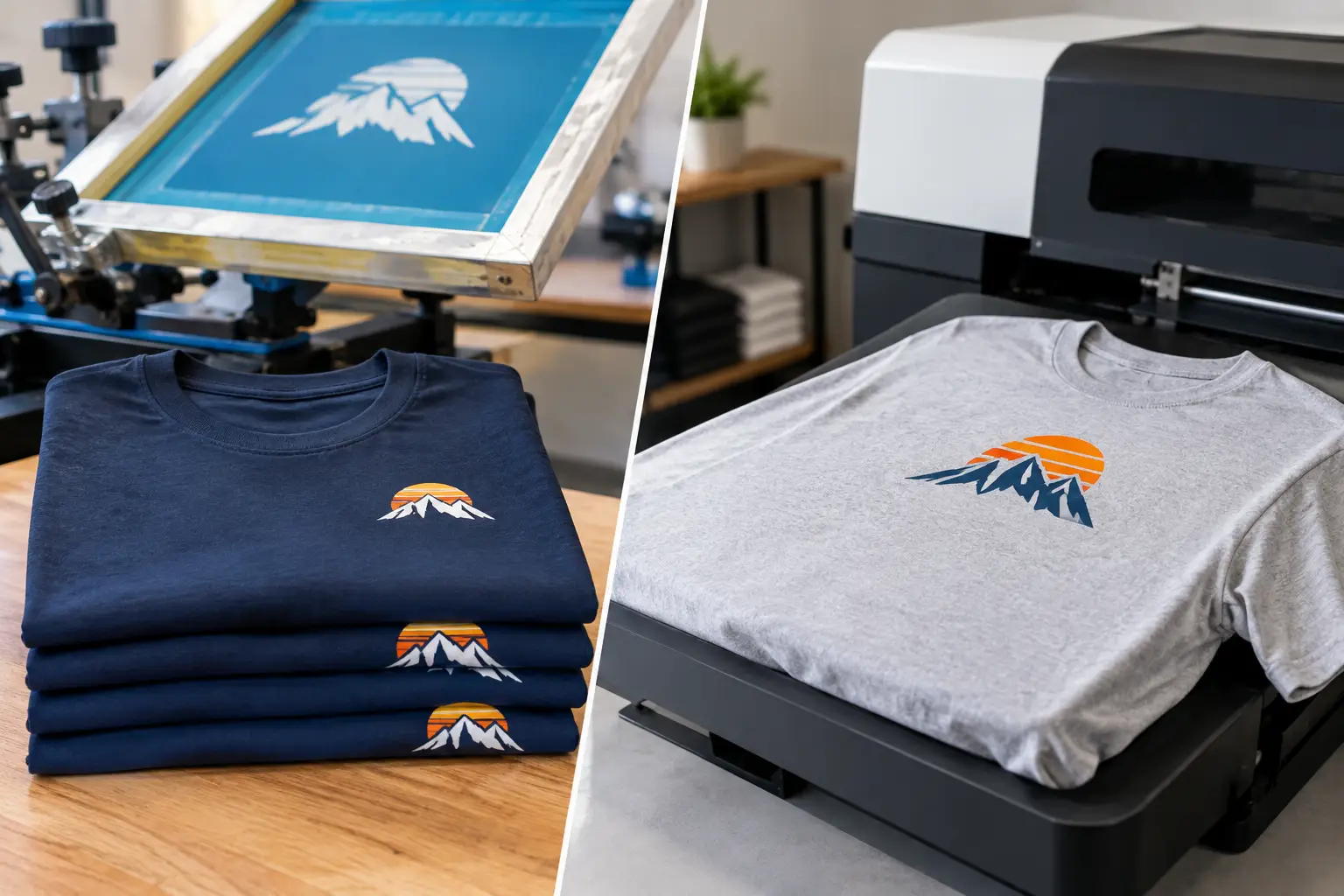
With standard corporate apparel, decoration is mostly about appearance. With safetywear, it is about appearance and function. Embroidery can provide a premium, durable finish, especially on outerwear, polos, and heavier garments. Screen printing can be a smart choice for tees and larger runs where visibility, cost control, and comfort matter.
The right method depends on the garment and use case. Dense embroidery on lightweight performance shirts can feel heavy or pull the fabric if not handled correctly. Large prints on certain garments may compete with reflective tape or create an unbalanced layout. Good decoration planning avoids those issues before production starts.
This is also where proofing and in-house production control make a difference. When art is reviewed carefully and decoration is executed by an experienced team, the finished product looks polished and consistent across categories. That consistency becomes even more important when your program includes multiple garment types ordered over time.
Keeping branding consistent across teams and locations
A custom branded safetywear program often grows quickly. One location starts with vests and tees, another adds outerwear, and soon several departments need different gear under the same company identity. Without controls, the visual system starts to drift.
The fix is straightforward. Keep a defined set of approved garments, approved logo files, and approved decoration placements. If regional managers or department buyers place orders, they should be working from the same standards. That does not remove flexibility. It simply keeps flexibility from becoming inconsistency.
For larger organizations, this can extend into a broader apparel system that includes uniforms, office wear, event apparel, and safety categories. When all of it is managed with the same production discipline, the brand shows up better everywhere employees represent the business.
What to look for in a production partner
A safetywear program is easier to manage when your supplier can do more than take orders. You want a partner that can help select products, review artwork, recommend decoration methods, and maintain consistency across repeat runs.
Speed matters, but control matters just as much. Fast turnaround only helps if the order arrives correct, consistent, and production-ready. Domestic decoration can be a real advantage here, especially for buyers who need dependable lead times and clear communication during proofing and reorder stages.
It also helps to work with a team that understands both branded apparel and jobsite realities. Safetywear is not fashion merchandise. The garments have to perform, employees have to wear them comfortably, and the finished result has to reflect well on your company. That combination is where an experienced provider stands apart.
LOGO USA supports this kind of program with in-house embroidery, screen printing, digital proofing, and USA-based production control, which gives business buyers a more dependable path from approval to delivery.
A better program saves time after the first order
The real value of a custom branded safetywear program shows up after launch. New hires can be outfitted faster. Reorders become easier. Departments stop reinventing decisions that were already made correctly once. Your crews look more consistent, and your brand holds its standard across jobsites, facilities, and seasons.
That does not mean every company needs a large or complicated rollout. For some, a focused five-item program is enough. For others, the right setup includes multiple brands, seasonal layers, and location-specific assortments. It depends on your workforce, the job conditions, and how many people are involved in purchasing.
The key is to build it with intention. When safetywear is selected for real working conditions and decorated with care, it does more than check a box. It supports compliance, strengthens your company image, and makes daily outfitting easier for everyone responsible for getting the order right.
Popular Blogs
What File Formats Does Embroidery Accept?
October 12, 2026