

Choosing Screen Printed Employee Uniforms
- June 20, 2026
- 2:24 am
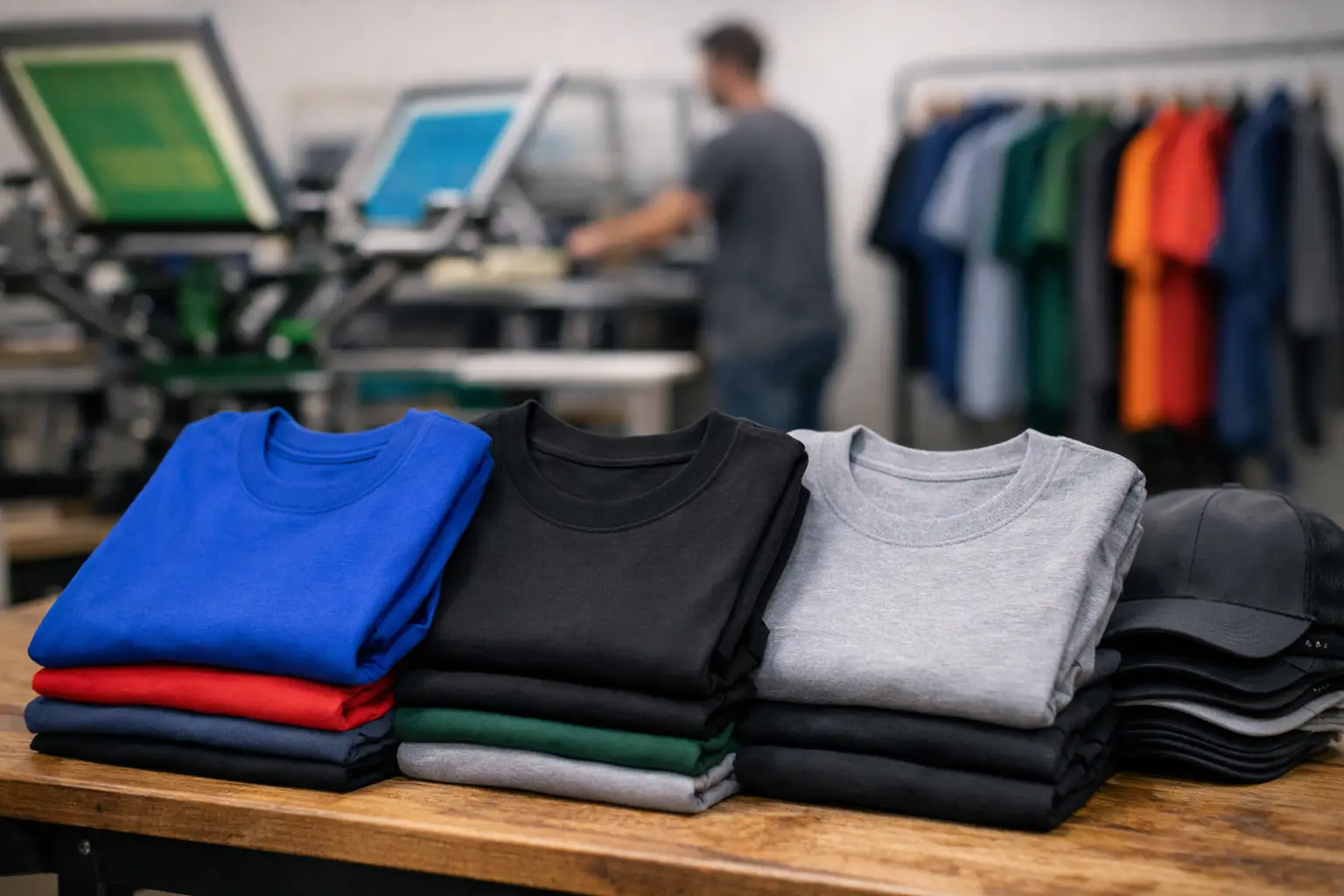
A uniform program usually gets judged in the first five seconds. A faded logo, cracked print, or shirt that fits half the staff poorly sends a message before anyone says a word. That is why screen printed employee uniforms are not just a purchasing decision. They are a brand presentation decision, and the details matter.
For many businesses, screen printing is the most practical way to outfit teams at scale. It delivers a clean, consistent logo across multiple garments, keeps costs manageable on larger orders, and creates a polished look that holds up in customer-facing environments. When the garments, artwork, and print method are matched correctly, the result feels professional from the warehouse floor to the front desk.
Why screen printed employee uniforms work so well
Screen printing remains one of the most reliable decoration methods for employee apparel because it balances durability, visual impact, and production efficiency. If your logo is bold, uses solid colors, or needs to appear consistently on a high volume of shirts, sweatshirts, or workwear, screen printing is often the right fit.
The biggest advantage is consistency. Once the artwork is prepared and the screens are set, every garment in the run is decorated to the same standard. That matters for companies with multiple departments, locations, or recurring reorders. A uniform program should not look slightly different every time you place an order.
It is also a strong choice when your team needs apparel that works hard. Many employee uniforms are worn repeatedly, washed often, and exposed to demanding environments. A properly produced screen print can maintain its appearance through regular wear, especially when the garment itself is chosen with the job in mind.
There is also a cost advantage, but with a caveat. Screen printing becomes more economical as quantities increase. For a larger staff rollout, trade show team, seasonal workforce, or ongoing company store program, that pricing efficiency can make a meaningful difference. For very small runs or highly individualized pieces, another method may make more sense.
What to consider before ordering screen printed employee uniforms
The best uniform orders usually start with the job role, not the logo. A front-of-house hospitality team has different needs than a construction crew, delivery staff, or warehouse associates. The print can be excellent, but if the garment is too heavy, too light, too stiff, or not durable enough, employees will stop wearing it.
Start with the work environment. In a climate-controlled office or retail setting, lightweight polos or tees may be ideal. In industrial settings, heavier shirts, workwear, or outerwear may be a better match. If visibility or safety compliance matters, garment color and category need to be part of the decision from the beginning.
Then look at logo placement. Left chest prints are common for a reason. They are clean, professional, and brand-forward without overwhelming the garment. Back prints can work well for service teams, field crews, and event staff who need stronger visibility from a distance. Sleeve prints or secondary marks can add polish, but they should support the uniform program, not complicate it.
Artwork matters more than many buyers expect. Fine lines, tiny text, gradients, and complex color transitions can affect how well a design translates to screen print. That does not mean detailed logos are impossible. It means they should be reviewed and adjusted properly before production so the final result looks intentional and readable.
Choosing the right garments for screen printed employee uniforms
Garment selection is where a lot of uniform programs either gain traction or create friction. Employees are much more likely to wear branded apparel consistently when it fits well, feels appropriate for the job, and represents the company professionally.
T-shirts are a common starting point because they are versatile and cost-effective. They work well for trades, events, fulfillment teams, restaurants, and casual service environments. Cotton and cotton-blend tees typically print well and give you a broad range of price points.
Polos raise the presentation level for customer-facing teams. They are especially effective in retail, office, hospitality, and field sales settings where the goal is a polished but approachable look. While embroidery is often associated with polos, screen printing can still be a smart option depending on the logo, garment style, and budget.
Sweatshirts, hoodies, and outerwear add another layer for teams working in changing weather or colder facilities. Here, print size and placement become more strategic. Larger prints often perform well on fleece and outerwear, but the garment texture and material should be matched to the artwork carefully.
Brand matters too. Recognized apparel names carry weight because they tend to offer better consistency in fit, fabric, and color. That becomes especially valuable when you need reorders months later and want new uniforms to match the original rollout.
When screen printing is the best choice and when it is not
A dependable uniform partner should tell you when screen printing is the right solution and when another decoration method may serve you better. That honesty saves time and protects your brand.
Screen printing is usually the best fit for larger quantities, simple to moderately complex logos, and garments where a bold, durable imprint makes sense. It performs especially well on tees, sweatshirts, and many casual uniform styles. If you want strong color, consistent output, and efficient production for team apparel, it is a proven method.
It may be less ideal for very small runs, highly detailed logos with fine gradients, or programs where each garment needs a different name or title. In those cases, embroidery, digital methods, or mixed decoration approaches may be worth considering.
There is also a brand image factor. Some organizations prefer the dimensional, stitched look of embroidery on polos, jackets, and executive apparel because it feels more elevated. Others want the clean, modern look of print for activewear, event apparel, or service uniforms. The answer depends on your logo, your garment choices, and the way your employees interact with customers.
How a smooth ordering process protects your timeline
Uniform purchasing often sits on a deadline. New hires are starting, an event is approaching, or multiple departments need apparel delivered at once. That is why the ordering process matters almost as much as the finished product.
A strong production partner will help you narrow down garments, confirm sizing, review artwork, provide proofs, and make sure expectations are clear before anything goes to press. That front-end control reduces mistakes, protects brand consistency, and prevents expensive surprises.
Proofing is especially important. Colors on a screen can look different from ink on fabric, and logo scale can change the feel of a uniform dramatically. A digital proof gives buyers a chance to catch issues before production begins. It is one of the simplest ways to keep a uniform order on track.
Domestic production can also make a real difference when timing and accountability matter. Faster communication, tighter production oversight, and more predictable turnaround times are valuable for businesses that cannot afford delays. That is one reason many buyers prefer a USA-based partner with in-house decoration instead of a fragmented process spread across multiple vendors.
For companies that reorder regularly, it helps to work with a supplier that can maintain art files, garment history, and decoration standards over time. Uniform programs are easier to manage when your next order does not start from scratch. LOGO USA has built long-term customer relationships around that kind of consistency, which is exactly what business buyers need when apparel is part of daily operations.
Making your screen printed employee uniforms look more professional
Professional uniforms do not need to be complicated. In most cases, they get stronger when the choices are simpler and more disciplined.
Keep the color palette tight. One or two garment colors with a consistent logo application usually looks more organized than too many variations across departments. Choose apparel that reflects your brand standards, but also think about stain resistance, visibility, and wearability.
Be realistic about who will wear the garments. Offering a practical size range and selecting styles that work across different body types will improve adoption. A uniform only does its job when employees are comfortable wearing it throughout the day.
Finally, think beyond the first order. If your company is growing, opening locations, or hiring seasonally, choose a uniform setup you can repeat. The best programs are easy to scale and easy to reorder without sacrificing quality.
A strong uniform program should make your team look prepared, aligned, and easy to recognize. When screen printing is handled with the right garments, the right artwork, and the right production support, it does exactly that – and it keeps working long after the first day the shirts come out of the box.
Popular Blogs
Should You Choose In House or Outsourced Embroidery?
October 4, 2026