A Practical Guide to Custom Employee Uniforms
- June 18, 2026
- 2:00 am

A stained polo at the front desk, mismatched outerwear on the jobsite, and a faded logo at a customer visit all send the same message – your brand standards are slipping. A strong guide to custom employee uniforms starts there, because uniforms are not just apparel. They shape first impressions, support day-to-day performance, and make your team look like one company instead of a collection of individuals.
For business buyers, the challenge is usually not whether uniforms matter. It is how to choose the right program without wasting budget, delaying rollout, or ending up with apparel employees do not want to wear. The best uniform decisions balance appearance, durability, comfort, and repeatability so reorders stay simple and the brand stays consistent.
Why a guide to custom employee uniforms matters
Custom uniforms do more than put a logo on a shirt. They create visual consistency across locations, departments, and customer touchpoints. For customer-facing teams, that consistency can improve trust right away. For internal teams, it can reinforce accountability and help employees feel part of a shared standard.
There is also an operational benefit. When you set uniform standards clearly, onboarding gets easier, reordering gets faster, and managers spend less time making one-off decisions. That matters for companies growing across multiple teams or sites, where inconsistent apparel quickly turns into a brand control problem.
Still, not every uniform program should look the same. A front office, warehouse team, field service crew, and trade show staff may all represent the same brand, but they do different work in different environments. The right program is built around role, wear conditions, and how polished the finished look needs to be.
Start with the job, not the garment
One of the most common mistakes in a custom employee uniform rollout is choosing products based only on appearance. A sleek polo might look right in a catalog, but if employees work outdoors, move constantly, or wash garments heavily, fabric performance matters just as much as style.
Start by defining where the uniform will be worn and what employees need from it. Office and reception teams often need polished polos, button-downs, quarter-zips, or lightweight layers that hold their shape throughout the day. Field teams may need work shirts, durable outerwear, moisture-wicking fabrics, or high-visibility options. Restaurant and hospitality staff may prioritize stain resistance, comfort, and easy laundering.
This is where trusted apparel brands can make a real difference. Better construction, dependable sizing, and proven fabric performance help reduce complaints and make reorders more predictable. Lower-priced garments can work for short-term events or high-turnover environments, but if you need long-lasting uniforms, the cheapest option is often the one you replace first.
Choosing the right decoration method
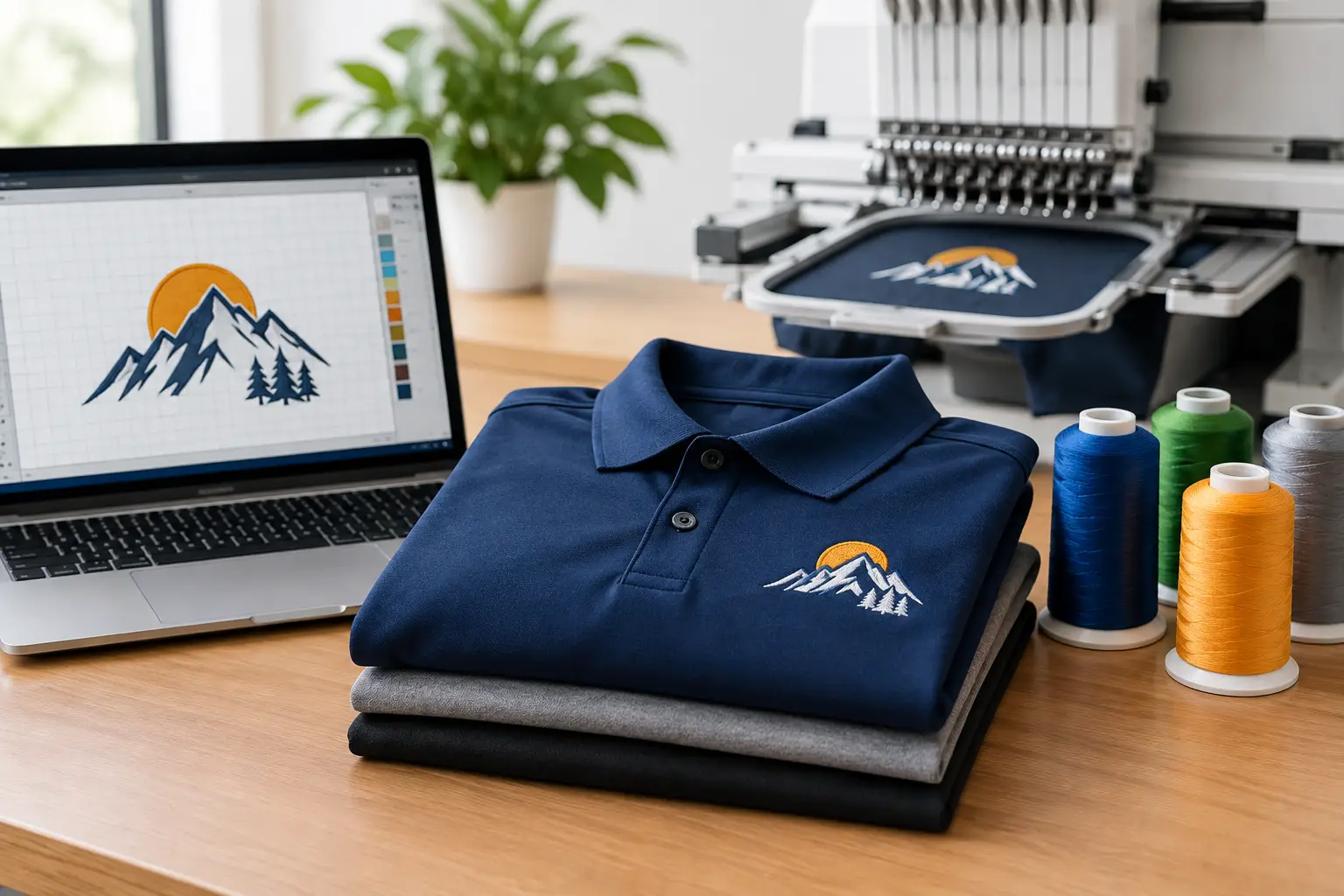
A solid guide to custom employee uniforms should address decoration early, because the logo application affects appearance, durability, and garment choice. Embroidery is the standard for many corporate uniforms because it delivers a professional, dimensional finish and holds up well over time. It works especially well on polos, jackets, hats, and workwear where a polished branded look matters.
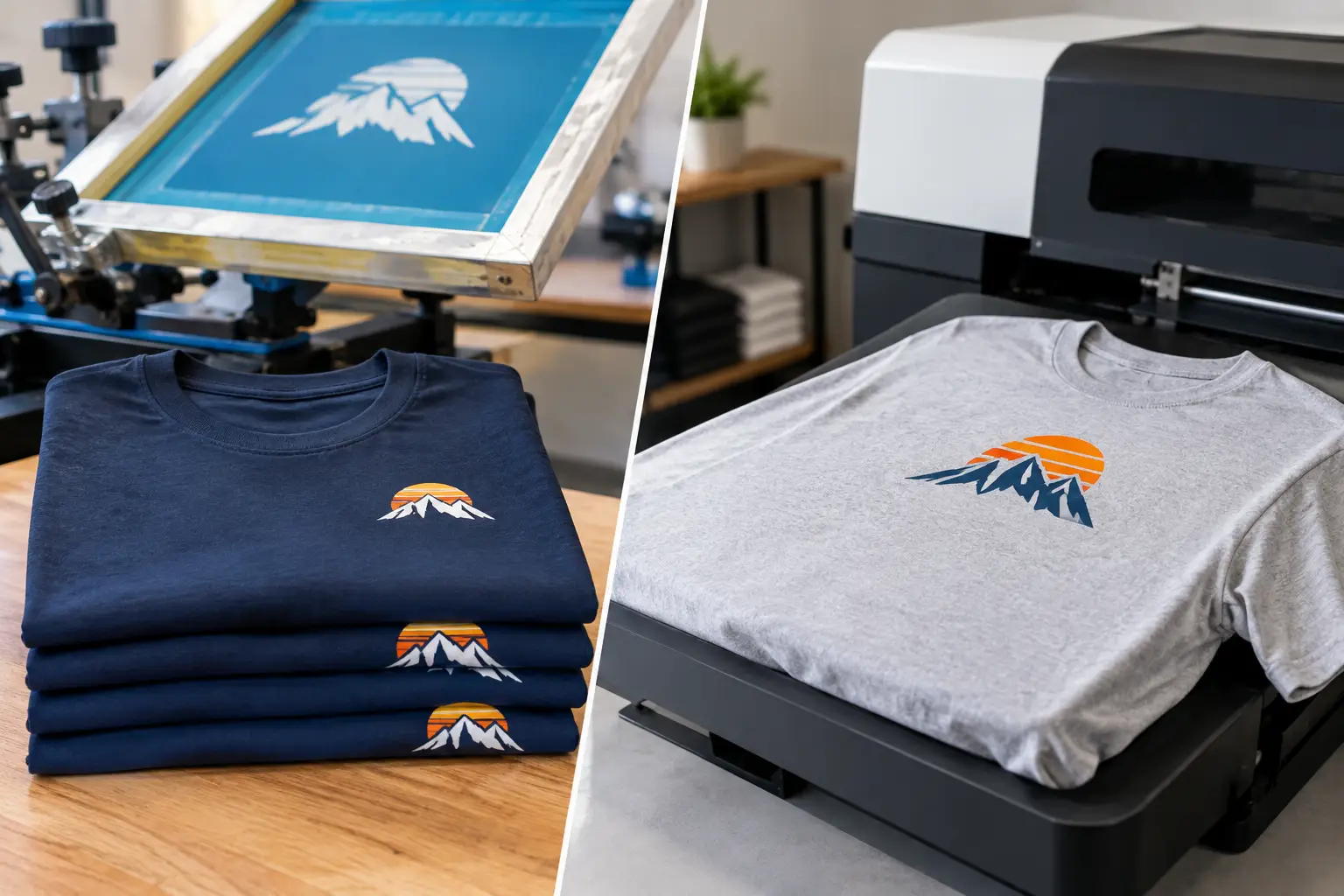
Screen printing is often the better fit for t-shirts, larger graphics, and programs where cost efficiency matters across higher quantities. It can create a bold visual impact, but it is not always the best option for every garment type or every workplace setting. A screen-printed tee may be ideal for an event staff uniform, while an embroidered polo is usually the stronger choice for account managers or service technicians entering customer locations.
Placement matters too. The left chest remains the most versatile option for business uniforms because it looks clean, professional, and consistent across categories. Larger back prints can be useful in construction, delivery, or promotional environments, but they should support the role rather than overpower the brand.
Build a uniform program people will actually wear
The best-looking uniform on paper can still fail if employees find it uncomfortable, restrictive, or poorly sized. Wearability is not a small detail. It directly affects compliance and how your team represents the brand in real life.
That means thinking beyond one core item. A stronger program often includes a few approved pieces that work together: perhaps a polo for everyday wear, an outer layer for cooler weather, and a cap or work shirt depending on the role. This gives employees practical options while keeping the overall look controlled.
Fit range is just as important. If sizing is limited or cuts are not suited to different body types, adoption gets harder fast. Offering inclusive sizing and considering both men’s and women’s styles where appropriate can improve comfort and presentation at the same time.
There is also a seasonal factor. Companies with outdoor crews or variable climates may need lightweight and insulated options under the same brand standard. A year-round uniform plan usually performs better than a single-item purchase made without considering weather or workload.
Keep brand consistency tight
Uniforms only work as a branding tool when they are consistent. That does not mean every employee must wear the exact same garment, but the logo treatment, approved colors, and overall presentation should stay controlled.
This is where digital proofing and in-house production oversight become valuable. Before production begins, reviewing logo size, thread or ink colors, and placement helps prevent expensive mistakes. Once approved, those standards should stay documented so future orders match previous ones.
Color choice deserves more thought than many buyers expect. Black, navy, gray, and white remain popular because they are versatile and professional, but the right base color depends on your logo, industry, and work environment. A dark garment may hide wear better in the field, while lighter tones can feel more elevated in hospitality or office settings. The goal is to support the brand without creating maintenance issues for employees.
Ordering for today is easy. Ordering again is the real test.
A uniform purchase is rarely a one-time project. New hires need apparel. Managers need replacements. Teams expand. Locations open. That is why the best uniform programs are built for repeatability from the beginning.
If your process requires starting over each time, it will eventually break down. Standardized item selections, approved decoration files, and a reliable production partner simplify the reorder cycle and reduce errors. This is especially important for companies with multiple departments or decentralized ordering.
For some organizations, a basic approved-item list is enough. For others, especially larger teams or enterprise programs, a company apparel store can create better control by limiting choices to preapproved products and branding standards. The right setup depends on your volume, team structure, and how much flexibility individual managers need.
Turnaround time matters here too. Fast production is valuable, but only if it comes with dependable quality control. A delayed rollout can create onboarding issues, but a rushed order with poor decoration can damage brand credibility just as quickly. The better approach is speed with accountability.
Budgeting without cutting the wrong corners
Every buyer has a budget, and uniform planning always involves trade-offs. The goal is not simply to spend less. It is to spend where it matters most.
If your team interacts directly with customers, visible items like polos, outerwear, and caps often deserve higher-quality decoration and better garment construction. If the apparel is for short-term events, promotional staffing, or one-time campaigns, a more economical product may make sense. There is no universal right answer.
It also helps to think in terms of total program cost rather than item price alone. A cheaper shirt that shrinks, fades, or loses shape quickly can create replacement costs and employee dissatisfaction. A better garment may cost more upfront but perform longer and maintain a cleaner brand presentation.
When buyers evaluate options this way, the decision usually becomes clearer. You are not just purchasing apparel. You are investing in consistency, team presentation, and a process that can scale.
What to look for in a uniform partner
A good supplier can decorate apparel. A strong partner helps you build a program that works after the first order ships. That includes product guidance, artwork support, proofing, production accuracy, and the ability to maintain standards across repeat orders.
USA-based production can be a real advantage when quality control and turnaround matter. It often means better oversight, faster communication, and more confidence in the finished result. For businesses managing deadlines, onboarding cycles, or multi-location needs, that control can make the difference between a smooth rollout and a frustrating one.
This is where experience matters. Since 1997, LOGO USA has supported businesses that need premium branded apparel with dependable in-house decoration, practical ordering support, and consistent execution. For buyers responsible for outfitting teams professionally, that kind of production discipline is not a bonus. It is part of what makes a uniform program successful.
The strongest custom uniform programs are the ones that feel easy after the hard decisions are made. Choose garments built for the job, decoration that fits the brand, and a process that can hold up over time. When those pieces are in place, your uniforms stop being another purchasing task and start doing what they should have done all along – representing your business with confidence.
Popular Blogs
What File Formats Does Embroidery Accept?
October 12, 2026