12 Corporate Apparel Branding Ideas That Work
- June 16, 2026
- 2:24 am
A logo on a polo is easy. Building a branded apparel program people actually wear is where the real work starts. The best corporate apparel branding ideas do more than add a mark to fabric – they help your team look consistent, feel confident, and represent your company well in the field, at events, and in the office.
For business buyers, that usually means balancing three things at once: brand standards, employee comfort, and ordering simplicity. A sharp-looking jacket does not help much if the sizing is inconsistent. A budget tee may work for a one-day event, but it will not carry the same value for client-facing staff or long-term uniform use. Good branding decisions come from matching the garment, decoration method, and use case from the start.
Start with the job the apparel needs to do
Before choosing colors, placements, or garment styles, define the role of the apparel. Is it meant for everyday uniforms, a recruiting event, a trade show, an internal company store, or a safety-driven work environment? The answer changes everything.
A front-desk team needs polished, low-maintenance apparel that holds up to frequent wear and washing. A construction crew may need high-visibility workwear with durable decoration that stands up to jobsite conditions. A sales team attending conferences may need elevated branded layers from retail-recognized brands that look more premium than promotional. When the purpose is clear, branding choices become more efficient and the final result feels intentional.
Corporate apparel branding ideas for a stronger program
1. Use logo placement strategically
Left chest embroidery is popular for a reason. It is clean, professional, and versatile across polos, jackets, button-downs, and outerwear. But it should not be the automatic choice for every garment.
For some pieces, a sleeve logo, back yoke mark, or subtle hem placement can feel more modern and wearable. On performance apparel, a small tonal logo often looks sharper than a large, high-contrast treatment. On event shirts, a full front or full back print may deliver better visibility. Placement should match the garment style and the setting where it will be worn.
2. Build around two or three core garment categories
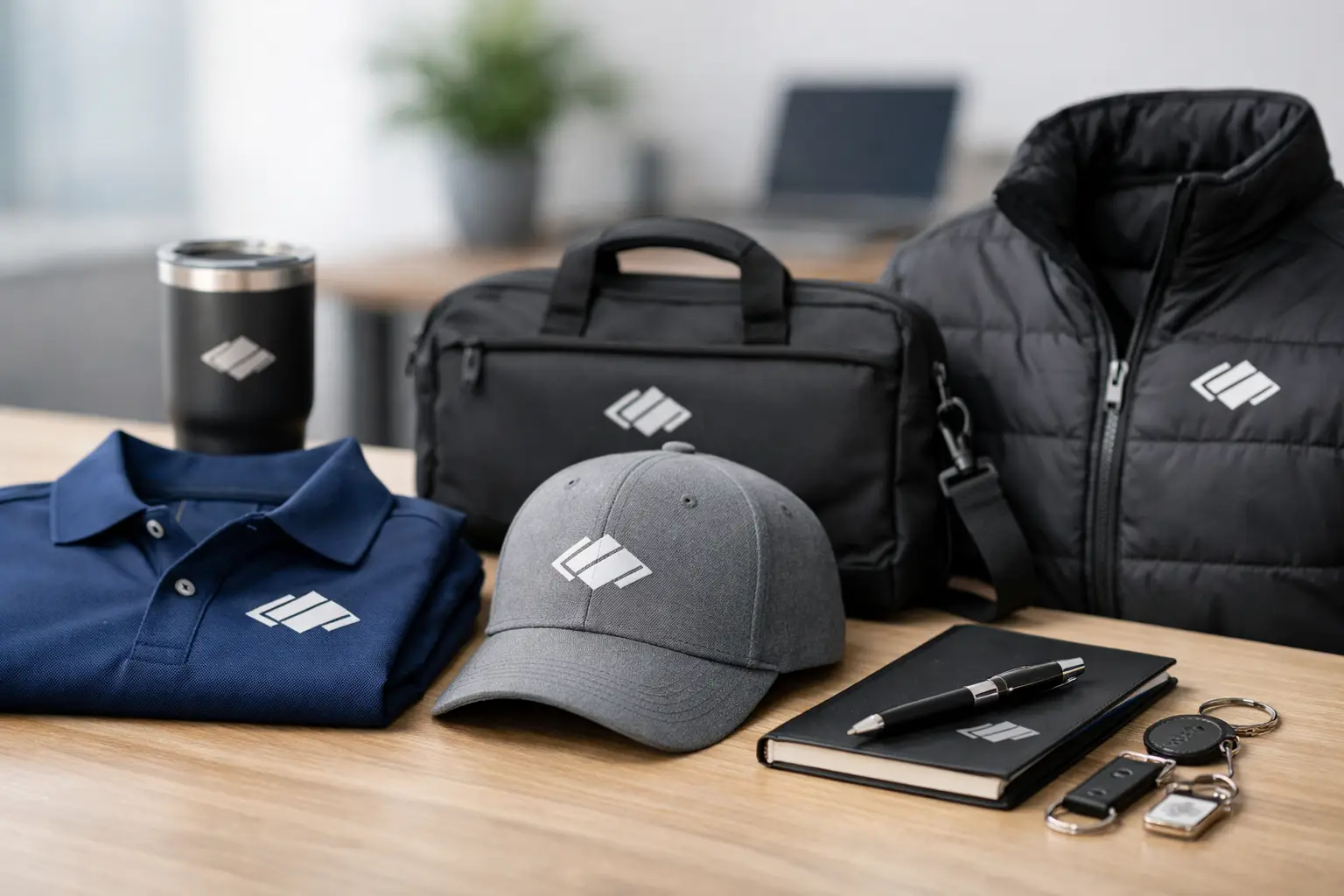
One of the most practical corporate apparel branding ideas is also one of the most overlooked: simplify the assortment. Instead of offering too many styles, build a core program around a few dependable categories such as polos, outerwear, and caps.
That gives employees enough choice without creating a patchwork look across departments. It also makes reordering easier, helps maintain decoration consistency, and reduces the risk of brand drift over time. For larger organizations, this approach creates a cleaner approval process and better inventory planning.
3. Match decoration method to garment use
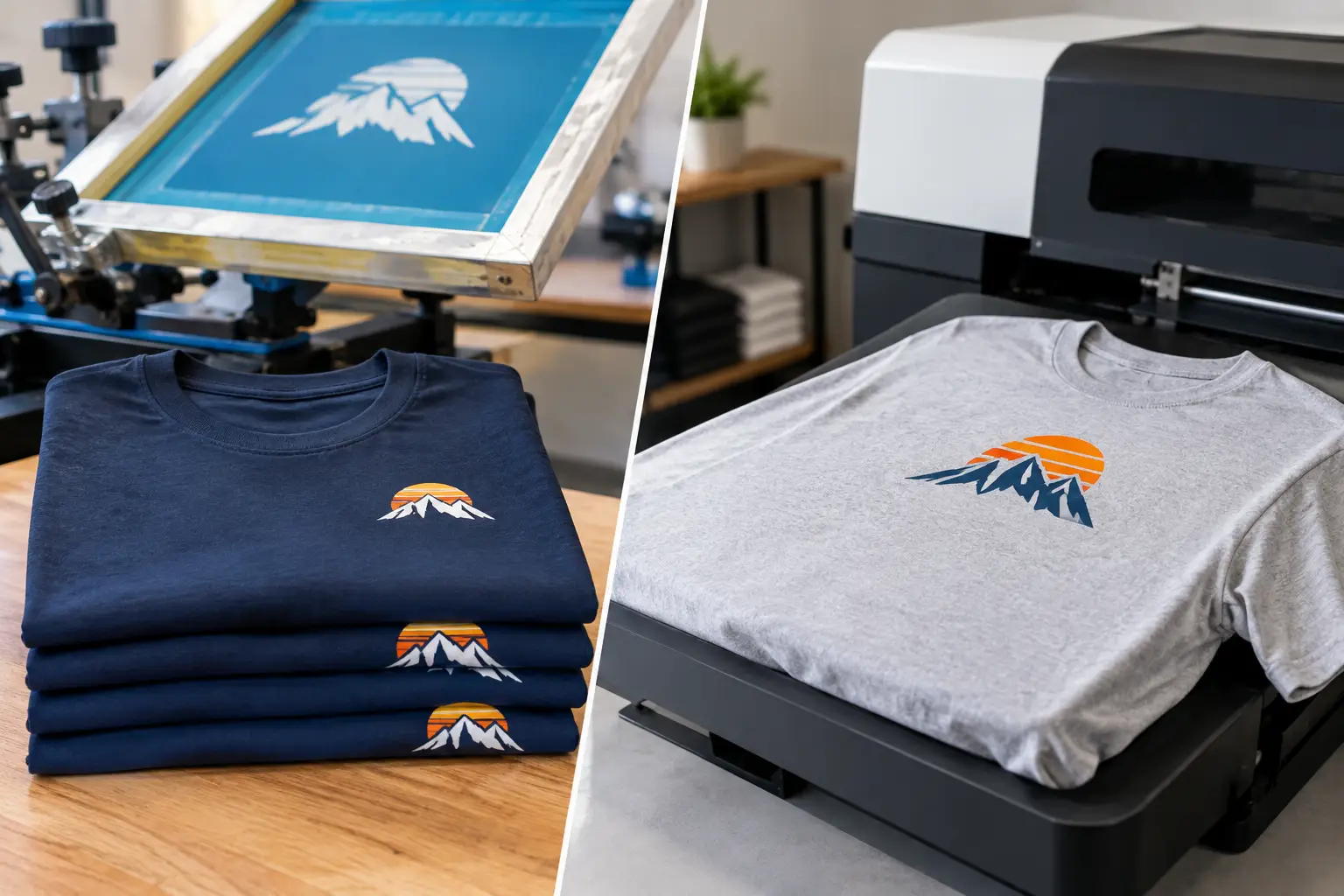
Embroidery and screen printing both have clear strengths, but the right choice depends on the application. Embroidery delivers a polished, durable finish that works especially well on polos, jackets, hats, work shirts, and uniforms. It reinforces a premium brand image and tends to hold up well over repeated wear.
Screen printing is often the better fit for t-shirts, event apparel, team gear, and graphics with larger artwork. It can be more cost-effective for volume orders and allows for bolder visual impact. If your apparel mix includes both professional uniforms and promotional items, using both methods within the same program can make sense.
4. Create branded tiers for different audiences
Not every team needs the same apparel. Executives, warehouse staff, event ambassadors, technicians, and new hires all interact with your brand differently. A strong program reflects that reality instead of forcing one style across every role.
For example, customer-facing employees may wear embroidered polos or button-downs, while field teams use durable workwear and outerwear designed for tougher environments. Event staff may get lightweight printed tees, while leadership or sales teams receive premium quarter-zips or jackets. The brand stays consistent, but the apparel works for the actual job.
How to make corporate apparel branding ideas feel more premium
5. Use tone-on-tone decoration where appropriate
Not every logo needs to stand out loudly. Tone-on-tone embroidery, matte prints, and low-contrast branding can create a more elevated look, especially on outerwear, premium polos, and lifestyle pieces.
This approach works well for companies that want apparel employees will wear beyond the office. It also helps with executive gifting, onboarding kits, and company store programs where style matters as much as visibility. The trade-off is that subtle branding may not be ideal when instant recognition is the main goal, such as at crowded trade shows or public events.
6. Expand beyond shirts with coordinated layers
If your brand lives only on a basic polo, the program can feel limited. Adding branded outerwear, fleece, quarter-zips, and caps creates a more complete presentation and gives employees options for changing weather, travel, and field work.
Layering also improves year-round wear. A company that offers both warm-weather polos and cold-weather jackets tends to get more consistent use from its apparel investment. That matters for brand exposure, but it also matters for team satisfaction. People are more likely to wear gear that fits real conditions.
7. Choose apparel brands that reflect your own brand position
The garment itself sends a message before anyone notices the logo. Value-priced basics can be a smart fit for mass distribution, volunteer events, and short-run campaigns. Premium brands often make more sense when the goal is retention, professional appearance, or a stronger impression with clients.
There is no single right answer here. It depends on your audience, budget, and wear expectations. What matters is alignment. If your company positions itself as high quality and detail-driven, the apparel should support that image rather than work against it.
8. Use color with discipline
A consistent apparel color strategy keeps your brand looking organized. That does not mean every item must be the same color, but the palette should be controlled. Neutrals such as black, navy, gray, and white are easier to deploy across departments and seasons, and they generally wear better over time.
Accent colors can still play a role, especially for event shirts, campaign launches, or team-specific apparel. The key is to decide where those colors belong. Without that discipline, a program can quickly look fragmented.
Operational ideas that make branded apparel easier to manage
9. Standardize logo files and stitch counts early
A lot of apparel inconsistency starts with artwork. Different file versions, shifting logo sizes, and decoration adjustments from order to order can create visible variation. Standardizing approved logo files, thread colors, and decoration specifications early prevents those issues.
For embroidery, digitizing quality matters. A logo that looks fine on screen may need refinement to stitch cleanly on pique polos, caps, or outerwear. For screen printing, line weight and ink choices affect legibility and durability. Tight production control makes the difference between acceptable and polished.
10. Build reordering around proven winners
A smart branded apparel program usually has a short list of reliable styles that have already performed well. Once a polo, jacket, or cap proves itself in fit, durability, and appearance, it should become part of the repeat-order foundation.
That reduces approval delays and helps avoid the common problem of chasing new products that do not match previous orders. It also simplifies life for HR teams, office managers, and procurement staff who need dependable results without restarting the process every time.
11. Think in programs, not one-off orders
Some of the best corporate apparel branding ideas are not about artwork at all. They are about process. If your company places recurring orders for new hires, seasonal campaigns, branch teams, or event staff, it makes sense to treat branded apparel as an ongoing program rather than a series of disconnected purchases.
That can mean setting approved garments by department, establishing decoration rules, and creating a repeatable ordering workflow. For organizations with multiple locations or frequent staff changes, this approach saves time and protects brand consistency. It also gives you better visibility into what is actually being worn and reordered.
12. Make wearability part of the brand standard
If employees do not like how the apparel feels, fits, or launders, it will stay in a drawer. Wearability should be part of the approval process, not an afterthought. Fabric weight, stretch, breathability, and cut all affect whether branded apparel becomes part of someone’s routine.
This is especially important for mixed teams. A garment that works well for a trade show team may not work for warehouse staff or technicians on the move all day. Offering a few approved options within the same brand standard often leads to stronger adoption than forcing one universal piece.
What separates a good idea from a good result
Execution is where branded apparel programs succeed or stall. A thoughtful concept still depends on accurate artwork, dependable decoration, consistent production, and a supplier that can keep quality under control from proof to finished goods. That is especially true when your program includes multiple garment types, recurring reorders, or recognized retail brands that need a clean, professional finish.
Experienced buyers know that speed matters too, but not at the expense of consistency. Fast turnaround is valuable when it is backed by solid proofing, clear communication, and production accountability. That combination is what turns apparel from a purchase into a branding tool that actually supports the business.
At LOGO USA, we have seen the strongest programs come from simple decisions made well: choose the right garments, decorate them with care, and keep the standard consistent over time. If your next order is meant to do more than check a box, start with apparel your team will be proud to wear.
Popular Blogs
What File Formats Does Embroidery Accept?
October 12, 2026