Custom Apparel Turnaround Time Explained
- June 8, 2026
- 1:57 am
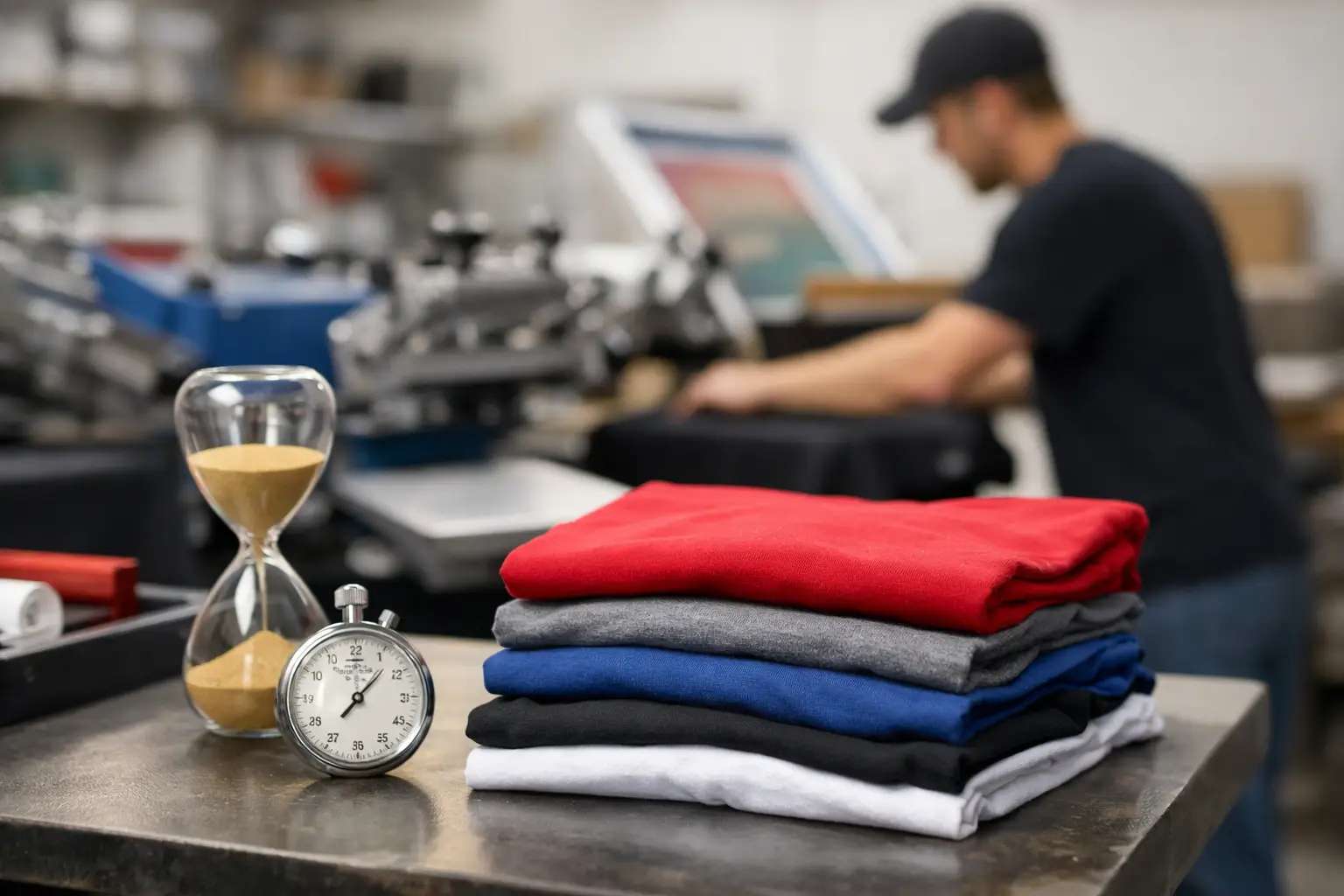
When you need branded polos for a sales meeting, uniforms for a new crew, or event shirts for a tight launch date, custom apparel turnaround time stops being a minor detail. It becomes the difference between looking prepared and scrambling at the last minute. For business buyers, speed matters, but so does getting the logo placement, stitching, print quality, and sizing right the first time.
The good news is that turnaround time is usually predictable when the process is managed well. The less helpful truth is that not every order moves at the same pace. Artwork quality, decoration method, product availability, proof approval, and order size all affect how quickly custom apparel can move from quote to delivery.
What custom apparel turnaround time really includes
A lot of buyers hear a production estimate and assume it covers everything from the day they place the order to the day boxes arrive. In practice, custom apparel turnaround time can include several separate stages, and each one matters.
First comes product selection and artwork review. If you already know the style, color, quantities, and logo placement, this part can move quickly. If you are still comparing brands or deciding between embroidery and screen printing, the timeline naturally stretches.
Next comes proofing and approval. This step is where many schedules are won or lost. Until artwork is approved, production usually does not begin. A same-day approval can keep an order on track. A few days of back-and-forth on thread colors, sizing, or logo placement can shift the delivery window just as quickly.
After approval, the order enters production. This is the part many suppliers refer to when they advertise lead times. In-house decoration often gives buyers more consistency here because the production team has direct control over scheduling, quality checks, and output.
Finally, there is shipping. Even a fast production schedule can be offset by transit time, weather delays, or split shipments caused by inventory constraints. That is why experienced buyers work backward from the in-hand date, not just the production date.
Average custom apparel turnaround time by order type
There is no single answer that fits every project, but some patterns are consistent across the industry. Standard business apparel orders with ready-to-go artwork and in-stock garments often move faster than highly customized programs or large event runs.
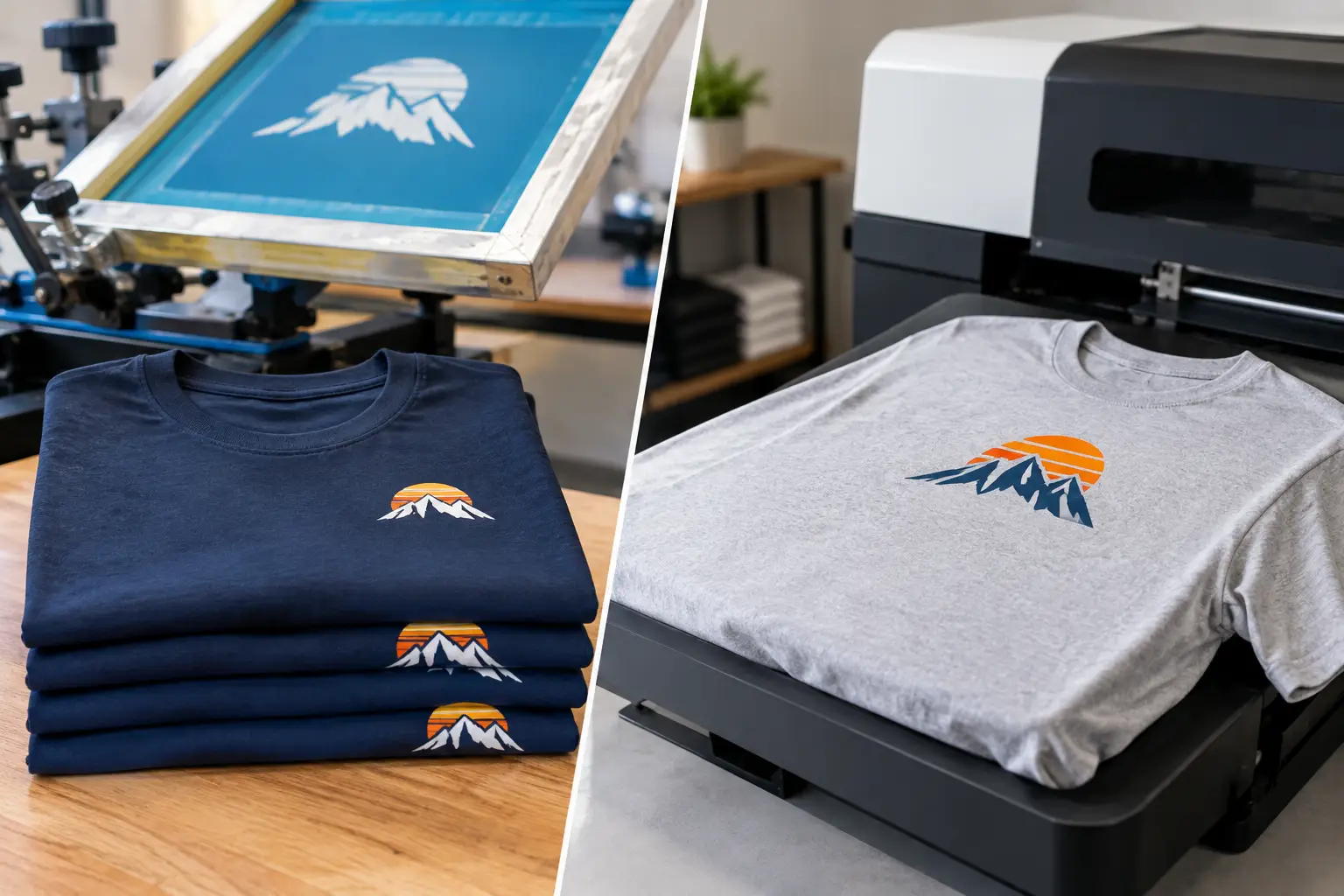
Embroidery orders are commonly straightforward when the logo is already digitized and the garments are available. Screen printing can also move quickly, but setup, color count, and run size can influence timing. Simple one- or two-color prints are usually easier to schedule than oversized, specialty, or multi-location prints.
If you are ordering basic company polos, caps, or sweatshirts with approved artwork, a dependable supplier can often produce within a defined window after art approval. For example, a 7-10 business day production window is realistic for many standard decorated apparel orders when inventory and art are in good shape.
Larger orders, multiple garment styles, or programs that involve several logo placements usually need more time. The same goes for projects that include premium retail brands, because availability can vary by size and color.
What slows down custom apparel turnaround time
Most delays do not happen on the production floor. They happen before production starts.
The most common issue is incomplete order information. Missing sizes, undecided garment colors, unclear logo placement instructions, or changing quantities can stall the process. Every revision adds another checkpoint, and every checkpoint adds time.
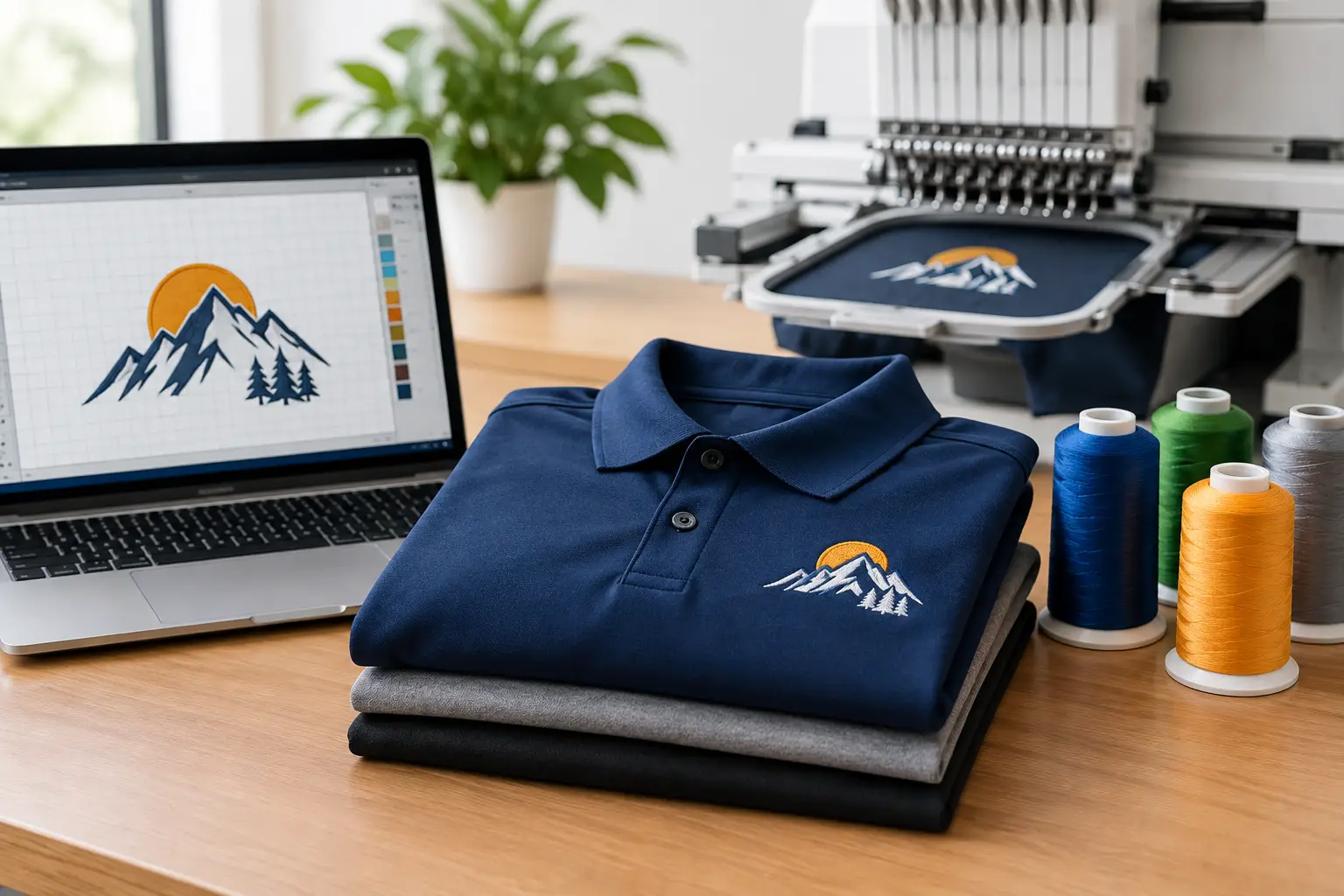
Artwork is another major factor. Clean vector art generally moves faster for screen printing, while embroidery requires digitizing that converts your logo into stitch-ready format. If the logo file is low resolution or needs cleanup, the clock stretches before production can begin.
Inventory is the other big variable. A buyer may approve an order immediately, but if the selected jacket or polo is backordered in key sizes, the timeline changes. This is especially relevant for seasonal items, popular corporate colors, and brand-name apparel with limited stock.
Complexity matters too. Left chest embroidery on polos is efficient. A project with sleeve embroidery, names added to each piece, and multiple garment types takes more coordination. That does not make it a bad order. It just means the schedule should reflect the work involved.
How to get faster turnaround without sacrificing quality
The fastest order is usually the one that is fully prepared before it is submitted. Buyers who know their quantities, decoration method, garment choice, and delivery deadline tend to get the smoothest results.
Start with a clear in-hand date and share it upfront. That allows the apparel partner to confirm what is realistic before the order is too far along. It is much easier to recommend an in-stock alternative early than to fix a timing issue after proof approval.
Keep artwork organized. Send the best logo file available and note any brand standards around thread colors, print colors, spacing, or approved placements. If multiple stakeholders need to approve the proof, align them early so that feedback comes back in one round instead of three.
It also helps to be flexible where it counts. If one specific quarter-zip is backordered, a comparable style from another trusted brand may save the timeline. If the event date cannot move, product flexibility can protect the schedule.
Rush service is sometimes possible, but it depends on the order. A rush timeline works best when the artwork is approved, the garments are in stock, and the decoration is relatively simple. If any of those pieces are missing, paying for speed does not always solve the real bottleneck.
Why in-house production makes a difference
For business buyers, one of the smartest questions is not just how fast an order can be produced, but who controls the process. That matters because custom apparel turnaround time is more dependable when fewer handoffs are involved.
With in-house embroidery, digitizing, proofing support, and production oversight, there is usually better visibility from start to finish. Questions can be answered faster. Adjustments can be reviewed by the same team. Quality checks are easier to maintain because decoration is not bouncing between multiple third parties.
That control becomes especially valuable on repeat orders and ongoing apparel programs. Once your logo setup, placements, and preferred products are established, reorders tend to move more efficiently. Consistency improves, and planning gets easier for uniforms, new-hire kits, trade show apparel, and seasonal promotions.
This is where an experienced partner earns trust. Since 1997, LOGO USA has built its process around premium craftsmanship, USA-based decoration, and dependable production timelines that support real business deadlines, not vague promises.
Setting realistic expectations for business orders
A realistic timeline is not a slow timeline. It is a schedule built around actual production steps, available inventory, and quality standards that protect your brand.
If you need apparel for an event, give yourself more room than you think you need. Not because every order runs late, but because business orders often involve approvals from marketing, operations, HR, or leadership. Internal delays are common, and they are rarely factored in at the start.
It also helps to separate must-haves from nice-to-haves. If your true priority is getting branded polos in hand for onboarding by the first of the month, that objective should guide product and decoration choices. If a specialty style risks the date, a strong standard option may be the better business decision.
Good apparel partners will be honest about these trade-offs. Sometimes the fastest option is not the most premium garment. Sometimes the premium brand is still the right call because the program is long term and appearance matters more than shaving off two days. The right answer depends on the role the apparel plays and how fixed your deadline really is.
When you approach custom apparel with a clear deadline, complete order details, and a supplier that manages production with precision, turnaround time becomes much less stressful. You are not guessing. You are planning. And that is usually what keeps branded apparel programs on time, on brand, and ready when your team needs them.
Popular Blogs
What File Formats Does Embroidery Accept?
October 12, 2026