How to Choose Corporate Uniforms Right
- June 4, 2026
- 3:15 am

A uniform program usually looks simple on paper until real-world details show up. The polo that looked sharp in a mockup feels too warm on a warehouse floor. The jacket that works for field staff feels too casual at the front desk. If you’re figuring out how to choose corporate uniforms, the best decisions start with how your team actually works, not just how the apparel looks in a catalog.
Good uniforms do more than put a logo on a shirt. They shape first impressions, support day-to-day performance, and make your brand look consistent across locations, departments, and events. When the apparel is chosen well, employees feel comfortable wearing it, managers spend less time fixing ordering issues, and your company presents itself with more confidence.
How to choose corporate uniforms for the real workday
The first question is not color or decoration method. It is function. A customer-facing office team, a restaurant crew, a construction staff, and a field service department do not need the same uniform strategy, even if they work for the same company.
Start by mapping uniforms to job roles. A front-office employee may need a polished polo or woven shirt that holds its shape through long shifts and frequent washing. A technician may need durable workwear with room to move, outerwear for changing weather, and fabrics that can handle abrasion. Event staff may need lightweight pieces that are easy to distribute in volume and easy to reorder later.
This is where many buyers overcorrect. They try to force one garment across every role for the sake of simplicity. That can work for some organizations, but often it creates friction. A better approach is usually a coordinated uniform program with a shared brand look across a few garment types. The brand stays consistent, while the clothing stays practical.
Match the uniform to the environment
Think about temperature, movement, safety requirements, and laundering conditions. Employees working indoors in climate-controlled spaces can often wear finer fabrics and more structured styles. Teams working outdoors or in active roles need breathable materials, layering options, and tougher construction.
If your staff bends, lifts, drives, stands for long periods, or moves between indoor and outdoor settings, comfort becomes a performance issue. Uniforms that restrict motion or trap heat usually end up unworn, no matter how professional they look.
Build the look around your brand, not just your logo
Brand consistency matters, but consistency is not the same as repeating one exact shirt in one exact color forever. The stronger strategy is to define a visual standard. That might mean approved colors, logo placement, decoration size, and a mix of garments that all feel like part of the same program.
Color choice deserves more attention than it usually gets. Dark colors can look sharp and hide wear, but they may run hot in outdoor settings. Light colors feel cleaner and cooler in some environments, but they may show stains faster. Heathered fabrics can soften a casual look, while solid colors usually read as more formal.
Logo placement also changes the feel of a uniform. Left-chest embroidery remains the most common choice for a reason – it looks professional, holds up well, and fits a wide range of garments. Larger prints can make sense for event apparel, safetywear, or roles where brand visibility matters from a distance. The right decision depends on whether your priority is polished presentation, high visibility, or a mix of both.
Embroidery or screen printing?
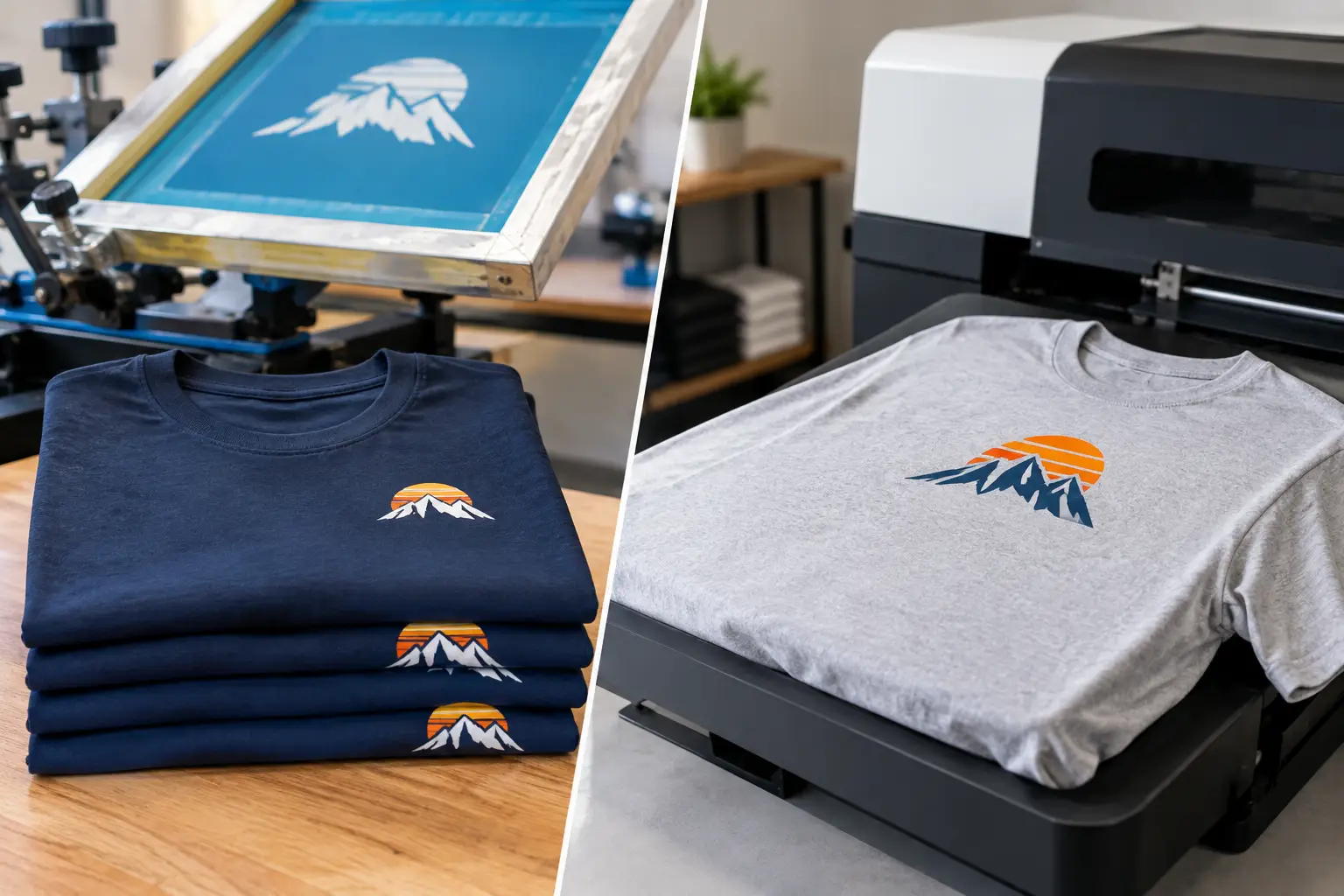
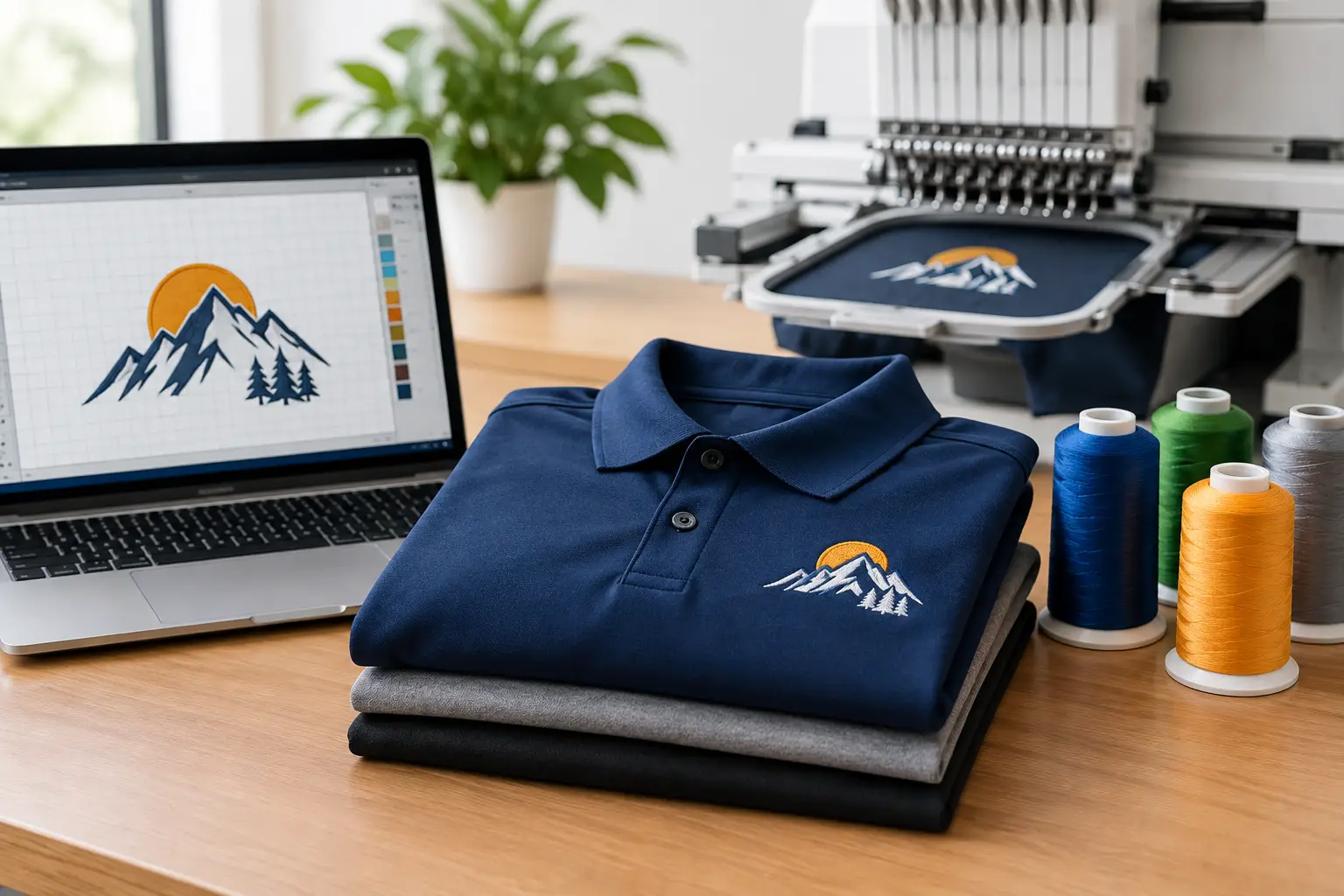
For many corporate uniforms, embroidery is the better fit because it adds texture, durability, and a premium finish. It works especially well on polos, button-downs, outerwear, caps, and workwear. Screen printing often makes more sense for larger logo areas, high-volume t-shirts, or casual branded apparel programs where cost and bold graphic impact matter most.
There is a trade-off. Embroidery generally delivers a more elevated look, but some logos need adjustment to stitch cleanly at smaller sizes. Screen printing can capture graphic detail and larger artwork more economically, but it may not create the same executive or uniform-grade appearance on every garment. A dependable production partner helps you sort through those details before anything goes into production.
Fabric matters more than most buyers expect
When companies ask how to choose corporate uniforms, fabric is often where the best long-term savings are found. The cheapest option upfront can become the most expensive if it fades quickly, shrinks, wrinkles badly, or needs constant replacement.
Polos are a good example. Cotton feels familiar and soft, but performance blends often hold color better, resist wrinkles, and manage moisture more effectively. In office settings, that can mean a cleaner look at the end of the day. In active environments, it can mean employees are more comfortable and more likely to wear the uniform correctly.
Outerwear requires the same kind of thinking. A lightweight soft shell may be ideal for transitional weather and daily brand presentation. A heavier insulated jacket may be necessary for crews in cold conditions, but it may also carry a higher cost and a longer replacement cycle. Buy for actual use, not hypothetical weather.
Don’t ignore care requirements
Easy-care garments reduce friction for everyone. If a shirt requires special laundering, frequent ironing, or delicate handling, adoption usually drops. For broad employee programs, choose fabrics and finishes that can stand up to routine washing and still look presentable.
That matters even more in multi-location organizations. The more employees you outfit, the more important it becomes to choose apparel that performs consistently after repeated wash cycles.
Fit can make or break a uniform program
A uniform can be perfectly branded and still fail if the fit is off. Employees notice this immediately, and so do customers. Apparel that is too boxy, too slim, too short, or too heavy can undermine the professional image you are trying to build.
The safest route is to offer a size range that works for your workforce and select styles known for reliable fit. In many programs, men’s and women’s companion styles create a more polished result than forcing everyone into a single unisex option. Some companies also benefit from offering both traditional and performance fits depending on role.
If possible, test samples before rolling out a large order. A sample review often catches issues that product descriptions do not. Fabric hand, logo scale, sleeve length, and overall silhouette are much easier to judge in person.
Budget for the full program, not just the first order
Unit price matters, but it is not the only cost worth watching. Reorders, replacement needs, seasonal add-ons, and logo setup all affect the true cost of a uniform program. A slightly better garment may reduce replacements and create a more consistent appearance over time.
This is especially true if your company is growing or hiring regularly. Choosing styles with dependable availability can prevent the headache of rebuilding the program every few months because a garment was discontinued. Standardizing decoration placement and approved colors also makes reordering faster and cleaner.
A smart budget usually balances three things: daily wear performance, brand presentation, and reorder stability. If one of those gets ignored, the program often becomes harder to manage later.
Work with a supplier that can keep the details under control
The more moving parts your apparel program has, the more production control matters. Art preparation, digitizing, color consistency, proofing, and decoration quality all affect the final result. That is why many business buyers prefer a partner that handles customization in-house rather than passing work through multiple vendors.
For companies that need repeat orders or ongoing employee onboarding, consistency is everything. The red should look like the same red. The left-chest logo should land in the same spot. The fleece ordered next quarter should match the branded standard established today. Precision is what turns a one-time order into a uniform program you can actually manage.
This is also where turnaround time becomes part of the buying decision. Fast production only helps if the finished product still looks polished and approved. LOGO USA has built long-term customer relationships around that balance – premium craftsmanship, dependable proofing, and U.S.-based production that helps business buyers move quickly without losing control of quality.
How to choose corporate uniforms without overcomplicating the process
The best uniform programs are clear, repeatable, and easy for your team to use. Start with the roles that need apparel most. Choose a small set of garments that fit the work environment. Standardize colors and logo placement. Then build from there as your program grows.
You do not need twenty options to create a professional image. In many cases, a strong foundation looks like a performance polo, a layering piece such as a quarter-zip or soft shell, and one role-specific item like workwear, safetywear, or an event tee. That kind of structure keeps the brand aligned while giving employees what they actually need.
The right uniform should feel like part of the job, not an obstacle to it. When comfort, durability, and presentation all line up, employees wear the apparel with more confidence and your brand shows up better everywhere it appears. Choose with the real workday in mind, and the rest of the program gets much easier.
Popular Blogs
What File Formats Does Embroidery Accept?
October 12, 2026