Branded Workwear That Looks Sharp and Lasts
- May 19, 2026
- 2:00 am
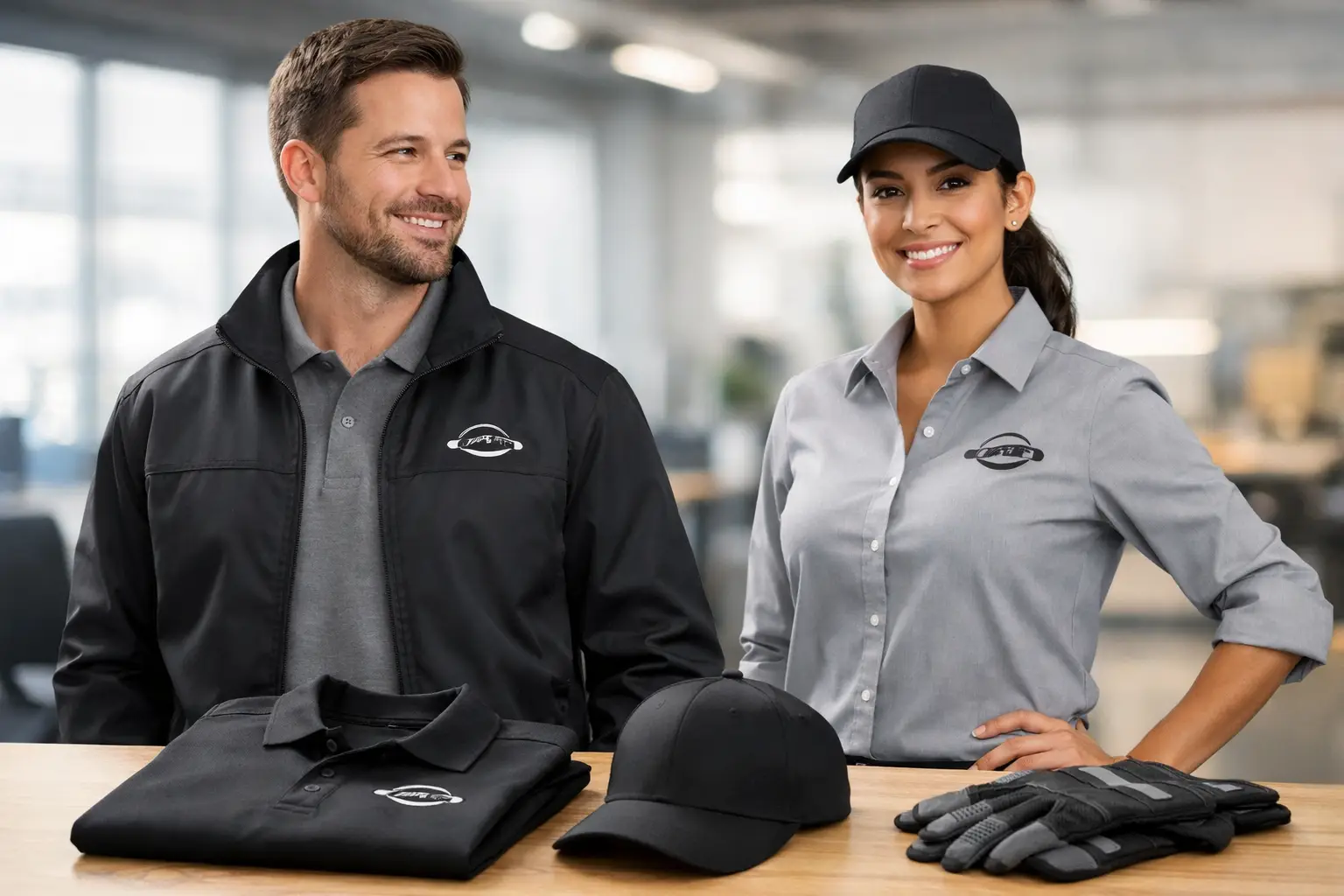
When a customer meets your team, they notice the details fast. A clean logo, a consistent look, and apparel that fits the job all shape first impressions. That is why branded workwear does more than put your name on a shirt. It helps your business look organized, credible, and ready to perform.
For many companies, workwear sits at the intersection of branding, function, and operations. It has to look polished enough for customer-facing roles, hold up through repeated wear, and make reordering simple when teams grow or departments change. If any one of those pieces is off, the program becomes harder to manage than it should be.
Why branded workwear matters
A strong workwear program creates consistency across your business. Whether you are outfitting technicians, warehouse staff, office teams, drivers, event crews, or retail employees, matching apparel gives people a clear visual connection to your brand. That consistency builds trust externally and team identity internally.
It also solves practical problems. Employees know what to wear. Managers spend less time answering dress code questions. New hires can be brought into the same standard quickly. For larger organizations, branded workwear supports a more controlled brand presentation across locations, shifts, and departments.
There is also a difference between promotional apparel and true workwear. A giveaway t-shirt may be fine for a one-day event, but daily-use apparel needs more structure. Fabric weight, color retention, decoration method, and garment durability all matter more when the piece will be washed often and worn on the job.
Choosing branded workwear for the real job
The best-looking garment is not always the right one. A lightweight polo may be perfect for a front desk team, but not for crews working outdoors or moving through demanding environments. The first decision should always be tied to how the apparel will actually be used.
Match the garment to the work environment
Start with the role. Office and hospitality teams usually need a cleaner, more refined look, which makes polos, button-downs, quarter-zips, and lightweight layers a smart fit. Field teams often need tougher fabrics, outerwear, and garments that allow for movement. Industrial and trade environments may call for heavier-duty shirts, work jackets, or safetywear with specific visibility features.
Climate matters just as much. If your teams work in heat, moisture-wicking and breathable fabrics can improve comfort throughout the day. If they work outdoors in colder conditions, layering becomes important. Vests, fleece, soft shells, and insulated jackets can all play a role, depending on season and setting.
Think beyond the logo placement
A left-chest logo is a standard choice for a reason. It looks professional, works across many garment types, and suits both embroidery and print in many cases. But placement should still reflect the product and the role. Caps, sleeves, backs, and outerwear panels may offer better visibility depending on how the apparel is worn.
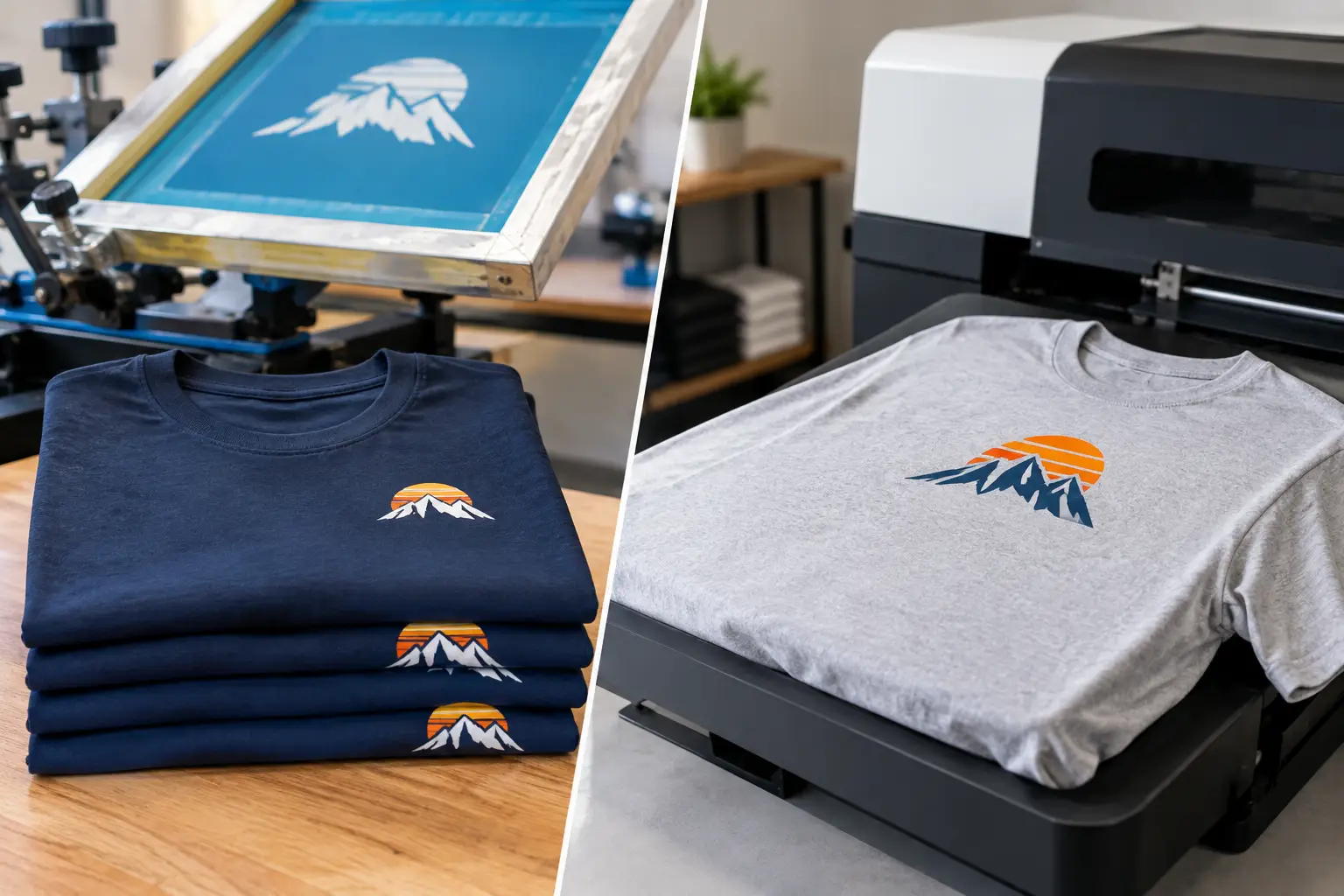
Decoration method matters too. Embroidery gives a premium, durable finish and is often the preferred choice for polos, outerwear, hats, and uniforms where a polished appearance matters. Screen printing can be ideal for larger graphics, casual apparel, and programs where volume and visual impact are key. The right approach depends on the garment, the artwork, and how formal the final look needs to be.
What separates average workwear from a strong program
Many companies can order branded apparel. Fewer build a workwear program that stays consistent over time. The difference usually comes down to planning.
A strong program starts with brand control. That includes using approved logo files, keeping thread and ink colors consistent, and selecting garments that reflect the image you want your employees to project. If one location orders performance polos, another orders low-cost tees, and a third uses a different logo version, the brand experience starts to break down.
It also comes down to product discipline. That does not mean every employee must wear the exact same piece. It means you should have an approved assortment that fits different roles while still looking unified. For example, office staff may wear embroidered polos, warehouse teams may wear branded tees and outerwear, and managers may have quarter-zips or jackets. The pieces differ, but the system feels coordinated.
Reordering is another major factor. If your chosen garments are inconsistent, frequently discontinued, or poorly documented, future orders become frustrating. Stable workwear programs rely on repeatable products, accurate decoration setup, and a process that makes adding sizes or replenishing inventory straightforward.
Branded workwear and perceived quality
Customers often judge service quality before any work begins. A technician arriving in a clean embroidered shirt and branded jacket sends a different message than someone in mismatched apparel with a peeling logo. The same is true at trade shows, on delivery routes, in retail settings, and on job sites.
This does not mean every company needs the most expensive garment available. It means the apparel should align with your brand position. If your business emphasizes premium service, your workwear should support that promise. If your team needs rugged durability first, that function should still be presented in a clean, professional way.
Recognized apparel brands can help here because buyers often associate them with reliability and comfort. That said, the logo on the garment tag is only part of the equation. Decoration quality, artwork setup, and production consistency have just as much impact on the final result.
Common mistakes to avoid with branded workwear
One of the most common mistakes is buying on unit price alone. Lower-cost garments can look fine at first, but if they shrink, fade, or lose shape quickly, the total value drops fast. Replacing poor-quality apparel too often creates more cost and more admin work.
Another mistake is choosing one item for everyone without considering job function. Uniformity can be helpful, but forcing the same shirt on office staff and field crews often leads to poor wear rates. Employees are more likely to wear branded workwear consistently when it is comfortable and appropriate for the work they do.
Artwork is another issue. Small details in a logo may not translate well on every garment or decoration method. What looks sharp in a digital file may need adjustment to embroider cleanly on a cap or small chest placement. That is where proofing and production experience matter.
Lead time should not be overlooked either. Companies often wait until a new hire class starts, an event is close, or weather shifts before ordering. Planning ahead gives you better product availability, cleaner approvals, and less pressure on the process.
How to build a branded workwear program that scales
If you are ordering for a small team today but expect growth, build the program like it will need to expand. Start with core garments that cover your main roles and seasons. Standardize logo usage, color choices, and decoration placement early. That makes future reorders easier and helps maintain consistency as your business grows.
It is also smart to think in layers. A solid program often includes a daily base item, such as a polo or tee, plus optional outerwear and headwear. This gives teams flexibility without creating visual chaos. It also allows different departments to stay on brand while dressing for different conditions.
For larger organizations, centralizing approvals can save time and reduce inconsistency. When artwork, garment selections, and decoration standards are documented, departments can reorder with more confidence. That matters whether you are managing one office or multiple locations across the country.
Working with a supplier that handles product selection, artwork review, proofing, and decoration under one roof can make the process far more reliable. That level of production control helps reduce mistakes and supports better quality from one order to the next. For companies that reorder often or run ongoing apparel programs, that consistency is not a bonus. It is part of what makes the program work.
What buyers should look for in a supplier
The right partner should help you make better decisions, not just take the order. That means clear guidance on garment selection, honest recommendations on decoration methods, dependable proofing, and realistic production timelines. If your supplier cannot help you think through wear conditions, logo application, and repeat ordering, you may end up doing too much of the heavy lifting yourself.
Production capability matters as well. In-house embroidery, screen printing, and art support usually provide better visibility into quality and turnaround than a disconnected process spread across multiple vendors. For business buyers, accountability matters. You need to know who is responsible for getting it right.
This is where experience shows. A provider that understands company uniforms, event apparel, outerwear programs, safetywear, and repeat business ordering can spot issues before they become expensive. At LOGO USA, that production-first mindset is central to delivering branded apparel that looks polished, performs on the job, and stays consistent over time.
Branded workwear works best when it is treated as part of your operation, not a last-minute purchase. Choose pieces your team will actually want to wear, set standards you can maintain, and invest in decoration quality that reflects your business well. When the program is built right, your apparel does its job every day without asking for attention.
Popular Blogs
What File Formats Does Embroidery Accept?
October 12, 2026