Corporate Apparel Ordering Guide for Teams
- May 13, 2026
- 2:03 am
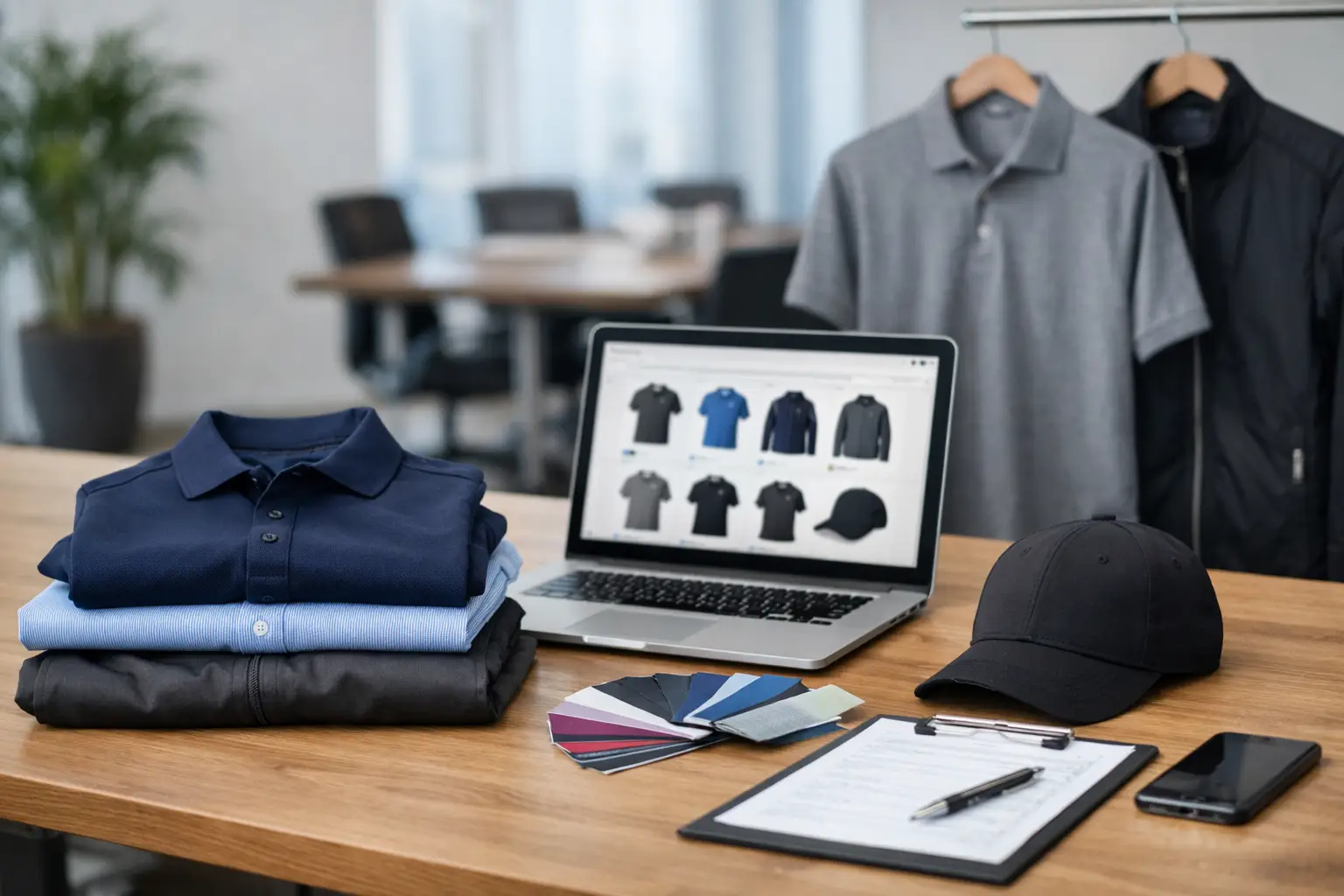
Ordering company apparel sounds simple until the details start stacking up. One department wants polished polos, another needs durable workwear, leadership wants the logo to look exact, and the event date is already on the calendar. A strong corporate apparel ordering guide helps you make smart decisions early, avoid production issues, and end up with branded apparel that looks consistent, fits well, and reflects your business the right way.
The difference between a smooth order and a frustrating one usually comes down to planning. Not overplanning – just asking the right questions before products, decoration methods, and quantities are locked in. If you are buying for a small team, a multi-location company, or a recurring uniform program, those early choices shape everything from budget and turnaround to employee satisfaction and brand presentation.
What a corporate apparel ordering guide should cover
At a minimum, your process should answer five questions. What is the apparel for, who will wear it, how often will it be used, what logo treatment is appropriate, and when does it need to arrive? Those sound basic, but they affect nearly every production decision.
For example, apparel for a trade show booth has different priorities than apparel for field technicians. Event apparel may lean lighter, more promotional, and more budget-sensitive. Daily uniforms usually need better durability, easier care, and a cleaner logo presentation over time. When buyers skip that distinction, they often end up ordering the right product for the wrong job.
This is also where brand standards matter. A premium outerwear piece with sharp embroidery sends a very different message than a basic tee with a large screen print. Neither is automatically better. It depends on whether your goal is polished client-facing presentation, internal team unity, promotional reach, or all three.
Start with the use case, not the product
Many apparel orders go sideways because buyers begin with an item instead of the application. They decide they need polos, jackets, or caps before thinking through who is wearing them and in what environment. A better approach is to start with the real-world conditions.
If your staff works indoors in customer-facing roles, performance polos, button-downs, and lightweight layers often make sense. If your team is in warehouses, on jobsites, or moving between vehicles and outdoor conditions, heavier-duty workwear, outerwear, and high-visibility options may be more practical. If the order is for recruiting events, giveaways, or company celebrations, comfort and broad appeal may matter more than long-term uniform performance.
The right product mix can also vary inside the same company. Sales staff may need branded quarter-zips and polos, while operations teams need tougher sweatshirts, caps, and safetywear. That does not create inconsistency if the logo treatment, color direction, and quality level stay aligned. In many cases, it creates a smarter apparel program.
Choosing apparel that supports your brand
Branding is not just about placing a logo on a garment. The garment itself communicates something about your company. Fabric weight, fit, color, and brand recognition all influence how people perceive your business.
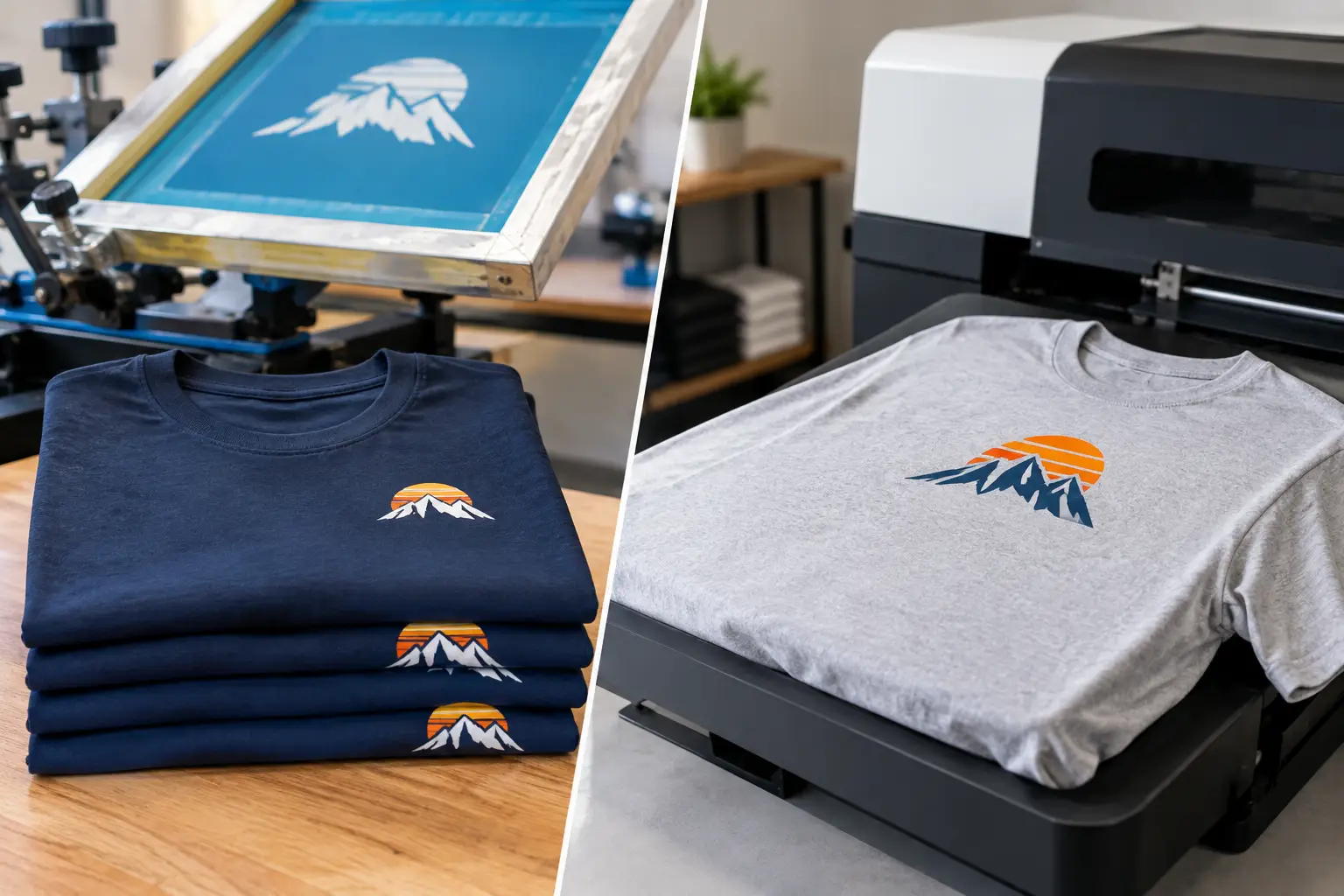
For a polished corporate look, embroidery is often the first choice for polos, outerwear, hats, and bags. It has a refined, durable feel and works especially well when your team interacts with customers, partners, or vendors. Screen printing can be the better fit for t-shirts, sweatshirts, and larger graphic applications, especially when cost per piece matters at higher volumes.
There is a trade-off here. Embroidery typically delivers a more elevated finish, but not every logo translates cleanly at small sizes, especially if it includes tiny text, gradients, or intricate detail. Screen printing handles larger artwork and bold graphics well, but it may not match the formal look some companies want for uniforms or executive apparel. A dependable production partner will help you match the method to the garment and the artwork instead of forcing every order into the same process.
Brand selection matters too. Recognized names can strengthen perceived value, especially for client gifts, leadership apparel, or employee incentive programs. For broad internal outfitting, more budget-conscious styles may be the better decision if they still meet your quality standard. The goal is not to overspend. It is to buy apparel that fits the purpose and holds up to wear.
Artwork, logo setup, and proofing
A clean result starts with usable artwork. If your logo file is low resolution, outdated, or inconsistent across departments, those issues show up quickly on apparel. Before placing an order, confirm you have the correct version of the logo, approved brand colors, and any placement rules your company follows.
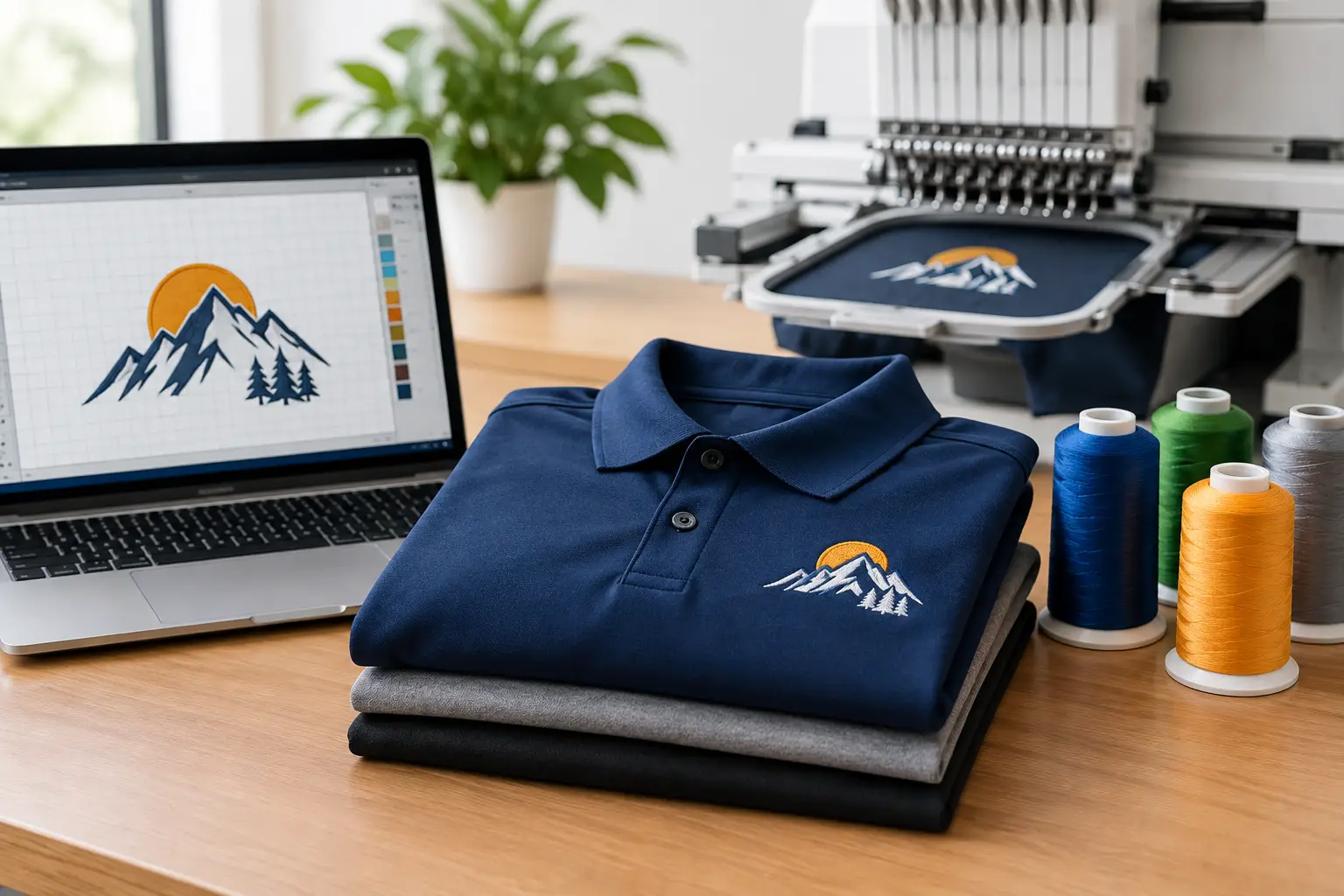
For embroidery, logo digitizing plays a major role in final appearance. It determines how the design is translated into stitches, and quality digitizing is what separates sharp, professional embroidery from lettering that looks crowded or uneven. For screen printing, artwork needs to be prepared to suit the print size, garment color, and ink choices.
Proofing is where you catch problems before production starts. This step should never feel like a formality. Check spelling, placement, thread or ink colors, scale, and garment selection carefully. If multiple departments are involved, get one final approver to sign off. That simple step prevents version confusion and keeps the production timeline moving.
Sizing and quantity planning
Sizing is one of the most common pain points in corporate apparel orders. Even strong brands have style-to-style fit variation, and unisex sizing does not solve every need. If the order is large or tied to uniforms, it is worth taking the time to review size charts carefully and think about your audience.
A slim performance polo may look great in a product photo, but it may not be the best choice for a broad employee rollout. More forgiving fits usually lead to better wear rates. If people do not feel comfortable in the apparel, it stays in the closet and your investment does not do much for team visibility or brand consistency.
Quantities should also be tied to actual use. Ordering extra can be smart for onboarding, replacements, and late additions, especially for uniform programs. But too much overage in a seasonal color or event-specific design can leave you with leftover inventory that has limited value. It depends on whether the order is evergreen, campaign-based, or tied to a specific date.
Timeline matters more than most buyers think
An accurate timeline is about more than production days. You also need time for product selection, artwork preparation, proof approval, and shipping. If multiple stakeholders need to review the order, build that into the schedule from the start.
Rush situations happen, but they can limit your options. Certain garments may not be available in the full size run, decoration choices may need to change, and budget flexibility may become necessary. If your deadline is fixed – for a conference, new hire launch, franchise rollout, or company anniversary – the safest move is to start early and approve quickly.
That is one reason USA-based production can matter. It gives buyers more control, clearer communication, and often a more dependable path to a firm in-hands date. For businesses that reorder regularly, working with a partner that keeps art, decoration standards, and order history organized also makes future programs easier to manage.
How to use this corporate apparel ordering guide for repeat programs
One-time orders and ongoing apparel programs should not be managed the same way. If your company places recurring orders for uniforms, employee stores, branch locations, or seasonal events, the process needs consistency built in.
That means standardizing approved garments, logo placements, thread or ink colors, and reorder procedures. It may also mean creating different apparel tiers for different teams while keeping a unified look across the company. Done well, this protects your brand and reduces back-and-forth every time someone needs to place a new order.
For larger organizations, consistency is often just as important as price. A lower-cost item that changes fit, shade, or decoration quality from one order to the next can create more internal friction than it saves. Reliable execution tends to matter more over time, especially when apparel is visible to customers.
What to expect from the right apparel partner
A supplier should do more than take an order. They should help you avoid preventable mistakes, recommend products that fit the job, and guide you through artwork and decoration choices with confidence. That is especially important if you are balancing appearance, durability, budget, and deadline all at once.
Look for clear proofing, responsive communication, dependable production timelines, and decoration expertise that happens in-house rather than being pushed through multiple layers. Premium craftsmanship is not just about how the final piece looks on day one. It is about consistency from order to order, especially when your brand depends on a polished presentation.
For many buyers, the easiest path is a full-service partner that can handle product selection, logo setup, proofing, and production under one roof. That keeps the process tighter and reduces the chances of missed details. LOGO USA has built its reputation around exactly that kind of accountability, with USA-based decoration and a process designed to keep branded apparel ordering straightforward for business buyers.
Good branded apparel does more than put your logo in front of people. It helps your team look prepared, feel connected, and represent the business with confidence. If you treat your next order like a business decision instead of a quick purchase, you will see the difference every time your team puts it on.
Popular Blogs
What File Formats Does Embroidery Accept?
October 12, 2026