Why USA Made Custom Apparel Wins at Work
- May 11, 2026
- 1:39 am
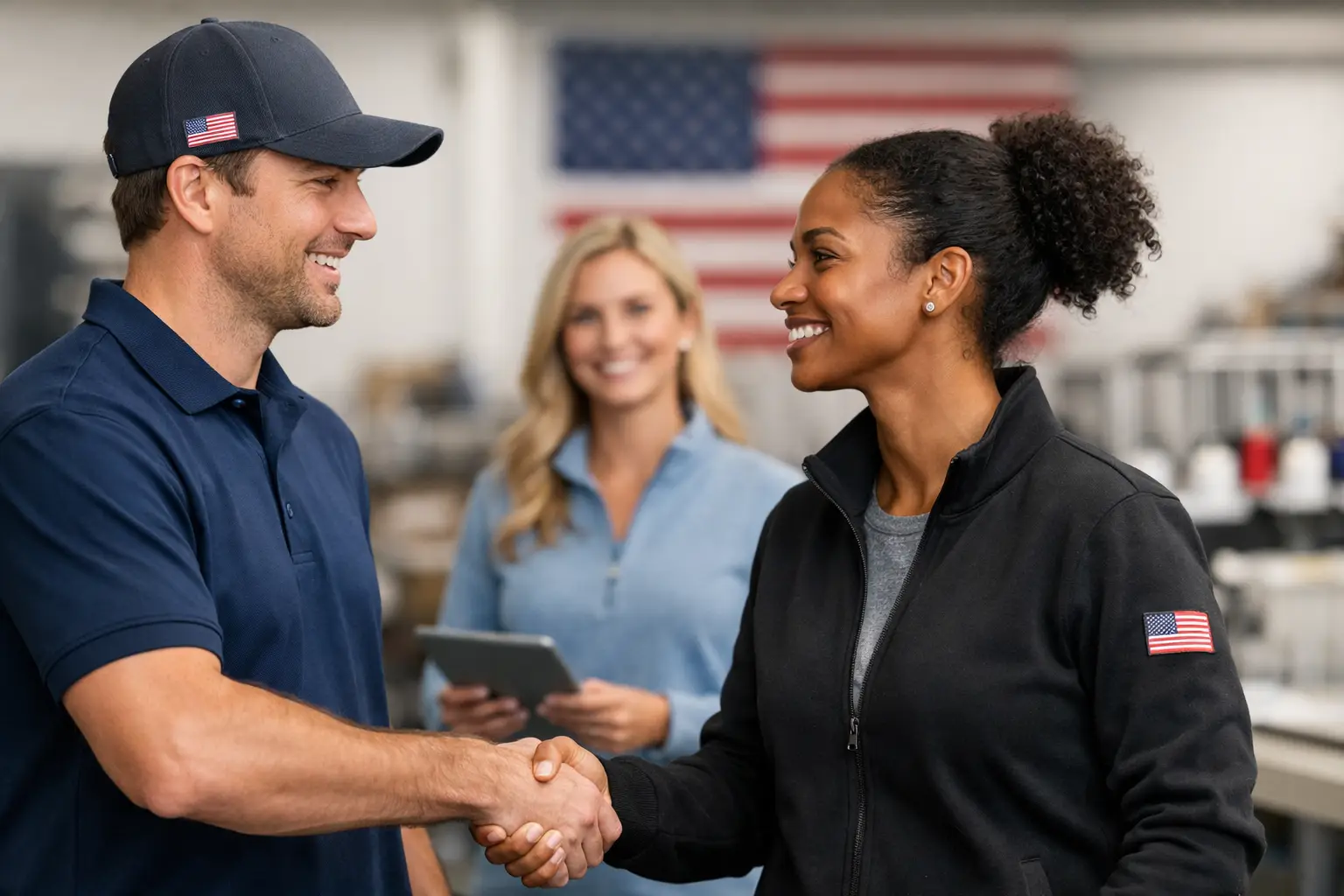
When your team is standing in front of customers, walking a trade show floor, or representing your company on a jobsite, the details show. A crooked logo, inconsistent stitching, or late shipment does more than create a hassle – it reflects on your brand. That is why many business buyers are taking a closer look at usa made custom apparel as a smarter choice for uniforms, event wear, and branded merchandise programs.
For companies that need apparel to do real work, this is not just about where a garment is decorated. It is about control, consistency, and confidence. When production happens domestically, businesses often get tighter quality oversight, clearer communication, and faster turnaround times that fit the pace of actual operations.
What businesses really want from usa made custom apparel
Most buyers are not searching for custom apparel because they want more decisions to manage. They want a dependable process that gets the right products to the right people, branded correctly, on time. That could mean polos for a sales team, outerwear for field crews, caps for an event, or a company-wide uniform rollout across multiple locations.
In that context, usa made custom apparel stands out because it supports the things business buyers care about most. Professional appearance matters, but so do reorder accuracy, logo consistency, product durability, and production accountability. If your apparel partner can maintain those standards from proofing through decoration and shipment, your job gets easier.
There is also a practical brand benefit. Employees notice when their apparel fits well, holds up, and looks polished. Customers notice when your team appears coordinated and professional. Good branded apparel does not feel like an afterthought. It becomes part of how your company presents itself every day.
Quality control starts with production visibility
One of the biggest advantages of domestic decoration is visibility. When embroidery, screen printing, digitizing, and proofing are handled through a US-based production operation, there are fewer gray areas between what was approved and what gets delivered. That matters whether you are ordering 24 polos or managing a larger recurring apparel program.
Quality problems usually do not start at the last minute. They start earlier, with weak artwork setup, poor digitizing, inconsistent placement, or limited oversight during production. A provider with in-house capabilities can catch those issues before they become expensive mistakes. That level of control is especially valuable for businesses that need logos reproduced consistently across multiple garment styles, from dress shirts and quarter-zips to workwear and caps.
This is where craftsmanship becomes more than a marketing phrase. Clean embroidery, accurate thread colors, strong print registration, and consistent logo placement all contribute to a finished product that looks premium in the real world, not just in a mockup.
Speed matters, but only when quality keeps up
Fast turnaround sounds great until you have to reorder because the first shipment was wrong. Business buyers usually do not need the cheapest option or the fastest possible option in isolation. They need a supplier that can move quickly without losing control of the details.
USA-based production helps make that balance more realistic. Approval cycles are often simpler, communication is more direct, and production schedules can be managed with greater accountability. For companies ordering apparel around onboarding deadlines, conferences, seasonal campaigns, or field deployments, that reliability can be the difference between staying on schedule and creating extra internal work.
Of course, speed depends on the order itself. A straightforward reorder on proven garments will usually move faster than a new program with multiple logo placements, mixed sizes, and several product categories. That is why the best apparel partners do more than promise quick delivery. They set expectations clearly, provide digital proofing, and guide customers toward products and decoration methods that fit the timeline.
The right garment matters as much as the logo
A strong custom apparel program starts with product selection. If the garment misses the mark, even excellent decoration cannot fully save it. Business buyers often need to balance appearance, comfort, durability, and budget, and the right choice depends on how the apparel will actually be used.
For office and client-facing teams, polos, woven shirts, and lightweight layers often create the cleanest presentation. For outdoor crews or warehouse staff, workwear, outerwear, and safety apparel may need to take priority. For company events or promotions, soft tees, sweatshirts, and caps can deliver broad appeal without overcomplicating the order.
Brand-name apparel can also play an important role. Recognized labels bring familiarity, trusted fit, and perceived value, which matters when you want employees to wear the apparel willingly rather than only when required. Still, premium brands are not always the answer. For some programs, especially large staff rollouts or high-volume giveaways, a more budget-conscious option may be the better fit. It depends on whether the goal is long-term uniform use, brand visibility, employee retention, or event impact.
Embroidery or screen print? The best choice depends on use
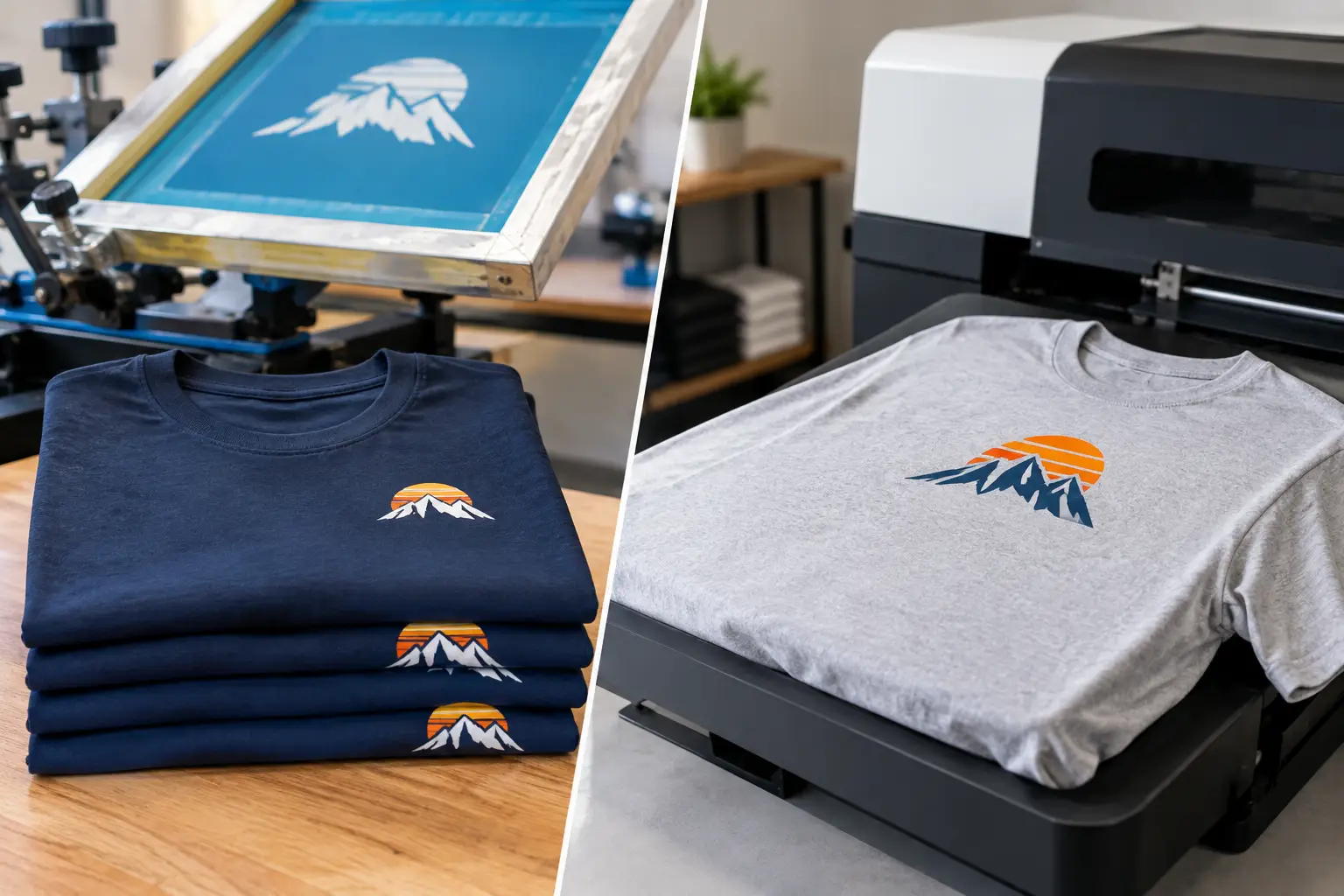
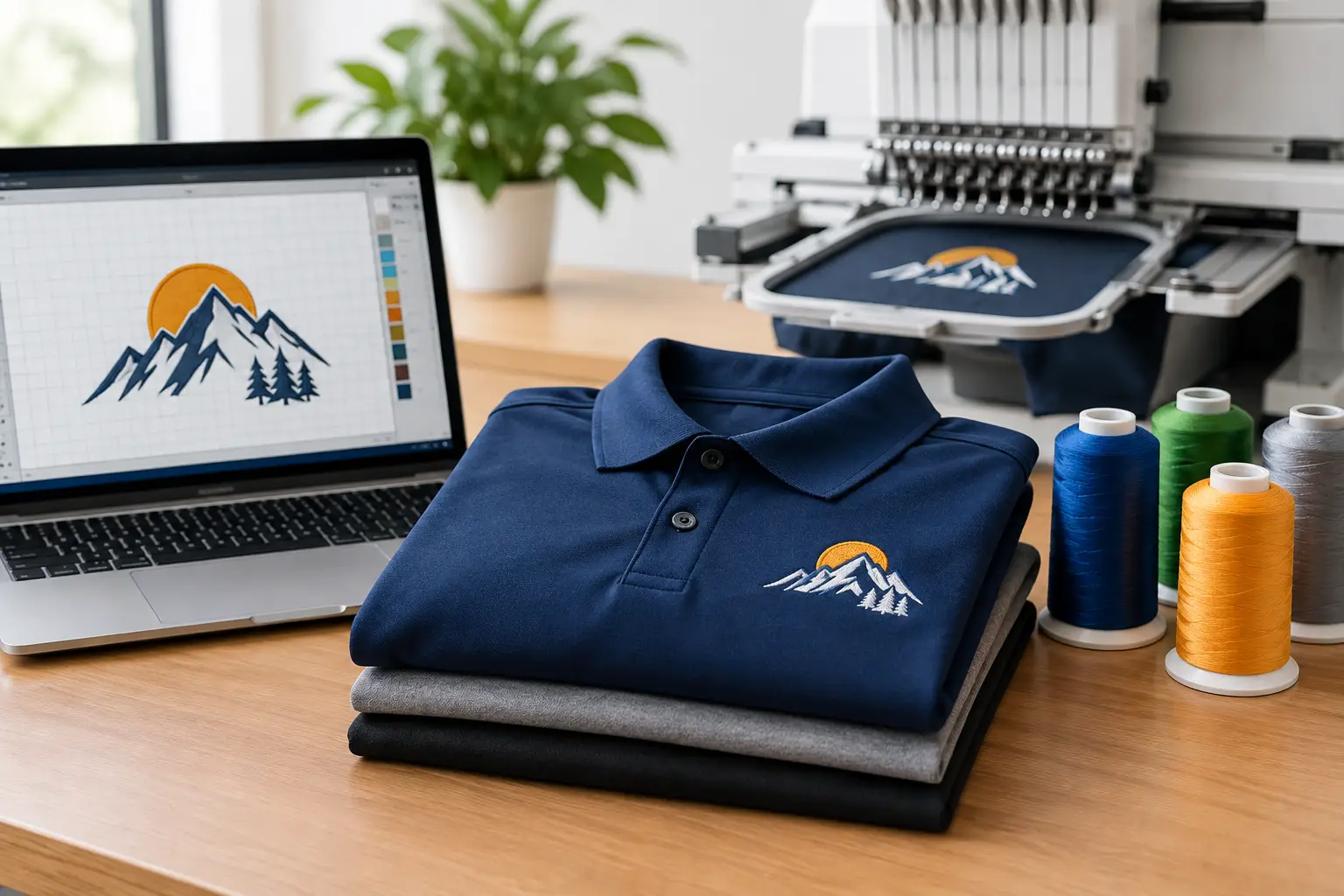
Business buyers are often choosing between embroidery and screen printing, and each has a clear place. Embroidery is typically the stronger option for polos, hats, outerwear, bags, and uniforms where a durable, elevated finish matters. It gives logos dimension and a professional look that holds up well over time.
Screen printing often makes more sense for t-shirts, sweatshirts, and larger graphic applications, especially when the design includes broader coverage or multiple colors. It can be cost-effective for event apparel and promotional runs while still delivering a polished result when executed well.
The trade-off is simple. Embroidery tends to feel more premium on structured apparel, but it is not ideal for every logo size or garment type. Screen printing offers design flexibility and value for higher-volume casual apparel, but the final result depends heavily on artwork quality, ink selection, and print consistency. A dependable customization partner should help you choose the method based on the garment, the artwork, and the end use, not just what is easier to produce.
Consistency is what makes reorders simple
The first order gets attention. The fifth reorder is where a supplier proves value. Businesses with recurring hiring, multiple departments, seasonal events, or expanding locations need custom apparel programs that can be repeated without starting from scratch each time.
That means artwork files should be set up correctly, thread colors and print specifications should be documented, and approved garments should be easy to reorder. It also means your supplier should understand the difference between a one-time promotion and an ongoing identity program. Those are not the same operationally, and they should not be handled the same way.
For larger organizations, consistency across categories matters too. Your logo should look right on a cap, jacket, polo, and backpack, even though each product has different decoration requirements. That level of coordination is one reason companies work with experienced production partners instead of piecing orders together from multiple vendors.
What to look for in a custom apparel partner
A strong provider should make ordering easier, not more complicated. Look for clear proofing, responsive support, dependable production timelines, and in-house expertise that reduces the chance of errors. If a supplier can guide you through product selection, artwork preparation, decoration method, and reorder planning, that is a real operational advantage.
It also helps to choose a partner with a broad product range. Businesses rarely need just one item forever. Today it might be employee polos. Next quarter it could be branded outerwear, safety gear, or a company store program. Working with one experienced source creates continuity and simplifies brand management over time.
For many organizations, that is the real value of a full-service model. You are not just buying shirts or caps. You are building a repeatable process for branded apparel that supports your team, your image, and your deadlines. That is why companies continue to invest in providers like LOGO USA that combine premium craftsmanship, domestic decoration, and dependable turnaround under one roof.
USA made custom apparel is not the right choice because it sounds good on paper. It is the right choice when you need your branded apparel to arrive looking polished, feeling consistent, and ready to represent your business without excuses. Choose the kind of production partner that makes that standard feel normal.
Popular Blogs
What File Formats Does Embroidery Accept?
October 12, 2026