What Is Custom Embroidery for Business?
- April 10, 2026
- 3:25 am
A stitched logo on a polo or cap sends a different message than a printed graphic. It looks finished, holds up to repeat wear, and gives employee apparel a more established feel. If you are asking what is custom embroidery, the short answer is this: it is the process of stitching a logo, name, or design directly onto apparel or accessories using commercial embroidery machines and digitized artwork.
For business buyers, that definition only tells part of the story. Custom embroidery is less about thread alone and more about presentation, durability, and consistency across the pieces your team wears every day. Whether you are outfitting office staff, field crews, event teams, or a full uniform program, embroidery is often the decoration method that delivers the most polished result.
What is custom embroidery?
Custom embroidery is a decoration method that uses thread to sew a design onto fabric. Instead of applying ink to the surface, embroidery builds the design with stitches. Those stitches create texture, dimension, and a professional appearance that many businesses prefer for logos, employee names, and branded apparel.
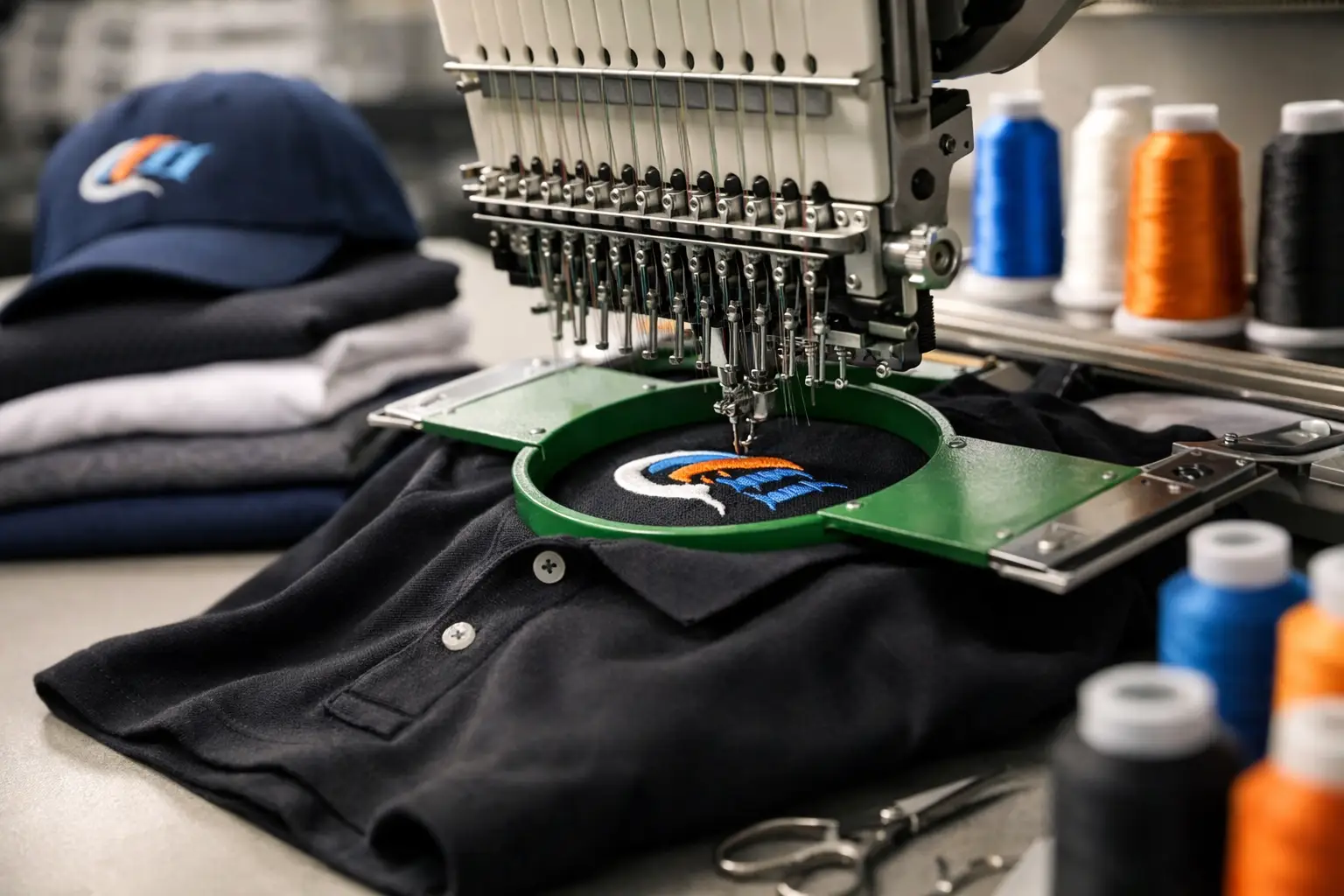
The process starts with artwork, usually a company logo or text. That artwork is then digitized, which means it is converted into a file that tells an embroidery machine exactly how to stitch the design. The machine follows a programmed path for stitch type, thread color, stitch direction, density, and sequence.
That step matters because embroidery is not as simple as uploading an image and pressing start. A logo has to be prepared for stitching so it sews cleanly on a specific fabric. Fine details, tiny text, gradients, and very thin lines may need to be adjusted. Good digitizing is a major part of good embroidery.
How custom embroidery works on apparel
Once the artwork is digitized and approved, the item is hooped to hold the fabric in place. The embroidery machine then stitches the design using thread colors that match the brand as closely as possible. Backing is typically added behind the fabric for stability, especially on polos, jackets, hats, and bags.
The final result depends on more than the machine. Garment type, logo size, placement, thread selection, and fabric behavior all affect the outcome. A left-chest logo on a polo is usually straightforward. A thick jacket, a structured cap, or a stretchy performance piece may require different handling to keep the design clean and consistent.
That is why business buyers usually benefit from working with a production partner that manages digitizing, proofing, and in-house decoration together. It reduces surprises and keeps the finished product aligned with the approved design.
Why businesses choose custom embroidery
Embroidery is popular in corporate apparel because it projects permanence. A stitched logo looks intentional and substantial, which is exactly what many companies want when employees are customer-facing or representing the brand in public.
It is also durable. On polos, outerwear, work shirts, fleece, caps, and bags, embroidery generally holds up very well through normal wear and washing. Printed decoration can be the better choice for large graphics or high-detail artwork, but embroidery often wins when the goal is a clean, long-lasting logo application.
There is also a brand perception factor. A stitched logo can make standard apparel feel more like a uniform program and less like a giveaway. For offices, sales teams, hospitality staff, construction crews, property management teams, and trade show personnel, that difference matters.
What is custom embroidery best used for?
Custom embroidery works especially well for apparel and accessories that benefit from a professional finish. Polos are one of the most common choices because embroidery fits naturally on the left chest and supports a polished, business-ready look. Caps are another strong match, particularly for teamwear, promotions, and field staff.
It is also a smart option for quarter-zips, fleece, jackets, workwear, bags, and uniforms. On these products, embroidery adds brand visibility without making the garment feel overdesigned. If your goal is understated branding with long-term wearability, embroidery is usually a strong fit.
That said, it depends on the artwork. A simple logo with defined shapes and readable text tends to embroider well. A large multicolor illustration with shading and tiny detail may not. In those cases, screen printing or another decoration method may produce a cleaner result.
The difference between embroidery and screen printing
Business buyers often compare these two methods because both are standard choices for branded apparel. The right option depends on the garment, the logo, and how the item will be used.
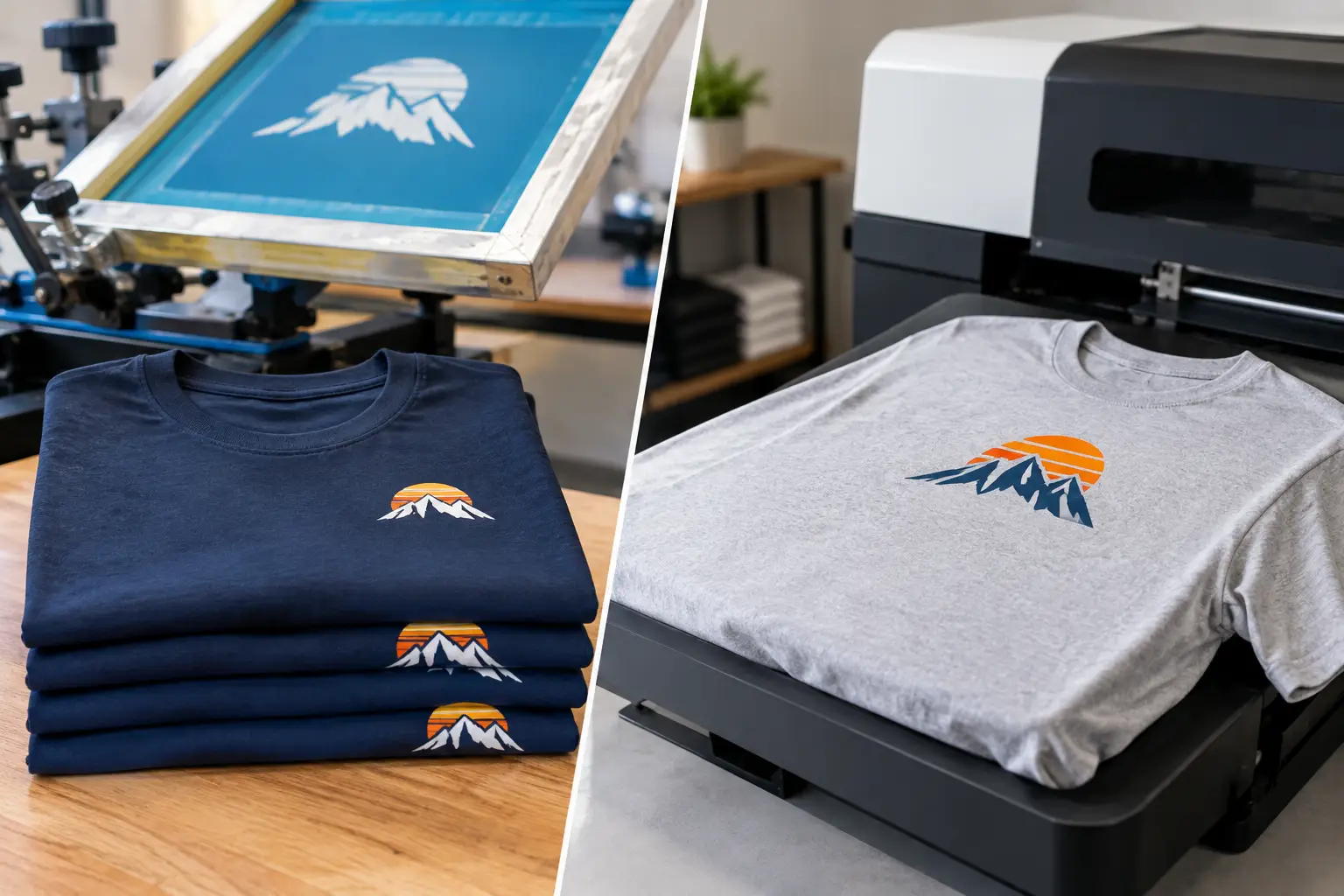
Embroidery uses thread and creates a textured, raised finish. It is commonly used for polos, hats, outerwear, bags, and uniforms where a premium appearance is the priority. Screen printing uses ink and lays the design onto the garment surface. It is often better for large graphics, full-front artwork, or logos with more detail and color variation.
Neither method is better in every scenario. If you need a refined chest logo on a performance polo, embroidery is often the right call. If you need a bold event shirt with a large front graphic, screen printing may be more practical and cost-effective. Many companies use both across different product categories to get the best result in each case.
What makes embroidery look premium?
Quality embroidery comes down to precision. The logo needs to be digitized correctly, the stitch count needs to suit the design, and the garment needs to be stable during production. Thread tension, backing choice, and placement accuracy all matter.
This is where craftsmanship shows. Clean edges, balanced fills, readable text, and consistent thread coverage are the details that separate average embroidery from premium decoration. A business logo should look sharp from piece to piece, whether you are ordering a dozen polos or rolling out apparel across multiple teams.
Consistency is especially important for larger organizations and recurring programs. If your company reorders uniforms, onboarding apparel, event gear, or branch-specific items over time, you want the logo to remain uniform in scale, color, and placement.
Common limitations to understand
Embroidery is highly effective, but it is not the answer for every design. Small text can become difficult to read if it is reduced too far. Thin lines may need to be thickened. Complex gradients usually do not translate well into stitching. Very lightweight or delicate fabrics may also limit what can be embroidered cleanly.
There is also the issue of logo size. Embroidery works best at decoration areas that suit stitched construction, such as left chest, sleeves, bags, and cap fronts. Oversized designs can become heavy, stiff, or visually crowded depending on the garment.
A good provider will flag those issues early and recommend adjustments before production. That protects your brand and helps ensure the finished product looks intentional, not compromised.
How to know if custom embroidery is right for your order
If you want branded apparel that looks professional, lasts well, and supports a consistent company image, embroidery is often the right place to start. It is especially effective for employee uniforms, client-facing teams, corporate gifts, event apparel, and branded outerwear.
It makes the most sense when your logo is relatively clean and when the product category supports a stitched finish. Polos, hats, jackets, fleece, work shirts, and bags are all strong candidates. If your design is highly detailed or your order centers on large graphic tees, another method may be a better fit.
For many organizations, the real value is operational. Once your logo is digitized and your placements are approved, reordering becomes straightforward. That makes embroidery a practical long-term solution for businesses that need dependable branding across seasons, departments, or locations.
What business buyers should expect from the process
A reliable embroidery order should feel controlled from start to finish. That means clear product selection, logo review, digitizing, digital proofing, and production handled with accountability. It also means realistic guidance when an artwork file or garment choice needs adjustment.
For buyers managing deadlines, new hires, events, or uniform rollouts, speed matters, but so does execution. A fast turnaround only helps if the stitching is clean and the products arrive ready to represent the brand well. That is why experienced, in-house production support can make such a difference.
At its best, custom embroidery is simple for the customer and precise behind the scenes. That combination is what turns a basic apparel order into a reliable branding program.
If your team needs apparel that works as hard as your brand does, custom embroidery is not just decoration. It is a practical way to put your logo on products people will wear with confidence.
Popular Blogs
What File Formats Does Embroidery Accept?
October 12, 2026