How to Order Branded Caps for Your Team with Confidence
- August 23, 2026
- 5:54 am
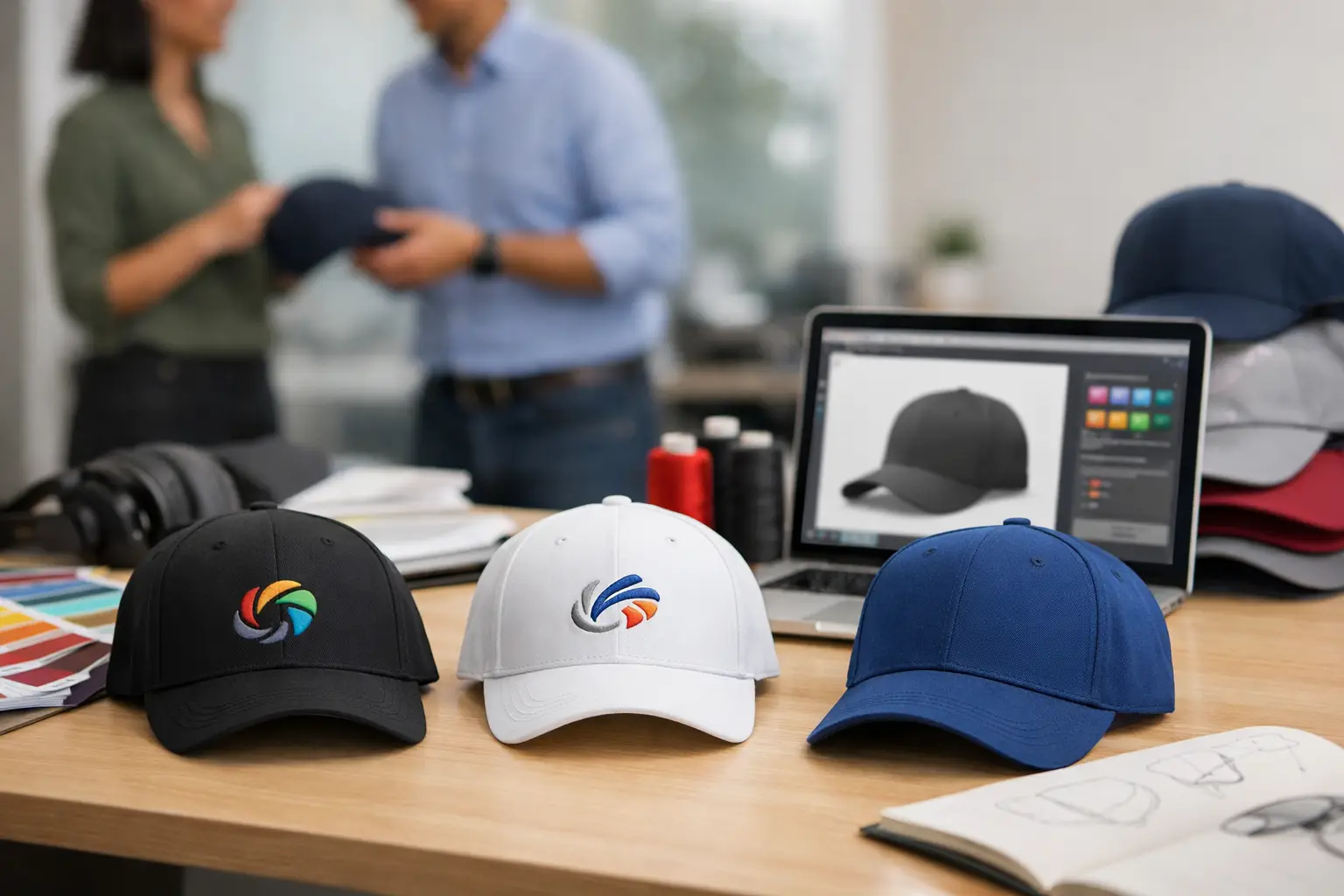
A branded cap can do more than put your logo in front of customers. It can make a field crew look unified, give a sales team a polished event uniform, or become the promotional item people actually keep. Knowing how to order branded caps starts with matching the cap, decoration method, and order plan to the people who will wear it.
The details matter. A cap that looks great on a trade show table but fits poorly will spend its life in a desk drawer. A beautifully embroidered logo can lose impact if it is too small, too detailed, or placed on the wrong panel. The best results come from making a few practical decisions before production begins.
Start With the Job Your Branded Caps Need to Do
Before choosing colors or uploading artwork, identify where and how the caps will be used. Employee uniforms, customer giveaways, company stores, outdoor crews, golf events, and retail merchandise have different requirements.
For daily employee wear, durability and consistent reordering are often the priority. A structured trucker cap, performance cap, or classic twill style can hold up well while presenting a clean, recognizable logo. For a client gift or executive event, a premium brand-name cap with refined embroidery may better reflect the experience you want to create.
Think about the environment, too. Construction, landscaping, delivery, and field-service teams may need breathable materials, adjustable closures, high-visibility colors, or fabrics that handle regular wear. A company hosting a casual team event may prefer relaxed, unstructured caps that feel easy to wear off the clock.
This first decision prevents a common ordering mistake: choosing a cap based only on appearance. The right cap is one your audience will want to wear repeatedly.
Choose a Cap Style That Supports Your Brand
Cap construction affects fit, appearance, and how well your logo displays. There is no single best choice. It depends on your brand, workforce, and intended use.
Structured caps have firm front panels that create a defined, professional shape. They are a strong option for embroidered front logos and for businesses that want a traditional corporate or team look. Mid-profile styles are a practical middle ground for many organizations because they fit a wide range of wearers without sitting too high.
Unstructured caps have a softer, more relaxed profile. They work well for lifestyle brands, casual company apparel, breweries, resorts, and employee appreciation gifts. If your brand is modern and understated, an unstructured dad cap with tonal embroidery can make a strong impression.
Trucker caps add breathable mesh back panels and a casual, active look. They are popular for outdoor businesses, events, and promotional programs. Performance caps use lightweight, moisture-wicking fabrics that make sense for athletics, golf, warm-weather work, and wellness-focused programs.
Closure type also matters. Snapback closures offer an adjustable, familiar fit. Hook-and-loop closures are convenient for quick adjustment, while buckle closures can create a more premium, low-profile finish. Fitted caps offer a tailored look but require sizing and can make ordering more complicated for large groups.
When you need broad appeal, choose an adjustable cap in a versatile color. When the order serves a specific group with clear style preferences, a more distinctive silhouette can be the better investment.
Prepare Your Logo Before Ordering
Your logo is the center of the project, and cap decoration is less forgiving than decoration on a large T-shirt back. Front panels offer limited space, so artwork needs to be clear at a smaller scale.
For embroidery, clean vector artwork is ideal when available. High-quality files help the production team accurately recreate your logo and build the digitized embroidery file that guides the stitching. Simple shapes, strong lines, and readable type usually translate best. Fine gradients, tiny lettering, intricate texture, and narrow gaps may need adjustment to produce a crisp result.
Do not assume every version of your logo should be used exactly as it appears in a brochure or on a website. A horizontal logo may be too wide for a cap front, while a stacked logo, icon, monogram, or shortened brand mark may look sharper. This is not a compromise in brand standards. It is applying your brand correctly to a different format.
Color choices deserve the same attention. Contrast between thread and cap fabric makes the logo easy to recognize from a distance. Black embroidery on charcoal or navy can look subtle and premium, but it may not offer the visibility needed for uniforms or event staff. White, light gray, or a key brand color can provide stronger definition on dark caps.
Select the Right Decoration Method and Placement
Embroidery is the standard choice for most branded caps because it creates dimension, durability, and a professional finish. It is especially effective for corporate uniforms, workwear, team caps, and premium promotional products. Raised 3D embroidery can add impact to bold, simple artwork, but it is not suitable for every logo. Detailed designs usually need standard flat embroidery for the cleanest result.
Some cap styles and graphics may be better suited to patches or printed decoration. A woven or embroidered patch can create a heritage or retail-inspired appearance while supporting more intricate detail. Leatherette patches offer a distinctive finish for outdoor, hospitality, and premium gift programs. The cap material and artwork will help determine what is practical.
The front center is the most common placement and offers the strongest brand visibility. However, side embroidery can add a secondary logo, event date, department name, or sponsor mark. Back placement is useful for a website, tagline, or small icon. Keep secondary decoration intentional. Too many marks can make a cap feel cluttered and increase cost.
Ask for a digital proof before production. This is where you confirm the logo size, placement, thread colors, spelling, and overall appearance. Review the proof with the same care you would give a business card or building sign. Once artwork is approved, production moves forward based on those approved specifications.
Plan Quantities, Sizes, Colors, and Budget
Ordering the exact number of caps you need can sound efficient, but it often creates problems later. Consider future hires, replacement needs, event volunteers, and people who may want an additional cap. Adding a modest overage can reduce the need for a separate short reorder.
If you are ordering adjustable caps, sizing is straightforward. For fitted styles, collect size information before placing the order and include a few extras in common sizes if the budget allows. For company apparel stores or recurring uniform programs, keeping one approved cap style and decoration setup on file helps protect brand consistency over time.
Color is another operational decision. A single cap color simplifies inventory and creates a consistent team appearance. Offering two color options can increase employee adoption, particularly for internal appreciation programs or company stores. The trade-off is more inventory complexity and potentially higher per-unit costs depending on quantities.
Your budget should account for the cap itself, decoration, setup or digitizing when applicable, and any additional placements. A lower-priced cap may make sense for a high-volume giveaway, while a higher-quality style is often the smarter choice for employees who will wear it every day. Cost per wear matters more than unit price alone.
How to Order Branded Caps Without Production Delays
A clear ordering process keeps the project moving and protects the final result. Start by selecting your preferred cap style, color, quantity, and decoration locations. Upload the best version of your logo and provide any requirements for thread colors, placement, or deadline.
Next, review the artwork proof carefully. Confirm that the logo version is correct and that all text, dates, and details are accurate. If multiple stakeholders need approval, gather that feedback before giving final authorization. Last-minute artwork changes can affect the schedule, particularly for event-driven orders.
It also helps to share the real delivery date, not just the date you would like to receive the caps. Production partners need time for artwork preparation, proof approval, decoration, quality checks, and shipping. At LOGO USA, in-house embroidery, digitizing, and production from a US-based facility provide greater control over quality and timing, with many orders produced in 7-10 business days after art approval.
For recurring programs, document the approved cap style, color, thread colors, logo size, and placement. That record turns future reorders into a dependable process rather than a new decision every time.
Check the Details That Create a Professional Finish
Before you finalize an order, consider the full wearing experience. Will the cap color work with your existing uniforms? Does the decoration match the quality of your polos, outerwear, or work shirts? Is the logo visible enough in photos and at a distance? These details are what make branded apparel feel coordinated rather than promotional.
A well-chosen cap becomes part of your company’s visual identity wherever employees, customers, and prospects meet. Choose a style people will wear, approve artwork with care, and build a small amount of flexibility into the order. The result is a branded item that continues representing your business long after the original event or uniform rollout is over.
Popular Blogs
What File Formats Does Embroidery Accept?
October 12, 2026