Employee Uniform Ordering Process Made Easy
- July 22, 2026
- 2:00 am

A uniform program can either make your team look organized from day one or create a steady stream of sizing issues, inconsistent logos, and last-minute reorders. A well-planned employee uniform ordering process keeps those problems from reaching your staff, customers, or budget. The goal is not simply to buy branded shirts. It is to build a repeatable system that delivers the right garments, decoration, sizes, and quantities every time.
For businesses outfitting a small field crew, a customer-facing retail team, or multiple locations, the best process combines clear internal decisions with a decoration partner that can maintain quality from the first order through future reorders.
Start the Employee Uniform Ordering Process With a Clear Standard
Before choosing products, establish what the uniform needs to accomplish. A front-office polo has different requirements than a moisture-wicking shirt for a landscaping crew, a high-visibility vest for a warehouse team, or insulated outerwear for technicians working outdoors. Appearance matters, but comfort, durability, job function, and safety requirements matter just as much.
Define the core pieces your employees will wear regularly and identify which items are seasonal or role-specific. A simple program may include one polo and one cap. A more complete program might include work shirts, quarter-zips, jackets, safetywear, bags, and headwear. Starting with a defined standard prevents each department or location from choosing a slightly different version of the brand.
This is also the right time to decide whether every employee receives the same allowance or whether uniforms are issued by position. Sales staff may need polished embroidered polos and outerwear, while service teams may need durable workwear with more frequent replacement cycles. There is no single right answer. The most effective program reflects how your people actually work.
Select Apparel That Performs on the Job
Price is part of the decision, but the lowest-cost garment is not always the lowest-cost uniform program. Lightweight shirts that fade quickly or jackets that cannot handle daily wear often create early replacement costs and a less professional appearance.
Choose garments based on the working environment and expected wear. Cotton-rich tees can be a practical choice for casual teams and events. Performance polos work well for active employees or warm environments. Structured, snag-resistant polos offer a dependable option for customer-facing teams. For rugged roles, trusted workwear and outerwear brands can provide the durability employees notice over time.
Keep color availability in mind as well. Brand colors may look excellent on a screen but may not be available across every garment type, size range, or season. A flexible palette – such as black, navy, gray, and one brand accent color – often makes it easier to maintain consistency as products change.
Prepare Your Logo Before Production Begins
A uniform is a moving representation of your business. The logo needs to remain clean, legible, and consistent across polos, jackets, hats, and other items. That starts with providing the best available artwork.
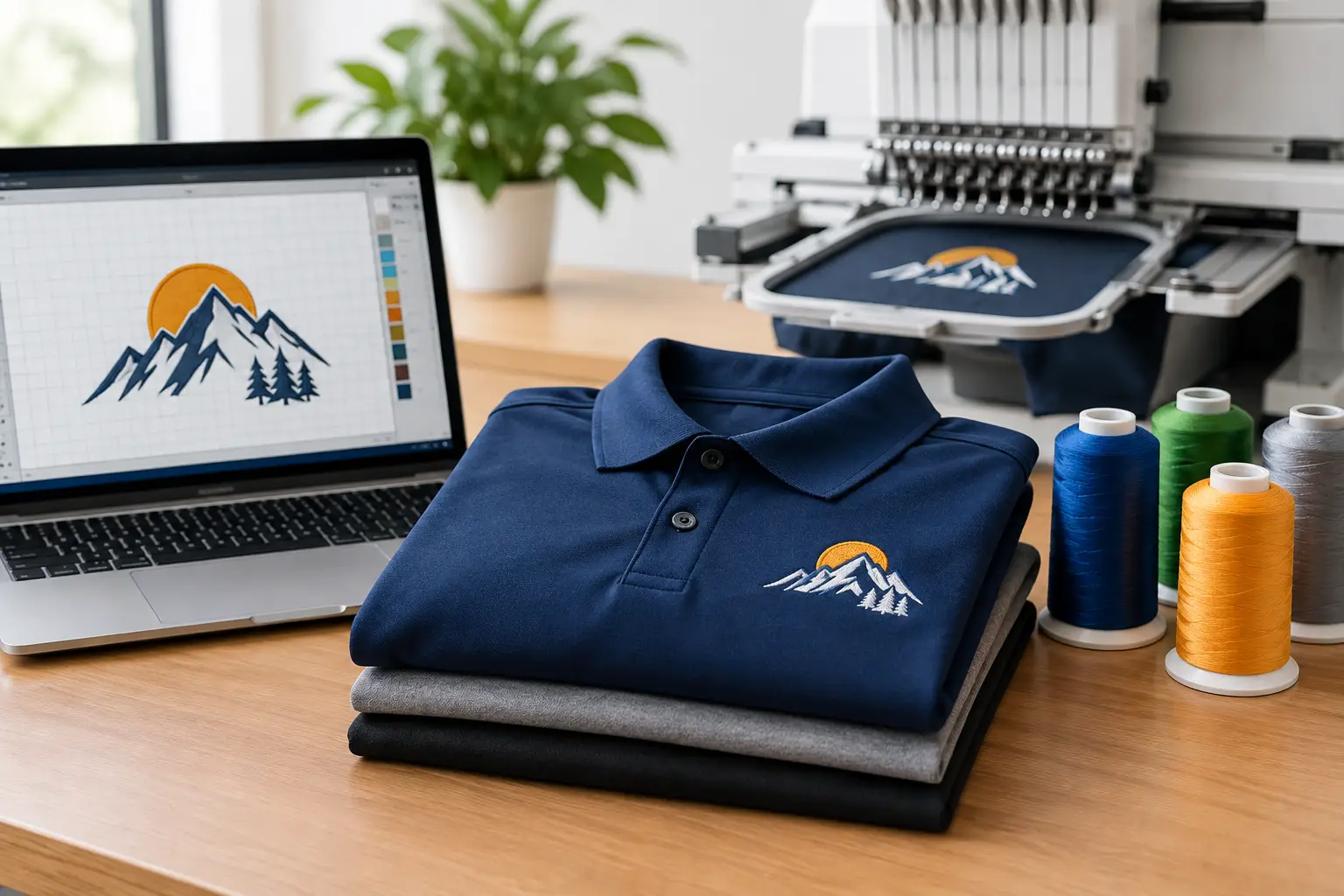
Vector files are generally preferred for screen printing because they preserve clean lines at any size. For embroidery, the artwork is converted into a stitch file through digitizing. Fine details, tiny text, gradients, and very thin lines may need adjustment so the finished embroidery reads clearly on fabric. This is not a shortcut. It is a necessary production step that helps the final piece look polished rather than crowded or distorted.
Decide on logo placement early. The left chest is the most common position for embroidered polos, button-downs, jackets, and workwear. Caps typically use front-center embroidery. Sleeve decoration, back prints, and name personalization can add value, but they also affect cost, production time, and consistency. Use those options when they serve a clear purpose, not simply because they are available.
Match the Decoration Method to the Garment
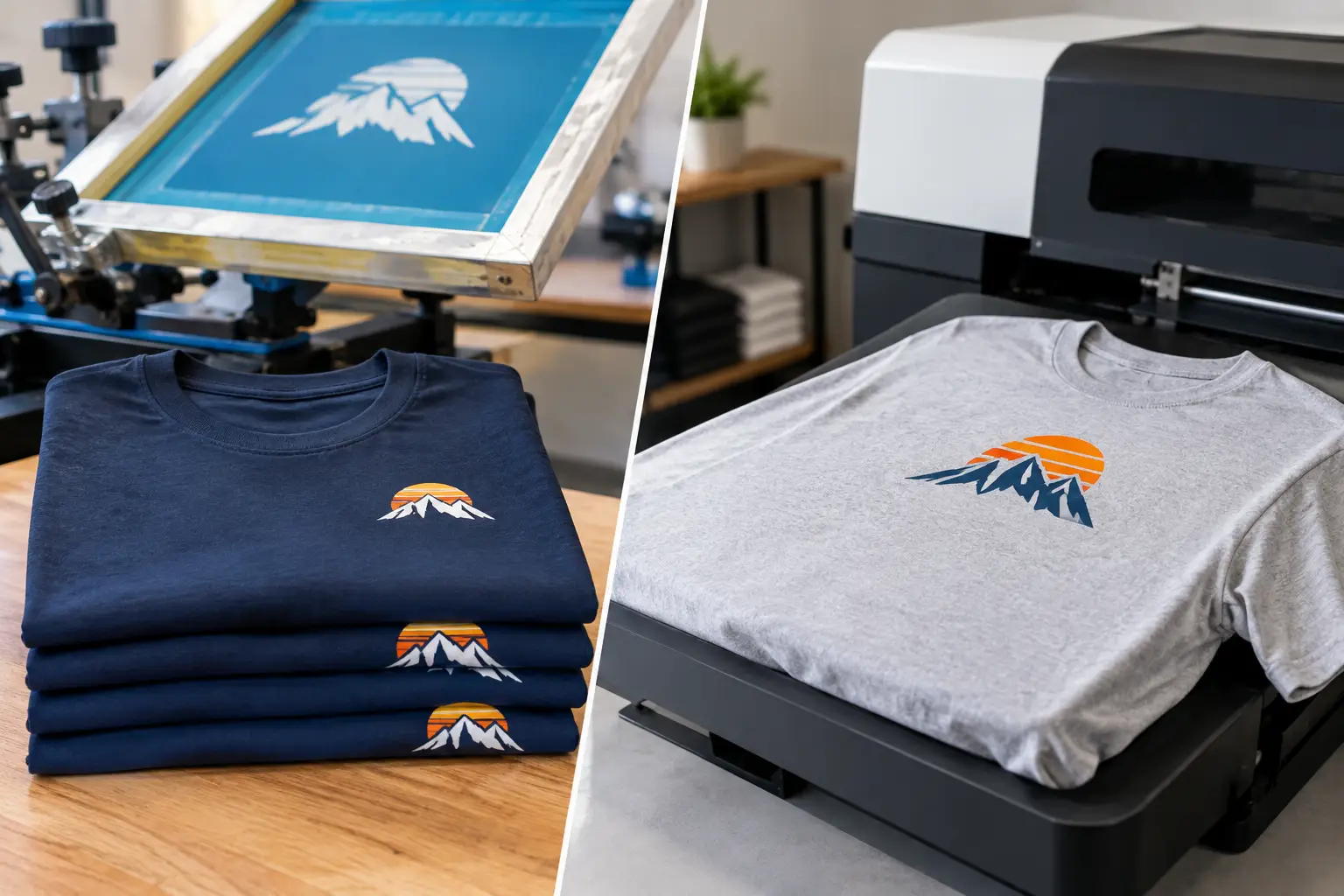
Embroidery and screen printing both create professional branded apparel, but they are suited to different applications. Embroidery is a strong choice for polos, outerwear, hats, bags, and corporate apparel because it delivers a dimensional, durable finish. Screen printing is often ideal for larger artwork, event tees, team shirts, and designs with broad areas of color.
The garment fabric affects the decision. A heavy fleece sweatshirt can support a larger embroidered design, while a lightweight performance shirt may look better with a carefully scaled logo or screen print. Your decorator should help identify the option that balances appearance, durability, and budget before the order moves into production.
Build an Accurate Size and Quantity Plan
Sizing is one of the most common points of friction in any employee uniform ordering process. Ordering only by broad estimates can leave employees without the sizes they need and force costly small reorders later.
Whenever possible, collect individual sizes directly from employees using the manufacturer’s size chart for the exact garment being ordered. A medium in one brand or style may not fit like a medium in another. For new programs, consider ordering samples or using fit sets for high-volume teams. That additional step can prevent a much larger issue after decorated goods arrive.
For quantities, separate immediate needs from expected turnover. If you hire regularly, keep a small reserve of popular sizes on hand or build a reorder plan around them. Extra small, large, and extended sizes may be less predictable depending on your team, so review past purchasing patterns instead of relying on generic assumptions.
Avoid changing styles mid-order unless there is a genuine availability issue. Substituting a similar-looking polo can introduce differences in shade, fabric, fit, and logo appearance. If a replacement is necessary, review it carefully and document the change for future orders.
Use a Proof Approval Step That Protects Your Brand
Digital proofing is where the order becomes real. Review the proof as if you were seeing the finished uniform from across a room, not just as a file on a screen. Confirm the logo version, thread or ink colors, placement, garment color, decoration size, and spelling of any personalization.
Give one person or a small approved group the authority to provide final approval. When too many people can make changes, feedback becomes slow and contradictory. A clear approval owner keeps the project moving and creates accountability.
Do not rush this stage to meet a deadline. Production can move quickly after artwork approval, but changes requested after approval may require new proofs, revised production planning, or additional costs. A few focused minutes spent checking the details protects the investment in every garment.
Create a Reorder System Before You Need One
The first order is only the beginning for most businesses. New hires, seasonal staffing, promotions, and garment wear all create future demand. The easiest uniform programs are designed for repeat ordering from the start.
Record the approved garment styles, colors, logo placements, decoration specifications, and pricing structure. Keep a simple internal list of who receives which items and when. For larger organizations, a company apparel store can provide an efficient way for employees, managers, or locations to order from a preapproved selection without reopening every product and logo decision.
Consistency is where a full-service production partner makes a difference. At LOGO USA, in-house embroidery, digitizing, screen printing, graphic support, and digital proofing help keep branded apparel programs organized from initial setup through recurring orders. Domestic production also gives business buyers greater visibility and accountability when timing matters.
Plan Around Real Deadlines
Uniform orders are often tied to a new location opening, a busy season, a trade show, an onboarding date, or a company event. Build in time for product selection, artwork preparation, proof review, and production. A fast turnaround is valuable, but it should not replace thoughtful planning.
If your deadline is fixed, communicate it at the beginning of the order. This allows the production team to recommend available products and decoration approaches that fit the schedule. Keep in mind that inventory availability, complex artwork, and large quantity orders can affect timing. Standard production may be fast after art approval, but early planning gives you more options and fewer compromises.
Make the Process Easier for Employees and Managers
A uniform program succeeds when employees are willing to wear the apparel and managers can administer it without chasing details. Offer a selection that feels professional while giving employees appropriate options for their role, climate, and comfort. For example, a polo and quarter-zip combination gives office and field teams flexibility without weakening brand consistency.
Set straightforward rules around issue quantities, replacement requests, personalization, and return procedures. Employees should know whether uniforms are supplied, reimbursed, or purchased through an approved store. Managers should know who can approve exceptions. Clear policies reduce confusion and prevent the uniform program from becoming an administrative burden.
A polished uniform does more than place a logo on a shirt. It helps employees show up prepared, helps customers recognize your team, and gives your brand a consistent presence wherever work happens. Build the process carefully once, and every reorder becomes easier to manage.
Popular Blogs
What File Formats Does Embroidery Accept?
October 12, 2026