Embroidered Uniforms That Work as Hard as Your Team
- September 28, 2026
- 2:44 am

A uniform is often the first thing a customer notices before a conversation begins. Clean, consistent embroidered uniforms tell people your team is prepared, established, and proud to represent the business. Whether you are outfitting a front office, field crew, hospitality staff, or event team, the right apparel turns a logo into a professional presence people can recognize.
Embroidery is especially well suited to workwear because it delivers a dimensional, durable finish that holds up through regular wear. The strongest results, however, come from making smart decisions before production begins: choosing apparel that fits the job, preparing artwork for stitching, and selecting logo placement that looks intentional on every size.
Why Embroidered Uniforms Make a Stronger Impression
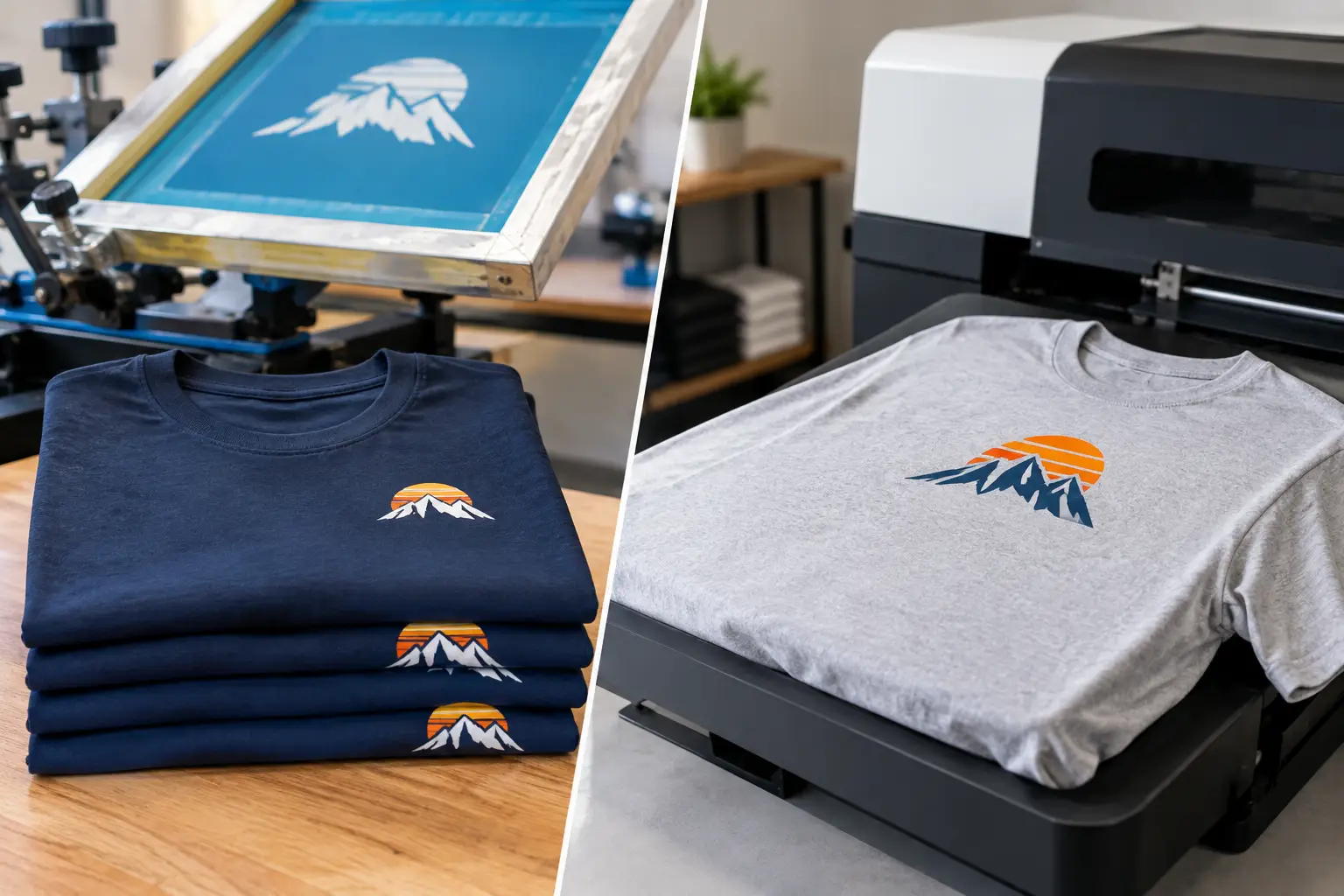
Screen printing has its place, particularly for large artwork or high-volume event shirts. But embroidery brings texture and permanence that many businesses want for employee-facing apparel. It is a natural fit for polos, quarter-zips, jackets, button-downs, caps, and bags because the stitched design looks refined without feeling overly promotional.
For customer-facing roles, that distinction matters. A crisp left-chest logo on a quality polo can make a sales associate, technician, property manager, or restaurant employee immediately easier to identify. For employees, coordinated apparel can build a clearer sense of belonging without requiring everyone to wear the exact same garment.
Durability is another practical advantage. A properly digitized and embroidered logo is designed to stay sharp through repeated washing and daily use. That makes embroidered apparel a dependable choice for teams that need uniforms to perform over time, not just look good for a single event.
Start With the Work, Not the Logo
The best uniform program begins with the employee’s environment. A premium polo may be right for a showroom or office, while a construction crew may need heavyweight work shirts, high-visibility layers, and outerwear built for the elements. Starting with the job helps you choose garments employees will actually want to wear.
Think about temperature, mobility, wash frequency, and the degree of customer contact. Healthcare and hospitality teams may prioritize easy-care fabrics and comfortable fits. Delivery, warehouse, and field-service teams often need performance fabrics, layering options, and durable construction. For executive travel or client meetings, elevated brands and polished outerwear can reinforce a higher-end image.
Consistency does not mean every person must wear the same item. A coordinated collection often works better. For example, your team may share the same thread colors and logo placement across polos, button-downs, fleece jackets, and caps. Employees get options appropriate to their roles, while the brand stays unified.
Build a practical uniform assortment
For many organizations, a core assortment includes a daily polo or work shirt, a layer for cooler conditions, and a headwear option. Add safetywear, outerwear, or bags when the work calls for it. This approach also makes future reorders easier because approved items, decoration locations, and thread colors are already established.
It is worth considering garment lifecycle, too. A lower-priced item may work for a short-term event, but a durable, recognizable brand can offer better value for an employee uniform program. The right choice depends on how frequently the item will be worn and what it needs to communicate about your business.
Match the Logo to the Embroidery Process
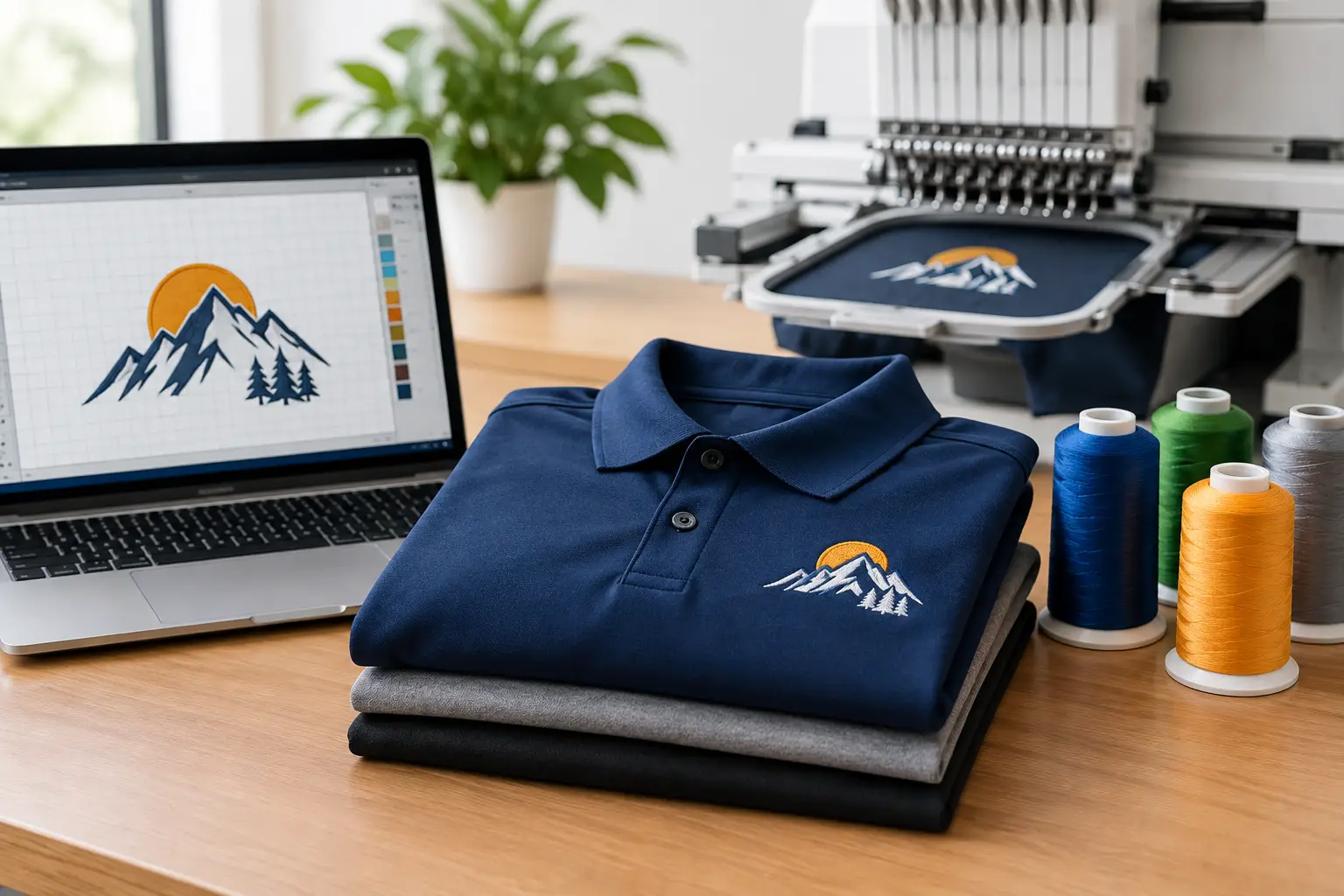
A logo file is not automatically ready to stitch. Before embroidery begins, artwork is digitized into a file that directs the embroidery machine on stitch type, direction, density, and sequence. This is a technical step with a visible impact on the final result.
Fine details, extremely small lettering, gradients, and very thin lines may need to be adjusted for embroidery. That is not a compromise in quality. It is how an experienced production team preserves legibility and balance in thread. A design that looks excellent on a business card may need a simplified treatment to look equally strong at left-chest size.
A digital proof gives you the opportunity to review placement, scale, and decoration details before production. Take that review seriously, especially for first-time orders. Confirm the logo version, thread colors, spelling, and placement location. If different departments or brands require distinct logos, establish clear naming conventions so the right artwork is applied to the right garments every time.
Choose placement with purpose
Left chest embroidery remains the standard for polos, button-downs, quarter-zips, and jackets because it is visible, professional, and versatile. Hats often use front-center embroidery, while outerwear can support a left-chest logo plus a sleeve detail when the design and budget allow.
More decoration is not always better. A large back design can be useful for field crews or promotional apparel, but a simple chest logo often feels more polished for office, hospitality, and client-facing teams. Consider viewing distance, garment use, and the amount of visual information your customers need to see.
Select Colors That Stay Consistent
Thread color is a small production detail with a major effect on brand consistency. Your logo should be easy to recognize on every garment color you offer, from light gray polos to black outerwear. A logo that disappears into a dark fabric or becomes difficult to read on a busy heather can weaken the professional appearance you are working to create.
For maximum flexibility, many businesses approve a primary logo for light garments and a reverse or simplified version for dark garments. That gives your uniform program room to grow without forcing the same shirt color year-round. If your brand uses specialty colors, review thread options early so the closest match is selected and documented for reorders.
Contrast also matters in the smallest elements. White or light thread can look sharp on dark garments, while darker thread may be more appropriate for lighter apparel. Highly reflective thread or tonal embroidery can create a premium look, but those choices work best when subtlety is part of the brand strategy rather than an afterthought.
Plan for Sizing, Reorders, and Real Operations
A uniform program should make life easier for the person responsible for ordering it. That means looking beyond the first order. Employees join, roles change, seasons shift, and replacement garments will be needed. Choosing dependable styles from established apparel brands helps reduce the risk of having to redesign the program when a garment is discontinued.
Collecting accurate sizes before ordering is essential. Ask employees to consult garment-specific size charts rather than relying only on their usual retail size. Cuts can vary across brands and styles, particularly between performance polos, unisex workwear, and women’s-specific options. When possible, offer samples or fit alternatives for a more comfortable result.
For growing organizations, it helps to keep approved apparel, decoration details, and logo files organized in one place. A company apparel store or managed ordering process can give employees controlled access to approved pieces while helping administrators maintain brand standards. It can also simplify recurring orders across multiple locations or departments.
Work With a Production Partner That Controls the Details
Uniform quality depends on more than the garment and the logo. It depends on accurate digitizing, knowledgeable operators, dependable quality checks, and clear communication from proof approval through delivery. Businesses need a supplier that can support a small first order with the same attention as a multi-location apparel program.
At LOGO USA, embroidery and production are handled from a US-based facility, giving customers greater visibility and control throughout the decoration process. After art approval, most orders move through production in 7-10 business days. That balance of craftsmanship and dependable turnaround helps businesses keep teams outfitted without unnecessary guesswork.
A strong supplier will also help you recognize trade-offs before they become problems. A complex logo may require simplification at small sizes. A certain jacket fabric may need backing to support clean stitches. A premium garment can elevate the look, while a value-focused option may be better for large seasonal teams. Clear guidance makes those decisions easier.
Give Your Team Apparel They Will Wear With Pride
The most effective uniform is not simply a shirt with a logo on it. It is a well-chosen piece of apparel that fits the work, represents the brand accurately, and arrives ready to perform. When those elements come together, employees look more confident, customers know who they are dealing with, and your brand earns visibility with every shift.
Start with the garments your team needs most, approve the details that protect consistency, and build from there. A polished uniform program can grow one dependable embroidered piece at a time.
Popular Blogs
What File Formats Does Embroidery Accept?
October 12, 2026