Custom Safety Vests Branding That Works
- April 17, 2026
- 3:45 am
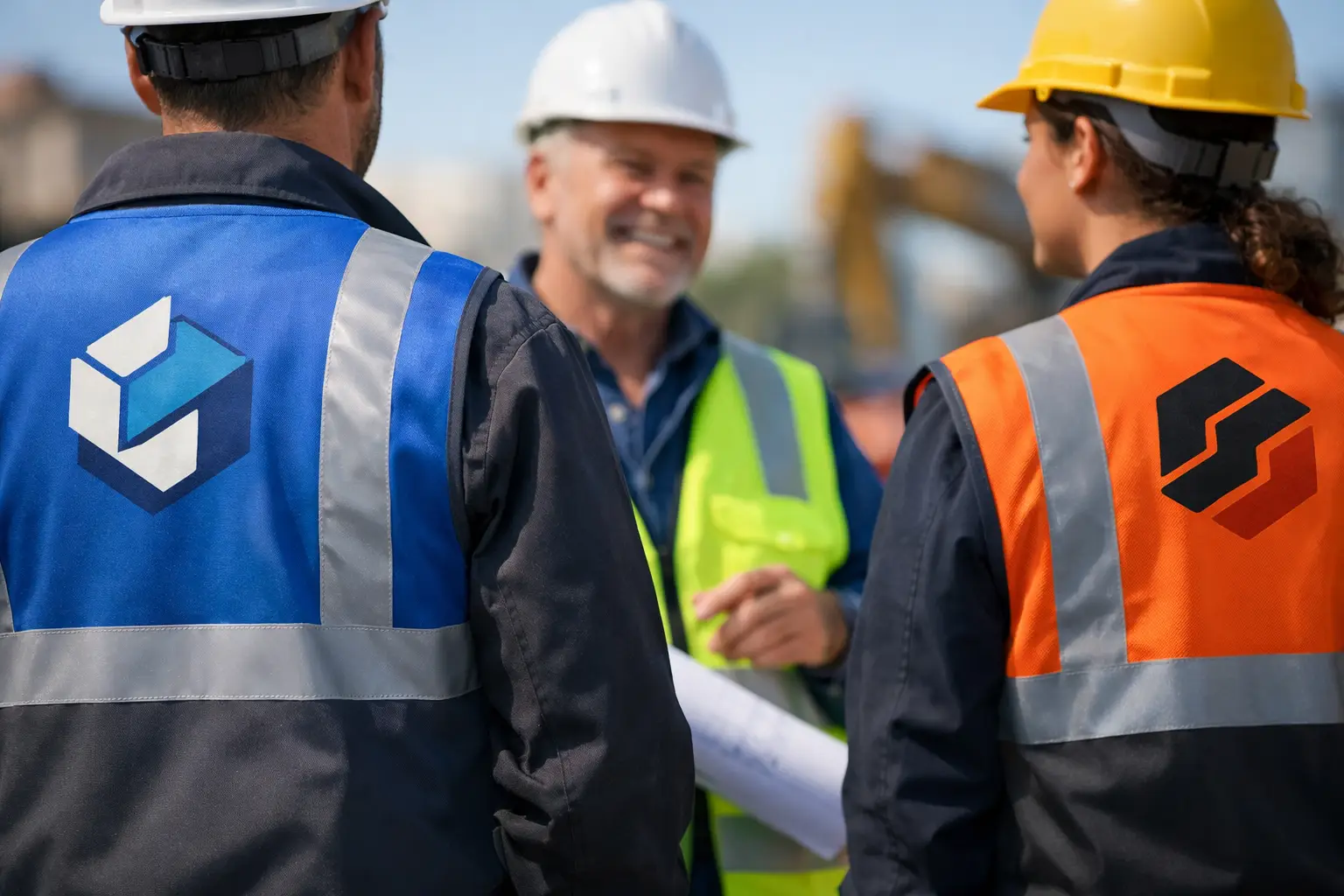
A safety vest has one job on the jobsite – keep people visible. But for many businesses, it has another job too: represent the company clearly and professionally. That is where custom safety vests branding matters. The right vest does more than carry a logo. It helps crews look organized, supports site compliance, and makes your brand easy to recognize in busy environments.
For operations teams, facilities managers, contractors, municipalities, and event staff, branded safetywear is not a small detail. It is part of how your team shows up. A clean logo on a high-visibility vest signals accountability. It tells customers, visitors, and supervisors who is on your team and who to approach. It can also reduce confusion in crowded spaces where multiple vendors or subcontractors are working side by side.
Why custom safety vests branding matters
When companies order branded polos or jackets, the value is easy to see. Safety vests deserve the same attention, especially for teams working outdoors, in warehouses, on roadsides, or around heavy equipment. In those environments, high visibility comes first, but branding still plays a practical role.
A well-branded vest makes identification faster. That matters for supervisors managing crews, event coordinators directing staff, and customers trying to find the right person for help. It also reinforces a professional standard across the team. When everyone is wearing consistent safetywear with the same logo placement and decoration method, the result feels intentional rather than improvised.
There is also a brand perception factor. If your company invests in durable, properly decorated workwear, it reflects well on the business. Cheap-looking decoration, inconsistent logo sizes, or peeling prints can send the opposite message. For customer-facing crews, that difference is noticeable.
What to consider before you brand safety vests
Not every vest is built the same, and not every logo application works equally well on safetywear. Before placing an order, it helps to think through the work environment, wear frequency, and how much visibility the garment needs to maintain.
Start with the vest class and style. Some teams need basic high-visibility mesh vests for events or visitor use. Others need heavier-duty options with pockets, zippers, reflective striping, and ANSI-compliant construction for daily fieldwork. The right product depends on the setting. A lightweight promotional vest may be fine for parking staff or volunteers, but it will not hold up like a work-ready option for construction or utility crews.
Logo placement is the next decision. The left chest is common because it creates a clean, professional look without overwhelming the garment. A full back logo is often useful when fast identification from a distance matters. In some cases, combining both works best. The trade-off is that more decoration can increase cost and may affect turnaround depending on the artwork and print method.
Color also matters, even though safetywear is not a wide-open branding canvas. Most vests come in fluorescent yellow-green or orange, and your logo needs to remain readable against those backgrounds. Fine lines, small text, and low-contrast colors can disappear quickly on bright safety fabric. Simpler artwork usually performs better.
Choosing the right decoration method
With custom safety vests branding, decoration is not one-size-fits-all. The best method depends on the vest material, logo complexity, and how the garment will be used.
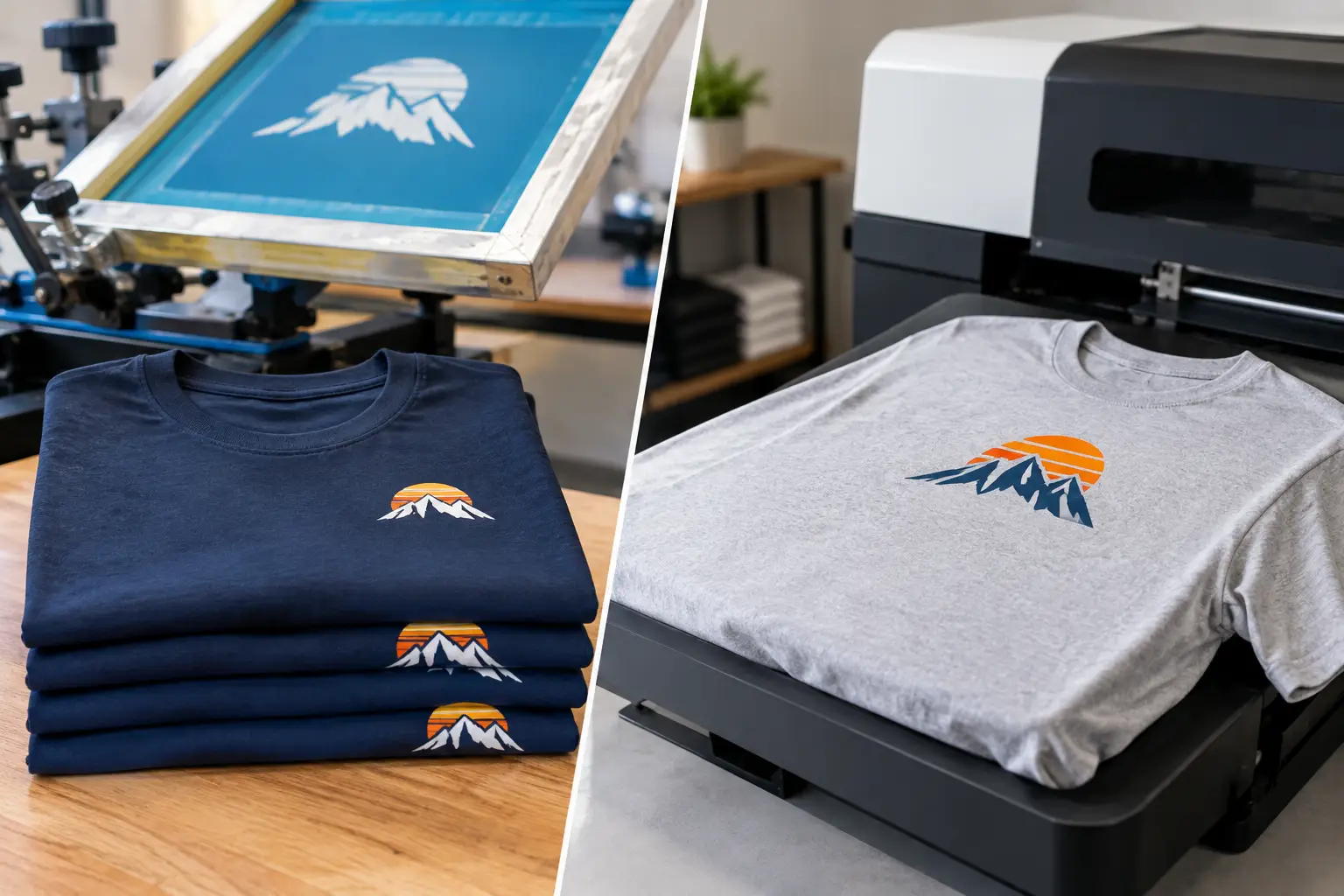
Screen printing is often a strong choice for bold logos, larger runs, and back prints. It creates good visibility and keeps artwork clean when the design is simple. For teams ordering uniforms in volume, it is often a cost-effective solution. It is especially useful for larger graphics where embroidery may feel too heavy or visually busy.
Embroidery delivers a premium, polished finish, especially on the left chest. It is ideal when you want a more elevated look and the vest material can support stitching cleanly. That said, embroidery is not the best fit for every safety vest. Lightweight mesh can pucker, and some reflective layouts may limit where stitching can go. This is one of those areas where product selection and decoration planning should happen together.
Heat-applied decoration can also be a practical option for certain logos and fabrics, particularly when maintaining flexibility or avoiding stitch-through areas is important. The key is using a method suited to the garment rather than forcing the garment to fit the artwork.
An experienced production partner will flag issues before they become expensive mistakes. That includes checking logo size, recommending placement around reflective tape and seams, and providing proofing so you know what to expect before production starts.
Custom safety vests branding for different teams
The best branding approach changes based on who is wearing the vest and how the vest is used. A general contractor, school district, warehouse operator, and event company may all need branded safety vests, but they are not solving the same problem.
For construction and field crews, durability usually leads the conversation. Vests need to handle repeated wear, exposure to weather, and active movement. Branding should be easy to identify but not interfere with function. In these settings, practical logo placement and dependable decoration matter more than oversized graphics.
For warehouses and logistics teams, role identification can be just as important as company branding. Some organizations use different vest colors or custom prints to distinguish supervisors, visitors, forklift operators, and safety staff. In that case, branding becomes part of operational organization, not just company image.
For events, campuses, and public-facing staff, clean presentation tends to matter more. Visitors need to quickly recognize team members, and a sharp branded vest helps staff look prepared and approachable. These programs may prioritize lighter-weight styles and simple front-and-back logos for visibility.
For municipalities, utilities, and enterprise programs, consistency across locations often becomes the real challenge. Standardized artwork, approved vest styles, and repeatable decoration specs make reorders easier and protect the brand over time.
Getting the logo right the first time
Most problems with branded safetywear start before production. The logo may be too detailed, the file may not be production-ready, or the selected vest may not support the intended placement. That is why art review and proofing are so important.
A strong logo for safetywear is usually straightforward. Clear shapes, readable text, and high contrast tend to work best. If your standard corporate logo includes small taglines or intricate gradients, it may need a simplified version for vest decoration. That is not compromising the brand. It is adapting the brand to the garment so it performs better in real use.
Sizing matters too. A chest logo that looks balanced on a polo may appear too small on a large utility vest. A back print that seems generous on screen may get interrupted by seams, pockets, or reflective striping in production. Proofing helps eliminate guesswork.
This is also where in-house production can make a difference. When decoration, digitizing, and proofing happen under one roof, there is better control over execution. It is easier to maintain quality, catch issues early, and keep reorders consistent.
Ordering for today and planning for reorders
Many buyers first come to safetywear with an immediate need. A new crew is starting, an event is approaching, or a jobsite requires updated uniforms. That first order matters, but so does what happens next.
If your team will need ongoing reorders, think beyond the initial quantity. Choose a vest style that will be available consistently. Standardize logo placement. Keep decoration specs documented. That makes future orders faster and avoids the common problem of mismatched vests over time.
It also helps to work with a supplier that can support both smaller department orders and larger recurring programs. Some businesses only need a dozen branded safety vests now. Others need a repeatable process for multiple branches, job titles, or distribution points. The right partner should be able to do both without making the process complicated.
For companies that already manage branded polos, jackets, or uniforms, safety vests should be treated as part of the same branding system. The look does not need to be identical across every item, but it should feel connected. That consistency builds a stronger presentation across the full employee wardrobe.
LOGO USA works with businesses that need that balance – dependable product options, polished decoration, and production handled with care in the USA. For buyers responsible for brand consistency and operational efficiency, that matters just as much as the vest itself.
When cheaper is not actually cheaper
Safety vests are often viewed as commodity items, so it is tempting to choose the lowest-priced option and move on. Sometimes that is fine, especially for short-term use. But for daily wear programs, the lowest upfront cost can create more replacement orders, more inconsistent branding, and more frustration for the team.
If the fabric tears easily, the fit is poor, or the decoration fails early, you are not saving money. You are buying the same item twice. Better products and better decoration methods usually pay off when the vest is part of regular operations.
The smartest approach is to match the vest to the use case. Buy basic when basic is enough. Invest more when the garment needs to perform every day. That is how custom safety vests branding stays practical, not overbuilt.
A branded safety vest should help your team be seen for the right reasons – visible, organized, and ready to work.
Popular Blogs
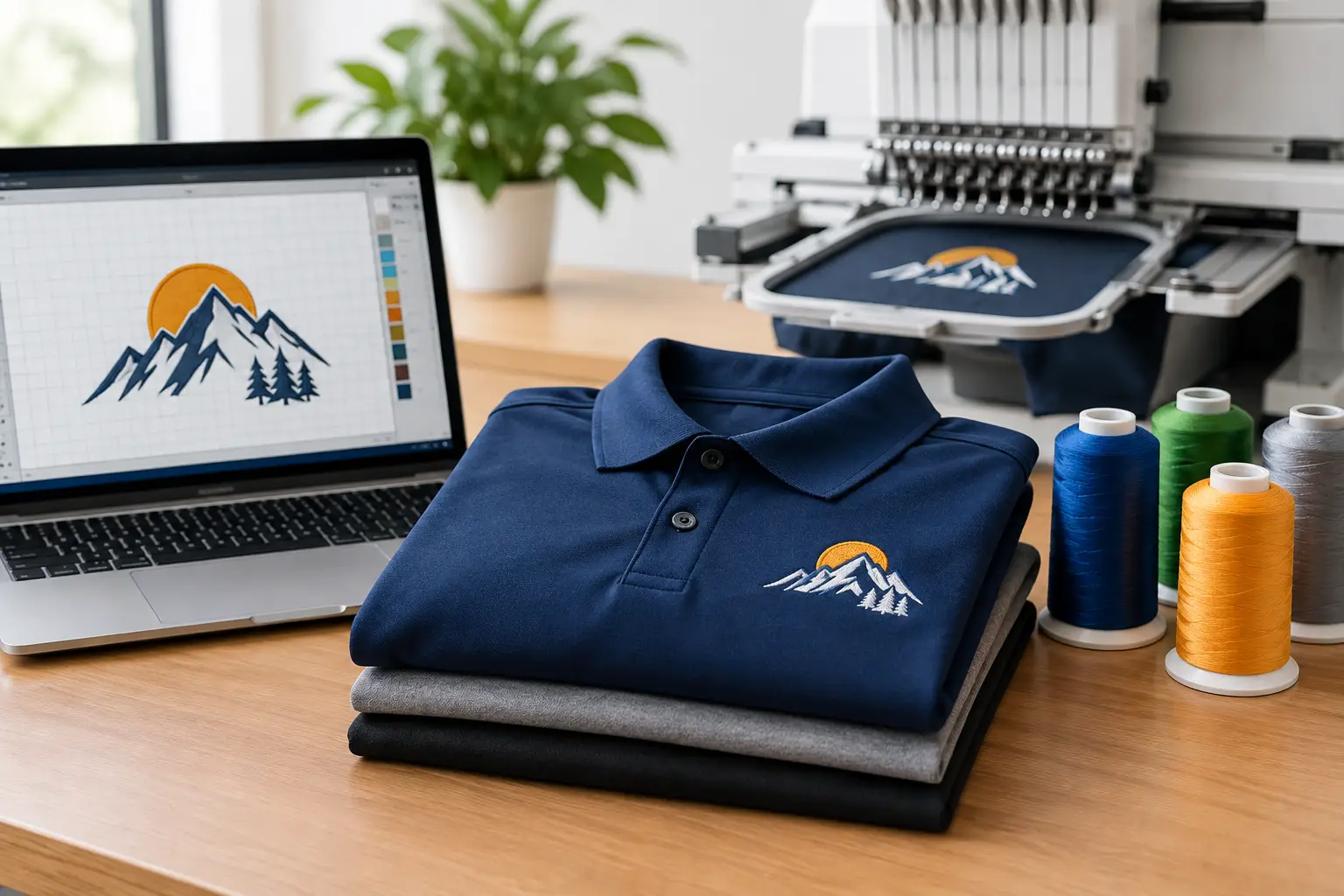
What File Formats Does Embroidery Accept?
October 12, 2026