Custom Branded Team Apparel That Works
- July 10, 2026
- 3:12 am
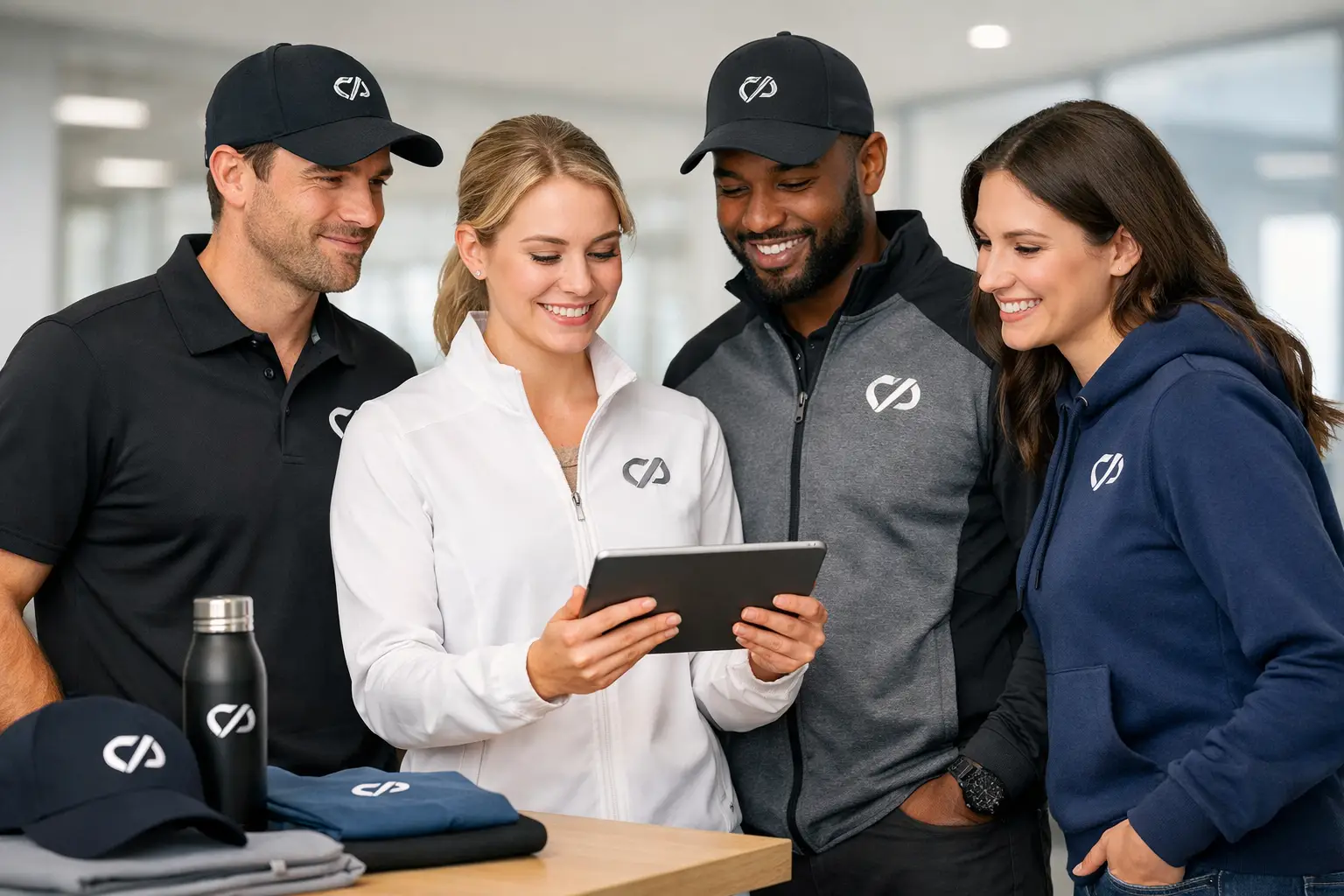
When a team shows up in mismatched shirts, faded logos, or low-quality prints, people notice. Customers notice it at the front counter, prospects notice it at trade shows, and employees notice it when the company asks them to represent the brand without giving them something they feel good wearing. Custom branded team apparel solves that problem fast, but the right result depends on more than adding a logo to a shirt.
For business buyers, apparel is not just a giveaway or dress code item. It is part of how a company presents itself, supports its people, and creates consistency across locations, departments, and events. The best programs balance appearance, durability, comfort, and ordering simplicity so teams can wear branded gear with confidence instead of treating it like a box to check.
Why custom branded team apparel matters
A polished branded garment does two jobs at once. It helps employees look professional, and it reinforces your brand in real-world settings where first impressions happen quickly. Whether your team is meeting clients, stocking shelves, working a job site, staffing an event, or attending a recruiting fair, apparel becomes part of the customer experience.
That matters because branded clothing is one of the few marketing assets people actually wear into daily operations. A well-embroidered polo, a durable outerwear piece, or a clean company tee can improve visibility without feeling forced. It also helps employees feel like part of a team, especially when new hires, field staff, office personnel, and managers all have access to apparel that fits their role.
There is also a practical side. Standardized apparel simplifies identification for customers, helps multi-location teams stay on-brand, and reduces the inconsistency that happens when each department orders separately. Over time, that consistency becomes part of your brand reputation.
What separates good custom branded team apparel from forgettable apparel
Not all decorated apparel performs the same way. The difference usually comes down to product selection, decoration method, artwork quality, and production control.
Start with the garment itself. Premium brands and dependable construction matter because the apparel has to hold its shape, color, and comfort after repeated wear and washing. A bargain shirt may look acceptable on day one, but if it shrinks, twists, or pills after a few cycles, the logo does not save it. For employee-facing apparel, that kind of downgrade is noticeable.
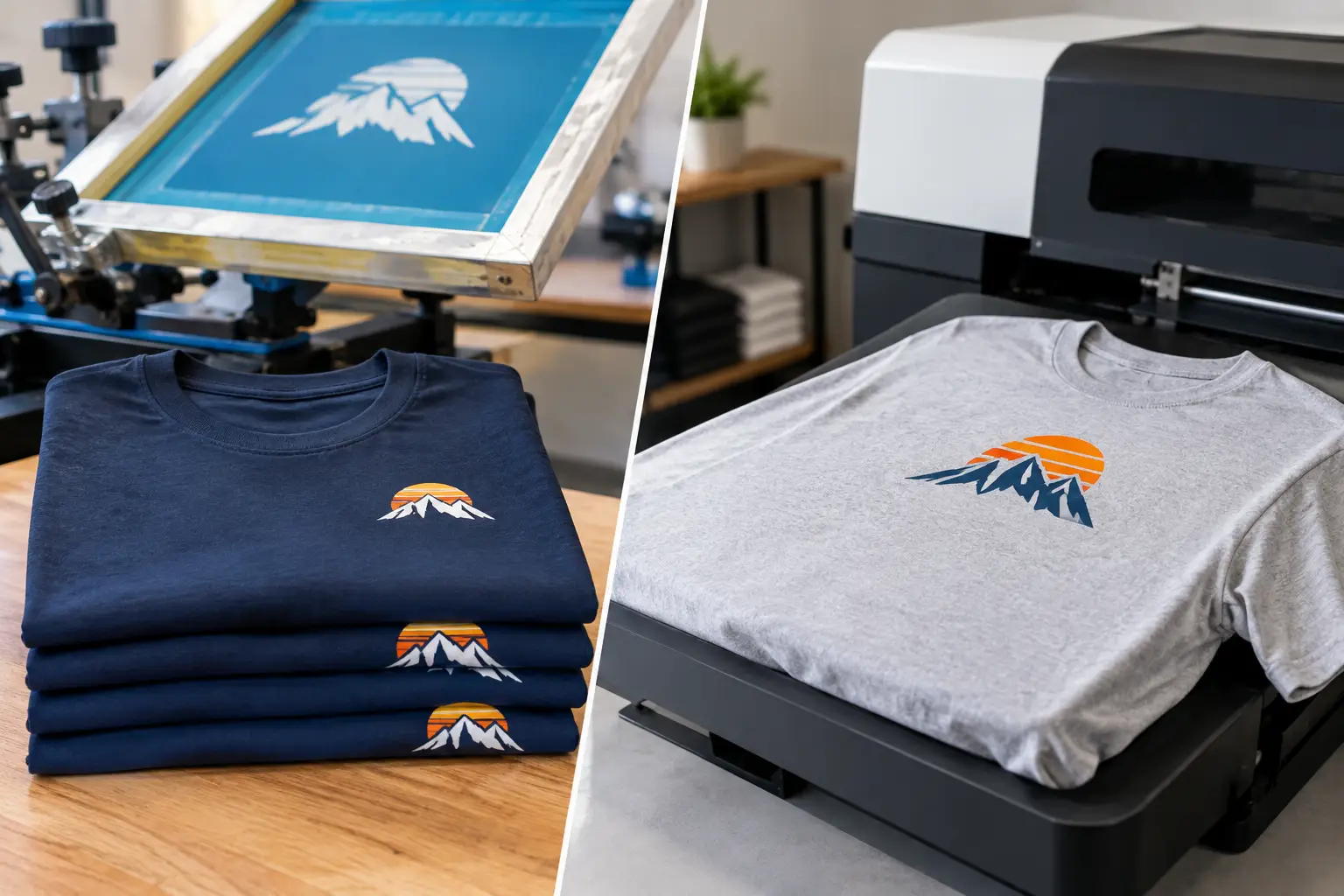
Decoration method matters just as much. Embroidery often makes the most sense for polos, caps, jackets, workwear, and uniforms because it creates a polished, durable finish with dimension. Screen printing is often the better choice for large graphics, event tees, and higher-quantity casual apparel. Neither is automatically better in every case. It depends on the garment, the logo, the intended use, and the budget.
Artwork preparation is another factor buyers sometimes underestimate. Clean digitizing for embroidery and accurate setup for printing affect the sharpness of the logo, the stitch quality, and the final placement. If the art process is rushed or handled inconsistently, the finished apparel will show it.
Then there is production. In-house decoration gives buyers more control, clearer accountability, and better consistency from proof to finished order. When quality checks happen close to production, problems are easier to catch before the order leaves the facility.
Choosing the right apparel for your team
The right apparel program starts with role, environment, and frequency of wear. A front-office team has different needs than warehouse staff, a field crew, or an event team. The best results come from matching the product to the job rather than forcing one garment across every use case.
Polos remain a strong choice for many businesses because they look professional without feeling overly formal. They work well for sales teams, office staff, hospitality environments, and trade show use. Caps are practical for crews, outdoor teams, and promotional visibility. Sweatshirts and outerwear are smart additions for companies with employees in transit, on job sites, or working in colder conditions. Workwear and safetywear need to prioritize function first, with decoration handled in a way that supports durability and compliance.
T-shirts can work extremely well for company events, onboarding kits, casual uniforms, and promotional campaigns, but fabric weight and fit still matter. A cheap tee may hit a price point, yet it often underperforms if you expect employees to wear it regularly. For higher-visibility use, stepping up in fabric quality can make a real difference in comfort and retention.
Brand alignment matters too. Recognized names like Carhartt, The North Face, OGIO, Port Authority, Richardson, and TravisMathew carry different expectations and price points. For some organizations, that brand equity supports recruiting, retention, or executive gifting. For others, durability and consistency across large teams matter more than label recognition. The best answer depends on the purpose of the program.
Building a custom branded team apparel program that lasts
One-off orders can work for a single event or department rollout, but many organizations benefit from a more structured approach. When apparel ordering becomes recurring, the goal shifts from simply placing an order to building a repeatable system.
That usually starts with standardizing logos, placements, approved garments, and color options. Once those basics are set, reordering gets easier and the brand stays more consistent. This matters for growing companies, multi-location businesses, and any team where different managers may be placing orders throughout the year.
Sizing is another area where planning helps. If apparel is for everyday wear, employees are more likely to use it when the fit is right and the garment feels appropriate for their role. Offering a thoughtful range of styles, sizes, and layers often produces better adoption than choosing a single generic piece for everyone.
For larger organizations, company apparel stores or managed programs can reduce internal back-and-forth. Instead of rebuilding the order each time, approved users can access preselected products with the correct logo treatment already in place. That saves time and protects brand standards.
What to expect from a reliable production partner
Business buyers need more than a catalog. They need a partner that can guide product selection, review artwork, provide digital proofs, explain decoration options, and deliver on schedule. Reliability shows up in the details.
Clear proofing is one of those details. Before production begins, buyers should know what logo version is being used, where it will be placed, and how it will appear on the selected garment. That step reduces surprises and makes approvals easier across teams.
Turnaround time also matters, especially for events, new hire onboarding, seasonal demand, and company-wide rollouts. Fast production is valuable, but only when it is backed by quality control. Speed without accountability creates costly mistakes. A dependable partner should be able to move efficiently after art approval while maintaining a consistent finish.
Responsiveness is just as important for reorders and program growth. Once a logo has been set up and prior orders are on file, repeat purchasing should feel straightforward. Buyers should not have to restart the process every time they need more polos, caps, or outerwear.
This is where experienced, USA-based production can make a measurable difference. With decoration, proofing, and production handled under one roof, communication tends to be tighter and quality standards easier to maintain. For many business customers, that operational control is worth as much as the apparel itself.
Custom branded team apparel and the real cost question
Price matters, but lowest cost and best value are rarely the same thing. A cheaper garment with poor fit, weak decoration, or inconsistent color often creates hidden costs through replacements, employee dissatisfaction, and a less professional appearance.
A better way to evaluate spend is to look at cost per wear and cost per impression. If a durable embroidered polo lasts through repeated use and helps staff look polished every day, it may deliver stronger value than a lower-priced item that gets pushed to the back of the closet after two washes.
The same logic applies to decoration. Clean embroidery, accurate screen printing, and consistent placement protect the appearance of your logo. If the branding looks sloppy, the apparel reflects poorly on the business, no matter how little it cost upfront.
For buyers balancing budget and quality, the smart move is to prioritize according to use. Put the most durable, polished products where visibility and wear frequency are highest. Use more flexible price points for limited-run events or one-time promotions. That kind of mix often delivers better overall results than applying one standard to every order.
Getting better results from your next order
The simplest way to improve your next apparel order is to start with a clear purpose. Decide whether the apparel is for daily uniforms, team identity, event visibility, client-facing professionalism, or promotional distribution. That purpose should shape the garment, the decoration method, and the quality level.
From there, choose products your team will actually want to wear. Approve artwork carefully. Confirm sizing strategy before production. And work with a supplier that can manage the details without turning a straightforward order into a project.
At LOGO USA, that means combining product selection, artwork support, digital proofing, in-house embroidery and screen printing, and dependable turnaround into one process built for business buyers. When the apparel is right, your team looks more unified, your brand looks stronger, and ordering gets easier with every repeat run.
Good team apparel should do more than display a logo. It should make your people feel ready to represent the company wherever they show up next.
Popular Blogs
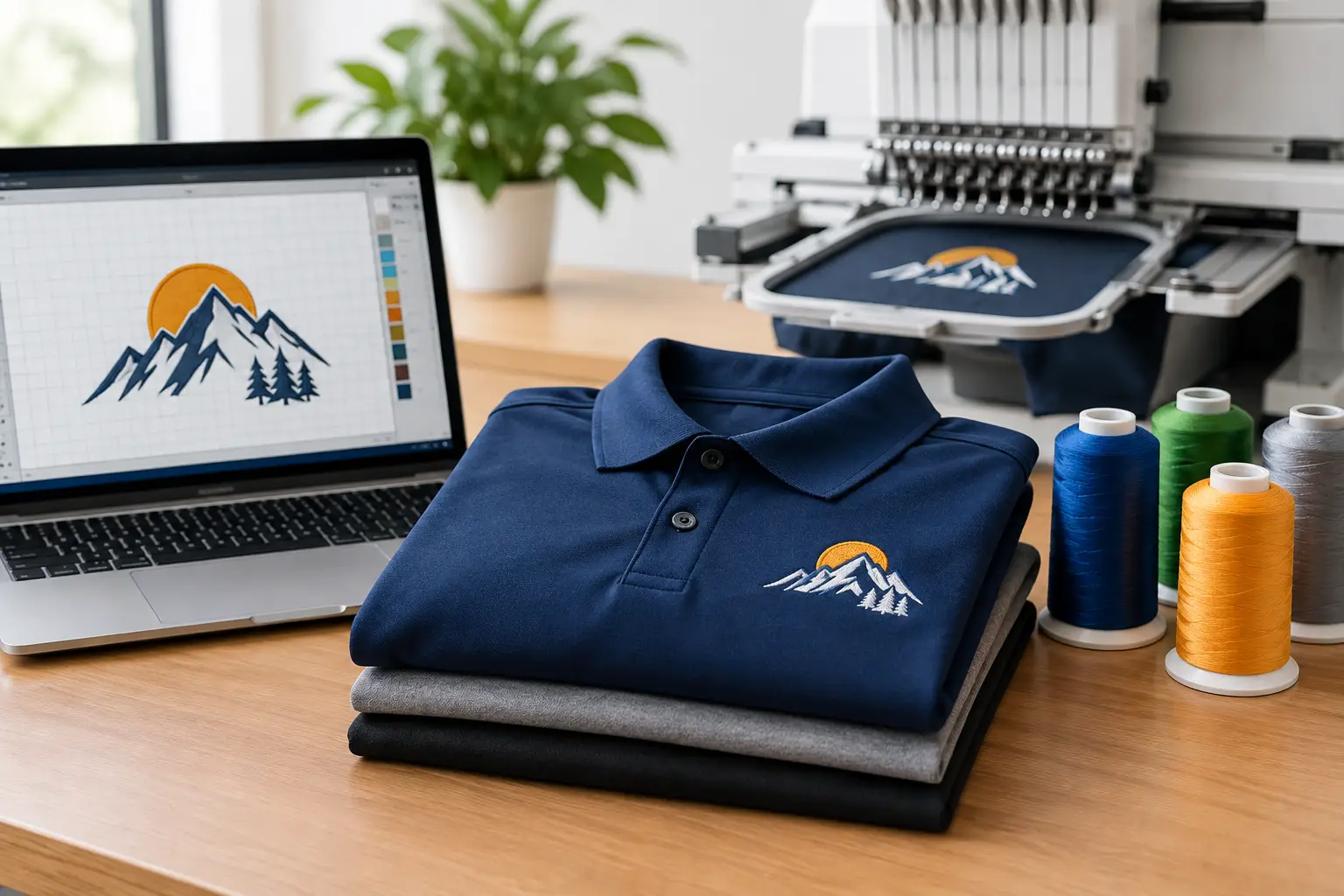
What File Formats Does Embroidery Accept?
October 12, 2026