Corporate Merch Store Trends That Drive Adoption
- July 24, 2026
- 5:00 am
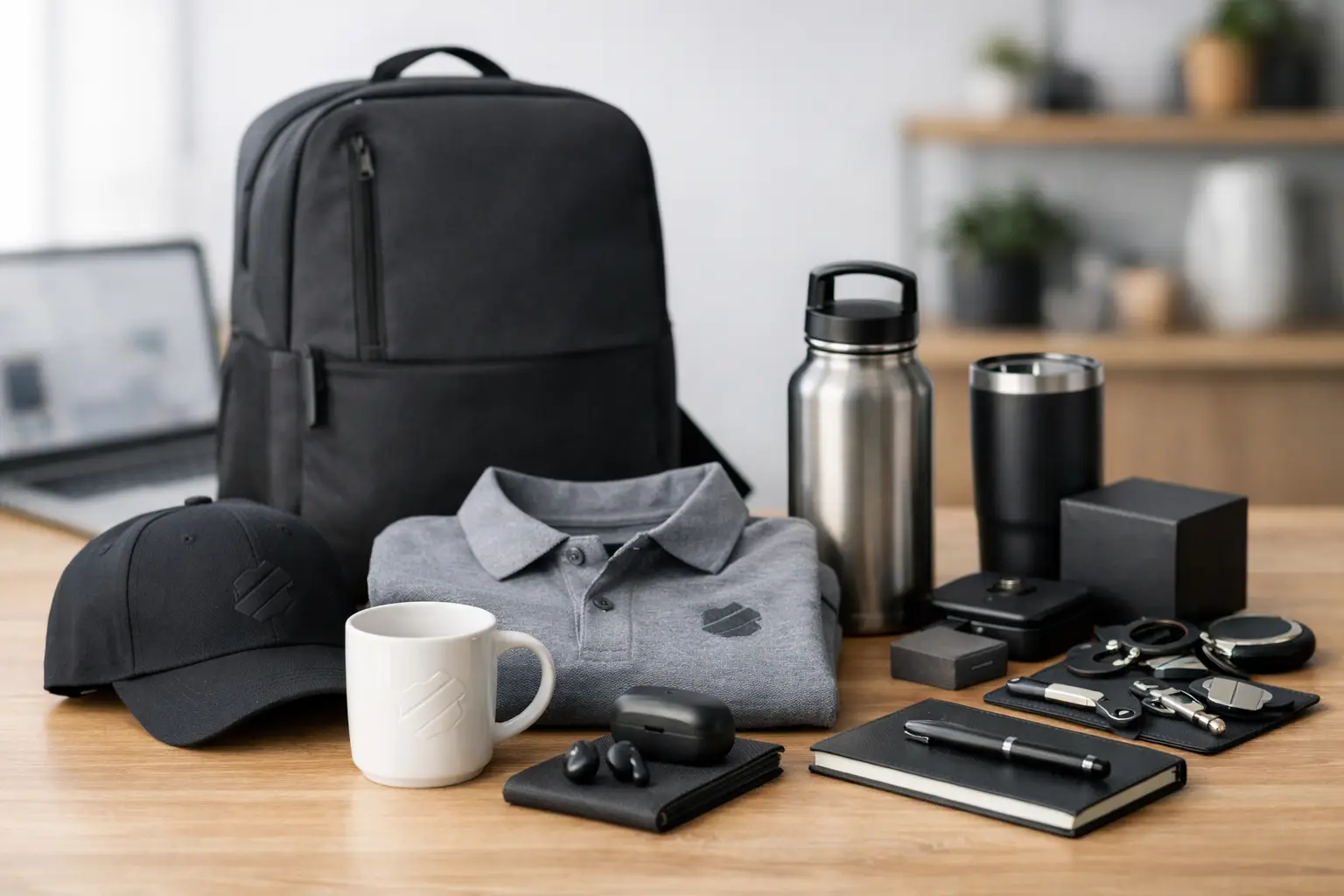
A company apparel store used to be little more than a page of logoed shirts and a checkout button. That model no longer meets the needs of growing organizations. The most meaningful corporate merch store trends are focused on making branded apparel easier to manage, more useful to employees, and more consistent with the company’s standards.
For HR, operations, marketing, and procurement teams, the goal is not simply to offer more products. It is to create a dependable ordering program that keeps employees looking professional without creating an ongoing administrative burden. The strongest stores balance choice with control, using quality apparel, approved decoration, clear purchasing rules, and a production partner that can deliver accurately.
Corporate Merch Store Trends Shaping Better Programs
Curated assortments are replacing oversized catalogs
A large product catalog can look impressive, but too many choices often slow down ordering and create brand inconsistency. Businesses are moving toward curated collections that are built around the needs of specific groups: office staff, field teams, new hires, sales representatives, event crews, and leadership teams.
A field-service program may need durable work shirts, outerwear, caps, and safetywear. A corporate office may be better served by polished polos, quarter-zips, lightweight jackets, and branded bags. A marketing team planning a customer event may prioritize soft t-shirts, hats, and apparel that people will want to keep wearing after the event.
Curating the assortment also makes budgets easier to manage. When every item has been selected for fit, function, and brand appearance, employees can order with confidence instead of sorting through products that were never right for the program. Fewer, better choices typically lead to stronger adoption.
Premium retail brands are becoming the standard
Branded apparel is increasingly viewed as part of the employee experience. A stiff, poorly fitting shirt may technically display a logo, but it does little to build pride in the organization. Employees are more likely to wear apparel repeatedly when it feels comfortable, looks current, and performs well throughout the workday.
That is why company stores are putting more emphasis on recognizable, dependable brands. Performance polos, structured caps, durable outerwear, and work-ready layers can make a uniform or employee apparel program feel purposeful rather than promotional. Brands such as Carhartt, The North Face, OGIO, Port Authority, Richardson, and TravisMathew give businesses options across different roles and price points.
The trade-off is cost. Premium apparel usually requires a higher upfront investment than basic promotional garments. However, a piece that holds its shape, washes well, and gets worn regularly can offer better long-term value than a less expensive item that remains in a drawer.
Role-based collections make ordering more relevant
One universal store assortment rarely works for every department. Corporate merch stores are becoming more tailored, with collections designed around job function, location, season, or eligibility.
For example, a new-hire collection might include one embroidered polo, one outerwear option, and a cap or bag. Managers may have access to elevated layers for customer meetings. Warehouse and construction crews may see durable workwear and high-visibility apparel, while event teams have access to short-term campaign merchandise.
This approach protects the brand while respecting how people actually work. It also avoids the common problem of employees ordering items that do not meet dress-code, safety, or customer-facing requirements. A well-organized store should make the appropriate choice feel like the easy choice.
Decoration quality is receiving closer scrutiny
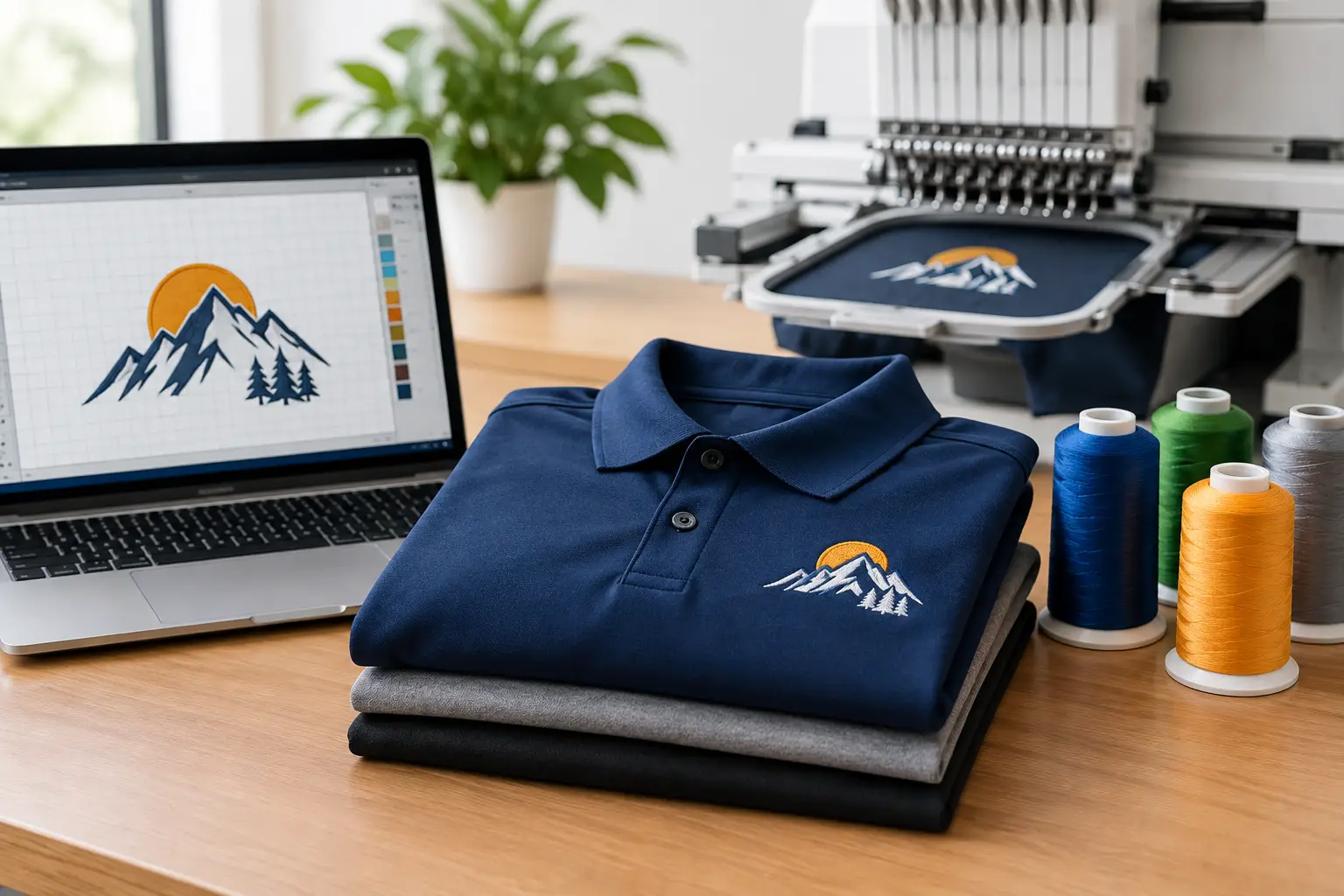
As companies become more selective about the garments they offer, they are also paying closer attention to how their logo is applied. An embroidered logo with clean detail and proper placement can elevate a polo, jacket, or cap. A poorly digitized design, uneven stitching, or inconsistent thread color can have the opposite effect.
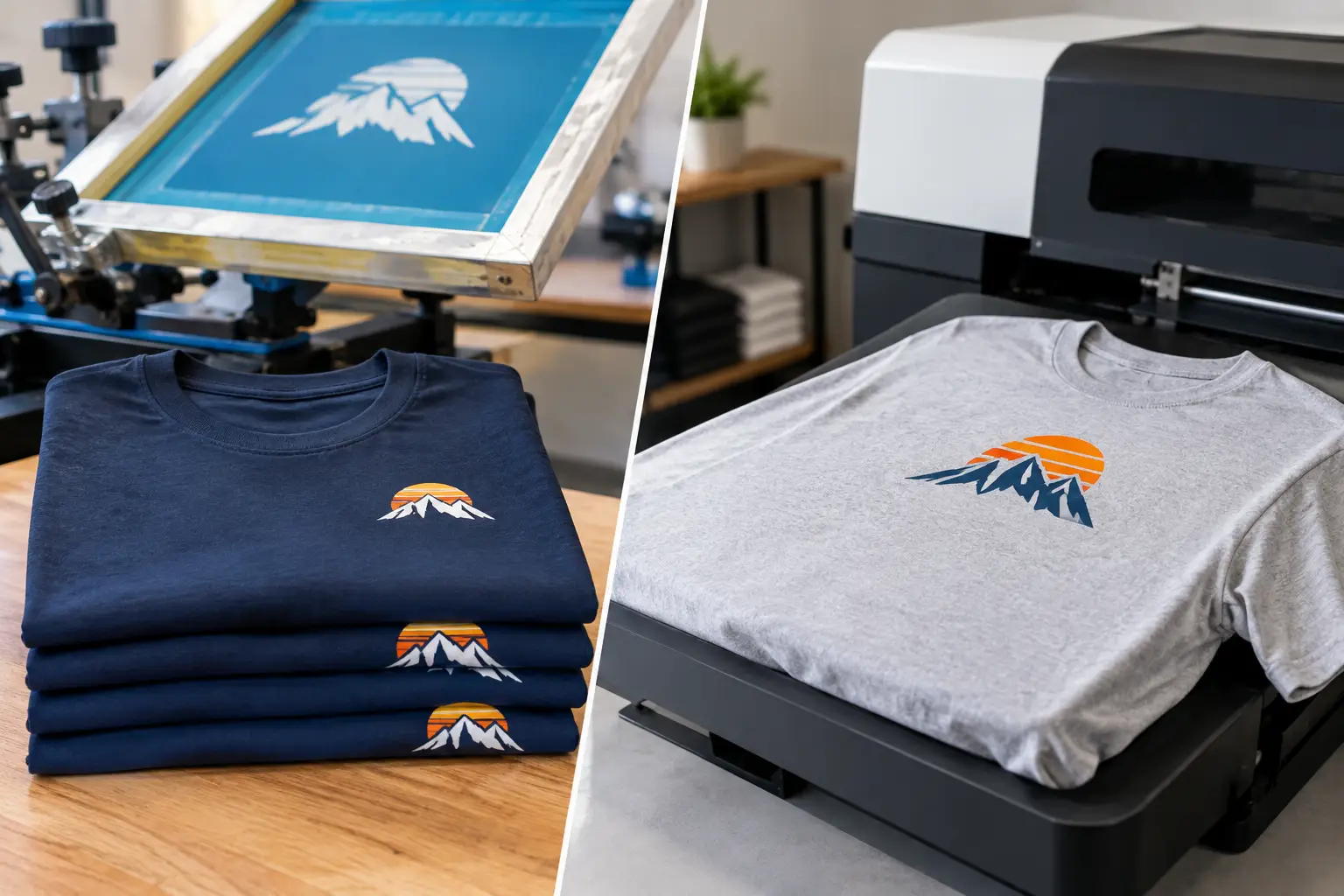
Screen printing remains an effective choice for t-shirts, event apparel, and larger graphic designs, especially when the program calls for volume. Embroidery is often preferred for polos, outerwear, uniforms, and headwear because it provides a polished, durable finish. The right method depends on the garment, logo artwork, order quantity, and intended use.
For recurring company store programs, approved artwork and decoration specifications matter. Establishing the logo size, thread colors, print colors, and placement at the start helps ensure a reorder months later matches the first order. This consistency is one of the most practical benefits of working with an experienced decoration partner.
The Operational Trend Behind Successful Company Stores
The biggest change is not a garment style or a new product category. It is the shift from one-time ordering to managed apparel programs. Companies want a reliable way to support onboarding, recognition, uniforms, trade shows, seasonal needs, and department-specific purchases without rebuilding the process each time.
Controlled choice supports brand consistency
Employees appreciate choice, but companies need guardrails. The most effective corporate stores use approved apparel, approved logo treatments, and clear access rules to maintain a consistent look across offices, departments, and regions.
That does not mean every employee has to wear the same item. A strong program can offer several approved colors, multiple fits, and seasonal layers while keeping the logo treatment uniform. The result is flexibility without the visual clutter that happens when every department orders independently.
For enterprise teams, this can also simplify procurement. Instead of reviewing separate artwork files and product selections for every order, buyers work from a managed assortment with established standards. For smaller businesses, it removes the guesswork of deciding what to order each time a new employee joins.
Faster fulfillment matters most when timing is critical
Onboarding dates, conferences, safety initiatives, and company events do not leave much room for production delays. Faster fulfillment has become a defining expectation for corporate apparel stores, especially when the items are tied to a specific start date or event calendar.
Speed should never come at the expense of proof approval or decoration quality. The better approach is to prepare the program before urgency arrives: finalize artwork, approve core products, confirm size options, and establish decoration details. Then future orders can move forward with fewer avoidable delays.
Domestic decoration can be particularly valuable for organizations that need clear communication and dependable production oversight. LOGO USA supports this model with in-house embroidery, screen printing, graphic support, digital proofing, and production from its US-based facility.
Inventory strategy depends on the program
Not every store needs stocked inventory, and carrying too much can create unnecessary cost. For a stable uniform program with predictable demand, preselected core items and planned replenishment can make sense. For a seasonal employee gift program or event store, an on-demand approach may be more practical.
The right inventory strategy depends on order frequency, employee count, required turnaround, garment availability, and whether items are mandatory or optional. Businesses should avoid treating inventory as an all-or-nothing decision. A hybrid program may keep essential uniform pieces readily available while producing specialty items as orders are placed.
What Employees Expect From a Merch Store
Employees judge a company store by the same standards they use for any online shopping experience. They want clear product details, accurate sizing information, relevant options, and confidence that the item pictured is the item they will receive.
Mobile-friendly ordering also matters. Many employees will place an order outside of a desk environment, particularly field teams and distributed workforces. The experience should be straightforward: select a product, choose a size and color, review the logo placement, and understand when the order will be ready.
Recognition and culture are another major driver. Branded apparel is no longer limited to mandatory uniforms. It is used for work anniversaries, sales recognition, employee welcome kits, volunteer programs, and team milestones. When the product is genuinely useful and well made, it becomes a visible reminder of belonging rather than another giveaway.
Building a Store That Will Still Work Next Year
Trends are useful only when they solve a real operational problem. Before expanding an assortment or adding new merchandise, start with the questions that affect the program every day: Who is ordering? What do they need to wear? Which items will be reordered? What level of brand control is required? How quickly must orders be fulfilled?
Build around dependable core apparel first. Polos, t-shirts, sweatshirts, caps, outerwear, workwear, and bags can cover most company needs when chosen with the right audience in mind. Then add specialty products only when they support a defined purpose, such as a seasonal campaign, event, safety requirement, or employee recognition initiative.
The best corporate merch stores do not try to offer everything. They make branded apparel easier to choose, easier to approve, and easier to wear. When employees receive quality items that fit their work and represent the company well, the store becomes a practical extension of the brand rather than another task for your team to manage.
Popular Blogs
What File Formats Does Embroidery Accept?
October 12, 2026