Branded Merchandise for Employees That Works
- April 15, 2026
- 3:55 am
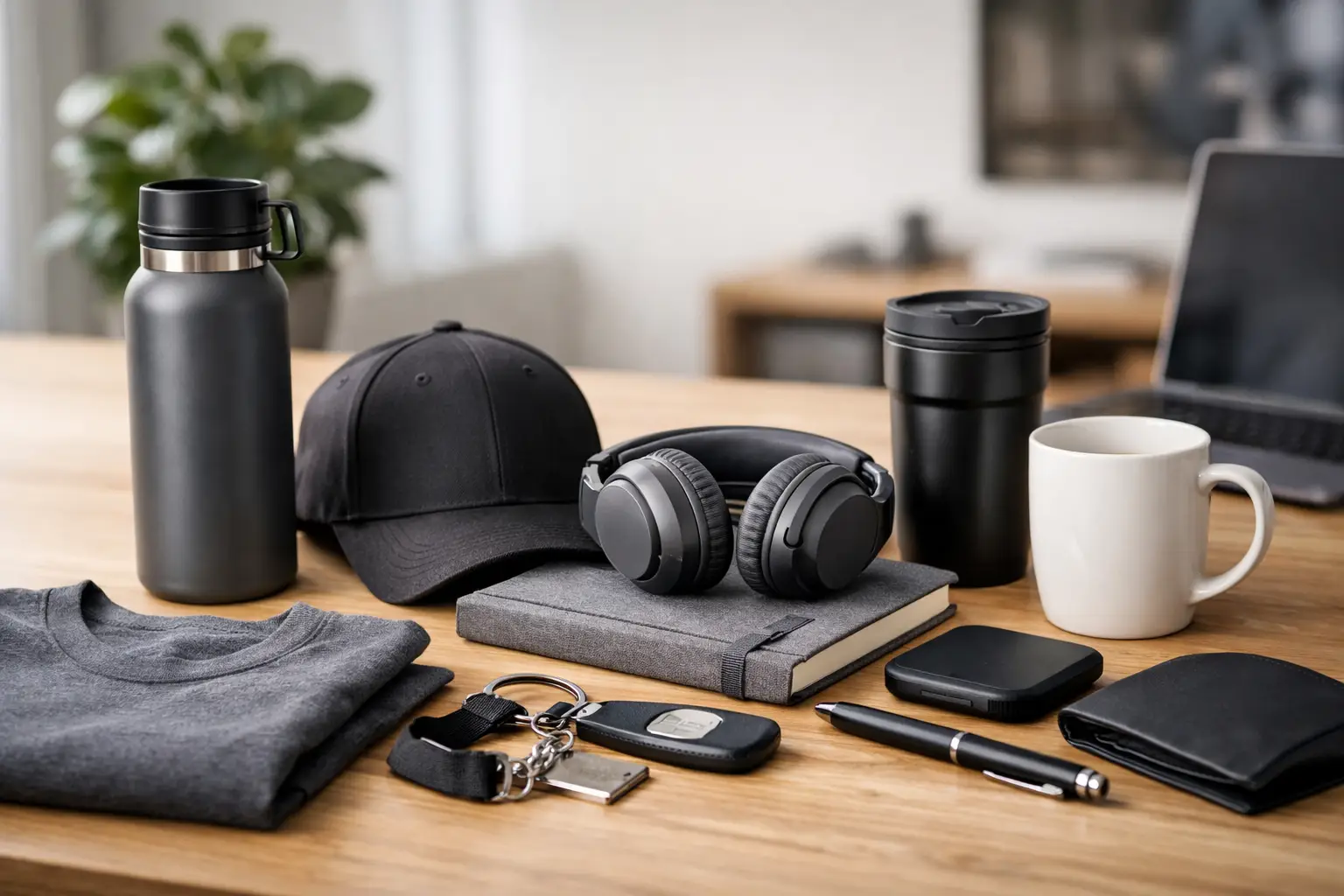
A new hire’s first week tells you a lot about your company. If they’re handed a mismatched shirt, a flimsy tote, and a logo item that ends up in a desk drawer, the message is obvious. If they receive polished, useful branded merchandise for employees, the impression is different – organized, professional, and proud of the brand.
That difference matters more than many businesses realize. Employee merchandise is not just a giveaway category. It shapes how teams show up at work, how customers perceive your company, and how easy it is to maintain a consistent brand standard across locations, departments, and events. When the products are well chosen and well made, they do real work for the business.
Why branded merchandise for employees matters
The best employee merchandise sits at the intersection of culture and operations. It helps people feel part of the team, but it also solves practical needs. A branded polo creates a more uniform appearance in customer-facing roles. A dependable outerwear piece keeps field teams comfortable while reinforcing brand visibility. A quality backpack or cap gets used beyond the workday, extending the reach of your logo without feeling forced.
There is also a retention and onboarding angle. Employees notice when a company invests in details. A thoughtful welcome kit or branded uniform program signals stability and professionalism. It shows that the business has standards and that the employee is part of something established.
That said, not all merchandise has the same value. Too many companies buy based on unit price alone and end up with products that are forgotten, worn once, or replaced quickly. Cheap merchandise rarely saves money if it fails to represent the brand well.
What employees actually want to use
The most effective branded merchandise for employees is useful first and branded second. People will wear a well-fitting quarter-zip. They will carry a durable bag. They will keep a comfortable cap in the car or put on a quality sweatshirt on a cold morning. Utility drives repeat use, and repeat use is what turns merchandise into a true branding asset.
Apparel usually delivers the strongest return because it combines visibility with function. Polos remain a staple for office staff, sales teams, hospitality teams, and trade show environments because they look professional without being too formal. T-shirts work well for company events, casual teams, warehouse settings, and seasonal campaigns. Outerwear adds long-term value for crews working outdoors, traveling employees, and anyone representing the brand in changing weather.
Bags, caps, and select accessories also perform well, especially when they match how your team works. A field service company may get more value from branded jackets and workwear than from desk accessories. A recruiting team attending events may benefit more from polished polos, bags, and layered pieces that travel well. The right mix depends on role, environment, and frequency of use.
Choosing products that fit the job
The fastest way to miss the mark is to treat every employee group the same. Office staff, technicians, warehouse teams, event personnel, and executives do not need the same products. Good merchandise planning starts with the realities of the job.
If your employees interact directly with customers, focus on presentation. Clean embroidery on polos, button-downs, pullovers, and outerwear tends to create a polished, trustworthy look. If your team works in physical environments, durability matters more than trend. Heavier fabrics, performance materials, and work-ready brands hold up better and maintain a consistent appearance over time.
Seasonality matters too. A short-sleeve shirt may be enough for an indoor team, but it will not support a year-round program for drivers, service techs, or construction-adjacent crews. In those cases, layering options like fleece, vests, and jackets make the program more functional and more appreciated.
Sizing is another common weak point. If ordering is rushed and size planning is sloppy, even premium products can create frustration. A strong employee merchandise program takes fit seriously, offers enough range, and avoids one-style-fits-all thinking where possible.
Apparel often outperforms novelty items
There is still a place for mugs, pens, and small desk items, especially in onboarding kits or event handouts. But if the goal is to outfit employees in a way that supports brand consistency, apparel usually carries more weight. It is visible, practical, and easier to align with company standards.
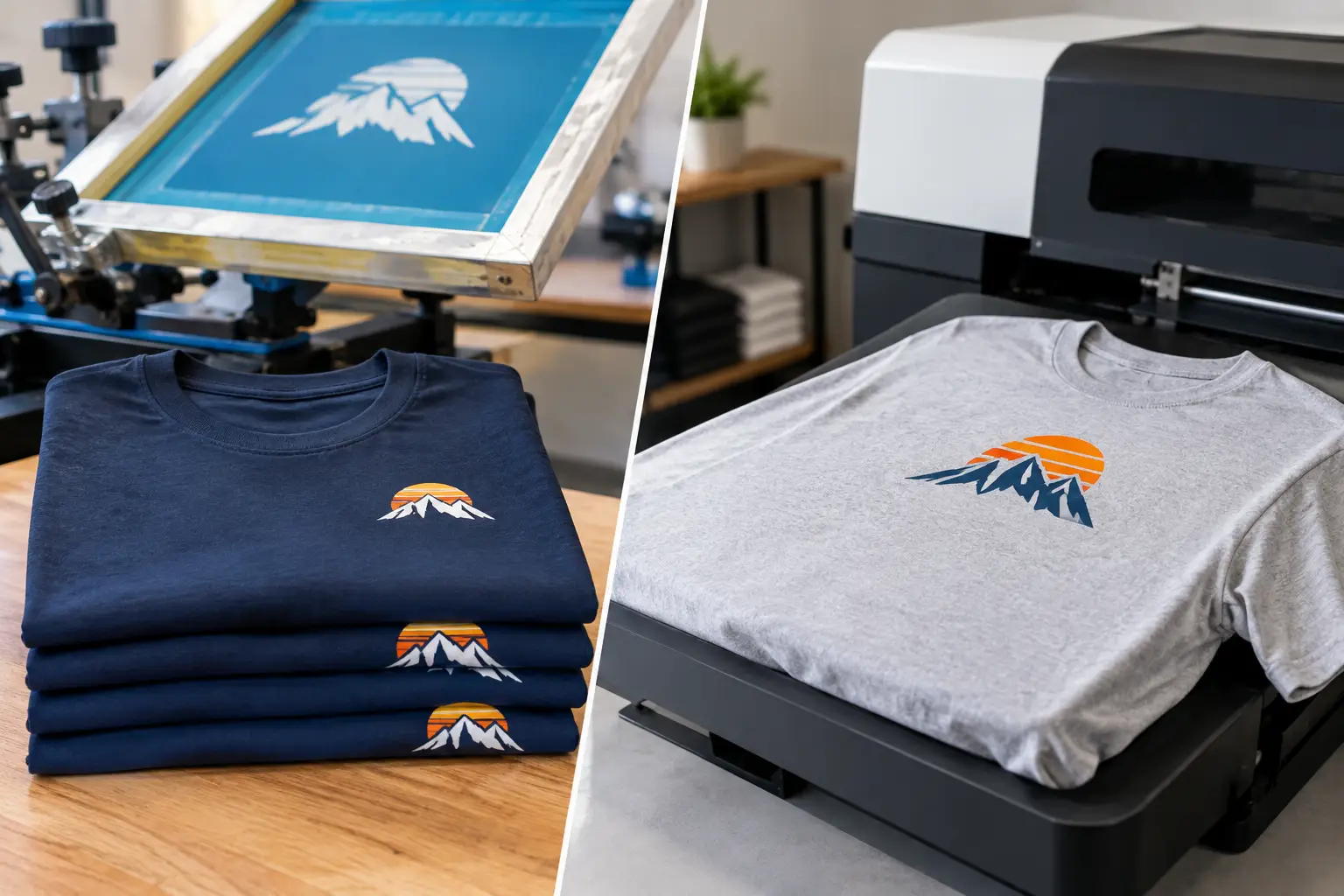
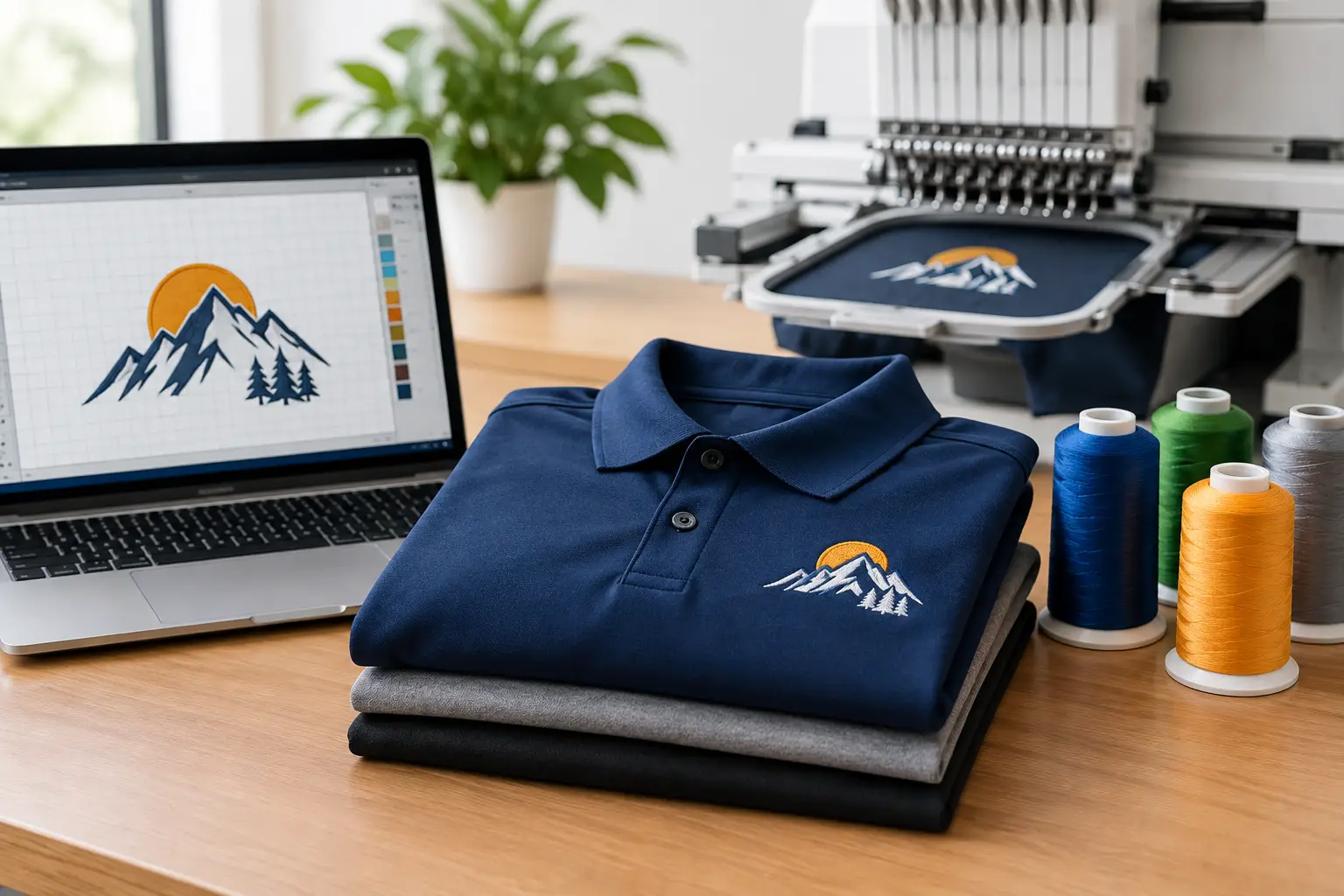
Embroidery is often the right choice for apparel intended to look elevated and last through repeated wear. It gives logos dimension and durability, especially on polos, caps, outerwear, and uniforms. Screen printing is a strong option for larger logo treatments, event shirts, campaign apparel, and more casual team gear. The decoration method should fit the garment, the logo, and the purpose of the piece.
That is where production experience matters. A logo that looks great on a digital file does not always translate cleanly across every garment type. Thread count, placement, garment weight, and color contrast all affect the final result. Businesses that want merchandise to look consistent across categories benefit from a partner that handles decoration with precision rather than treating it as a commodity.
Quality control is part of the brand
When employees wear your logo, every stitch and print detail reflects on the company. Loose threads, crooked placements, poor digitizing, or low-grade garments send the wrong message. They suggest shortcuts.
By contrast, well-produced branded merchandise communicates that your company pays attention. It supports a stronger first impression with customers and gives employees more confidence wearing the product. That confidence is not a small thing. Teams are more likely to wear merchandise consistently when it looks professional and feels good.
This is one reason many businesses prefer domestic decoration and in-house production oversight. Shorter communication lines, clearer proofing, and better control over output can reduce mistakes and keep reorders more consistent. For ongoing apparel programs, consistency is not optional. If the logo size changes, the thread color shifts, or the garment quality drops from one order to the next, the brand standard suffers.
How to build a branded merchandise program employees will respect
Start with the core pieces your team actually needs. For many businesses, that means a branded polo, a cold-weather layer, a cap or bag, and an event-ready tee. Build from there instead of ordering a wide assortment with no clear purpose.
Next, think in terms of use cases. What should employees wear in front of customers? What should they receive during onboarding? What works for trade shows, field visits, or seasonal weather? Once each use case is clear, product selection becomes easier and more strategic.
It also helps to standardize where possible. Choose approved logo placements, brand colors, and garment categories that can be reordered confidently. This keeps future purchasing simple, especially for growing businesses or organizations with multiple locations. A controlled program saves time and protects consistency.
For larger teams, an employee store or structured apparel program often makes more sense than repeated one-off orders. It gives departments access to approved items while reducing the burden on HR, operations, or procurement. For recurring needs, that kind of system can bring real efficiency.
Common mistakes to avoid
One of the biggest mistakes is choosing merchandise based only on what is cheapest or fastest. Speed matters, and budgets matter, but the wrong product can create waste just as quickly as it creates savings. A shirt that shrinks badly or a jacket that feels low-end will not get worn enough to justify the order.
Another mistake is overbranding. Employees do not always want oversized logos across every item, especially on premium apparel. A more refined logo placement often increases wearability. If the product looks closer to something they would choose themselves, it will stay in rotation longer.
Many businesses also underestimate the importance of proofing and decoration setup. Small issues in artwork can create expensive inconsistencies later. Clean files, expert digitizing, and clear approvals help protect the final result.
The business case for doing it right
Branded employee merchandise can support morale, strengthen presentation, improve event readiness, and simplify dress expectations. But those benefits show up only when the products are selected with care and produced to a high standard.
For business buyers, that means looking beyond the item list. Product quality, decoration expertise, turnaround reliability, and reorder consistency all matter. So does having a partner that can guide decisions instead of just taking the order. Companies that invest in premium craftsmanship usually see a better return because the merchandise gets worn, remembered, and associated with a professional brand image.
LOGO USA has seen this across industries for years. The businesses that get the most from employee merchandise are not the ones buying the most items. They are the ones building a program around quality, fit, and real-world use.
If you want employees to wear your brand with confidence, give them merchandise that earns a place in their workday. That is where brand visibility starts to become brand value.
Popular Blogs
What File Formats Does Embroidery Accept?
October 12, 2026