
12 Employee Welcome Kit Ideas for New Hires
- November 11, 2026
- 2:53 am
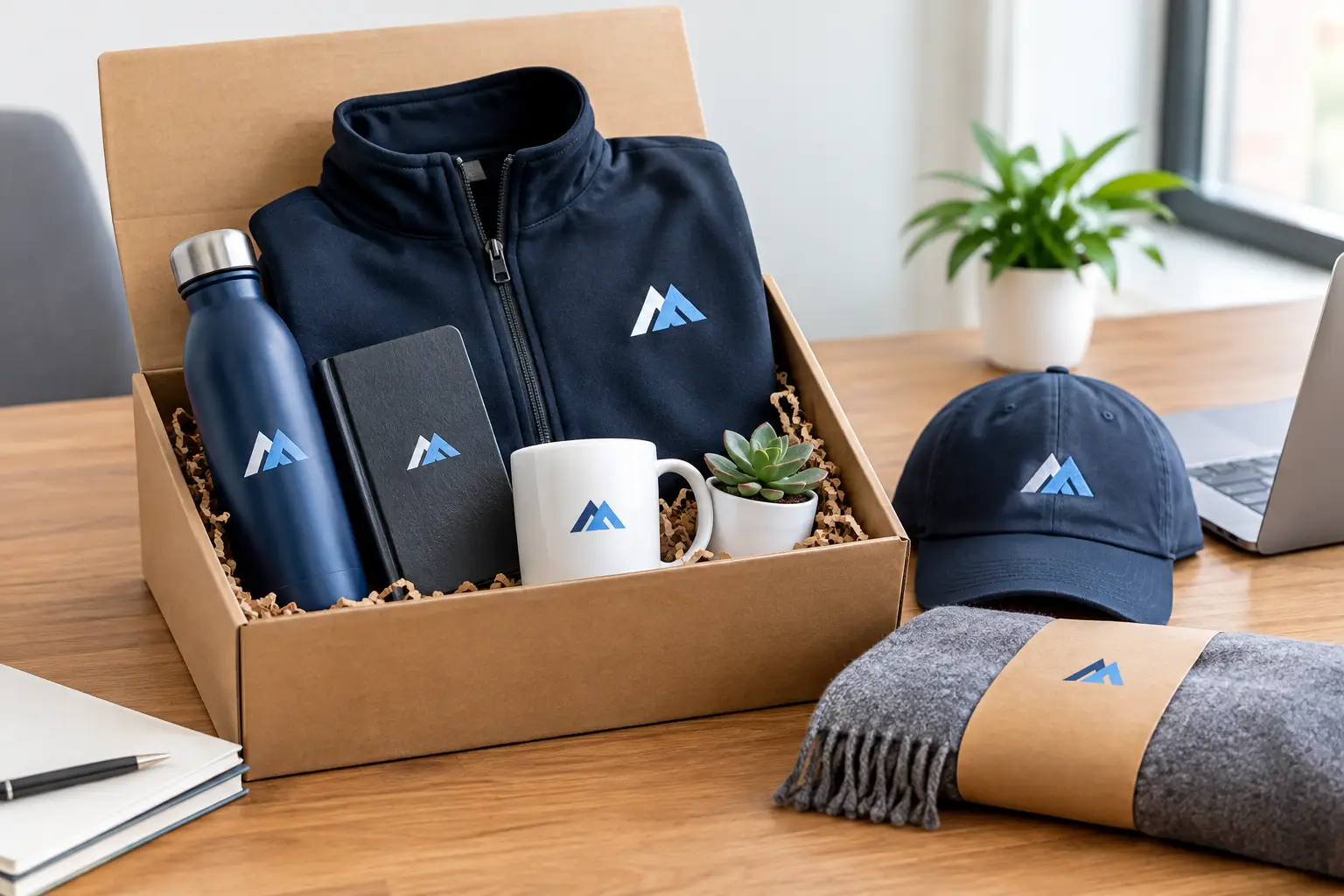
A new hire’s first day is full of small signals: whether their workstation is ready, whether they know where to go, and whether the company has planned for their arrival. The best employee welcome kit ideas turn that moment into a confident start. A well-chosen kit gives employees useful gear, introduces the company brand, and creates a polished experience before the first meeting begins.
For HR, operations, and marketing teams, the goal is not to pack a box with logo items. It is to provide products people will use and appreciate. Branded apparel often carries the most value because it supports team identity long after orientation is over.
Employee Welcome Kit Ideas Start With the Role
A welcome kit for a field technician should not look exactly like one for a hybrid office employee. Start with the job, work environment, season, and company culture. Then select a core group of items that feels coordinated rather than random.
Consider how employees will use each piece. A durable quarter-zip may be ideal for client-facing sales teams, while a high-visibility outerwear layer makes more sense for crews working near traffic or equipment. A retail team may need branded polos that create a consistent customer experience. The strongest kits balance everyday practicality with brand presentation.
Budget matters, but a lower item count does not have to mean a lower-quality experience. One well-fitted embroidered polo, a dependable bag, and a thoughtful onboarding note can make a stronger impression than a crowded box of disposable giveaways.
12 Welcome Kit Items Employees Will Use
1. Embroidered polos
A premium polo is a reliable foundation for many employee welcome kits. It works for customer-facing teams, trade shows, company events, and casual office settings. Choose a style with consistent sizing and colors that complement your logo. Embroidery gives the garment a refined, durable finish that holds up through repeated wear and washing.
2. Branded T-shirts for casual team culture
A soft, well-made T-shirt gives new employees an easy way to show team pride. It is especially useful for startups, hospitality groups, nonprofits, volunteer events, and internal team days. Keep the artwork clean. A simple logo on the chest or a small front design with a larger back graphic can feel current without overwhelming the garment.
3. Layering pieces for changing conditions
Quarter-zips, fleece jackets, sweatshirts, and lightweight outerwear bring real value to a welcome kit. They are practical for cool offices, travel, site visits, and seasonal weather. For teams that spend time outdoors, consider workwear-inspired layers from recognized brands known for durability. Higher-value outerwear can also be reserved for milestone hires, managers, or employees who regularly meet customers.
4. Caps that fit the workday
A branded cap is an excellent addition for construction, landscaping, delivery, recreation, and event teams. It also works well for companies with a casual brand personality. Structured caps, mesh-back styles, and performance options each serve different needs, so match the cap style to the environment instead of choosing based on price alone.
5. A dependable work or commuter bag
Bags make welcome kits easier to distribute and continue working long after day one. An OGIO-style backpack, tote, duffel, or laptop bag can carry onboarding materials while giving employees something genuinely useful. For field teams, select a bag with durable fabric and practical compartments. For office employees, a professional backpack or messenger bag may better suit daily commutes.
6. A logoed tumbler or water bottle
Drinkware is a familiar welcome-kit item because people use it often. Choose a design that fits the workplace: insulated tumblers for commuting professionals, water bottles for active teams, or straightforward mugs for office settings. Keep the decoration readable and use brand colors thoughtfully. This item pairs well with apparel without competing for attention.
7. A notebook and quality pen
New employees take notes constantly during their first few weeks. A branded notebook and pen support that need while keeping the kit professional. This is a sensible choice for orientation sessions, training programs, and client-service teams. It also gives HR a simple place to include the employee’s first-week schedule or key contacts.
8. Name badges or branded lanyards
For organizations with multiple locations, large teams, events, or secure facilities, identification items can be part of the welcome experience. A professional lanyard, badge holder, or name badge helps a new employee feel expected and recognized. It is also operationally useful from the first hour on the job.
9. Safetywear for hands-on teams
For manufacturing, logistics, construction, utility, and warehouse roles, safety should lead the kit selection. Branded high-visibility shirts, jackets, caps, or vests can reinforce company standards while helping employees arrive job-ready. Confirm required colors, visibility classes, and logo placement before production so the finished piece supports both brand requirements and workplace policies.
10. Seasonal gear
Seasonal items show practical planning. Beanies and insulated outerwear work well for winter starts, while lightweight tees, caps, and cooling towels can support summer crews. If your hiring happens throughout the year, create a core kit and add a seasonal item when appropriate. This approach controls cost without making every new hire receive the same product regardless of conditions.
11. A team-specific item
A welcome kit becomes more meaningful when one item reflects the employee’s actual department. A sales representative might receive a presentation-ready quarter-zip. A restaurant manager may receive branded aprons or hats. A warehouse associate could receive a durable hoodie and work cap. This detail tells new hires that the kit was built for their role, not pulled from a generic shelf.
12. A personal welcome note
The least expensive item may be the most memorable. Include a brief note from a manager, founder, or department leader. Use the employee’s name and mention something specific, such as the team they are joining or the impact the role will have. Apparel and merchandise establish brand presence; a personal note adds human connection.
Make the Kit Feel Consistent, Not Promotional
A strong welcome kit usually has one hero apparel item, one practical carry or drinkware item, and a few onboarding essentials. Limit the color palette to your approved brand colors and avoid placing a large logo on every product. Employees are more likely to use merchandise that looks polished and fits naturally into their routine.
Sizing is another detail that affects the experience. Collect apparel sizes before the start date, offer unisex and women’s fits where appropriate, and confirm measurements for each product rather than assuming one brand fits like another. For larger programs, keeping a documented size and item matrix reduces errors when new employees are added later.
It also helps to establish a consistent kit tier. For example, hourly employees, office staff, managers, and field supervisors may each receive a different package based on their role and apparel needs. The program can still feel unified when every kit shares the same design standards and quality expectations.
Plan Production Before the Hiring Date
Welcome kits are most effective when they arrive ready for day one, not several weeks after orientation. Build in time for logo review, apparel selection, size collection, digital proof approval, decoration, packing, and delivery. If your logo is new, complex, or being embroidered for the first time, digitizing and proofing should happen early in the process.
Working with a supplier that handles product selection, artwork support, embroidery, screen printing, and production in one place makes program management easier. LOGO USA can help businesses choose branded apparel and merchandise that suit their workforce, then produce decorated items from its US-based facility with clear proofing and dependable turnaround expectations.
For recurring hiring, save approved artwork, thread colors, print specifications, and item selections. A repeatable setup protects brand consistency and makes reorders much simpler for busy HR and operations teams.
Avoid Common Welcome Kit Mistakes
The most common mistake is choosing products based only on unit price. A flimsy shirt, poorly fitting cap, or low-quality bag may save money upfront but is unlikely to be worn or kept. Put your budget toward items that reflect how you want employees and customers to view the company.
Another issue is overpacking. New hires do not need ten logo items on day one. They need useful apparel, the tools to get started, and a clear sense that the company is organized. Keep the presentation clean and make sure every item has a purpose.
Finally, do not treat welcome kits as a one-time branding project. Revisit the program as roles change, apparel styles evolve, and employee feedback comes in. The best kits improve over time because they are built around the people receiving them.
A welcome kit is a practical investment in first impressions. Choose items your team can wear, carry, and rely on, and every new hire starts with a clearer connection to the brand they now represent.
Popular Blogs
12 Employee Welcome Kit Ideas for New Hires
November 11, 2026