How to Choose Workwear Branding That Lasts
- September 20, 2026
- 2:51 am
A logo that looks sharp in a digital proof can still fail on the job if the garment fades, the placement feels awkward, or the decoration cannot handle daily wear. Knowing how to choose workwear branding means looking beyond the logo itself. The right decision brings together the demands of the work, the people wearing the apparel, and the standard your company wants customers to see.
Branded workwear is a working part of your business identity. It helps customers identify your crew, gives employees a more unified appearance, and can make a small team look established from the first handshake. When it is chosen well, it also holds up through real shifts, repeat washes, and future reorders.
Start With the Work, Not the Catalog
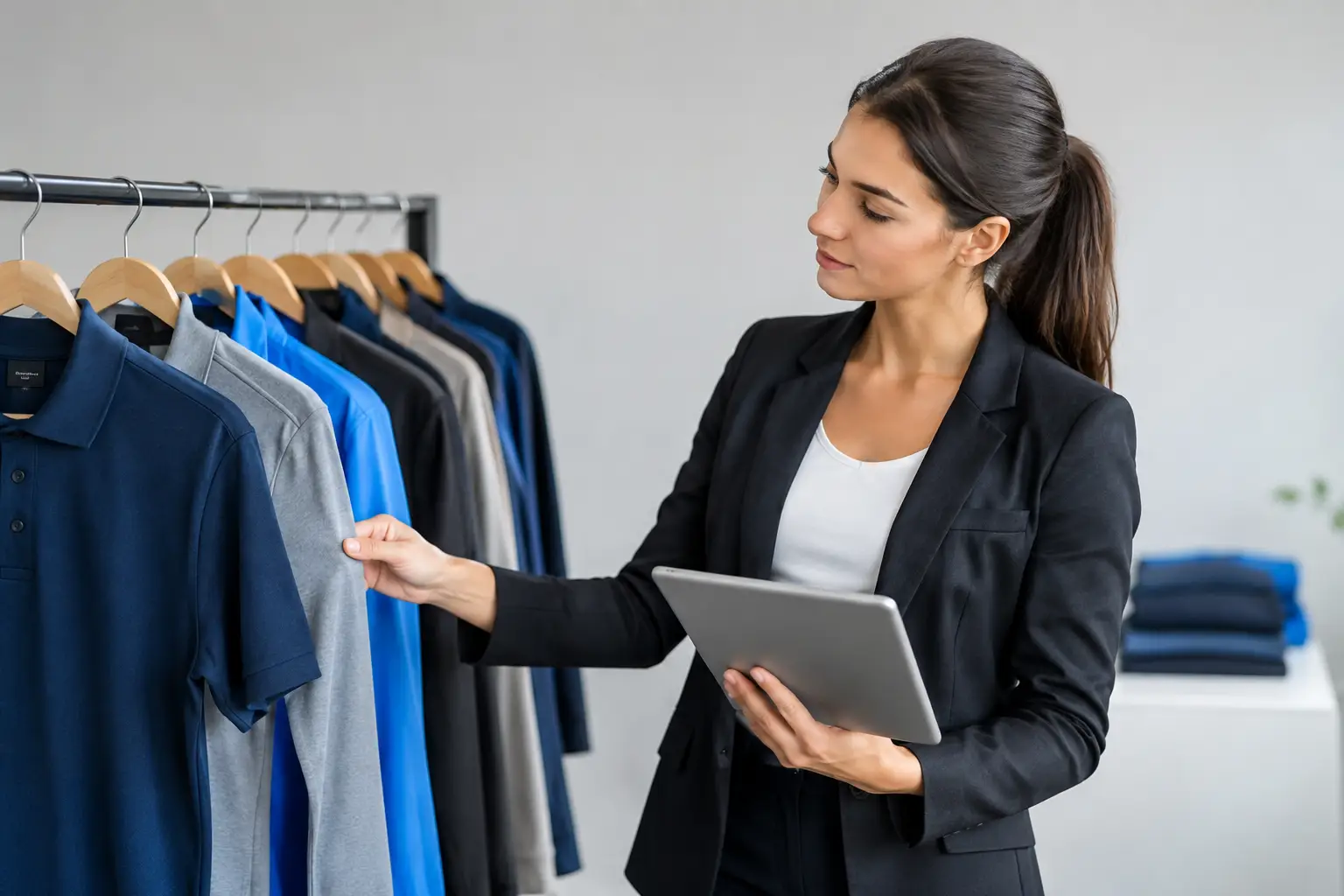
Before choosing polos, jackets, safety shirts, or caps, define where and how the apparel will be used. A front-office team, a construction crew, a service technician, and an event staff team may all need branded clothing, but they do not need the same product or decoration method.
Think about the physical demands first. Outdoor crews may need moisture-wicking fabrics, sun protection, insulated layers, or high-visibility colors. Employees working around machinery may need garments with fewer loose features. Restaurant, retail, and hospitality teams often prioritize a clean, consistent look that stays comfortable through a long shift. For field service teams, durable layers and easy-care fabrics usually matter more than a fashion-forward fit.
Also consider how often each item will be worn. A one-day event shirt can be lightweight and budget-conscious. A uniform polo worn three or four times each week should be selected for color retention, comfort, and durability. Spending a little more on a garment that keeps its shape can reduce replacement costs and protect the professional look of your program.
Ask Employees What They Will Actually Wear
Employee input is not just a nice gesture. It can prevent a uniform program from ending up in lockers instead of on the job. Ask a few practical questions: Is the fabric too warm? Do employees need a wider size range? Will they wear a jacket over the uniform? Are pockets, stretch, or stain resistance useful for their roles?
There will be trade-offs. A heavier work shirt may last longer but feel uncomfortable in hot climates. A premium performance polo may be ideal for customer-facing sales teams but unnecessary for occasional volunteers. The best workwear program fits the role without overbuying features that do not serve your team.
How to Choose Workwear Branding for Your Brand Image
Your workwear should look like it belongs to your company. That does not mean every item needs to be identical, but the logo, colors, and overall presentation should be recognizable across departments and locations.
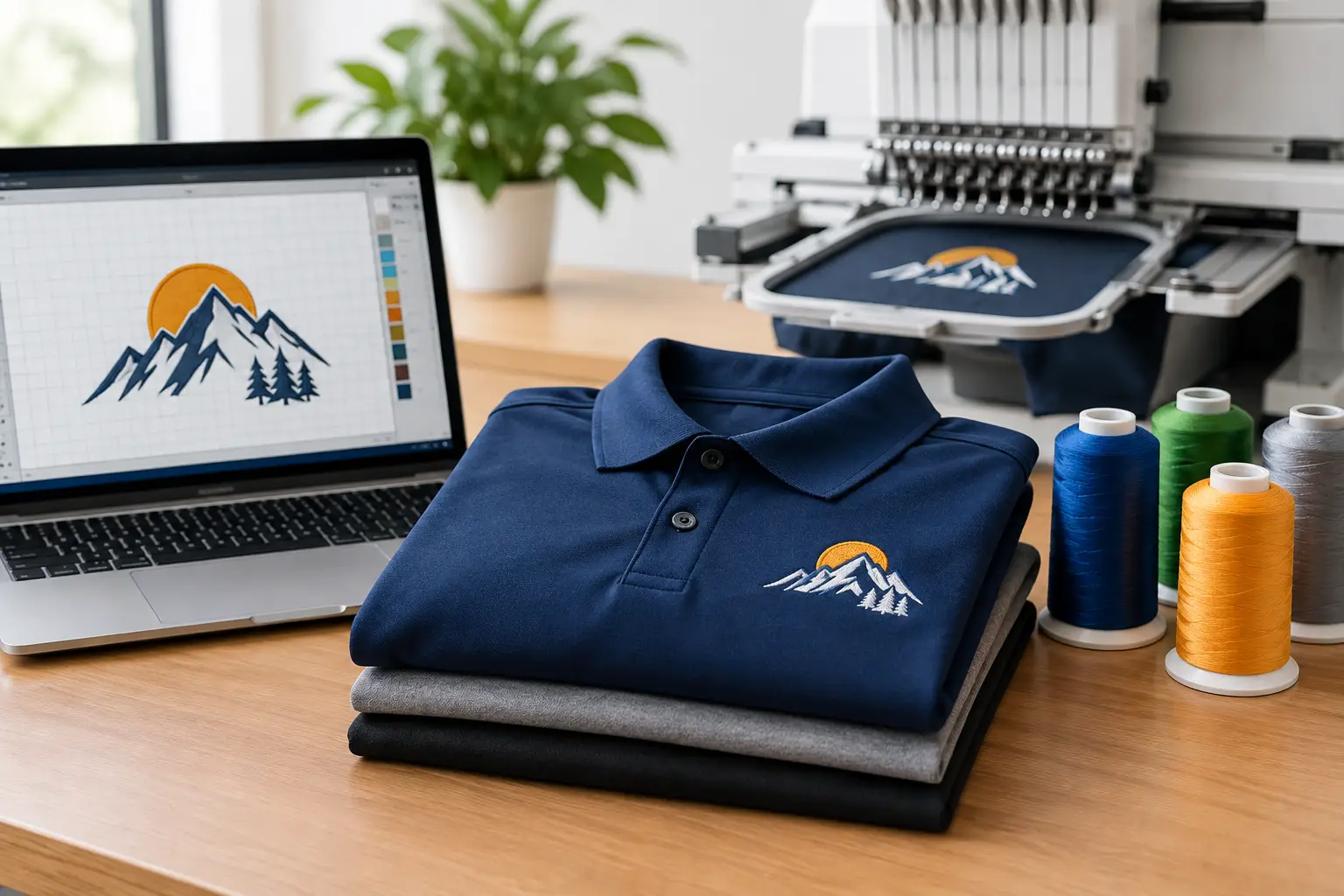
Begin with the logo file. Fine lines, tiny type, gradients, and small color changes can look excellent on a screen but may require adjustment for embroidery or screen printing. A skilled decoration team can recommend a simplified version for small placements while preserving the character of your brand. This is especially helpful for left-chest embroidery, cap fronts, sleeves, and other compact areas.
Color choices deserve the same attention. Your logo needs enough contrast against the garment to be readable from a normal distance. Dark thread on a black jacket can disappear. White ink on a pale gray shirt may look weak. If your official brand palette has limited contrast, consider a secondary logo colorway designed specifically for apparel.
Consistency does not require one garment color for everyone. A field crew may need navy or charcoal for practicality while office staff wear a lighter polo. The key is maintaining the same approved logo treatment, thread colors, and placement standards. Those details make mixed apparel feel intentional rather than pieced together.
Match the Decoration Method to the Garment
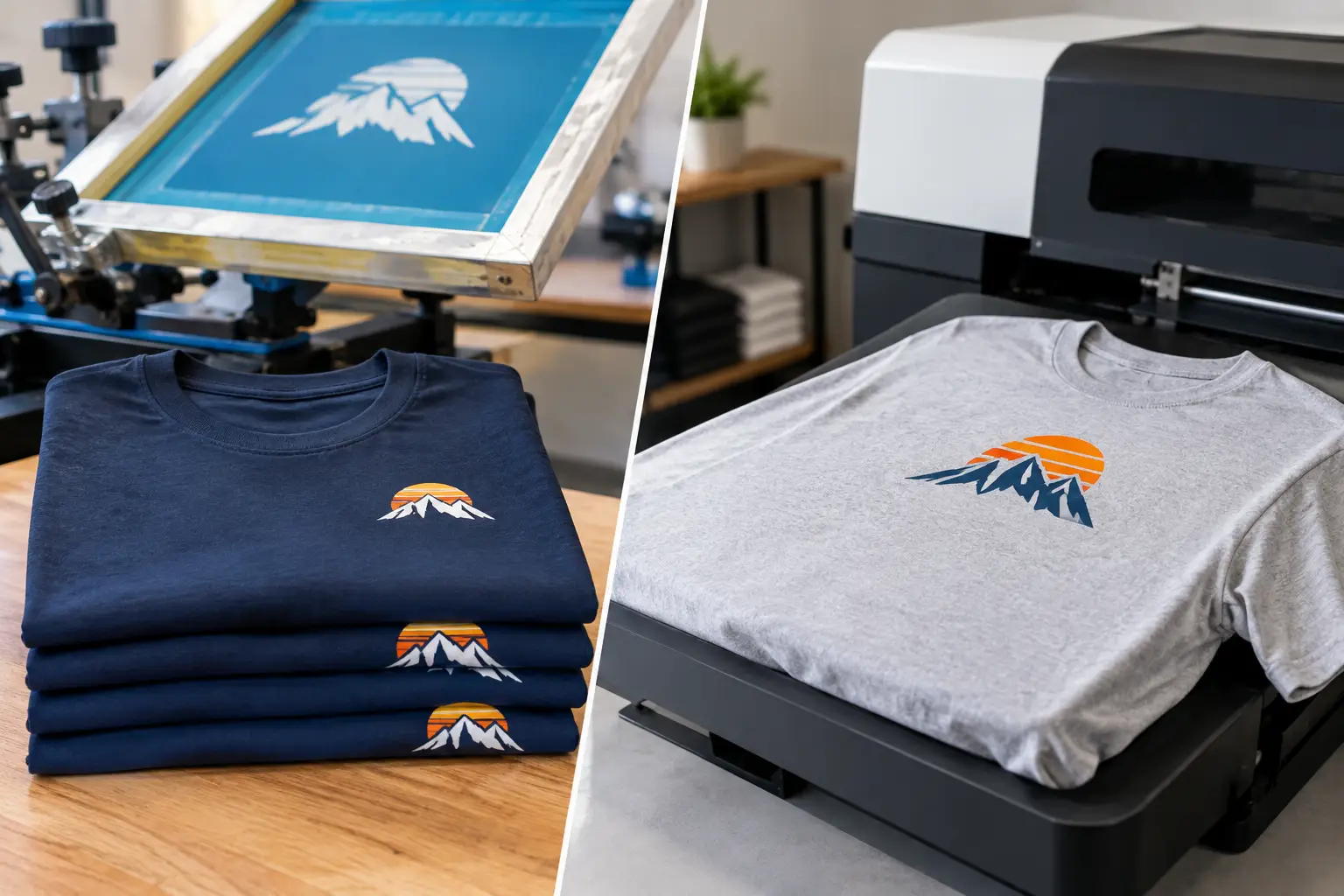
Embroidery and screen printing each have a place in workwear branding. The right choice depends on the garment, the logo, the order quantity, and the impression you want to make.
Embroidery is a strong choice for polos, button-down shirts, outerwear, caps, bags, and durable workwear. It creates a dimensional, polished finish that is well suited to left-chest logos and smaller designs. It also holds up well over time when produced with proper digitizing and quality thread. For customer-facing uniforms, embroidered polos and jackets often deliver the professional appearance companies want.
Screen printing works especially well for larger artwork, bold graphics, and designs with broad areas of color. It is a practical option for t-shirts, sweatshirts, safetywear, event apparel, and crew shirts. A large back print can identify a team from across a jobsite or trade show floor in a way a small embroidered logo cannot.
Neither method is automatically better. An embroidered logo can feel too heavy on a lightweight performance shirt, while a screen print may not provide the elevated look needed for executive outerwear. Consider using both: embroidery for everyday uniform layers and screen printing for event shirts, promotional apparel, or high-visibility messaging.
Do Not Skip the Digital Proof
A digital proof is where design decisions become production decisions. Review it carefully before approving artwork. Confirm the logo version, spelling, thread or ink colors, placement, garment color, and sizing. If names, departments, or individual personalization are included, check every detail.
This step is particularly valuable for first-time orders and large programs. It gives your team a clear record of what was approved and establishes a reliable reference for reorders. A trustworthy supplier should make this process straightforward and be ready to flag artwork concerns before production begins.
Choose Placement With Purpose
The left chest remains the standard placement for many corporate uniforms because it is professional, visible during conversations, and works well on polos, jackets, and button-downs. It is not the only option, though.
Back decoration is effective when instant identification matters. Service teams, delivery crews, event staff, and trade professionals often benefit from a large logo, company name, or short service message on the back. Sleeve decoration can add a website, department name, or secondary mark, but it should support the main logo rather than compete with it.
Cap branding also deserves a deliberate approach. A structured cap with embroidered front artwork can be a durable, high-value piece of team apparel. Keep the design simple enough to read at that size. For most companies, a clean logo is more effective than trying to fit a full slogan, phone number, and multiple services on the front panel.
Placement should account for the garment itself. Pockets, zippers, reflective striping, seams, and insulation can affect both appearance and production. Share the intended use with your decorator early so the logo is positioned where it will look clean and wear comfortably.
Build for Reorders and Growth
Workwear branding becomes easier to manage when you plan beyond the first order. Employees are hired, sizes change, garments wear out, and seasonal needs shift. A program that is easy to reorder keeps your brand consistent without forcing your team to restart the selection process every few months.
Create a simple internal standard for approved items, colors, logo versions, placements, and decoration methods. You may have one standard polo, one cold-weather layer, one t-shirt, and one cap, with defined options for different job roles. This gives employees appropriate choices while keeping purchasing organized.
Availability can change, particularly with popular styles and seasonal outerwear. Rather than relying on a single garment for every need, identify a backup option with a similar color and quality level. Your branding partner can help you select alternatives that preserve the look of your program if a preferred item is temporarily unavailable.
For companies with multiple locations or ongoing hiring, a managed company apparel store can simplify approvals and ordering. It gives employees or managers access to approved products without opening the door to unapproved logo treatments or inconsistent colors.
Work With a Production Partner That Checks the Details
The product and logo are only part of the result. Decoration quality, communication, proofing, and production control determine whether the final apparel meets your expectations. Look for a partner that understands both the technical side of embroidery and screen printing and the practical needs of business buyers.
Ask how artwork is prepared, whether embroidery is digitized in-house, how proofs are handled, and what information is retained for reorders. Make sure the supplier can guide you toward respected workwear brands that match your budget and use case rather than simply pushing the same garment for every order.
LOGO USA combines product selection, graphic support, digital proofing, in-house decoration, and US-based production to help businesses keep these moving pieces under control. That matters when you need polished uniforms for a new team, dependable reorders for an established program, or branded apparel on a defined timeline.
The strongest workwear branding does not need to shout. It needs to fit the job, represent the company well, and perform every time an employee puts it on. Choose with those standards in mind, and your apparel becomes one more dependable part of the way your business shows up.
Popular Blogs
What File Formats Does Embroidery Accept?
October 12, 2026