What Shirts Are Best for Screen Printing?
- July 26, 2026
- 2:03 am
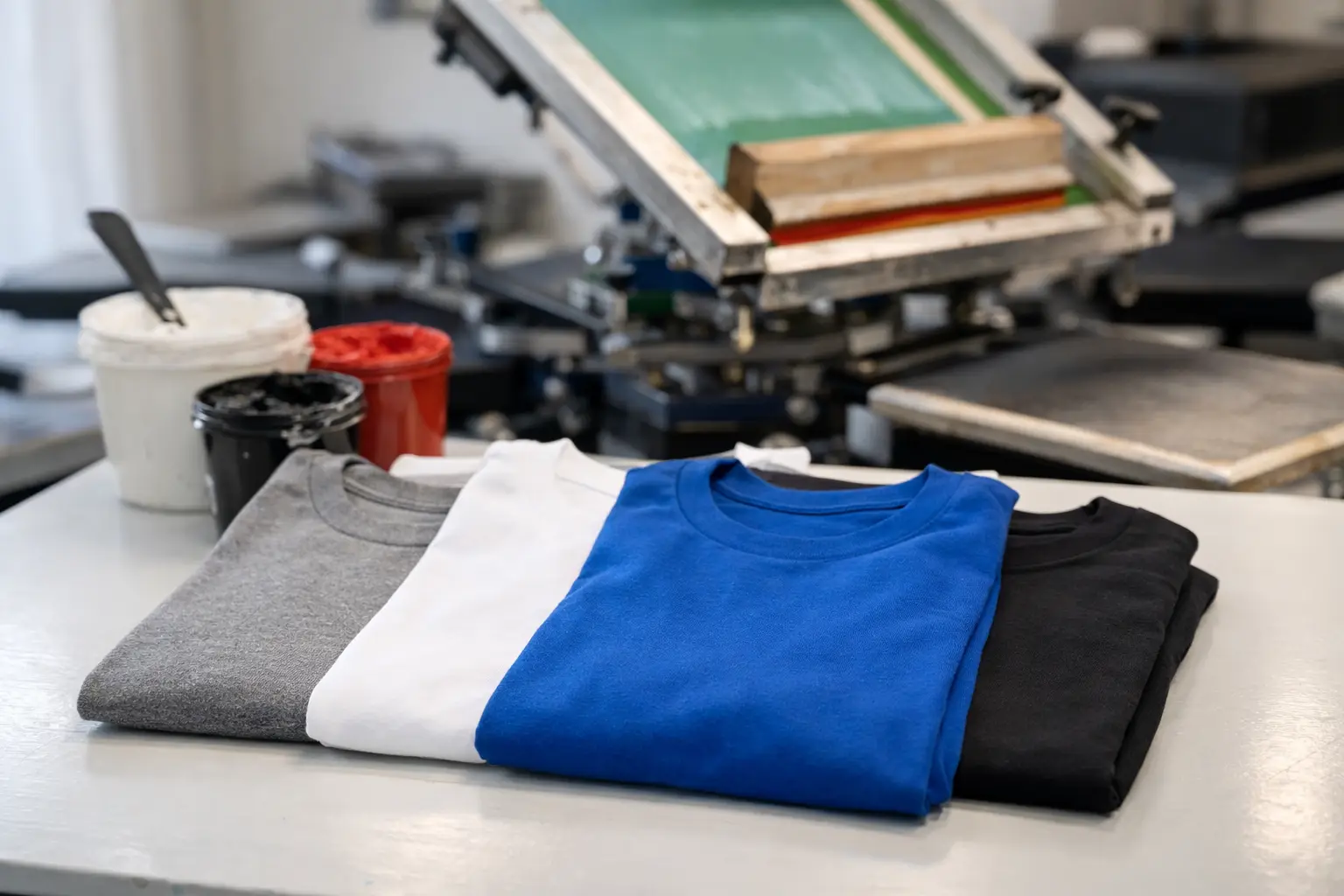
A shirt that looks great on a product page can still be the wrong choice for your print. The fabric, weight, color, and intended use all affect ink coverage, print detail, comfort, and how well the garment holds up after repeated wear. If you are asking what shirts are best for screen printing, the practical answer is this: choose the shirt that matches your artwork, audience, and wear expectations – not simply the lowest price point.
For employee uniforms, promotional giveaways, event apparel, and company stores, the right blank shirt helps your logo look intentional from the first wear through the fiftieth wash. Here is how to make a confident choice.
What Shirts Are Best for Screen Printing by Fabric?
Fabric content is the starting point because screen-printing inks interact differently with natural and synthetic fibers. Cotton is the most common choice for a reason, but it is not automatically the right solution for every branded apparel program.
100% cotton: the dependable standard
Ring-spun or combed cotton tees are a reliable choice for most screen-printed designs. Cotton accepts ink well, giving logos and graphics strong color coverage and a classic printed finish. It is particularly well suited to detailed artwork, bold solid-color graphics, and company event shirts where a comfortable, familiar feel matters.
For premium branded apparel, look beyond basic cotton and consider ring-spun cotton. Its smoother surface can help fine lines and small lettering print more cleanly. It also feels softer than a traditional open-end cotton tee, which can make a meaningful difference when employees or customers will wear the shirt regularly.
The trade-off is that 100% cotton may shrink if it is not preshrunk, and it can feel heavier or less moisture-managing than performance fabrics. For a restaurant crew, construction team, or outdoor event, those factors may influence the better choice.
Cotton-poly blends: comfort with added durability
A 50/50 cotton-polyester blend is one of the most versatile options for corporate and team apparel. It offers much of cotton’s print-friendly surface while adding polyester’s durability, shape retention, and reduced shrinkage. Blended shirts are a practical fit for uniforms, employee appreciation apparel, large events, and recurring reorders where consistency matters.
Because polyester can allow dye to migrate into certain inks, especially on dark garments, printing requires the right ink system and production expertise. This is not a reason to avoid blends. It is a reason to work with a decorator that understands how fabric content affects production. Proper underbases, low-bleed inks, and curing methods protect the clarity of your logo.
Tri-blends: soft feel for lifestyle-driven apparel
Tri-blend shirts typically combine cotton, polyester, and rayon. They are lightweight, exceptionally soft, and popular for retail-inspired company merch, wellness brands, casual team gear, and recruiting events. A tri-blend can make a branded shirt feel like something people choose to wear after the event is over.
Their heathered, vintage appearance is part of the appeal, but it also creates a more subdued print effect. If your brand standards call for highly opaque colors or sharp, bright logo reproduction, a smooth 100% cotton or cotton-poly shirt may be a stronger fit. Tri-blends are best when softness and a relaxed look are more valuable than maximum ink vibrancy.
Polyester performance shirts: built for active teams
For athletic programs, field crews, safety teams, and warm-weather work environments, moisture-wicking polyester shirts are often the right answer. They are lightweight, quick-drying, and designed to support movement. Screen printing on polyester requires specialized inks and careful temperature control, particularly with dark colors or sublimated garments.
Do not assume every performance shirt will print identically. Two garments that look similar can have different fabric finishes, dye processes, and heat tolerances. Confirm that your printer reviews the specific garment and artwork before production, especially for light ink on dark performance apparel.
Shirt Weight Changes How Your Brand Feels
Fabric weight is usually measured in ounces per square yard. It affects comfort, perceived quality, durability, and the way a shirt supports a printed design.
Lightweight shirts, generally around 4 to 4.5 ounces, work well for summer promotions, races, casual giveaways, and active use. They are easy to wear and often budget-conscious, but lighter fabric can be more transparent in pale colors and may not feel substantial enough for a daily uniform program.
Midweight shirts, often in the 5 to 5.5 ounce range, are the most balanced option for many businesses. They provide a professional hand feel without becoming too warm. For branded employee tees and event apparel, midweight cotton or cotton-blend shirts typically offer the best combination of print quality, comfort, and value.
Heavyweight tees are a strong choice for workwear, streetwear-style merch, and programs where durability is central to the brand promise. They provide a more structured look and can make a large front or back print feel especially substantial. The trade-off is higher cost and less comfort in hot environments.
Match the Shirt Color to the Artwork
A logo does not exist separately from the shirt color behind it. The same artwork can look crisp and premium on one garment and difficult to read on another.
Dark shirts often require a white or light underbase beneath colored ink. That additional production step is standard for quality printing, but it can affect the feel of the print and the cost of the project. On the other hand, dark garments can make light logos stand out sharply and are often practical for uniforms because they hide everyday wear better than white or pastel options.
Light garments are usually more economical for full-color artwork because inks can print directly onto the fabric. They are a strong option for summer events, nonprofit campaigns, school programs, and bright promotional designs. Keep in mind that light colors show stains more readily, which may be a concern for operational teams.
Heather and vintage colors add visual depth, but they can soften the appearance of ink. If precise brand colors are non-negotiable, choose a solid garment color with a smooth surface. Requesting a digital proof before production helps ensure the size, placement, and color approach align with your expectations.
Choose a Fit People Will Actually Wear
The best printed shirt is also one your employees, volunteers, or customers feel good wearing. Fit influences adoption more than many buyers expect.
A classic unisex fit is the most straightforward choice for large groups. It is widely available, easy to reorder, and works well for events, staff apparel, and promotional distribution. For a more polished retail feel, consider offering both unisex and women’s-specific cuts, or adding a modern retail fit for customer-facing teams.
Before choosing a fashion-forward fitted tee, think about the full size range you need. A shirt that looks excellent on a small sample may not deliver the same comfort or availability across your entire order. Consistent inventory and inclusive sizing are especially important for company stores and ongoing uniform programs.
Let the Print Design Guide the Garment
Artwork should influence shirt selection just as much as the shirt influences artwork. Large, bold graphics tend to perform well on midweight cotton and blends with stable, smooth surfaces. Fine lines, small type, and intricate logo details benefit from quality garments that have less texture and more consistent construction.
Placement matters, too. A left-chest logo can work across nearly every shirt category, while a large back print may require a garment with enough structure to prevent the design from feeling distorted during wear. Pocket tees, contrast seams, mesh panels, and moisture-wicking textures can all limit available print space.
For multi-location branding, such as a left-chest logo with a back graphic and sleeve detail, share the complete design plan before the garment is selected. This gives your production partner an opportunity to identify potential issues before approval rather than after shirts are on press.
A Practical Starting Point for Business Orders
If you need a safe, professional choice for most business uses, start with a midweight ring-spun cotton or 50/50 cotton-poly tee in a solid color. These shirts provide dependable print results, broad sizing, comfortable wear, and a polished presentation for staff, events, and promotional programs.
Then adjust based on the job. Choose heavyweight cotton for durable workwear, tri-blends for premium casual merch, and performance polyester for active or outdoor teams. The lowest-cost shirt can make sense for a one-day giveaway, while an employee uniform deserves a garment that supports your brand every time it is worn.
At LOGO USA, garment selection and decoration are handled with the same attention to detail because a quality print begins with the right foundation. Bring your logo, your wear requirements, and your budget to the conversation. The right shirt is the one that makes your people comfortable, keeps your branding clear, and represents your organization with confidence long after the first handout.
Popular Blogs
What File Formats Does Embroidery Accept?
October 12, 2026