Custom Company Uniforms That Work Hard
- May 3, 2026
- 1:18 am
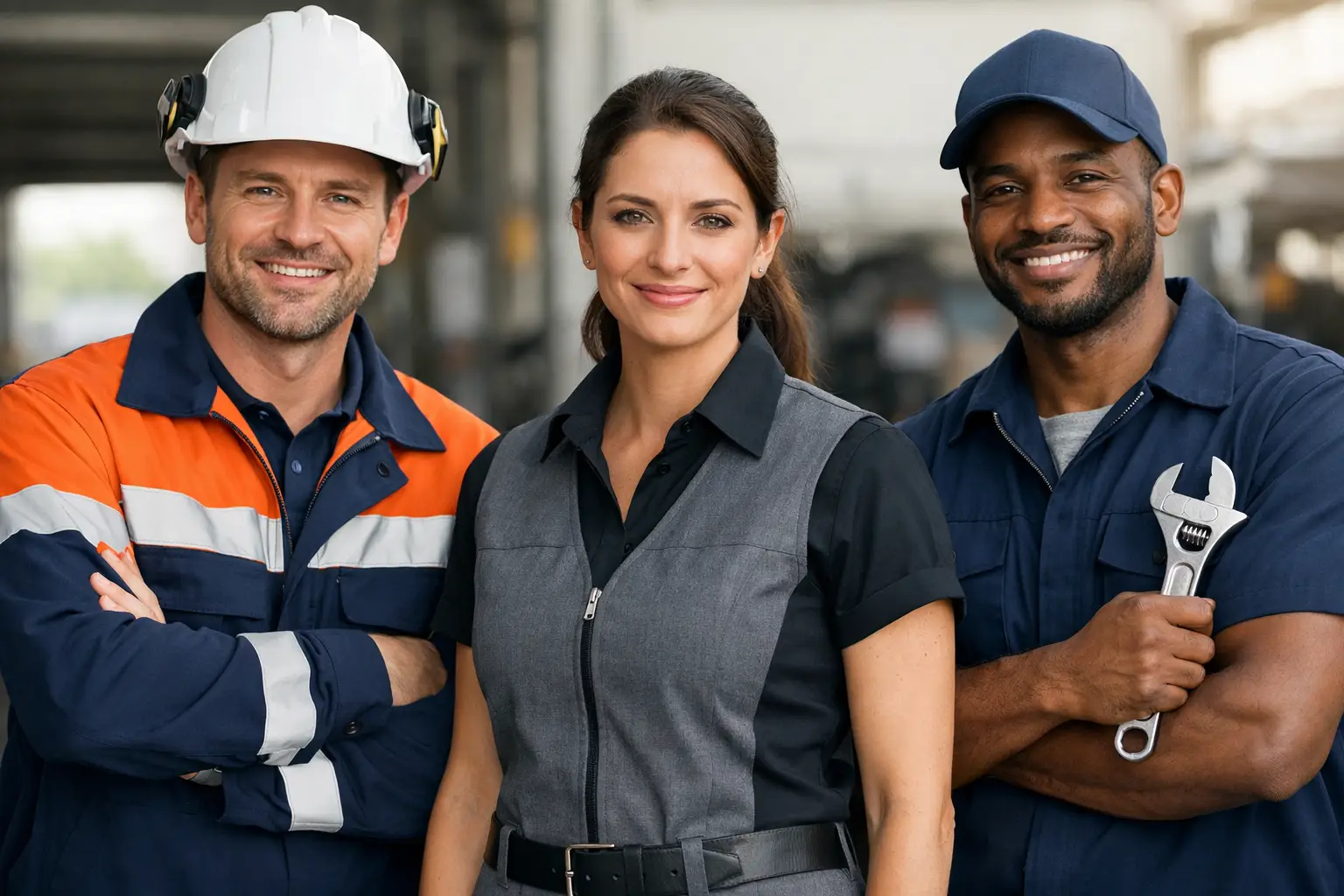
A wrinkled polo with an off-center logo sends a message before your team says a word. So does a sharp, consistent uniform program that looks polished on the sales floor, at a jobsite, behind a service counter, or during client visits. Custom company uniforms are not just apparel – they are part of how customers judge professionalism, how employees feel on the job, and how smoothly your brand shows up across locations and teams.
For business buyers, the challenge is rarely whether uniforms matter. The real question is what kind of uniform program will actually hold up in daily use, fit the role, and stay consistent when it is time to reorder. That is where thoughtful product selection, reliable decoration, and controlled production make the difference.
Why custom company uniforms matter beyond appearance
A uniform has a practical job to do. It identifies staff quickly, supports a safer and more organized workplace, and helps teams present one clear brand standard. In customer-facing environments, that consistency builds trust. In operational settings, it reduces confusion and gives employees gear that is appropriate for the work.
There is also an internal benefit that gets overlooked. When employees receive apparel that fits well, feels durable, and looks professional, it tends to be worn with more confidence. That matters whether you are outfitting a front desk team, warehouse supervisors, restaurant staff, sales reps, or field technicians. Good uniforms support brand pride. Cheap uniforms often do the opposite.
That does not mean every business needs the same approach. A corporate office may want refined polos, quarter-zips, and outerwear with subtle embroidery. A construction or logistics team may need heavier workwear, high-visibility pieces, and layers built for movement and weather. A growing franchise may need one approved look that can be repeated across locations without variation. The right program depends on your environment, your workforce, and how visible your brand is in the field.
Choosing custom company uniforms for the real workday
The best uniform programs start with role-based thinking. It is tempting to pick one item and call it done, but that usually creates problems later. Employees work in different temperatures, perform different tasks, and need different levels of durability.
Start with the core use case. If your team spends most of the day indoors meeting with customers, polished polos, button-downs, and lightweight layering pieces usually make sense. If the work is physical or outdoors, performance fabrics, rugged jackets, work shirts, and moisture-managing styles tend to hold up better. If brand presentation is especially important, the color, logo placement, and garment silhouette need tighter control.
Comfort matters more than many buyers expect. If a shirt feels stiff, traps heat, or restricts motion, employees will avoid wearing it when they can. That creates inconsistency fast. A better approach is to choose garments that match the actual demands of the shift, then apply decoration in a way that keeps the finished piece clean and durable.
Sizing is another place where good intentions can fall apart. Uniforms need to work across a wide range of body types and roles. Offering men’s, women’s, tall, and extended sizing where available helps reduce complaints and reorders. It also shows employees that the program was built for real people, not just for a catalog photo.
Embroidery or screen printing?
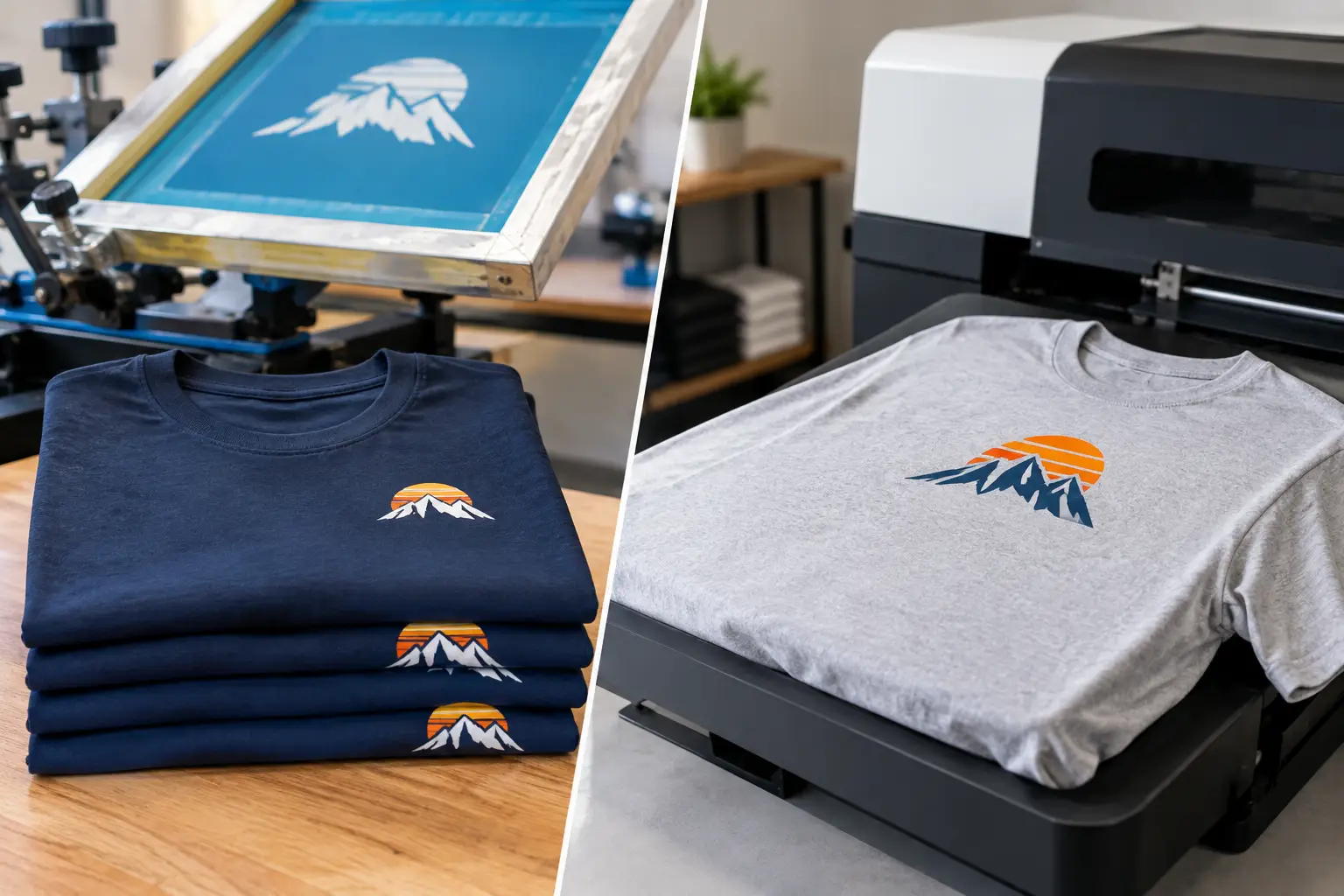
For many custom company uniforms, embroidery is the default choice because it creates a polished, long-lasting finish that holds up well on polos, outerwear, caps, and work shirts. It has a professional look that fits corporate, hospitality, retail, and service environments especially well. For logos with clean shapes and moderate detail, embroidery is often the strongest option.
Screen printing can be the better fit when you need larger graphics, bold artwork, or lightweight garments such as event tees and promotional apparel. It is often more cost-effective for high-volume orders with simple art. That said, screen printing may not always deliver the same premium uniform look that embroidery provides for everyday employee wear.
The right choice depends on the garment, the artwork, and the use case. A left-chest embroidered logo on a branded polo projects one kind of image. A full-front print on a tee serves a different purpose. Neither is automatically better. The goal is to match decoration method to brand standards and wear conditions.
The details that separate a good uniform program from a frustrating one
A uniform order can look fine on paper and still create headaches in practice. This usually happens when buyers focus only on price and miss the production details that affect consistency.
Logo setup is one example. Artwork may need to be adjusted or digitized properly to stitch cleanly at small sizes. Without that step, text can become hard to read and logo elements can lose definition. Proofing is equally important. A digital proof gives buyers a chance to confirm placement, color treatment, and scale before production begins.
Brand consistency matters even more for multi-department and multi-location programs. If one office is ordering navy polos and another ends up with a different shade, the brand starts to look fragmented. The same issue comes up when logos are placed at different heights or decorated with different methods over time. Centralized production control helps prevent that drift.
Turnaround time also deserves a closer look. Fast production is valuable, but only if the quality stays consistent. Business buyers usually need both. New hires need uniforms on schedule. Events have hard dates. Reorders should match previous runs. A dependable production partner does not treat those as competing priorities.
Building a uniform program that scales
The first order is only part of the story. Most businesses are not buying uniforms once. They are managing turnover, seasonal needs, department growth, and repeat orders over time. That is why a scalable program matters.
A practical setup often starts with a small group of approved core items. Think branded polos, one or two outerwear options, a cap, and role-specific additions such as work shirts or safety apparel. This gives teams enough flexibility for weather and job function without turning the program into a free-for-all. Too many options tend to slow approvals, create inconsistencies, and complicate reorders.
It also helps to think ahead about inventory cycles and employee onboarding. If your business hires steadily or operates across multiple locations, reordering should be simple and repeatable. The more standardized the artwork, garment selections, and decoration specs, the easier it is to maintain a clean brand presence.
This is where an experienced supplier earns trust. In-house decoration, clear proofing, and controlled production lead to better repeatability than a fragmented process spread across multiple vendors. For business buyers, that means fewer surprises and less time spent fixing preventable issues.
What to look for in a uniform partner
Not every apparel vendor is built for uniform programs. Some are fine for one-off promotional orders but struggle with consistency, artwork control, or ongoing account needs. For custom company uniforms, buyers should look for a partner that understands both branding and production.
That includes access to reliable apparel brands, decoration expertise, responsive support, and a clear process from logo setup through final delivery. It also means understanding which garments perform well in specific industries and which ones create problems after repeated washing and wear.
Domestic production can be a real advantage here. It offers tighter quality control, clearer communication, and more dependable turnaround for businesses that cannot afford delays. When uniforms are tied to onboarding schedules, grand openings, trade events, or field deployment, reliability is not a bonus feature. It is part of the purchase decision.
At LOGO USA, that combination of premium craftsmanship, in-house embroidery and screen printing, digital proofing, and US-based production is built for companies that need polished results without unnecessary friction. Whether the order is straightforward or part of a larger apparel program, the goal is the same – make customization simple, accurate, and repeatable.
Making the right investment
The cheapest garment is rarely the lowest-cost decision over time. If shirts fade quickly, logos distort, or employees refuse to wear them, you end up paying again in replacements, lost consistency, and a weaker presentation. A better uniform program balances price with durability, comfort, and brand impact.
That balance looks different from one business to another. A seasonal event staff order may prioritize budget and speed. A year-round service team may need better fabrics and stronger construction. A client-facing office may care most about elevated brand presentation. The right answer is not one-size-fits-all, but it should always be intentional.
When custom company uniforms are chosen well, they do more than put a logo on apparel. They help teams look prepared, give customers confidence, and make your brand feel established in every interaction. If your current uniform program feels inconsistent, uncomfortable, or hard to manage, that is usually a sign it is time to rebuild it with more precision.
Popular Blogs
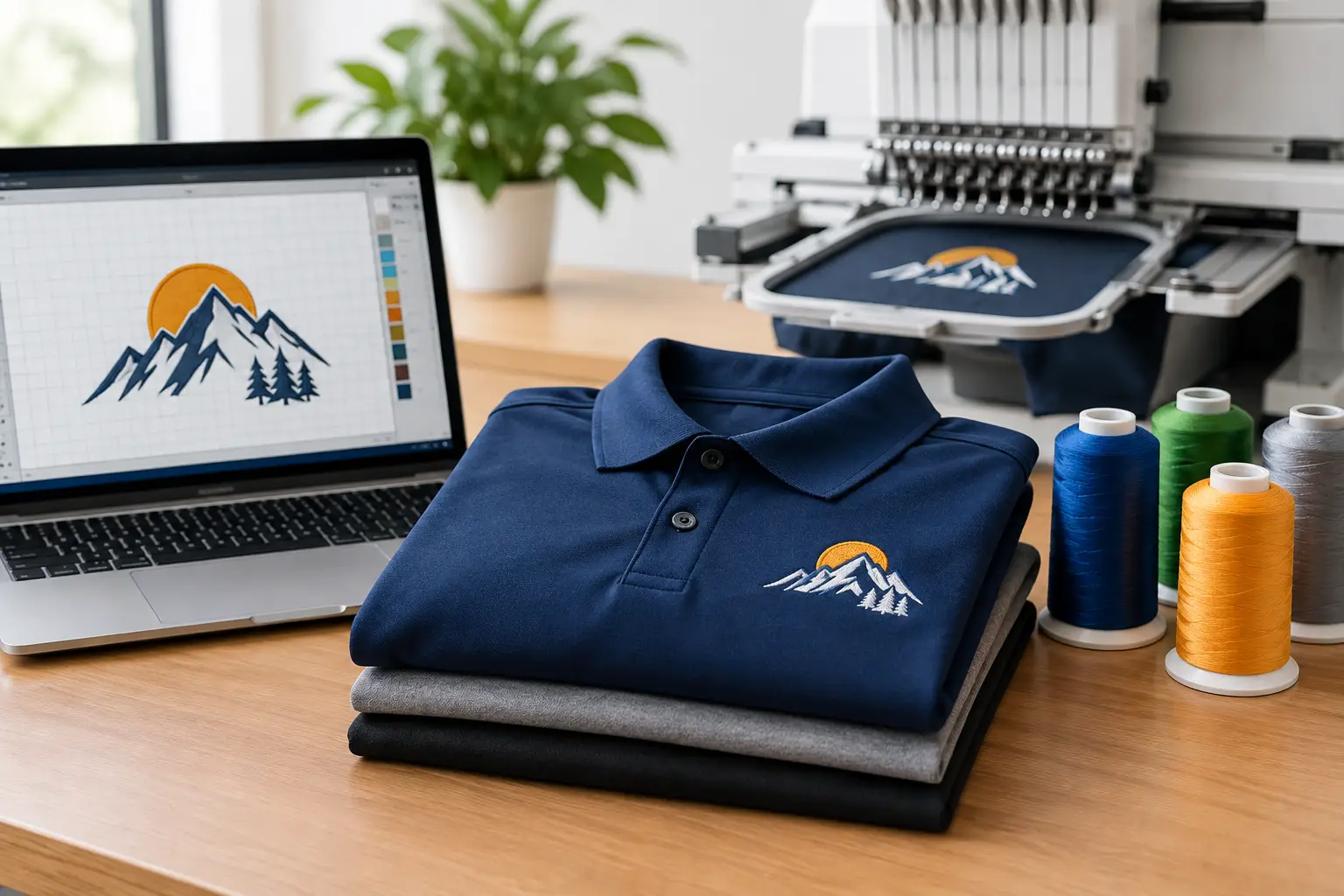
What File Formats Does Embroidery Accept?
October 12, 2026