
9 Company Apparel Store Benefits That Matter
- April 21, 2026
- 2:00 am
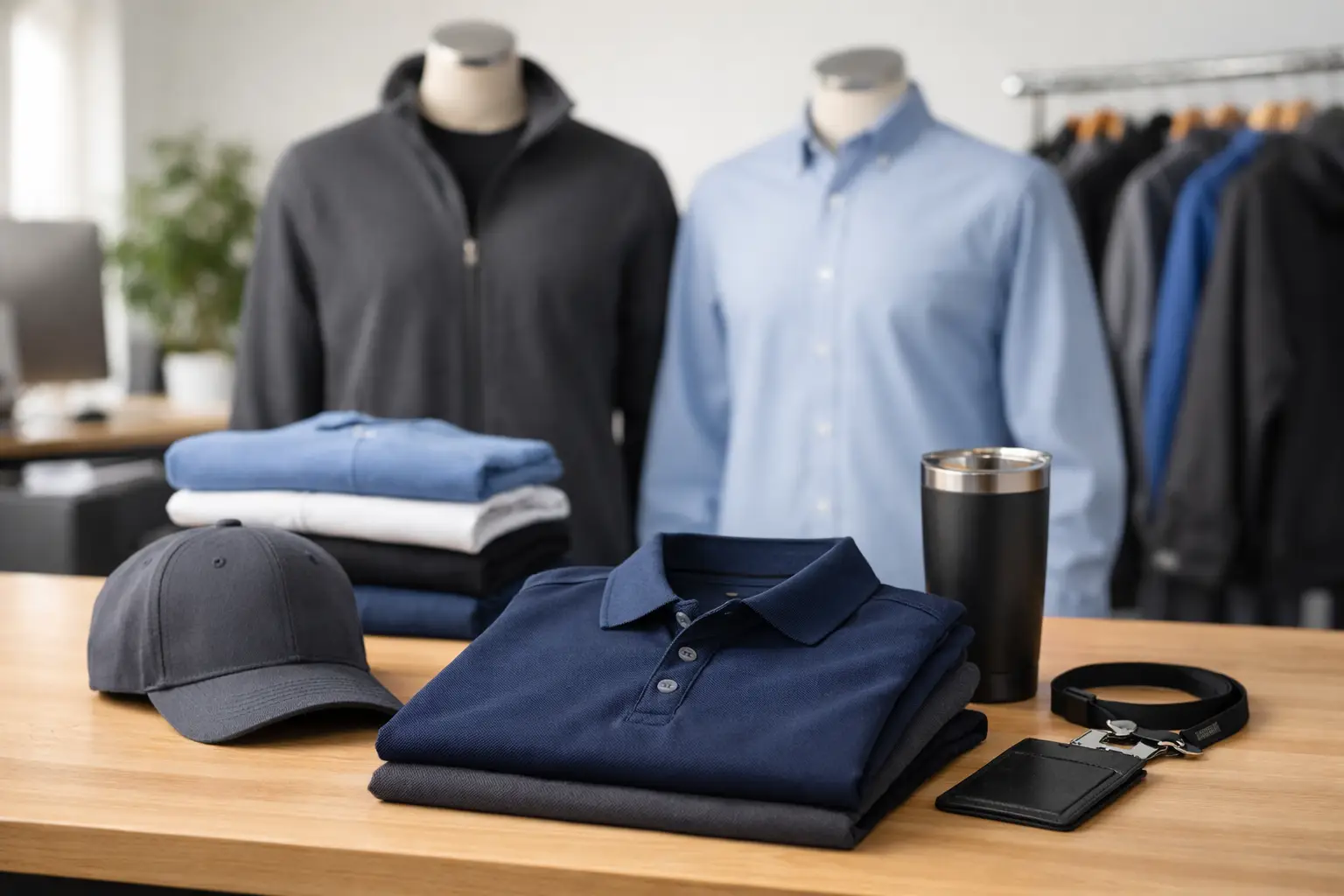
Outfitting a growing team gets complicated fast. One office needs polos, another needs safety gear, new hires need the right sizes, and someone in HR is still chasing spreadsheet orders. That is where company apparel store benefits become easy to see – not as a nice extra, but as a practical way to control branding, simplify ordering, and keep employees looking professional.
A company apparel store gives your business a dedicated place to order approved branded apparel and gear. Instead of handling one-off requests by email or collecting sizes manually, you create a more organized system for employees, managers, and purchasing teams. For companies with multiple locations, recurring onboarding, seasonal events, or uniform standards, that shift can save time and reduce costly mistakes.
Why company apparel store benefits go beyond convenience
The most obvious advantage is easier ordering, but that is only part of the value. A well-managed store creates structure around your branded apparel program. It helps protect logo standards, keeps product choices consistent, and gives your team a straightforward way to reorder the right items.
That matters because apparel is not just apparel in a business setting. It affects first impressions, employee presentation, safety compliance in some industries, and how consistently your brand shows up in the field. When ordering is fragmented, those standards tend to slip. Different logo versions appear, colors drift, and product quality becomes inconsistent from one order to the next.
A company store helps solve that by putting approved products, artwork, and decoration methods into one controlled program. For operations teams and procurement managers, that means fewer variables. For employees, it means less confusion. For leadership, it means a more polished brand presence.
Better brand consistency across every order
One of the strongest company apparel store benefits is control. Your business can decide which garments are available, which logo placements are approved, and which colors fit your brand. That prevents the common problem of different departments ordering similar items that do not actually match.
Consistency is especially important when your team faces customers, attends trade shows, works jobsites, or represents your company across multiple branches. A store creates a cleaner presentation because everyone is pulling from the same approved catalog. The result is a more professional look and less second-guessing.
There is also a quality benefit here. When your apparel program is built around trusted products and repeatable decoration standards, you get a more dependable finished result. That is a major improvement over sourcing random items from multiple vendors with varying decoration quality.
Approved products reduce brand drift
Brand drift usually happens gradually. Someone orders a similar polo from a different vendor. Another team uses an old logo file. A manager picks a jacket that looks close enough. Over time, those small decisions add up.
A company apparel store narrows the options to what has already been approved. That keeps your logo treatment, product selection, and overall appearance aligned with your brand standards.
Easier ordering for employees and internal teams
Most businesses do not need more ordering complexity. They need less back-and-forth, fewer manual forms, and a system people can actually use. A company store helps by giving employees and department leads a simple ordering path.
Instead of sending emails to confirm sizes, styles, colors, and logo choices, users can select from preloaded options. That reduces admin time and cuts down on preventable errors. It also helps new hires get what they need faster, which is useful for onboarding programs and fast-growing teams.
For HR and office managers, this can remove a surprising amount of repetitive work. Rather than acting as the middle point for every apparel request, they can direct employees to the store and focus on approvals or budget oversight when needed.
Reorders become faster and more accurate
Reordering is where many apparel programs break down. The original buyer may no longer be in the role, previous specs may be hard to find, or the last order details may be incomplete. A company store keeps those decisions organized.
Once products and logos are set, repeat orders become much easier. That saves time and lowers the risk of ordering the wrong garment, wrong color, or wrong decoration placement.
More control over budgets and purchasing
For procurement and operations teams, apparel buying is not just about appearance. It is also about controlling spend. A company store can support that by creating a more predictable purchasing process.
You may choose to offer a limited set of core items for daily wear, seasonal outerwear for select roles, or specific categories tied to department needs. That kind of structure helps prevent over-ordering and keeps spending tied to approved products.
Some companies want full employee self-service, while others want manager approval or department-based access. It depends on how centralized your purchasing process is. The point is that a store creates a framework that is easier to manage than scattered custom orders.
This is also useful when your business has recurring apparel needs throughout the year. Instead of rebuilding each order from scratch, you have a standing program in place.
A better experience for onboarding, events, and multi-location teams
If your company hires regularly, runs field teams, or supports multiple offices, apparel distribution gets harder with scale. One of the most practical company apparel store benefits is that it helps standardize those recurring needs.
For onboarding, you can offer approved welcome apparel without starting a new custom order every time someone joins. For events, teams can order from a set collection built for that campaign or meeting. For multi-location businesses, each branch can access the same brand-approved options instead of sourcing apparel independently.
That kind of standardization saves time, but it also protects presentation. Customers notice when teams look coordinated. Employees notice too. Branded apparel done well can reinforce a sense of belonging and professionalism, especially when the products are comfortable, durable, and appropriate for the work environment.
Not every business needs the same store setup
There is some nuance here. A small business with occasional apparel orders may not need a large, highly structured program. But even smaller teams can benefit from having approved products and artwork organized in one place if they reorder often or want a cleaner internal process.
Larger organizations usually see the biggest return because order volume, user count, and brand complexity create more room for mistakes. In those cases, a store is less about convenience and more about operational control.
Fewer mistakes in artwork, decoration, and product selection
Errors in branded apparel are expensive. A wrong logo version, poor digitizing, low-quality garment choice, or mismatched color can affect both budget and brand image. A company store helps reduce those risks by building from approved specifications.
That does not mean every order becomes automatic. Good execution still depends on product knowledge, decoration expertise, and careful production standards. But when your store is backed by an experienced customization partner, the process is far more reliable.
This is where in-house production and proofing support matter. When decoration is handled with precision and consistency, the store becomes more than an ordering tool. It becomes part of a controlled branded apparel system.
For companies that care about polished presentation, that distinction is important. Convenience without craftsmanship does not solve much.
Stronger employee adoption when the products are actually good
A company store only works if people want to wear what is in it. That is why product selection matters. If the garments feel cheap, fit poorly, or do not suit the job, employees may avoid them unless required.
The best stores balance brand standards with practical wearability. That could mean performance polos for customer-facing teams, durable outerwear for field staff, premium caps for events, or workwear and safety apparel for tougher environments. The right mix depends on your industry and how your teams actually use the products.
When apparel is comfortable and well-made, adoption tends to improve. Employees wear it more often, your brand gets more visibility, and the investment goes further. That is one reason many companies build stores around recognized brands and decoration methods that hold up over time.
Long-term efficiency adds up
A company apparel store is not just for one order cycle. Its value grows over time. As your team reorders, adds new employees, runs new events, or expands to new locations, the store continues to support those needs without forcing your staff to start over each time.
That long-term efficiency is what makes the model attractive for growing businesses. It creates a repeatable system around branded apparel, which is often more valuable than shaving a few dollars off a single order. Less confusion, fewer corrections, and more consistent execution usually produce better results across the year.
For businesses that want premium craftsmanship, dependable turnaround, and a more organized way to manage branded apparel, a company store can be a smart operational upgrade. LOGO USA supports these programs with approved product selection, in-house decoration, digital proofing, and production managed in the USA.
The real benefit is not having a store for the sake of it. It is giving your team a better way to order apparel that looks right, wears well, and reflects your brand with consistency every time.
Popular Blogs
Should You Choose In House or Outsourced Embroidery?
October 4, 2026